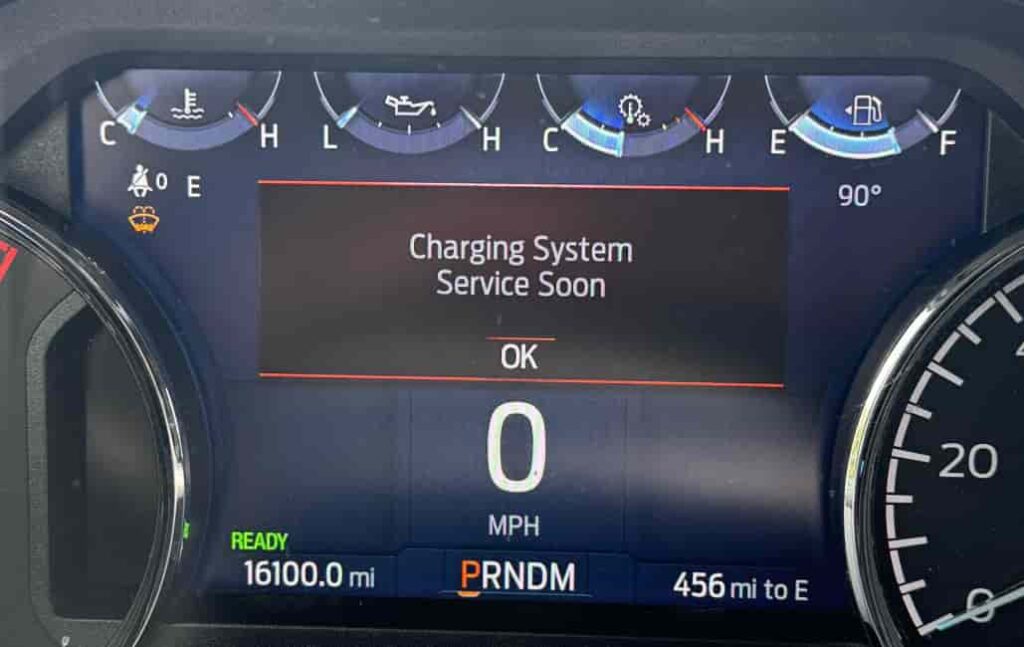
Seeing the charging system warning on your Ford Explorer can be stressful. Ignoring it may cause a battery failure that leaves you stranded and facing expensive repairs. Many owners encounter this issue without realizing the damage it can cause to the electrical system and overall performance.
This guide will help you understand why the warning appears and how to spot signs early. You will learn steps to fix the problem effectively and prevent it from worsening. Problems may arise from a failing alternator, a weak battery, or loose electrical connections. Acting quickly can save time and money while keeping your Explorer reliable.
We will also explain how to choose a trustworthy repair service, estimate repair costs, and maintain your charging system. By following this guide, you can respond confidently when your Explorer shows a charging system alert. Proper maintenance and timely service protect your investment and ensure your vehicle runs smoothly on every journey.
Avoiding delays prevents minor issues from becoming major repairs and gives you peace of mind on the road. Staying proactive with your charging system ensures that your Ford Explorer remains safe and reliable for all your trips.
Contents
Common Causes of Charging System Problems
One of the most frequent reasons for charging system issues in a Ford Explorer is a failing alternator. The alternator generates electricity to power your vehicle and recharge the battery. When it starts to wear out, you may notice dimming lights, slow engine start, or unusual noises coming from the engine bay. Replacing a worn alternator promptly prevents a dead battery and further electrical damage.
A weak or old battery can also trigger a charging system warning. Batteries naturally lose capacity over time, especially under extreme temperatures or inconsistent use. If your Explorer struggles to start or the battery drains quickly, it could indicate a failing battery. Testing the battery regularly helps you identify problems before they leave you stranded.
Loose or corroded electrical connections often cause intermittent charging problems. Corrosion can prevent the battery and alternator from communicating properly, while loose wires can interrupt the power flow. Regularly inspecting and cleaning terminals and connections can reduce the likelihood of unexpected failures.
Other issues may include worn serpentine belts or blown fuses. The serpentine belt drives the alternator, so if it slips or breaks, your charging system stops working. Checking belts and fuses during routine maintenance helps catch these problems early and keeps your Explorer running reliably.
Step-by-Step Guide to Check Your Charging System
Checking your Ford Explorer’s charging system does not have to be complicated. Start by gathering the necessary tools, such as a multimeter and basic hand tools. Ensure the vehicle is parked on a flat surface, the engine is off, and the keys are removed for safety.
Begin with the battery. Inspect the terminals for corrosion or loose connections. Use the multimeter to measure the battery voltage, which should read around 12.6 volts when the engine is off. A lower reading indicates that the battery may be weak or failing.
Next, test the alternator while the engine is running. Set the multimeter to measure voltage and connect it to the battery terminals. A healthy alternator should produce between 13.5 and 14.5 volts. Values outside this range may signal a problem with the alternator or the charging system wiring.
Finally, check the serpentine belt and electrical connections. Look for wear, cracks, or looseness in the belt. Inspect wires and fuses for signs of damage or corrosion. Tightening connections, cleaning terminals, or replacing worn belts can often solve minor charging system issues before they escalate.
Following these steps helps you identify problems early and prevents unexpected breakdowns. Regular checks and maintenance keep your Explorer reliable and ensure that the charging system performs optimally on every drive.
Signs You Need “Charging System Service Now”
One of the first signs that your Ford Explorer needs immediate attention is a warning light on the dashboard. The battery or charging system indicator may illuminate when the alternator or battery is failing. Ignoring this alert can lead to a dead battery and leave you stranded on the road.
Another common sign is dimming headlights or interior lights. When the charging system cannot supply enough power, electrical components may operate at reduced performance. If you notice lights dimming during idle or when using multiple accessories, it indicates a potential problem.
Slow engine starts or frequent jump starts also signal charging system issues. If the engine cranks slowly or struggles to start, the battery may not be receiving adequate charge from the alternator. Repeatedly relying on a jump start is a clear warning to schedule service immediately.
Other indications include unusual noises from the engine area or a burning smell. Whining, grinding, or squealing sounds can point to a failing alternator, while a burning odor may indicate overheating wiring or connections. Addressing these signs promptly prevents more severe electrical failures and costly repairs.
By recognizing these symptoms early, you can schedule Ford Explorer Charging System Service Now and ensure your vehicle remains safe and reliable. Acting quickly protects your battery, alternator, and other critical components from permanent damage.
Cost of Ford Explorer Charging System Repair
The cost of repairing your Ford Explorer’s charging system depends on the specific problem and the parts involved. Replacing a failing alternator typically ranges from $300 to $600, including parts and labor. A weak or dead battery usually costs between $150 and $250, depending on the battery type and brand.
Labor rates can vary depending on the garage or service center. Certified Ford mechanics may charge more, but they provide expertise, proper tools, and warranty coverage. Local garages often offer lower prices, but it is important to ensure they have experience working on charging systems to avoid recurring issues.
Additional costs may arise if damaged wires, fuses, or serpentine belts need replacement. Minor issues such as cleaning terminals or tightening connections are generally inexpensive but can prevent more costly repairs if addressed early. Routine maintenance reduces the risk of unexpected breakdowns and extends the life of your charging system.
Understanding the potential repair costs helps you budget and make informed decisions. Scheduling timely service when you see warning signs ensures that your Ford Explorer remains reliable while avoiding expensive emergency repairs. Acting quickly protects your vehicle and keeps your journeys safe and worry-free.
Choosing the Right Repair Service
Selecting a trustworthy repair service is essential when your Ford Explorer shows a charging system warning. Certified Ford mechanics have the experience and tools to diagnose and fix alternator or battery issues correctly. They also provide warranties, giving peace of mind that the repair is done properly.
Local garages can offer competitive prices, but it is important to verify their expertise with charging system repairs. Ask about their experience with Ford Explorer models, read customer reviews, and ensure they use quality replacement parts. Choosing a reliable service prevents recurring issues and protects your vehicle from unnecessary damage.
Before scheduling service, clarify the cost and what it includes. Request estimates for labor, parts, and additional fees. A clear understanding of pricing helps avoid surprises and ensures that you get value for your money.
Regular maintenance at a trusted repair center can prevent future charging system problems. Keeping records of service and inspections helps track the health of your Explorer’s electrical system and allows you to act quickly if issues arise again.
Preventive Tips to Avoid Charging Issues
Regular maintenance is the key to preventing charging system problems in your Ford Explorer. Check your battery terminals for corrosion and clean them as needed. Tighten any loose connections to ensure a consistent power flow between the battery and alternator.
Inspect the serpentine belt regularly for signs of wear, cracks, or looseness. A worn belt can reduce alternator performance or even cause a complete failure. Replacing the belt as recommended in the owner’s manual helps maintain a healthy charging system.
Monitor your battery’s performance over time. Extreme temperatures and irregular use can reduce battery life. Testing the battery with a multimeter or having it checked during routine service ensures early detection of weak or failing batteries.
Avoid overloading the electrical system by using too many accessories at once, especially when the engine is idling. This practice reduces strain on the alternator and helps maintain proper charging. Following these preventive steps keeps your Explorer reliable and minimizes the risk of unexpected breakdowns.
By staying proactive, you can reduce costly repairs and ensure that your Ford Explorer’s charging system continues to perform at its best. Regular checks and maintenance provide peace of mind and protect your investment.
Conclusion
The Ford Explorer Charging System Service Now alert should never be ignored. Recognizing the warning signs early, from dashboard alerts to dimming lights and slow engine starts, can save you from costly repairs and unexpected breakdowns. Acting promptly protects your battery, alternator, and other critical electrical components, ensuring your Explorer remains reliable on every journey.
Understanding the potential causes, from a failing alternator to loose connections, allows you to address issues before they escalate. Regular checks and preventive maintenance, including inspecting the battery, cleaning terminals, and monitoring the serpentine belt, help keep your charging system in optimal condition. Choosing a trustworthy repair service ensures the problem is fixed correctly and prevents recurring issues.
By staying proactive and scheduling service when necessary, you maintain the performance and longevity of your vehicle. Don’t wait until a minor charging problem turns into a major repair. Take control of your Ford Explorer’s electrical system today and ensure safe, worry-free driving. Following these steps keeps your Explorer running smoothly and protects your investment for years to come.