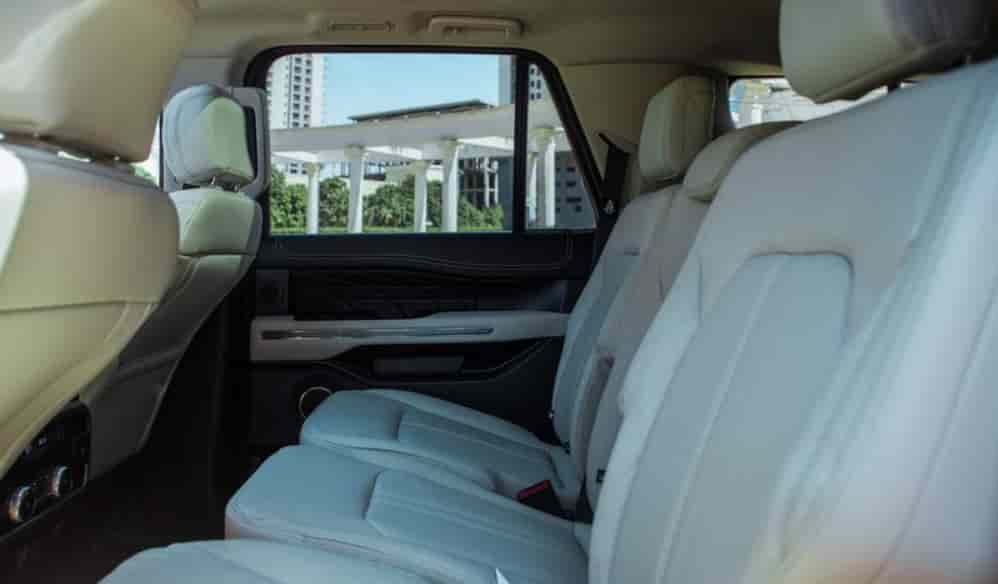
The Ford Expedition remains a popular full size SUV among families who value space and comfort. Many owners rely on its third row seat for daily transportation and weekend travel. This seat allows quick transitions between passenger seating and cargo space. When it works properly, it adds real value to the vehicle.
Problems begin when owners experience Ford Expedition third row seat problems during regular use. The seat may refuse to fold or return to its original position. In some cases, the power system stops responding at all. These issues often appear without warning and disrupt simple tasks like loading groceries or preparing for a family trip.
Drivers need to understand why these issues occur before they become more serious. Some problems come from small mechanical faults or blocked seat tracks. Others point to electrical failures that require professional attention. Ignoring early symptoms can lead to higher repair costs and long term inconvenience.
This guide explains the most common Ford Expedition third row seat problems in clear and practical terms. It explores the main causes behind these failures and outlines realistic repair solutions. Readers will also learn about expected repair costs and real owner insights. With this information, owners and buyers can make better decisions and avoid unnecessary frustration.
Contents
- Common Ford Expedition Third Row Seat Problems
- What Causes Ford Expedition Third Row Seat Problems
- Can You Mix Ford Gold and Orange Coolant?
- Ford Expedition Third Row Seat Repair Cost Breakdown
- Ford Expedition Third Row Seat Problems by Model Year
- Real Owner Insights and Complaints
- Should You Be Concerned About Ford Expedition Third Row Seat Problems?
- Conclusion
Common Ford Expedition Third Row Seat Problems
Many owners report similar Ford Expedition third row seat problems after a period of regular use. One of the most common issues occurs when the third row seat does not fold down as expected. Drivers press the button or pull the release, but the seat remains locked in place. This problem often limits cargo space and reduces the vehicle’s flexibility.
Another frequent complaint involves seats that become stuck in either the upright or flat position. In these cases, the seat begins to move but stops halfway. Owners may hear a clicking sound or motor noise, yet the seat does not complete the motion. This situation often creates confusion and concern, especially when the seat blocks access to the rear cargo area.
Power related failures also appear in many reports. Some third row seats stop responding completely to control buttons. The system shows no movement or sound, which suggests an electrical or motor related issue. When only one side of the third row seat works, the problem usually points to uneven wear or a mechanical fault on the affected side.
These Ford Expedition third row seat problems often develop gradually. Early signs may seem minor, but they tend to worsen over time. Recognizing these symptoms helps owners take action before the issue leads to higher repair costs or permanent seat damage.
What Causes Ford Expedition Third Row Seat Problems
Several factors contribute to Ford Expedition third row seat problems over time. One common cause involves wear inside the power seat motor. As the motor ages, it loses strength and struggles to move the seat through its full range. This weakness often explains why the seat moves slowly or stops halfway.
Mechanical components also play a major role. The seat relies on cables and gears to guide its movement. When these parts stretch, fray, or slip out of alignment, the seat can no longer fold or unfold smoothly. Owners who frequently load heavy cargo tend to experience this issue more often.
Electrical issues represent another frequent cause. A blown fuse, damaged wiring, or a faulty switch can interrupt power to the third row seat system. When this happens, the seat may stop responding without any warning signs. Moisture and dirt inside the vehicle can increase the risk of electrical failure.
Obstructions in the seat track can also create problems. Small objects, debris, or loose cargo may block the seat path. Even a minor obstruction can prevent proper movement and place extra stress on the motor. Over time, this added strain accelerates wear and leads to more serious failures.
Can You Mix Ford Gold and Orange Coolant?
The short answer is no. Ford Gold and Ford Orange coolant should not be mixed under any circumstances. Although both products serve the same purpose, their chemical technologies are fundamentally different. When combined, they do not complement each other and instead create harmful reactions inside the cooling system.
Mixing these two coolant types can reduce corrosion protection almost immediately. The inhibitors in HOAT and OAT formulas can interfere with each other and lose effectiveness. As a result, metal surfaces inside the radiator, engine block, and heater core become exposed to corrosion. Over time, this damage can spread and weaken critical components.
Another serious risk involves coolant flow restriction. When Ford Gold and Orange coolant mix, they can form sludge or gel like deposits. These deposits may clog small coolant passages and reduce heat transfer efficiency. Poor coolant circulation increases engine temperature and raises the risk of overheating during normal driving conditions.
Long term engine damage often follows improper coolant mixing. Water pumps may wear out faster due to contaminated fluid. Radiators and heater cores can lose efficiency or fail completely. In severe cases, overheating can damage head gaskets and lead to expensive engine repairs. Avoiding coolant mixing is one of the simplest ways to protect a Ford engine from unnecessary failure.
Ford Expedition Third Row Seat Repair Cost Breakdown
Repair costs for Ford Expedition third row seat problems vary based on the root cause and repair method. Minor issues usually cost less and require limited labor. Simple fixes such as removing obstructions or replacing a fuse often involve little to no expense. These repairs mainly depend on time rather than parts.
Mechanical repairs fall into a moderate cost range. Replacing worn seat cables or realigning internal components usually costs a few hundred dollars. Labor plays a major role in these repairs because technicians must remove interior panels and seat assemblies. Independent repair shops often charge less than dealerships for the same work.
Motor related repairs tend to cost more. A failing power seat motor usually requires full replacement. Parts and labor combined can push the cost higher, especially when access to the seat mechanism proves difficult. Electrical diagnostics also add to the total expense when wiring or control switches fail.
Warranty coverage can reduce out of pocket costs for some owners. Factory warranties or extended service plans may cover third row seat repairs if the issue qualifies. Owners should review their coverage carefully before approving repairs. Understanding repair costs in advance helps owners make informed decisions and avoid unexpected expenses.
Ford Expedition Third Row Seat Problems by Model Year
Ford Expedition third row seat problems do not affect all model years equally. Some generations show higher complaint rates due to design changes and increased reliance on power seat systems. Understanding these patterns helps owners and buyers assess potential risk.
Older Ford Expedition models often experience mechanical wear after years of use. Cables and gears in these vehicles tend to loosen or fail as mileage increases. In many cases, owners report slow seat movement rather than complete failure. These issues usually develop gradually and provide early warning signs.
Newer models rely more heavily on electronic controls and power motors. While these systems improve convenience, they also introduce additional failure points. Owners sometimes report sudden seat failure with no prior symptoms. Electrical faults and motor issues appear more frequently in these newer generations.
Usage patterns also influence reliability across model years. Vehicles used for family transport or frequent cargo loading place more stress on the third row seat mechanism. Regular inspection becomes especially important for these models. Buyers should test third row seat operation carefully when evaluating a used Ford Expedition.
Real Owner Insights and Complaints
Many Ford Expedition owners share similar experiences when discussing third row seat problems. A common theme involves frustration with sudden seat failure during routine use. Owners often expect the seat to function reliably, especially in a vehicle designed for families and long trips.
Some owners report repeated repairs for the same issue. After replacing a cable or motor, the seat may work for a period before the problem returns. This cycle increases repair costs and reduces confidence in the system. Owners who rely heavily on the third row seat feel this impact most strongly.
Positive experiences also appear among owner reports. Several drivers note that early diagnosis helped prevent major damage. Addressing minor issues such as debris in the seat track or weak motor response often restored full function. These owners emphasize the importance of not ignoring early symptoms.
Many owners express that better awareness could have reduced frustration. Understanding common Ford Expedition third row seat problems allows drivers to act sooner and choose repairs more wisely. Real world experiences highlight the value of inspection, maintenance, and informed decision making.
Should You Be Concerned About Ford Expedition Third Row Seat Problems?
Ford Expedition third row seat problems raise concern for many owners and potential buyers, but they do not affect every vehicle in the same way. For most drivers, these issues remain manageable when identified early. Many problems stem from wear or minor electrical faults rather than serious structural defects.
Families who use the third row seat frequently should pay closer attention. Regular folding and unfolding places extra stress on motors and cables. Ignoring early warning signs can turn a small issue into a costly repair. Routine inspection and prompt repair reduce long term risk.
Buyers considering a used Ford Expedition should test the third row seat carefully before purchase. The seat should move smoothly and respond consistently to controls. Any hesitation, noise, or uneven movement may indicate underlying problems. These signs provide leverage for negotiation or signal the need for further inspection.
For most owners, Ford Expedition third row seat problems do not outweigh the overall benefits of the vehicle. Awareness and maintenance play a key role in ownership satisfaction. Understanding potential issues helps drivers make informed choices and avoid unexpected inconvenience.
Conclusion
Ford Expedition third row seat problems often frustrate owners, but they rarely appear without warning. Most issues develop from mechanical wear, electrical faults, or obstructions that interfere with seat movement. Recognizing these causes allows owners to respond before damage becomes severe.
Many fixes remain straightforward when addressed early. Simple inspections, basic repairs, and timely professional service can restore full seat function. Repair costs vary, but informed owners can avoid unnecessary expenses by understanding what drives pricing and when warranty coverage applies.
Owner insights show that awareness makes a real difference. Drivers who act quickly report fewer repeat repairs and greater satisfaction over time. Buyers also benefit from knowing what to inspect before committing to a used vehicle.
In the end, Ford Expedition third row seat problems should not discourage ownership when managed properly. With the right knowledge and attention, owners can maintain reliability, protect value, and continue to enjoy the flexibility that defines this full size SUV.