Ford Electric Power Steering Problems have become a concern for many drivers who rely on smooth handling and safety. Modern Ford vehicles use advanced electric power steering systems to provide precise control and reduce driver effort. Despite their benefits, these systems are not immune to problems. Ignoring warning signs can lead to unexpected steering difficulties and costly repairs.
Common issues include electrical malfunctions, faulty sensors, and motor failures. Each problem produces distinct symptoms that alert the driver to potential danger. Recognizing these warning signs early helps prevent minor issues from turning into major repairs.
This guide will explore the main causes of Ford Electric Power Steering Problems, how to spot them, and the solutions available. Whether you drive a Ford F-150, Escape, Focus, or any model with electric power steering, these insights will help you stay informed and prepared. Understanding these challenges is the first step toward safe and reliable driving. By following the advice in this article, drivers can maintain proper steering function and avoid costly surprises.
Contents
What is Ford Electric Power Steering
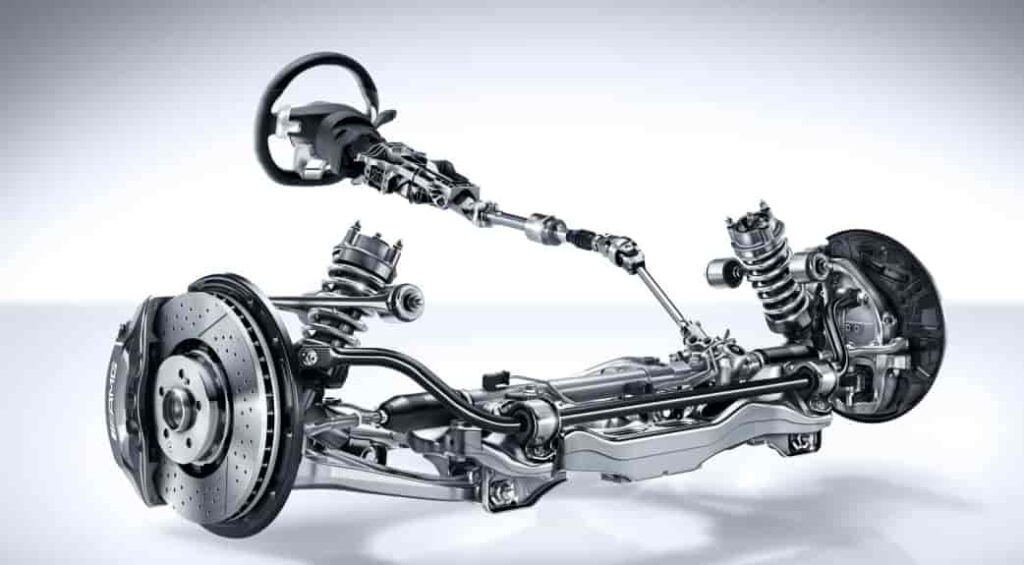
Ford Electric Power Steering, often called EPS, is a system designed to make steering easier and more precise. Unlike traditional hydraulic steering, EPS uses an electric motor to assist the driver when turning the steering wheel. This reduces the effort needed, especially at low speeds or during tight maneuvers. The system relies on sensors, a control module, and the electric motor to respond to driver input in real time. These components work together to adjust the amount of steering assistance based on vehicle speed and steering angle.
EPS offers several advantages. It improves fuel efficiency by eliminating the need for a hydraulic pump. It also allows for advanced driver-assistance features, such as lane keeping and automated parking. Despite these benefits, EPS systems can encounter problems over time. Electrical issues, sensor failures, or motor wear can affect performance and safety. Drivers may notice changes in steering feel or warning lights on the dashboard.
Understanding how Ford Electric Power Steering works is important before diagnosing or fixing problems. Knowing the components and their function helps identify potential causes when issues arise. Whether your vehicle is a Ford F-150, Escape, Focus, or another model with EPS, familiarity with the system makes maintenance and repair much easier. Early detection of problems ensures safer driving and can prevent costly repairs.
Common Causes of Ford Electric Power Steering Problems
Ford Electric Power Steering Problems can arise from several common issues that affect performance and safety. One of the most frequent causes is a faulty EPS motor. Over time, the motor can wear out or fail, making steering feel heavy or unresponsive. Electrical issues are another major factor. Problems with wiring, loose connections, or low battery voltage can prevent the system from operating correctly.
Steering sensor failures also contribute to EPS problems. These sensors detect wheel position and movement to provide accurate steering assistance. When a sensor malfunctions, the system may not respond properly, causing jerky or uneven steering. Software or control module glitches can also trigger problems. Sometimes the EPS module requires a software update or reset to restore normal operation.
Certain Ford models are more prone to EPS issues than others. Vehicles such as the Ford F-150, Escape, and Focus have reported higher instances of motor or sensor failures. Environmental factors, like extreme temperatures or moisture, can accelerate wear on electrical components. Understanding these common causes helps drivers identify problems early and seek appropriate solutions. Early detection can prevent minor issues from escalating into costly repairs or safety risks.
Being aware of these causes is the first step toward proper maintenance and repair. Regular checks of the EPS motor, wiring, sensors, and software updates can significantly reduce the likelihood of encountering Ford Electric Power Steering Problems. Staying informed ensures safer driving and extends the life of the steering system.
Symptoms Indicating EPS Problems
Recognizing the symptoms of Ford Electric Power Steering Problems is essential for preventing serious issues. One of the most obvious signs is the EPS warning light on the dashboard. This light indicates that the system has detected a malfunction and needs attention. Drivers may also notice that steering feels harder than usual or experiences jerky movements, especially at low speeds.
Unusual noises from the steering column are another common symptom. Grinding, whining, or clicking sounds can signal that the EPS motor or internal components are failing. Loss of power assist is also a key warning sign. When the steering suddenly becomes heavy or unresponsive, it can be dangerous if not addressed immediately. Intermittent problems are particularly tricky, as the system may work fine at times and fail unexpectedly, making early detection challenging.
Paying attention to these symptoms allows drivers to act quickly and avoid further damage. Ignoring warning signs can lead to costly repairs or compromise safety on the road. Vehicles such as the Ford F-150, Escape, and Focus often show these issues, so drivers of these models should remain vigilant. By understanding the common symptoms of EPS problems, owners can schedule timely maintenance, consult a certified Ford service center, and ensure that their steering system remains reliable. Early action can save money and prevent accidents, making symptom recognition a crucial part of vehicle care.
Fixes and Solutions for Ford EPS Problems
Addressing Ford Electric Power Steering Problems promptly is crucial for safety and avoiding costly repairs. Some minor issues can be resolved at home by checking basic components. Inspecting fuses, battery connections, and wiring can often solve electrical problems that affect EPS performance. Ensuring the battery is fully charged and all connectors are secure can restore proper steering function in some cases.
Software-related problems may require a system reset or module update. Many Ford vehicles allow technicians or experienced owners to perform a reset that recalibrates the EPS system. This can correct glitches or errors in the steering control module and restore normal operation.
More serious issues, such as a failing EPS motor or damaged sensor, usually require professional repair. Certified Ford service centers can replace faulty components and ensure the system functions correctly. Choosing genuine parts helps maintain vehicle performance and prevents recurring problems. Repair costs vary depending on the issue and the model, but addressing problems early typically reduces expenses compared to waiting for a complete failure.
Preventive maintenance is equally important. Regular inspections of the EPS motor, wiring, and sensors, combined with following manufacturer guidelines, help avoid most common failures. Staying informed about your vehicle and acting at the first sign of trouble ensures that steering remains smooth, reliable, and safe. By understanding the fixes and solutions, drivers can confidently handle Ford Electric Power Steering Problems and maintain optimal vehicle performance.
Preventive Tips to Avoid EPS Issues
Preventing Ford Electric Power Steering Problems starts with regular maintenance and careful driving habits. Routine inspections of the EPS motor, sensors, and wiring can identify potential problems before they become serious. Checking connections and ensuring the battery maintains proper voltage are simple steps that help keep the system functioning reliably.
Avoiding harsh or sudden steering movements also protects the EPS components. Overloading the system with aggressive maneuvers or driving on rough terrain frequently can accelerate wear on the motor and sensors. Staying mindful of how the vehicle is handled can extend the life of the electric power steering system.
Using certified parts and professional service is another key preventive measure. When replacement or repair is necessary, genuine Ford components ensure proper fit and performance. Software updates performed by certified technicians keep the control module calibrated and free from glitches that could cause unexpected steering problems.
Keeping the vehicle clean and free from moisture around electrical components helps prevent corrosion and shorts. Combined with regular maintenance and safe driving, these practices greatly reduce the risk of experiencing Ford Electric Power Steering Problems. Taking proactive steps ensures smoother steering, safer driving, and reduced repair costs. Understanding these preventive measures gives Ford owners confidence and peace of mind on the road.
Conclusion
Ford Electric Power Steering Problems can affect the safety, performance, and reliability of your vehicle if left unaddressed. Understanding the causes, recognizing the symptoms, and knowing the available fixes are essential for every Ford owner. Early detection and timely action can prevent minor issues from turning into expensive repairs or creating dangerous situations on the road.
Regular maintenance, careful driving, and using certified parts are the most effective ways to reduce the risk of EPS problems. Paying attention to warning lights, steering behavior, and unusual noises allows drivers to act promptly and maintain smooth steering performance. Software updates and professional inspections ensure that the EPS system remains calibrated and reliable.
By following these preventive measures and addressing issues quickly, Ford owners can enjoy safer driving, longer component life, and fewer unexpected repair costs. Staying informed about Ford Electric Power Steering Problems not only protects your vehicle but also gives peace of mind and confidence while driving. If you notice any signs of steering trouble, do not wait. Schedule a professional inspection or service to ensure your electric power steering system continues to operate safely and efficiently.