Many Ford Edge owners first notice a coolant problem when the engine temperature rises or the coolant level drops unexpectedly. These early signs often point to the Ford Edge Coolant Leak Recall, a serious issue that affects engine safety and long term reliability. What starts as a small cooling problem can quickly turn into major engine damage if drivers ignore it.
Ford launched the Ford Edge Coolant Leak Recall after identifying defects in certain engines and cooling system components. These defects allow coolant to escape or enter areas inside the engine where it does not belong. When this happens, the engine can overheat, lose power, or suffer internal damage. The risk increases because the problem may develop slowly and show no clear warning at first.
This article explains the Ford Edge Coolant Leak Recall in a clear and practical way. You will learn which Ford Edge models are affected, what causes the coolant leak, and which symptoms signal a serious problem. The guide also outlines the rights owners have under the recall program. If you own a Ford Edge or plan to buy one, this information can help you protect your vehicle, avoid expensive repairs, and make confident decisions.
Contents
- What Is the Ford Edge Coolant Leak Recall?
- Affected Ford Edge Models and Model Years
- What Causes the Coolant Leak in Ford Edge?
- Common Symptoms of Ford Edge Coolant Leak
- Why the Ford Edge Coolant Leak Recall Is Dangerous
- How to Check If Your Ford Edge Is Included in the Recall
- Ford Edge Coolant Leak Recall Repair and Fix Options
- Owner Rights Under the Ford Edge Coolant Leak Recall
- Should You Buy or Keep a Ford Edge Affected by This Recall?
- Conclusion
What Is the Ford Edge Coolant Leak Recall?
The Ford Edge Coolant Leak Recall refers to a safety action Ford issued after discovering a defect that allows coolant to escape from the engine cooling system. In some affected vehicles, coolant does not stay where it should during normal operation. Instead, it leaks externally or moves into internal engine components, which creates serious performance and safety risks.
Ford identified this issue after receiving reports of engine overheating, rough operation, and unexpected coolant loss. Engineers traced the problem to specific engine designs and cooling system weaknesses. When coolant levels drop or circulate incorrectly, the engine can no longer control heat effectively. As a result, critical components face excessive stress and wear.
This recall exists to prevent long term engine damage and sudden breakdowns. Coolant plays a key role in keeping engine temperatures stable. When the system fails, even short trips can push the engine beyond safe limits. Drivers may not notice the problem right away, especially during early stages when warning lights do not appear.
The Ford Edge Coolant Leak Recall focuses on identifying affected vehicles and providing corrective repairs through authorized dealers. By addressing the root cause, Ford aims to reduce safety risks, protect engine integrity, and restore owner confidence. Understanding what this recall means helps owners act early instead of reacting after costly damage occurs.
Affected Ford Edge Models and Model Years
Not every Ford Edge is included in the coolant leak recall. Ford limited the recall to specific model years and engine configurations that show a higher risk of cooling system failure. Owners should avoid assuming their vehicle is safe or affected based only on the vehicle name.
Most reports link the coolant leak issue to certain Ford Edge models equipped with specific four cylinder EcoBoost engines. These engines appear more vulnerable due to their internal design and cooling channel layout. The problem tends to develop over time, which explains why some vehicles show symptoms after years of normal use.
Model years commonly associated with the Ford Edge Coolant Leak Recall include vehicles produced during periods when these engine designs were in active use. However, production year alone does not provide full confirmation. Two vehicles from the same year may face different risks depending on engine type and manufacturing details.
For this reason, Ford relies on vehicle identification numbers to determine recall eligibility. A VIN check provides the most accurate answer and removes uncertainty for owners. If your Ford Edge falls within the affected range, Ford recommends scheduling an inspection as soon as possible to prevent engine damage and ensure safe operation.
What Causes the Coolant Leak in Ford Edge?
Several technical factors contribute to coolant leaks in affected Ford Edge models. The most common cause relates to engine design rather than routine maintenance or driver behavior. In these engines, internal cooling passages do not always maintain proper separation from critical engine components.
Over time, heat and pressure place stress on the engine block and cooling channels. Small weaknesses can expand and allow coolant to escape or move into areas inside the engine. When coolant enters combustion chambers or mixes with engine oil, it disrupts normal operation and accelerates wear.
Seal and gasket failure can also play a role. As materials age, they lose flexibility and sealing strength. This process increases the chance of coolant loss, especially during high temperature operation or repeated short trips. Drivers often mistake this gradual loss for normal evaporation, which delays detection.
The most serious cases involve internal coolant intrusion. This condition allows coolant to flow where it should never exist. The engine may continue running for a short time, but damage builds with each mile. Understanding these causes helps owners recognize that the issue stems from design limitations rather than isolated defects or poor maintenance.
Common Symptoms of Ford Edge Coolant Leak
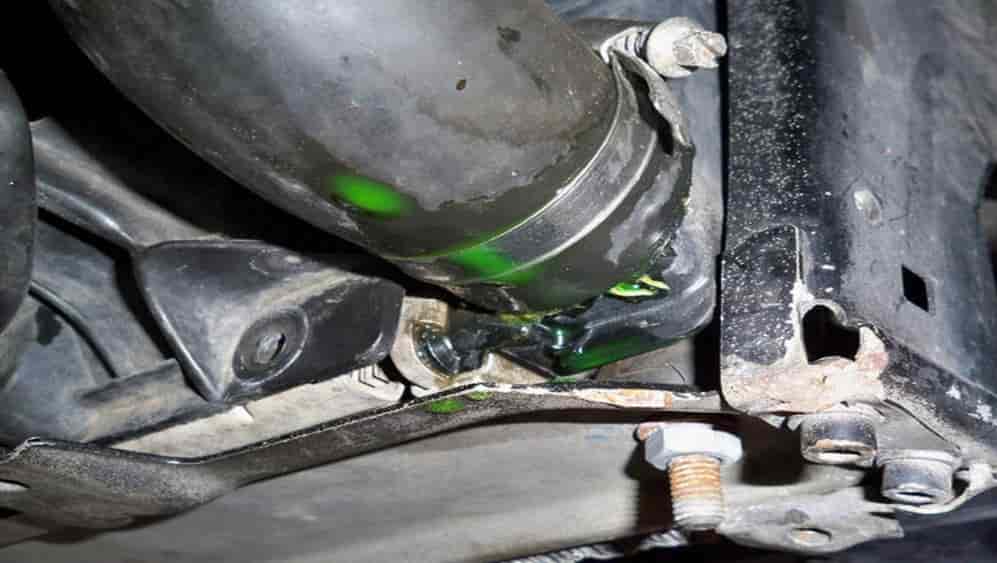
Most drivers first notice a coolant leak through small but unusual changes in vehicle behavior. One of the earliest signs involves a steady drop in coolant level without any visible external leak. Owners may find themselves adding coolant more often than normal.
Engine overheating represents another common symptom. The temperature gauge may rise during short trips or while driving in mild conditions. In some cases, the engine warning light appears, but not always. This inconsistency makes the problem harder to detect in early stages.
Some Ford Edge owners report rough idling, reduced power, or hesitation during acceleration. These issues can occur when coolant interferes with normal combustion or engine timing. White exhaust smoke may also appear, especially during cold starts. This smoke often signals coolant entering the combustion chamber.
As the problem progresses, engine misfires and unusual noises may develop. At this stage, continued driving increases the risk of severe damage. Recognizing these symptoms early allows owners to act before the coolant leak leads to complete engine failure or unsafe driving conditions.
Why the Ford Edge Coolant Leak Recall Is Dangerous
A coolant leak poses a serious threat to engine safety and vehicle reliability. Coolant controls engine temperature and prevents critical components from overheating. When the system fails, heat builds quickly and places extreme stress on internal parts.
Overheating can warp metal components and damage seals. In severe cases, it can cause sudden engine shutdown while driving. This situation creates a direct safety risk, especially at highway speeds or in heavy traffic. Drivers may lose power without warning.
Internal coolant intrusion creates even greater danger. When coolant mixes with engine oil or enters combustion chambers, lubrication breaks down. Metal parts begin to grind against each other, which accelerates wear and increases the chance of complete engine failure. Repairs at this stage often require major engine work or full replacement.
Beyond mechanical damage, this recall also affects long term ownership costs. A vehicle with unresolved coolant issues can lose resale value and face repeated breakdowns. Addressing the Ford Edge Coolant Leak Recall early protects not only the engine but also driver safety and overall vehicle integrity.
How to Check If Your Ford Edge Is Included in the Recall
The most reliable way to confirm recall status is by checking your vehicle identification number. Model year and engine type offer clues, but they cannot provide full certainty. Ford uses the VIN to match each vehicle to specific recall campaigns.
You can find your VIN on the driver side dashboard near the windshield or inside the driver door frame. Once you have the number, visit the official Ford recall website or contact an authorized Ford dealer. Both options allow you to verify whether your Ford Edge falls under the coolant leak recall.
Dealers can also explain the next steps if your vehicle qualifies. They may schedule an inspection, recommend specific repairs, or confirm parts availability. This process usually requires little time and does not involve any upfront cost for recall related work.
Checking recall status early helps prevent further engine damage. It also gives owners peace of mind and a clear path forward. If your Ford Edge appears on the recall list, Ford advises addressing the issue as soon as possible rather than waiting for symptoms to worsen.
Ford Edge Coolant Leak Recall Repair and Fix Options
Ford designed the recall repair process to address the root cause of the coolant leak. Authorized dealers inspect the engine and cooling system to confirm the presence of the defect. Based on the findings, they apply the appropriate repair method approved by Ford.
In many cases, repairs focus on replacing affected components within the cooling system. This may include updated parts that improve coolant flow and sealing. For more severe cases involving internal damage, Ford may authorize extensive engine repairs. The exact fix depends on the level of wear and the specific engine configuration.
Recall related repairs usually come at no cost to the owner. Ford covers labor and parts when the vehicle qualifies under the recall program. Owners should confirm coverage details with their dealer, especially if the vehicle has high mileage or prior repairs.
Repair time can vary from a single day to several days. Availability of parts and engine condition both affect the timeline. Completing the recall repair restores proper cooling function and reduces the risk of future engine failure.
Owner Rights Under the Ford Edge Coolant Leak Recall
Owners of affected Ford Edge vehicles have specific rights under the coolant leak recall program. Ford must provide recall related inspections and repairs without charging for parts or labor. This protection applies even if the vehicle has changed ownership.
Dealers must explain the repair process and confirm whether the recall applies to a specific vehicle. Owners can request documentation that outlines the work performed and any components replaced. This record helps support future warranty claims and resale value.
In some cases, Ford may extend warranty coverage for affected engine components. This extension helps protect owners from additional costs if related problems appear after the initial repair. Owners should ask their dealer about any extended coverage tied to the recall.
If an owner experienced engine damage before receiving recall notice, Ford may still offer assistance. This support can include reimbursement or case review, depending on the situation. Knowing these rights allows owners to act with confidence and avoid unnecessary financial loss.
Should You Buy or Keep a Ford Edge Affected by This Recall?
A Ford Edge affected by the coolant leak recall does not automatically become a poor choice. The key factor lies in whether the recall repair has been completed correctly. A vehicle that received proper repairs can continue to deliver safe and reliable performance.
For buyers considering a used Ford Edge, recall history matters. You should confirm that all recall work appears in service records. A completed recall often improves long term confidence because it addresses known defects. However, an unresolved recall increases risk and future repair costs.
Current owners face a similar decision. Keeping the vehicle makes sense when Ford has resolved the issue and provided documentation. Regular maintenance and monitoring coolant levels also help protect the engine after repairs.
If the recall remains open or the vehicle shows ongoing symptoms, selling or delaying purchase may prove wiser. Understanding recall status allows buyers and owners to make decisions based on facts rather than fear. The recall itself offers protection when handled properly.
Conclusion
The Ford Edge Coolant Leak Recall highlights the importance of understanding how engine defects can affect long term safety and reliability. Coolant leaks may start quietly, but they often lead to overheating, internal damage, and costly repairs if drivers ignore early signs. Knowing which models are affected and recognizing symptoms helps owners respond before serious problems develop.
This recall exists to protect both drivers and vehicles. By addressing design related cooling issues, Ford aims to reduce engine failure risks and restore proper performance. Owners who take action early can benefit from free inspections, approved repairs, and possible extended coverage. These steps help preserve engine health and maintain vehicle value.
Checking recall status through a VIN search remains the most effective way to confirm eligibility. Once confirmed, scheduling repairs with an authorized dealer reduces uncertainty and prevents further damage. For buyers, recall awareness also plays a key role when evaluating a used Ford Edge.
Staying informed empowers owners to make confident decisions. The Ford Edge Coolant Leak Recall serves as a reminder that recall notices deserve attention, not delay. When handled properly, the recall process provides a clear path toward safer driving and more reliable ownership.