Engine reliability is one of the biggest concerns for car owners, yet many drivers still find themselves dealing with unexpected issues. If you are researching Ford EcoSport Engine Problems, you are not alone. Across different markets, this compact SUV has gained attention not only for its affordability and urban-friendly design, but also for recurring engine-related complaints that can lead to frustration and costly repairs.
Many owners report symptoms such as overheating, engine misfires, or sudden loss of power even when the vehicle has relatively low mileage. These problems often appear without clear warning, making it difficult for drivers to diagnose the root cause in time. As a result, what starts as a minor issue can quickly turn into a major expense.
Understanding Ford EcoSport Engine Problems is essential whether you already own the vehicle or are considering buying one. This guide will walk you through the most common issues, explain their underlying causes, and provide proven fixes that can help you prevent serious damage. By the end of this article, you will have a clear and practical understanding of how to deal with these problems and how to protect your investment.
Contents
- What Engine Does the Ford EcoSport Use?
- Most Common Ford EcoSport Engine Problems
- What Causes Ford EcoSport Engine Problems
- Warning Signs You Should Never Ignore
- Proven Fixes and Maintenance Tips
- Repair Costs of Ford EcoSport Engine Problems
- Is the Ford EcoSport Engine Reliable?
- Should You Buy a Ford EcoSport?
- Conclusion
What Engine Does the Ford EcoSport Use?
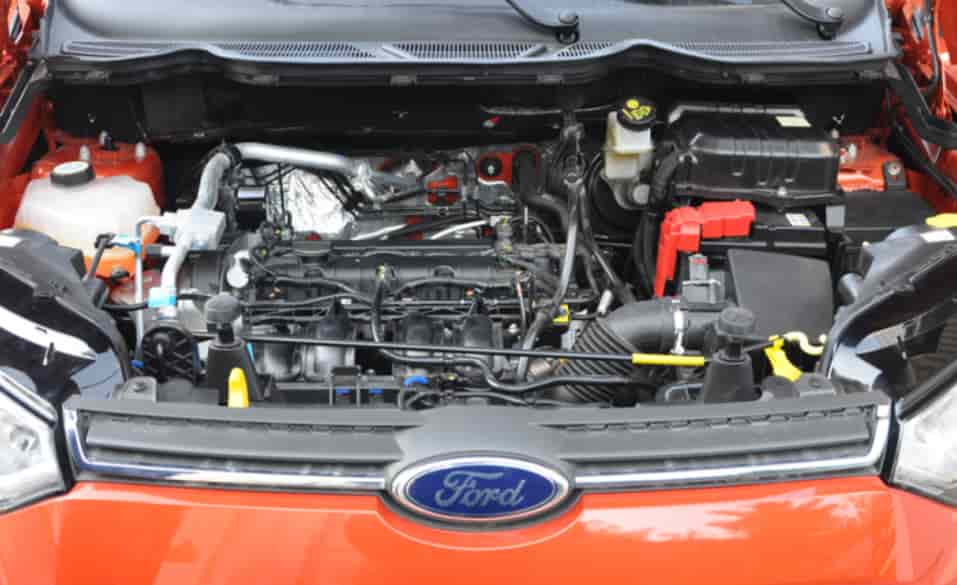
The Ford EcoSport comes with several engine options depending on the market. Most models feature a 1.0L EcoBoost three-cylinder engine, which delivers good fuel efficiency and decent performance for city driving. Some markets also offer a 1.5L Dragon engine that balances power and economy for everyday use. A few versions include a 2.0L naturally aspirated engine, mainly in regions where buyers prefer higher torque for longer drives.
Each engine type has its own strengths and weaknesses, which directly affect Ford EcoSport Engine Problems. Turbocharged EcoBoost engines provide strong acceleration but may suffer from overheating, turbo lag, or misfire issues if drivers neglect regular maintenance. The naturally aspirated engines offer simplicity and reliability but sometimes deliver lower power and slower response in demanding conditions.
Understanding which engine your EcoSport uses helps you anticipate potential problems and maintain the vehicle correctly. Regular checks on oil levels, coolant, and turbo components can prevent common failures. Awareness of the engine type also allows buyers to compare reliability and repair costs before making a purchase.
Knowing the specifications and characteristics of each engine is the first step toward avoiding serious Ford EcoSport Engine Problems and keeping your vehicle running smoothly for years.
Most Common Ford EcoSport Engine Problems
Ford EcoSport owners report several recurring engine problems that can affect performance and reliability. One of the most frequent issues is engine overheating. Drivers often notice the temperature warning light or steam coming from under the hood. Overheating usually occurs due to a faulty cooling system, coolant leaks, or blocked radiators. Regular coolant checks and radiator maintenance can prevent serious damage.
Another common problem is engine misfire and rough idling. This issue shows as shaking during acceleration or inconsistent engine performance at low speeds. Spark plugs, fuel injectors, or ignition coils often cause misfires. Replacing worn components and performing regular engine tune-ups can restore smooth operation.
Turbocharged EcoBoost engines sometimes lose power or respond slowly. Owners may feel reduced acceleration, especially when carrying heavy loads. Turbo wear, clogged air filters, or fuel system issues often cause this problem. Proper maintenance and timely turbo inspections can maintain engine performance.
Oil leaks also appear in many EcoSport models. Drivers may notice oil spots under the car or a burning smell while driving. Leaking seals or gaskets typically cause these issues. Replacing worn seals and checking oil levels regularly can reduce the risk of severe engine damage.
Some EcoSport owners experience coolant intrusion, which causes white smoke and engine misfire. This problem often appears in older or poorly maintained vehicles. Addressing leaks immediately and following professional repair advice can prevent long-term engine failure.
Being aware of these issues helps both current owners and potential buyers make informed decisions. Regular inspections, preventive maintenance, and understanding engine behavior are the best ways to minimize Ford EcoSport Engine Problems and extend the vehicle’s lifespan.
What Causes Ford EcoSport Engine Problems
Ford EcoSport Engine Problems usually stem from several common causes that owners can address with proper maintenance. Poor maintenance remains the most frequent reason. Skipping regular oil changes, ignoring coolant levels, or delaying spark plug replacement can lead to overheating, misfires, and oil leaks. Vehicles that receive inconsistent service often face more severe engine issues over time.
Design flaws in certain engine variants, especially the 1.0L EcoBoost, also contribute to problems. The compact turbocharged engine performs well under normal conditions but can suffer from overheating, turbo wear, or misfire if drivers push the engine beyond its limits. Understanding these design characteristics helps owners anticipate potential issues.
Low-quality fuel or inconsistent fuel supply can trigger engine misfires and reduce overall performance. Using recommended fuel types and avoiding contaminated gasoline minimizes the risk of damage.
Finally, driving habits play a significant role. Frequent short trips, aggressive acceleration, or heavy towing can stress the engine, causing premature wear or mechanical failures. Owners who drive responsibly and follow manufacturer guidelines usually experience fewer Ford EcoSport Engine Problems.
By recognizing these causes, drivers can take proactive steps to prevent serious engine damage. Regular inspections, high-quality fuel, and careful driving habits are the best ways to protect the vehicle and extend its lifespan.
Warning Signs You Should Never Ignore
Recognizing warning signs early helps prevent minor engine problems from turning into major repairs. One of the first indicators of Ford EcoSport Engine Problems is the engine warning light. When this light turns on, it signals that the engine requires immediate attention. Ignoring it can lead to overheating, misfires, or even complete engine failure.
Unusual noises are another critical sign. Knocking, ticking, or grinding sounds while the engine runs often indicate internal wear, damaged components, or insufficient lubrication. Addressing these sounds promptly can save you from costly repairs.
Excessive smoke from the exhaust also signals potential problems. White smoke may indicate coolant leaks, while blue smoke usually points to burning oil. Both require immediate inspection to avoid severe engine damage.
A sudden loss of power or sluggish acceleration can also reveal hidden issues. Turbocharged EcoBoost engines may lose performance if the turbo or fuel system experiences stress. Prompt diagnostics help maintain engine efficiency and prevent long-term damage.
Finally, a noticeable drop in fuel efficiency often accompanies other engine problems. If your EcoSport consumes more fuel than usual, it may indicate misfires, clogged filters, or other underlying issues. Paying attention to these signs allows you to address Ford EcoSport Engine Problems early and keep your vehicle running reliably.
Proven Fixes and Maintenance Tips
Preventing Ford EcoSport Engine Problems starts with regular maintenance. Changing the engine oil on schedule keeps all components well-lubricated and reduces wear. Using the recommended oil type helps the engine perform efficiently and avoids unnecessary stress.
Checking the cooling system frequently can prevent overheating. Inspecting the radiator, hoses, and coolant levels ensures the engine maintains a safe operating temperature. Replacing worn or leaking parts immediately minimizes the risk of damage.
Spark plugs, fuel injectors, and ignition coils require routine inspection and replacement when needed. Clean and functional components help avoid misfires, rough idling, and loss of power. Following a consistent service schedule ensures the engine runs smoothly over time.
Turbocharged EcoBoost engines benefit from periodic turbo checks. Cleaning or replacing clogged air filters improves airflow, while monitoring turbo performance prevents reduced acceleration and premature wear.
Owners should also use high-quality fuel and avoid low-grade or contaminated gasoline. Consistently filling the recommended fuel type reduces the chance of engine misfires and other performance issues.
Finally, driving responsibly contributes to engine longevity. Avoid aggressive acceleration, excessive short trips, and overloading the vehicle. Combining careful driving with proper maintenance significantly reduces the likelihood of Ford EcoSport Engine Problems and extends the vehicle’s lifespan.
Repair Costs of Ford EcoSport Engine Problems
Repair costs vary depending on the severity of Ford EcoSport Engine Problems. Minor issues such as spark plug replacement or routine tune-ups usually cost between $100 and $300. These repairs are simple and can prevent more serious engine damage.
Moderate repairs, including fixing coolant leaks, replacing ignition coils, or addressing misfires, often range from $300 to $1,000. Timely action on these problems can save owners from higher expenses later.
Major engine issues, such as severe overheating, turbo failure, or internal damage, can exceed $2,000. These repairs require professional service and sometimes replacement of engine components. Owners who ignore early warning signs risk facing these high costs.
Investing in regular maintenance and following recommended service schedules significantly reduces repair expenses. Preventive care ensures that Ford EcoSport Engine Problems remain manageable and helps maintain the vehicle’s value over time.
Is the Ford EcoSport Engine Reliable?
The Ford EcoSport offers a mix of strengths and weaknesses when it comes to engine reliability. Many owners praise its fuel efficiency and compact design, which make it ideal for city driving and daily commutes. These advantages allow drivers to enjoy low operating costs and easy maneuverability in tight spaces.
However, recurring Ford EcoSport Engine Problems raise concerns about long-term reliability. Turbocharged EcoBoost engines, while powerful and efficient, are more prone to overheating, misfires, and turbo wear if owners neglect maintenance. Naturally aspirated engines tend to be more reliable but may deliver lower performance in demanding conditions.
Owner experiences show that vehicles with consistent maintenance and careful driving habits experience fewer serious engine issues. Regular oil changes, timely coolant checks, and routine inspections help prevent common failures and maintain engine health over time.
Ultimately, the EcoSport engine can be reliable for drivers who follow recommended maintenance schedules and address problems promptly. Buyers who prioritize long-term durability should carefully consider engine type, maintenance history, and driving habits before purchasing. Understanding these factors helps potential owners make informed decisions and reduce the likelihood of encountering Ford EcoSport Engine Problems.
Should You Buy a Ford EcoSport?
Deciding whether to buy a Ford EcoSport depends on your priorities and driving needs. This compact SUV offers excellent fuel efficiency, easy maneuverability, and affordability, making it ideal for city commuters. Drivers who value convenience and low operating costs often find the EcoSport appealing.
However, recurring Ford EcoSport Engine Problems require careful consideration. Turbocharged engines provide strong performance but can suffer from overheating, misfires, and turbo wear if maintenance is neglected. Buyers should review the vehicle’s service history, check for early warning signs, and plan for regular inspections to avoid costly repairs.
For those who prioritize reliability and long-term durability, naturally aspirated engines or well-maintained used EcoSport models may be a safer choice. Responsible driving, timely maintenance, and awareness of common engine issues help ensure a smooth ownership experience.
Ultimately, the Ford EcoSport suits drivers who understand its strengths and potential problems. Assessing engine type, maintenance habits, and repair costs allows you to make an informed decision. Being proactive can help you enjoy the benefits of this SUV while minimizing the risks of encountering serious Ford EcoSport Engine Problems.
Conclusion
Ford EcoSport Engine Problems remain a key concern for many owners and potential buyers. Understanding the most common issues, their causes, and proven fixes allows drivers to prevent minor problems from turning into costly repairs. Regular maintenance, timely inspections, and responsible driving play a critical role in keeping the engine reliable and extending the vehicle’s lifespan.
Different engine types offer varying performance and reliability. Turbocharged EcoBoost engines provide strong acceleration but require careful upkeep, while naturally aspirated engines tend to be simpler and more durable. Awareness of these differences helps buyers choose the right model for their needs and avoid unexpected issues.
By recognizing early warning signs such as overheating, unusual noises, or loss of power, owners can take action before serious damage occurs. Following maintenance tips and addressing problems promptly ensures that the Ford EcoSport remains a practical and enjoyable SUV for daily driving.
Ultimately, informed decisions, proactive care, and understanding engine behavior help you minimize Ford EcoSport Engine Problems. Whether you are considering purchasing or already own one, proper attention to the engine protects your investment and enhances your driving experience.