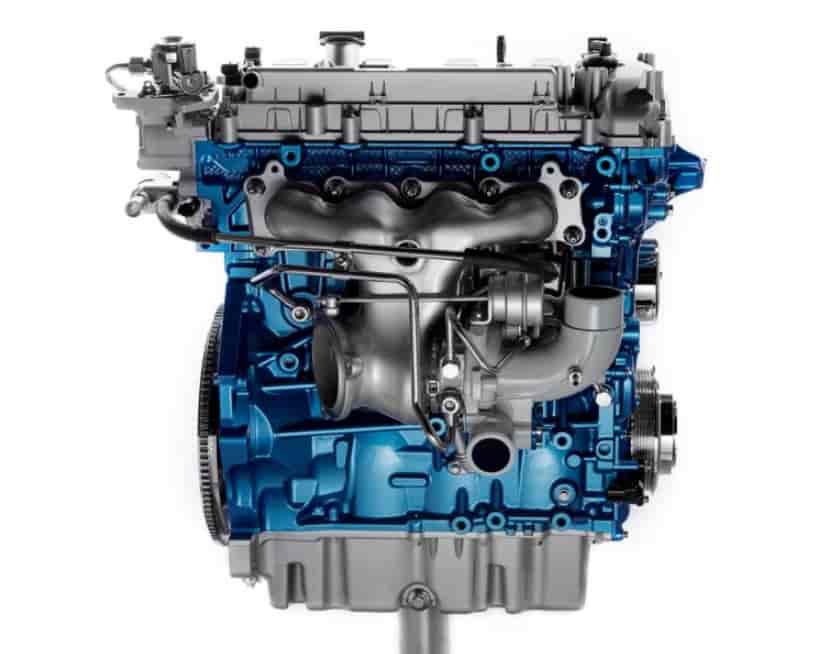
The Ford EcoBoost Engine Recall has raised serious concerns among many Ford owners in recent years. The EcoBoost engine was created to deliver strong performance while improving fuel efficiency. Ford used this turbocharged engine in many popular vehicles, which made it a core part of the brand’s modern lineup. As more drivers relied on this technology, reports of engine problems began to appear.
Many owners started to notice warning signs such as engine overheating, white smoke from the exhaust, or sudden loss of power. These issues often pointed to a deeper mechanical problem inside the engine. Investigations later revealed that some EcoBoost engines allowed coolant to leak into the cylinders. This defect could damage internal engine components and lead to serious failure if drivers ignored the problem.
Because of these risks, Ford announced the Ford EcoBoost Engine Recall for several vehicles equipped with specific EcoBoost engines. The recall aims to identify affected cars and provide the necessary repairs before the problem becomes severe.
For vehicle owners, understanding the recall is extremely important. Drivers need to know whether their car is affected and what steps they should take next. In this guide, you will learn which Ford models are included in the recall, what caused the EcoBoost engine issues, and what Ford owners should do to protect their vehicles.
Contents
- What Is the Ford EcoBoost Engine Recall
- Affected Models in the Ford EcoBoost Engine Recall
- What Caused the Ford EcoBoost Engine Recall
- Symptoms of the EcoBoost Engine Problem
- How to Check If Your Ford Vehicle Is Affected
- What Ford Owners Should Do After the Recall
- Is the EcoBoost Engine Still Reliable
- Conclusion
What Is the Ford EcoBoost Engine Recall
The Ford EcoBoost Engine Recall refers to a safety action that Ford issued after engineers discovered potential defects in certain EcoBoost engines. These engines power many popular Ford vehicles. The recall focuses on problems that could lead to overheating, coolant leaks, and in some cases serious engine damage.
Ford introduced the EcoBoost engine to deliver strong performance with better fuel efficiency. The technology combines turbocharging with direct fuel injection. This design helps smaller engines produce more power while using less fuel. Because of these benefits, Ford installed EcoBoost engines in a wide range of vehicles, including SUVs, sedans, and compact trucks.
However, some EcoBoost engines developed a serious flaw. In certain models, coolant could leak into the engine cylinders. This issue is often called coolant intrusion. When coolant enters the cylinders, it can damage internal engine components and cause overheating. Drivers may notice warning signs such as rough engine performance, white smoke from the exhaust, or sudden power loss.
As customer complaints increased, engineers and safety investigators began to study the problem. Their findings showed that specific engine designs and manufacturing factors could allow coolant to reach areas where it should not be. Because the issue could lead to engine failure, Ford issued the Ford EcoBoost Engine Recall to inspect and repair affected vehicles.
The recall allows dealerships to examine the engine and apply the recommended fix. In some cases technicians update engine components or replace damaged parts. This process helps reduce the risk of major engine failure and improves overall vehicle safety.
Affected Models in the Ford EcoBoost Engine Recall
The Ford EcoBoost Engine Recall affects several Ford vehicles that use specific EcoBoost engines. Ford installed these engines in many popular models because they offer strong performance and good fuel efficiency. However, some versions developed issues related to coolant intrusion and overheating. As a result, certain vehicles required inspection and repair.
One of the most commonly mentioned models is the Ford Escape. Many Escape vehicles equipped with smaller EcoBoost engines reported coolant leakage problems. This issue could lead to engine overheating and potential engine failure if drivers ignored the warning signs.
Another vehicle connected to the recall is the Ford Edge. Some Edge models with turbocharged EcoBoost engines experienced similar cooling system problems. Owners reported symptoms such as loss of power, rough engine performance, and warning lights appearing on the dashboard.
The Ford Fusion is also among the vehicles discussed in connection with EcoBoost engine issues. Several Fusion models equipped with turbocharged engines developed coolant intrusion that affected long term engine reliability.
Ford also installed EcoBoost engines in newer vehicles such as the Ford Bronco Sport and the Ford Maverick. These models use compact turbocharged engines designed for efficiency and performance. While most vehicles operate normally, Ford continues to monitor potential engine concerns to maintain safety and reliability.
In addition to Ford branded vehicles, some luxury models from Lincoln also use EcoBoost technology. For example, the Lincoln Corsair includes a turbocharged EcoBoost engine. This shows how widely the engine platform appears across Ford Motor Company vehicles.
Vehicle owners should understand that not every model or production year is affected. The Ford EcoBoost Engine Recall usually targets specific manufacturing periods and engine configurations. The best way to confirm whether a vehicle is included is to check the vehicle identification number through Ford’s official recall system.
What Caused the Ford EcoBoost Engine Recall
Several technical issues led to the Ford EcoBoost Engine Recall. Engineers discovered that certain EcoBoost engines could develop internal defects over time. These defects often involved the cooling system and the engine’s internal design. When these problems appeared together, they could damage critical engine components.
One of the main causes involved coolant intrusion. In some engines, coolant could leak into the cylinders through small cracks or gaps in the engine structure. The cooling system normally controls engine temperature and prevents overheating. When coolant enters the cylinders, it disrupts the combustion process and can damage pistons, spark plugs, and cylinder walls.
This problem often begins with small design or manufacturing weaknesses in the cylinder head or engine block. Over time, pressure and heat inside the engine can expand these weak points. As the engine continues to run, coolant may slowly move into areas where it should never reach.
Another contributing factor involves engine overheating. Once coolant intrusion begins, the cooling system cannot regulate temperature correctly. The engine may run hotter than normal, which increases stress on internal components. Continued driving under these conditions can lead to severe engine damage.
Drivers often notice early symptoms before a major failure occurs. These signs may include white smoke from the exhaust, rough engine performance, engine misfires, or frequent overheating warnings. Some drivers also report sudden loss of power while driving. These symptoms usually indicate that the engine requires immediate inspection.
Ford issued the Ford EcoBoost Engine Recall to address these risks and prevent further damage. The recall allows technicians to inspect the engine and apply the necessary repair. In some cases, dealerships may replace damaged parts or update engine components to improve durability.
Understanding the root cause of the recall helps vehicle owners recognize the warning signs early. Quick action can reduce repair costs and protect the engine from long term damage.
Symptoms of the EcoBoost Engine Problem
Many drivers began to investigate the Ford EcoBoost Engine Recall after they noticed unusual engine behavior. Early symptoms often appear before serious damage occurs. Recognizing these warning signs can help owners take action quickly and prevent major engine failure.
One of the most common symptoms is engine overheating. Drivers may see the temperature gauge rise higher than normal or receive an overheating warning on the dashboard. This problem often appears when the cooling system cannot regulate temperature correctly due to coolant intrusion.
Another warning sign is white smoke coming from the exhaust. This smoke may appear during startup or while driving. It usually indicates that coolant has entered the combustion chamber and is burning along with fuel. When this happens, the engine cannot operate normally and performance may decline.
Loss of power is another symptom many drivers report. The engine may feel weaker during acceleration or struggle to maintain normal speed. In some cases the vehicle may enter a protective mode to prevent further damage. This situation often occurs when the engine control system detects abnormal conditions.
Drivers may also notice rough engine performance. The engine might shake, vibrate, or produce irregular sounds. Misfires can occur when coolant affects the spark plugs or combustion process. These misfires reduce efficiency and place additional stress on internal components.
In some vehicles, the check engine light appears on the dashboard. This warning light signals that the engine management system has detected a problem. While the light does not always confirm coolant intrusion, it often appears alongside other symptoms linked to the Ford EcoBoost Engine Recall.
Drivers who notice any of these signs should schedule an inspection as soon as possible. Early diagnosis can help technicians identify the problem and apply the correct repair before serious engine damage develops.
How to Check If Your Ford Vehicle Is Affected
If you own a Ford vehicle with a turbocharged engine, it is important to verify whether your car is part of the Ford EcoBoost Engine Recall. Many drivers remain unaware that their vehicle may require inspection or repair. Fortunately, Ford provides simple ways for owners to check their recall status.
The most reliable method is to check the Vehicle Identification Number, commonly known as the VIN. Every vehicle has a unique VIN that identifies its production details. Owners can enter this number into Ford’s official recall lookup system to see if their vehicle appears in the Ford EcoBoost Engine Recall database. The VIN usually appears on the driver side dashboard near the windshield or inside the driver door frame.
Another option is to contact an authorized dealership directly. Technicians at dealerships such as Ford Motor Company service centers can quickly check the vehicle record using the VIN. They can confirm whether the vehicle qualifies for inspection or repair under the recall program.
Drivers can also review official recall notices issued by safety regulators. In the United States, the National Highway Traffic Safety Administration maintains a public recall database. Owners can search the database using their VIN or vehicle model information to identify active recalls.
If a vehicle appears in the recall system, the next step is to schedule an inspection at an authorized dealership. Recall repairs usually occur at no cost to the owner because the manufacturer covers the repair expenses. Technicians will inspect the engine and apply the recommended fix if necessary.
Checking the recall status only takes a few minutes, yet it can prevent serious engine damage. Owners who confirm their vehicle status early can resolve potential problems before they develop into costly mechanical failures.
What Ford Owners Should Do After the Recall
If your vehicle appears in the Ford EcoBoost Engine Recall, you should take action as soon as possible. A recall does not always mean the engine has already failed. However, it indicates that the vehicle may develop a serious problem if technicians do not inspect and repair it.
The first step is to schedule an appointment with an authorized dealership from Ford Motor Company. Dealership technicians have the training and diagnostic tools required to evaluate EcoBoost engines. They can confirm whether the vehicle shows early signs of coolant intrusion or other internal issues.
During the inspection, technicians examine the engine and cooling system. They may check for coolant leaks, unusual combustion behavior, or damage inside the cylinders. If they detect a defect linked to the Ford EcoBoost Engine Recall, they will apply the recommended repair procedure.
In many cases the repair process includes replacing certain engine components or installing updated parts. These improvements help reduce the risk of coolant entering the cylinders. The goal is to restore safe engine operation and improve long term reliability.
Vehicle owners should also pay attention to any unusual symptoms after the recall repair. If the engine shows warning signs such as overheating, white exhaust smoke, or rough performance, drivers should return to the dealership for another inspection. Quick follow up can prevent additional damage.
The good news for most owners is that recall repairs usually come at no cost. Manufacturers issue recalls to correct safety issues, so the repair expenses are normally covered by the company. This policy allows drivers to resolve potential engine defects without paying for expensive repairs.
Taking the recall seriously helps protect both the vehicle and its passengers. Owners who respond quickly can reduce the risk of engine failure and maintain the reliability of their EcoBoost powered vehicle.
Is the EcoBoost Engine Still Reliable
Many drivers started questioning the reliability of EcoBoost engines after news about the Ford EcoBoost Engine Recall spread widely. Since the EcoBoost engine appears in many Ford vehicles, owners naturally want to know whether the technology remains dependable for long term use.
The EcoBoost engine itself is not inherently unreliable. Ford designed this engine to deliver strong performance while improving fuel efficiency. By combining turbocharging with direct fuel injection, the engine produces more power than traditional engines of similar size. Because of these advantages, millions of drivers continue to use EcoBoost powered vehicles every day.
However, certain engine versions experienced design weaknesses that led to coolant intrusion and overheating issues. These problems affected specific models and production periods rather than the entire EcoBoost lineup. For this reason, the Ford EcoBoost Engine Recall targets particular vehicles rather than all Ford models equipped with EcoBoost engines.
Ford engineers have also improved the engine design in newer generations. Updated manufacturing processes and revised cooling system components help reduce the risk of coolant leaks inside the engine. These improvements aim to increase durability and maintain the performance benefits that EcoBoost technology offers.
Automotive experts often recommend regular maintenance to keep turbocharged engines in good condition. Drivers should monitor coolant levels, follow scheduled service intervals, and respond quickly to any warning signs such as overheating or rough engine operation. Preventive maintenance plays an important role in protecting the engine from long term damage.
For buyers considering a Ford vehicle, the EcoBoost engine can still be a strong option when properly maintained. Many owners report reliable performance for years without major issues. Understanding the recall and addressing any related repairs can help ensure that the engine continues to operate safely and efficiently.
Conclusion
The Ford EcoBoost Engine Recall highlights the importance of monitoring vehicle safety and responding quickly to potential mechanical issues. While EcoBoost engines provide strong performance and improved fuel efficiency, certain models developed problems related to coolant intrusion and engine overheating. These defects created risks that required immediate attention from the manufacturer.
Ford responded by identifying affected vehicles and issuing a recall to inspect and repair the engines. This process allows technicians to correct the issue before it causes serious engine damage. Owners who verify their vehicle status and complete the recall repair can greatly reduce the risk of future mechanical failure.
Drivers should remain aware of common warning signs linked to EcoBoost engine problems. Symptoms such as engine overheating, white smoke from the exhaust, or sudden loss of power may indicate that the engine requires professional inspection. Early action often prevents costly repairs and helps maintain vehicle reliability.
For most drivers, the best step is simple. Check the VIN, confirm whether the vehicle appears in the Ford EcoBoost Engine Recall, and schedule an inspection if necessary. Taking a few minutes to verify recall status can protect both the vehicle and its passengers.
By staying informed and responding to recalls promptly, Ford owners can continue to enjoy the performance and efficiency that EcoBoost engines were designed to deliver.