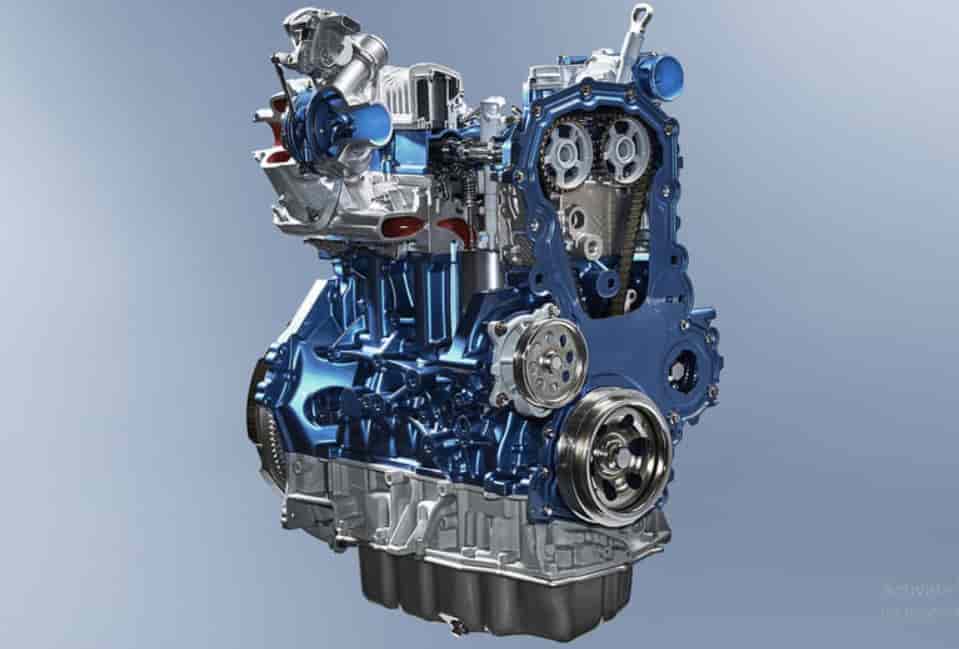
The Ford EcoBlue engine is popular for its fuel efficiency and strong performance in modern diesel vehicles. Despite these advantages, it can experience several problems that every owner should know about. Many drivers encounter unexpected issues that lead to costly repairs or reduced engine efficiency. Ignoring these problems can result in severe damage over time.
This guide highlights the most common Ford EcoBlue engine problems. Each issue is explained with its causes and practical solutions. We also cover the expected repair costs, helping you plan and avoid surprises. Whether you are a current owner facing engine trouble or considering a vehicle with this engine, these insights are essential.
Recognizing early warning signs can prevent major failures. Regular maintenance and timely fixes extend engine life and ensure reliable performance. Understanding these problems allows you to make informed decisions about repairs and preventive care. With the right knowledge, you can protect your vehicle from unnecessary expenses and stress. This guide provides clear, actionable advice for keeping your Ford EcoBlue engine in top condition and maintaining a smooth driving experience.
Contents
Diesel Particulate Filter (DPF) Issues
One of the most common Ford EcoBlue engine problems involves the Diesel Particulate Filter. The DPF is designed to capture soot and other particles from exhaust gases. Over time, it can become clogged, reducing engine performance and fuel efficiency. Drivers may notice warning lights on the dashboard, reduced acceleration, or increased fuel consumption when this happens.
Clogging often occurs due to frequent short trips that prevent the filter from reaching the temperature needed for automatic regeneration. Poor-quality diesel fuel or excessive idling can also contribute to buildup. Ignoring DPF issues can lead to costly repairs or even damage to the turbocharger.
Solutions include performing a forced regeneration at a service center or using professional cleaning services to remove soot accumulation. Regularly driving at higher engine loads, as recommended by Ford, can also help maintain the DPF. Replacing the filter may be necessary in severe cases, and costs can range from moderate to high depending on the vehicle model and service location.
Preventive maintenance is key to avoiding DPF problems. Using quality diesel fuel, scheduling regular check-ups, and following driving guidelines can extend filter life. Understanding how the DPF works and recognizing early warning signs allows owners to address issues before they become serious. By taking proactive steps, you can prevent performance loss and maintain the reliability of your Ford EcoBlue engine.
EGR Valve Failures
The Exhaust Gas Recirculation valve, or EGR valve, is another common source of Ford EcoBlue engine problems. Its main function is to reduce nitrogen oxide emissions by recirculating a portion of exhaust gases back into the engine. Over time, soot and carbon deposits can accumulate, causing the valve to stick or malfunction.
Symptoms of EGR valve failure include rough idling, loss of engine power, increased fuel consumption, and even the appearance of a check engine light. In severe cases, the engine may enter a limp mode to prevent further damage. Causes often include poor fuel quality, excessive short trips, and delayed maintenance. Ignoring these issues can lead to reduced engine efficiency and higher repair costs.
Solutions involve cleaning the valve or replacing it if the damage is severe. Regular maintenance, including the use of high-quality diesel and occasional longer drives to burn off deposits, can prevent EGR problems. Repair costs vary depending on the severity of the failure and labor rates but are generally moderate.
Understanding the function of the EGR valve and recognizing early warning signs allows owners to act quickly. Taking preventive steps can maintain engine performance and reduce the risk of unexpected breakdowns. Proper care ensures that your Ford EcoBlue engine remains reliable and efficient for years.
Turbocharger Problems
Turbocharger issues are a frequent concern for Ford EcoBlue engine owners. The turbocharger increases engine power and efficiency by forcing more air into the combustion chamber. Over time, wear and tear, soot buildup, or oil contamination can cause the turbo to fail or lose performance.
Common symptoms include a noticeable loss of power, excessive smoke from the exhaust, unusual whining noises, or delayed acceleration. Causes often involve insufficient maintenance, oil leaks, or driving habits that do not allow the engine to reach optimal operating temperature. Ignoring turbo problems can result in more serious engine damage and higher repair costs.
Solutions include regular inspection, cleaning, or replacing the turbocharger when necessary. Ensuring timely oil changes and using high-quality oil reduces the risk of turbo failure. Repair costs can be significant, particularly if the turbo is severely damaged or if related engine components are affected.
Preventive maintenance is essential to avoid turbocharger issues. Monitoring engine performance, recognizing early warning signs, and following Ford’s maintenance recommendations help protect the turbo. By acting promptly, owners can maintain engine efficiency, improve fuel economy, and ensure the long-term reliability of their Ford EcoBlue engine.
Fuel Injector Malfunctions
Fuel injector malfunctions are another common issue in Ford EcoBlue engines. The injectors are responsible for delivering precise amounts of diesel into the combustion chamber. Over time, they can become clogged, leak, or wear out, affecting engine performance.
Symptoms of faulty fuel injectors include rough idling, poor acceleration, excessive smoke, and increased fuel consumption. In some cases, the engine may misfire or struggle to start. Common causes include low-quality fuel, carbon buildup, and insufficient maintenance. Ignoring injector problems can lead to severe engine damage and costly repairs.
Solutions include cleaning the injectors, using fuel additives to prevent buildup, or replacing damaged injectors. Regular maintenance and using high-quality diesel fuel can significantly reduce the risk of injector failure. Repair costs vary depending on the number of injectors affected and labor rates, but addressing problems early is always cheaper than waiting for severe damage.
Understanding fuel injector function and recognizing warning signs helps prevent major issues. Following maintenance recommendations and monitoring engine performance allows owners to maintain smooth operation, fuel efficiency, and the long-term reliability of their Ford EcoBlue engine. Acting promptly ensures a safe and efficient driving experience.
Timing Chain Stretching
Timing chain stretching is a serious issue that can affect the performance of Ford EcoBlue engines. The timing chain synchronizes the rotation of the crankshaft and camshaft, ensuring proper engine timing. Over time, wear and insufficient lubrication can cause the chain to stretch, leading to timing problems.
Symptoms include unusual engine noises, rough running, misfires, and reduced acceleration. In severe cases, engine performance may drop dramatically, and ignoring the problem can result in extensive damage. Common causes include low oil levels, delayed oil changes, and normal wear over many miles.
Solutions include inspecting the timing chain regularly, replacing worn components, and following proper oil maintenance schedules. Early detection is critical, as repair costs increase significantly if the chain causes internal engine damage. Timing chain replacement is generally more expensive than preventive maintenance but can save the engine from catastrophic failure.
Understanding how the timing chain works and monitoring engine performance helps prevent severe issues. Following Ford’s maintenance recommendations and addressing unusual sounds or performance changes quickly ensures the longevity and reliability of the EcoBlue engine. Proper care reduces the risk of costly repairs and keeps the vehicle running smoothly.
Oil Leakage and Consumption
Oil leakage and excessive consumption are common problems in Ford EcoBlue engines. Leaks can occur from gaskets, seals, or oil pans, while high consumption may result from worn piston rings or valve guides. Both issues can reduce engine performance and cause long-term damage if not addressed promptly.
Symptoms include low oil levels, blue smoke from the exhaust, unusual engine noises, and frequent need for oil top-ups. Causes often involve normal wear, poor maintenance, or using low-quality engine oil. Ignoring oil problems can lead to overheating, increased friction, and even complete engine failure.
Solutions involve locating and repairing leaks, replacing faulty seals or gaskets, and monitoring oil levels regularly. Using high-quality oil and adhering to the recommended oil change intervals significantly reduces risk. Repair costs vary depending on the source of the leak and the severity of damage, but addressing the problem early is always more cost-effective.
Understanding oil system function and monitoring for leaks or unusual consumption helps prevent major engine issues. Timely maintenance protects performance, prolongs engine life, and ensures the reliability of the Ford EcoBlue engine. Regular checks and proper care maintain smooth operation and prevent costly repairs.
Sensor Failures
Sensor failures are another issue that can affect the performance of Ford EcoBlue engines. The engine relies on various sensors, such as the MAF, MAP, and oxygen sensors, to monitor air, fuel, and exhaust conditions. When a sensor malfunctions, the engine control unit receives incorrect data, which can cause poor performance.
Symptoms include rough idling, engine hesitation, increased fuel consumption, and the check engine light appearing on the dashboard. Common causes involve sensor wear, dirt or soot buildup, and exposure to extreme temperatures. Ignoring faulty sensors can lead to decreased fuel efficiency, higher emissions, and potential engine damage.
Solutions include diagnosing the faulty sensor with proper equipment, cleaning sensors if possible, or replacing damaged ones. Regular maintenance and timely inspection help prevent sensor failures. Repair costs vary depending on the sensor type and labor, but addressing problems early prevents more serious damage.
Understanding the role of sensors and recognizing early warning signs allows owners to maintain engine performance. Following recommended maintenance schedules and addressing issues promptly ensures the Ford EcoBlue engine remains reliable, efficient, and safe to drive. Regular monitoring helps prevent unexpected breakdowns and costly repairs.
Conclusion
Understanding Ford EcoBlue engine problems is essential for every owner. Common issues such as DPF clogging, EGR valve failures, turbocharger wear, fuel injector malfunctions, timing chain stretching, oil leaks, and sensor failures can affect performance, fuel efficiency, and reliability. Recognizing early warning signs and addressing them promptly can prevent costly repairs and extend engine life.
Regular maintenance is the key to avoiding most of these problems. Using high-quality diesel fuel, following oil change schedules, monitoring engine performance, and performing recommended inspections help keep the engine in optimal condition. Awareness of potential costs allows owners to plan for repairs without financial surprises.
Whether you already own a Ford EcoBlue vehicle or are considering one, understanding these issues equips you with the knowledge to protect your investment. By taking preventive measures and acting quickly when problems arise, you can enjoy reliable performance, improved fuel efficiency, and a smoother driving experience. Staying informed about common engine problems ensures your vehicle remains safe and efficient for years. Proper care and attention allow you to avoid unexpected breakdowns and maintain the long-term value of your Ford EcoBlue engine.