Fuel efficiency has become one of the most important factors drivers consider when choosing a modern vehicle. Rising fuel prices and stricter environmental standards have forced automakers to develop smarter engine technologies that can reduce fuel consumption without sacrificing performance. Many drivers want a powerful engine that can deliver strong acceleration, but they also expect better fuel economy during everyday driving. This challenge has pushed manufacturers to rethink how internal combustion engines operate under different driving conditions.
One of the most innovative solutions developed by Ford Motor Company is Ford Cylinder Deactivation. This technology allows an engine to temporarily stop using some of its cylinders when full power is not necessary. Instead of running at maximum capacity all the time, the engine automatically adjusts its operation based on the driver’s demand and road conditions. When the vehicle is cruising at a steady speed or operating under light load, the system shuts down selected cylinders to reduce fuel consumption.
Many drivers are curious about how Ford Cylinder Deactivation works and whether it has any impact on engine reliability or driving performance. Understanding this technology can help vehicle owners see why modern engines are becoming both more efficient and more intelligent. In this guide, we will explore how Ford Cylinder Deactivation functions and why it plays an important role in improving fuel efficiency in modern vehicles.
Contents
What Is Ford Cylinder Deactivation?
Ford Cylinder Deactivation is an engine technology that improves fuel efficiency by reducing the number of active cylinders during low demand driving. Traditional engines keep all cylinders running whenever the vehicle operates. This approach delivers steady power but also consumes more fuel than necessary in many driving situations.
Ford engineers developed Ford Cylinder Deactivation to solve this problem. The system allows the engine to run on fewer cylinders when full power is not required. For example, a vehicle cruising at a constant highway speed does not need maximum engine output. In this situation, the system temporarily shuts down selected cylinders.
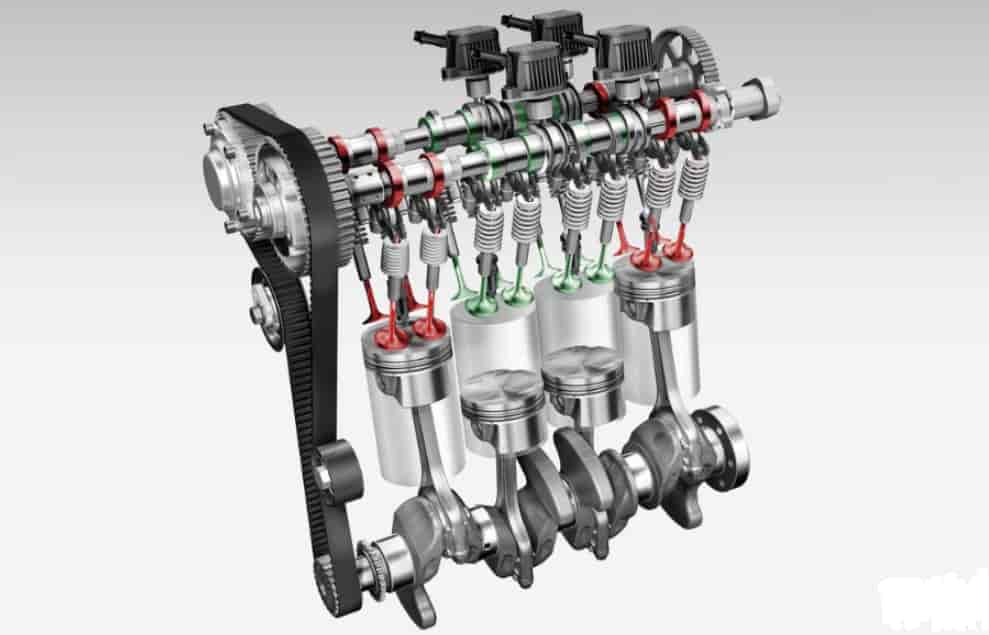
The engine control unit constantly analyzes driving conditions. It monitors throttle input, vehicle speed, and engine load. When the system detects light load conditions, it turns off fuel injection in specific cylinders. At the same time, it closes the intake and exhaust valves for those cylinders. This process prevents fuel from entering the cylinder and stops combustion.
The remaining cylinders continue generating enough power to keep the vehicle moving smoothly. When the driver presses the accelerator or the vehicle climbs a hill, the system instantly reactivates all cylinders.
This technology appears in several modern engines developed by Ford Motor Company. It plays an important role in improving efficiency in larger vehicles such as the Ford F-150. By adjusting the number of active cylinders, Ford Cylinder Deactivation helps drivers reduce fuel consumption without losing engine performance.
Ford Cylinder Deactivation is an engine technology that improves fuel efficiency by reducing the number of active cylinders during low demand driving. Traditional engines keep all cylinders running whenever the vehicle operates. This approach delivers steady power but also consumes more fuel than necessary in many driving situations.
Ford engineers developed Ford Cylinder Deactivation to solve this problem. The system allows the engine to run on fewer cylinders when full power is not required. For example, a vehicle cruising at a constant highway speed does not need maximum engine output. In this situation, the system temporarily shuts down selected cylinders.
The engine control unit constantly analyzes driving conditions. It monitors throttle input, vehicle speed, and engine load. When the system detects light load conditions, it turns off fuel injection in specific cylinders. At the same time, it closes the intake and exhaust valves for those cylinders. This process prevents fuel from entering the cylinder and stops combustion.
The remaining cylinders continue generating enough power to keep the vehicle moving smoothly. When the driver presses the accelerator or the vehicle climbs a hill, the system instantly reactivates all cylinders.
This technology appears in several modern engines developed by Ford Motor Company. It plays an important role in improving efficiency in larger vehicles such as the Ford F-150. By adjusting the number of active cylinders, Ford Cylinder Deactivation helps drivers reduce fuel consumption without losing engine performance.
How Ford Cylinder Deactivation Works
Ford Cylinder Deactivation works through a smart combination of sensors, software, and mechanical components inside the engine. The system constantly evaluates how much power the vehicle needs at any moment. When the driver demands less power, the system reduces the number of active cylinders to save fuel.
The process begins with the engine control unit. This computer monitors several factors such as throttle position, engine speed, vehicle load, and road conditions. When the vehicle cruises at a steady speed or moves on a flat road, the system detects that the engine does not need full power.
At this moment, the system activates Ford Cylinder Deactivation. It stops fuel injection in selected cylinders and prevents the valves from opening. Without fuel and air entering the combustion chamber, those cylinders stop producing power. The pistons continue moving, but combustion no longer occurs in those cylinders.
The remaining cylinders continue operating normally and provide enough power to maintain vehicle speed. Because fewer cylinders burn fuel, the engine uses less gasoline during light load driving. This process improves overall efficiency without affecting normal driving behavior.
When the driver presses the accelerator or the vehicle faces a heavier load, the system reacts immediately. The engine control unit restores fuel injection and valve operation in the inactive cylinders. Within milliseconds, the engine returns to full cylinder operation. Most drivers never notice this transition because the system works smoothly and automatically.
This technology appears in several modern engines developed by Ford Motor Company. It helps large vehicles maintain strong performance while improving efficiency. A well known example is the engine used in the Ford F-150, where Ford Cylinder Deactivation supports better fuel economy during highway driving.
Why Ford Cylinder Deactivation Improves Fuel Efficiency
Ford Cylinder Deactivation improves fuel efficiency by reducing unnecessary fuel consumption during light load driving. Many vehicles spend a large portion of time cruising at steady speeds or driving on flat roads. In these situations, the engine does not need to produce maximum power. However, a traditional engine still uses all cylinders, which leads to wasted fuel.
Ford Cylinder Deactivation solves this problem by allowing the engine to operate with fewer active cylinders. When the system detects low power demand, it shuts down selected cylinders and allows the remaining cylinders to handle the workload. Because fewer cylinders burn fuel, the engine consumes less gasoline.
Another important factor is reduced pumping loss. When all cylinders operate under low load, the engine must still pull air through every intake valve. This process requires energy and reduces efficiency. Ford Cylinder Deactivation reduces this loss by limiting the number of active cylinders. The active cylinders then operate under higher load, which improves combustion efficiency.
Better combustion efficiency also plays a key role in fuel savings. Engines operate more efficiently when cylinders work closer to their optimal load range. When fewer cylinders remain active, each cylinder produces more useful work from the fuel it burns. This improves overall engine efficiency during cruising conditions.
This approach allows engines developed by Ford Motor Company to balance power and efficiency. Large vehicles such as the Ford F-150 benefit greatly from this technology because trucks often travel long distances at steady speeds. Ford Cylinder Deactivation helps these vehicles reduce fuel consumption while maintaining the performance drivers expect.
Benefits of Ford Cylinder Deactivation
Ford Cylinder Deactivation offers several important benefits for modern drivers. The most obvious advantage is improved fuel economy during everyday driving. Many vehicles spend long periods cruising at steady speeds on highways or open roads. In these situations, the engine does not require maximum power. Ford Cylinder Deactivation reduces the number of active cylinders and lowers fuel consumption.
Another major benefit is lower emissions. When the engine burns less fuel, it also produces fewer exhaust emissions. This helps vehicles meet stricter environmental standards around the world. Automakers continue to search for ways to reduce emissions while maintaining strong engine performance. Ford Cylinder Deactivation plays an important role in this effort.
Drivers also benefit from improved overall engine efficiency. The system allows the engine to operate closer to its optimal load range during light driving conditions. This improves combustion efficiency and reduces energy loss inside the engine. As a result, the vehicle uses fuel more effectively without sacrificing performance.
Many drivers worry that turning cylinders on and off might affect engine power. In reality, Ford Cylinder Deactivation activates all cylinders again when the driver demands more acceleration. The transition happens quickly and smoothly. Most drivers never notice when the system switches between operating modes.
Vehicles developed by Ford Motor Company use this technology to balance power and efficiency. Larger vehicles benefit the most because they often require strong engines. For example, the Ford F-150 combines strong towing capability with improved fuel economy through technologies such as Ford Cylinder Deactivation.
Are There Any Drawbacks or Reliability Concerns?
Some drivers wonder if Ford Cylinder Deactivation could affect engine reliability over time. This concern is understandable because the system adds extra complexity to engine operation. However, modern engine management systems carefully control the activation and deactivation process.
The engine control unit monitors driving conditions in real time. It ensures that cylinders deactivate only when the engine operates under light load. When conditions change, the system immediately restores normal cylinder operation. This process happens within milliseconds and maintains smooth engine performance.
Early cylinder deactivation systems in the automotive industry sometimes created vibration or noise under certain conditions. Modern designs have improved significantly. Engineers use advanced sensors, software, and engine mounts to maintain smooth operation during cylinder transitions.
Maintenance practices also play an important role in long term reliability. Regular oil changes and proper engine maintenance help ensure that the system continues to operate correctly. When drivers follow recommended service schedules, Ford Cylinder Deactivation functions as intended and provides consistent efficiency benefits.
Overall, the technology aims to improve efficiency without compromising engine durability. Vehicles produced by Ford Motor Company undergo extensive testing to ensure that systems such as Ford Cylinder Deactivation perform reliably in real world driving conditions.
Conclusion
Ford Cylinder Deactivation represents an important step in the evolution of modern engine technology. As fuel prices continue to rise and environmental regulations become stricter, automakers must find smarter ways to improve efficiency. Instead of relying only on smaller engines or hybrid systems, engineers have developed technologies that allow traditional engines to operate more intelligently.
Ford Cylinder Deactivation achieves this goal by allowing the engine to adjust its operation based on real driving conditions. When the vehicle does not need full power, the system temporarily reduces the number of active cylinders. This simple but effective approach lowers fuel consumption while maintaining smooth driving performance.
Drivers benefit from better fuel economy during highway cruising and everyday commuting. At the same time, the engine still delivers strong performance when acceleration or heavy load demands more power. This balance between efficiency and performance has become a key focus for modern vehicle design.
Automakers such as Ford Motor Company continue to improve engine technology to meet future challenges. Vehicles like the Ford F-150 show how innovations such as Ford Cylinder Deactivation can deliver both capability and efficiency. As engine technology evolves, systems that intelligently manage power and fuel use will remain essential for the next generation of vehicles.