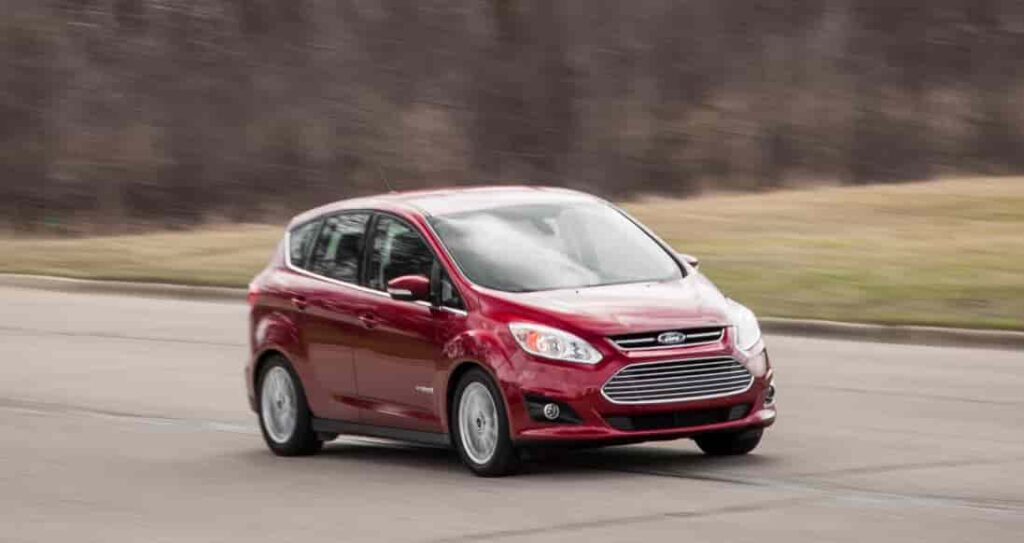
The Ford C Max Hybrid was once promoted as a practical and fuel efficient alternative for drivers who wanted hybrid technology without moving to a sedan. On paper, it promised strong fuel economy, a comfortable interior, and lower ownership costs over time. However, as more vehicles aged and accumulated mileage, many owners began reporting recurring Ford C Max Hybrid problems that did not always appear during early ownership.
What makes these issues especially concerning is that most of them develop gradually. Owners often describe a smooth experience during the first years, followed by unexpected warning lights, drivability changes, or rising maintenance costs later on. This pattern has caused uncertainty for used car buyers who are trying to determine whether the Ford C Max Hybrid remains a reliable choice in the long run.
This article focuses on the most common Ford C Max Hybrid problems owners report over time, based on long term use rather than isolated incidents. Instead of exaggerating worst case scenarios, the goal is to explain how these problems emerge, why they become more noticeable as the vehicle ages, and what they mean for everyday ownership. By understanding these recurring issues clearly, readers can make more informed decisions, whether they already own a Ford C Max Hybrid or are considering buying one on the used market.
Contents
Hybrid Battery Problems
Hybrid battery issues remain one of the most common Ford C Max Hybrid problems reported by long term owners. As the vehicle ages, many drivers notice a steady decline in electric performance. The car relies more on the gasoline engine, even during light city driving where electric mode once dominated.
Early signs of battery degradation often appear subtle. Owners frequently mention shorter electric range and reduced fuel efficiency. These changes develop slowly, which makes them easy to ignore during the first stages. Over time, warning messages related to the hybrid system begin to appear more often. These alerts usually disappear and return, which creates confusion and delays proper diagnosis.
Repair costs increase concern for many owners. While Ford originally offered generous hybrid battery warranties, older models often fall outside coverage. When replacement becomes necessary, the price shocks many drivers. Compared to standard maintenance items, battery replacement represents a major financial decision. This cost factor strongly influences how owners evaluate long term reliability.
Battery related Ford C Max Hybrid problems also affect other systems. A weakened battery forces the engine and drivetrain to work harder. This added stress can accelerate wear across the hybrid system. As a result, battery degradation often marks the beginning of broader reliability concerns rather than a single isolated issue.
Transmission and Drivetrain Issues
Transmission related complaints form another major group of Ford C Max Hybrid problems reported over time. The vehicle uses an electronic continuously variable transmission designed to work smoothly with the hybrid system. In real world use, many owners describe behavior that feels inconsistent or unpredictable.
One common complaint involves hesitation during acceleration. Drivers often notice a delay when pressing the accelerator, especially at low speeds. In traffic, this response creates frustration and reduces confidence behind the wheel. Some owners also report jerking or sudden changes in power delivery. These symptoms tend to worsen as mileage increases.
Noise represents another concern linked to the drivetrain. Whining or humming sounds sometimes appear during steady driving or light acceleration. While these noises do not always indicate immediate failure, they raise concerns about long term durability. Owners frequently struggle to determine whether the issue relates to software calibration or mechanical wear.
Over time, these transmission and drivetrain problems affect overall reliability. Frequent software updates may improve drivability, but they do not always resolve underlying complaints. As the vehicle ages, many owners accept these issues as part of daily use. For used car buyers, understanding these patterns helps set realistic expectations for ownership.
Electrical System Problems
Electrical faults represent some of the most frustrating Ford C Max Hybrid problems owners report over time. Many drivers describe warning lights that appear without clear explanation. These alerts often disappear after a restart, which makes diagnosis difficult and time consuming.
Battery drain issues also receive frequent attention. Some owners report a weak 12 volt battery even when the hybrid battery appears healthy. This problem can trigger multiple system warnings and lead to unexpected no start situations. Replacing the small battery may offer temporary relief, but the issue sometimes returns.
Infotainment and control systems add another layer of complexity. Screens may freeze, reboot, or respond slowly to input. While these problems may seem minor, they affect daily usability and driver confidence. Over time, repeated electrical glitches create the impression of declining build quality.
What makes electrical system problems more serious is their unpredictable nature. A single fault can influence multiple systems at once. Owners often spend time and money chasing symptoms rather than solving the root cause. As the vehicle ages, these electrical issues become more frequent and harder to ignore.
Brake System and Regenerative Braking Complaints
Brake related concerns appear regularly in discussions about Ford C Max Hybrid problems over time. Many owners focus on how the braking system feels rather than outright failure. The transition between regenerative braking and traditional friction brakes often feels uneven, especially at low speeds.
Drivers frequently describe a grabby or inconsistent brake response. In stop and go traffic, this behavior makes smooth braking difficult. Some owners need time to adjust their driving style, but others report that the issue never fully disappears. This lack of predictability affects confidence, particularly for new drivers.
Wear patterns also raise concern. Although regenerative braking should reduce brake wear, some owners report faster than expected pad and rotor replacement. This outcome creates confusion and frustration, especially when maintenance costs exceed initial expectations. Over time, repeated brake service adds to overall ownership expense.
Safety perception plays an important role in how drivers judge brake problems. Even when the system functions within design limits, unusual brake feel causes doubt. As the vehicle ages, these braking complaints contribute to the broader view that some Ford C Max Hybrid problems relate more to driving experience than mechanical failure.
Cooling System and Engine Related Problems
Cooling system concerns represent another group of Ford C Max Hybrid problems that often appear later in ownership. Hybrid vehicles place extra demand on cooling components because both the engine and electric systems generate heat. As these parts age, the cooling system must work harder to maintain safe operating temperatures.
Many owners report overheating warnings during extended driving or warm weather. These alerts may force the vehicle into a reduced power mode. While this behavior protects the engine, it also disrupts normal driving. Some drivers notice the issue occurs more frequently as mileage increases.
Engine related complaints also emerge over time. Rough engine start ups and increased noise appear more often in higher mileage vehicles. In some cases, the engine runs longer than expected because the hybrid system relies less on electric power. This change affects fuel economy and driving comfort.
When cooling performance declines, problems rarely remain isolated. Heat stress can affect sensors, hoses, and electronic components. As a result, cooling and engine related Ford C Max Hybrid problems often signal broader aging issues rather than a single failed part.
Software, Recalls, and Ford Updates
Software plays a central role in how the Ford C Max Hybrid operates. Many Ford C Max Hybrid problems link directly to software calibration rather than mechanical failure. As the vehicle ages, outdated software can create new drivability concerns or amplify existing issues.
Owners often report multiple dealership visits for software updates. These updates aim to improve hybrid performance, transmission behavior, and warning system accuracy. In some cases, updates resolve problems quickly. In others, improvements remain temporary, and symptoms return after more driving.
Recalls also shape owner experience over time. Ford has issued recalls related to safety systems, electrical components, and hybrid operation. While recalls address known defects, they also highlight recurring problem areas. Some owners express frustration when recall repairs fail to fully eliminate warning messages or performance changes.
Frequent updates create mixed feelings among long term owners. Software support shows ongoing manufacturer involvement, but repeated adjustments reduce confidence. For used car buyers, understanding software history and recall coverage helps clarify whether reported Ford C Max Hybrid problems reflect resolved issues or ongoing concerns.
Reliability Over Time
Reliability concerns grow more noticeable as the Ford C Max Hybrid accumulates years of use. Many owners report that problems rarely appear all at once. Instead, small issues build gradually and begin to overlap. This pattern shapes how drivers perceive long term dependability.
After several years, maintenance visits become more frequent. Electrical warnings, brake complaints, and drivability changes often appear together. While each issue may seem manageable alone, combined problems increase stress and ownership cost. Owners often describe this stage as the point where the vehicle feels less predictable.
Mileage also plays a critical role in reliability. Higher mileage vehicles tend to rely more on the gasoline engine, which increases wear on mechanical components. At the same time, aging hybrid parts lose efficiency. This shift reduces fuel savings and changes the driving experience many owners valued early on.
Despite these concerns, not every owner reports severe failure. Some drivers manage long term use through regular maintenance and timely updates. Still, reliability over time remains one of the most important Ford C Max Hybrid problems to consider, especially for buyers evaluating older models.
Conclusion: Are Ford C Max Hybrid Problems a Deal Breaker
Ford C Max Hybrid problems tend to develop slowly rather than appear suddenly. Many owners enjoy reliable performance during early ownership, then face growing concerns as the vehicle ages. Battery wear, electrical faults, braking behavior, and drivability changes often combine over time. This pattern explains why long term ownership reviews vary so widely.
For some drivers, these problems do not outweigh the benefits. The vehicle still offers good fuel efficiency, practical space, and a comfortable ride. Owners who maintain the car carefully and address issues early often report acceptable reliability. In these cases, the Ford C Max Hybrid remains a reasonable choice.
For others, the accumulation of issues becomes difficult to ignore. Rising maintenance costs and unpredictable warnings reduce confidence. Used car buyers face the greatest risk, especially with older models or higher mileage examples. Understanding common Ford C Max Hybrid problems helps set realistic expectations before purchase.
In the end, these problems are not always deal breakers, but they demand careful evaluation. Buyers and owners who understand what to expect over time can make smarter decisions and avoid costly surprises.