Are Ford Bronco engine problems something you should really worry about in 2025, or are they just overblown concerns circulating online? Since its highly anticipated return, the Ford Bronco has quickly become one of the most talked about SUVs in the off road segment. Its rugged design, powerful EcoBoost engines, and impressive trail capability make it a dream vehicle for adventure seekers. However, behind that bold image lies a growing concern that many buyers cannot ignore: engine reliability.
For many owners and potential buyers, the fear is not just about performance but about unexpected breakdowns, expensive repairs, and long term durability. No one wants to invest in a vehicle only to face engine failure within the first few years. Questions like whether the 2.3L engine is more reliable than the 2.7L V6, or how serious these issues actually are, continue to surface across forums and reviews.
This guide on Ford Bronco engine problems will walk you through the most common issues, their root causes, and the most effective fixes available today. Whether you already own a Bronco or are planning to buy one, understanding these problems can help you avoid costly mistakes and make a smarter decision in 2025.
Contents
- What Engine Options Does the Ford Bronco Use
- Most Common Ford Bronco Engine Problems
- What Causes Ford Bronco Engine Problems
- Warning Signs You Should Never Ignore
- How to Fix Ford Bronco Engine Problems
- Repair Costs Breakdown (2025)
- Ford Bronco Engine Problems by Model Year
- Is the Ford Bronco Engine Reliable in 2025
- Conclusion
What Engine Options Does the Ford Bronco Use
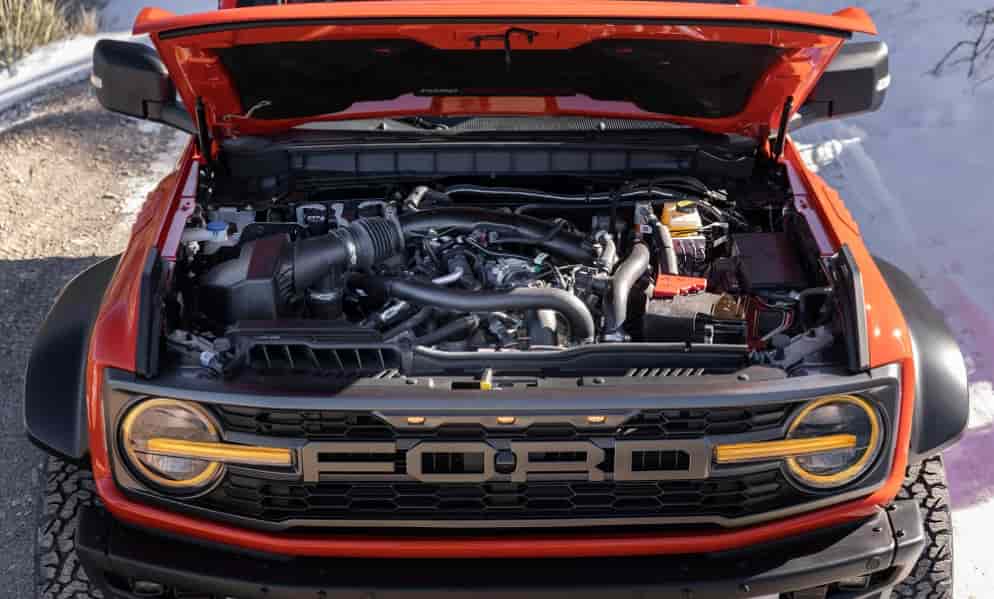
To understand Ford Bronco engine problems, you first need to know the two main engine options. Each engine offers a different driving experience. More importantly, each comes with its own risks and potential issues.
The first option is the 2.3 liter EcoBoost inline four engine. This engine is a practical choice for most drivers. It delivers solid power and better fuel efficiency than the larger engine. Many owners prefer it because it is simpler and cheaper to maintain over time. However, Ford Bronco engine problems can still appear. Some drivers report carbon buildup, turbo lag, and overheating during heavy off road use. These issues are not widespread, but poor maintenance can make them worse.
The second option is the 2.7 liter EcoBoost V6 engine. This engine focuses on performance. It provides stronger acceleration and better capability on rough terrain. Many off road enthusiasts choose it for that reason. However, this engine is more closely linked to serious Ford Bronco engine problems. Early models from 2021 and 2022 had major issues. Some vehicles experienced valve failure and even complete engine breakdown. These problems raised concerns among buyers, especially those choosing higher trims.
Choosing between these engines is not only about power. It also depends on how much risk you are willing to accept. When you understand how each engine performs in real conditions, you can better avoid costly Ford Bronco engine problems.
Most Common Ford Bronco Engine Problems
Understanding the most common Ford Bronco engine problems will help you avoid serious damage and costly repairs. While the Bronco offers strong performance and off road capability, some engine related issues have raised concerns among owners. Below are the most reported problems you should not ignore.
Engine Failure in 2.7L EcoBoost V6
One of the most serious Ford Bronco engine problems involves sudden engine failure in the 2.7 liter V6 engine. This issue mostly affected early models, especially from 2021. Some owners reported complete engine breakdown without much warning. In many cases, the root cause was linked to faulty valves inside the engine.
This problem created major concern because it often required a full engine replacement. The cost can be extremely high if the vehicle is no longer under warranty. Although Ford has addressed this issue in later models, it remains one of the biggest risks associated with the Bronco.
Valve Issues and Dropped Valves
Valve failure is closely related to the engine failure problem. In some cases, valves inside the engine can crack or break. When this happens, the valve may drop into the cylinder and cause severe internal damage.
Drivers may notice unusual ticking noises, loss of power, or rough engine performance before the issue becomes critical. Ignoring these warning signs can lead to complete engine destruction. This makes valve issues one of the most dangerous Ford Bronco engine problems.
Engine Knocking Noise
Engine knocking is another issue that some Bronco owners have reported. This sound often comes from improper combustion inside the engine. It may happen due to low quality fuel, carbon buildup, or incorrect timing.
While light knocking may not seem serious at first, it can lead to long term damage if left untreated. Drivers should take this symptom seriously and diagnose it early to avoid more expensive repairs later.
Oil Leaks and Excessive Oil Consumption
Oil related problems are also common in some Ford Bronco models. These include oil leaks and higher than normal oil consumption. In some cases, drivers may not notice the issue until the oil level becomes dangerously low.
Low oil levels can increase engine wear and lead to overheating or internal damage. Regular checks and timely oil changes can help prevent this problem from becoming severe.
Engine Overheating
Overheating is a critical issue, especially for drivers who use the Bronco in off road conditions. Heavy loads, high temperatures, and slow speed driving can put extra stress on the cooling system.
If the engine temperature rises too high, it can damage key components and reduce engine life. Signs of overheating include warning lights, reduced performance, and unusual smells. Addressing cooling system issues early can prevent long term damage.
What Causes Ford Bronco Engine Problems
To deal with Ford Bronco engine problems effectively, you need to understand their root causes. Most issues do not appear randomly. They often result from a mix of design limitations, usage conditions, and maintenance habits. When you identify these causes early, you can reduce the risk of serious damage.
One major cause is manufacturing defects in early production models. The 2021 and some 2022 Broncos faced quality control issues, especially in the 2.7 liter V6 engine. Faulty valves and internal component weaknesses led to several reported engine failures. Although Ford improved production in later years, these early defects still affect many vehicles on the road today.
Another key factor is turbocharger stress. Both Bronco engines use turbocharging to increase performance. While this improves power, it also adds pressure and heat inside the engine. If you drive aggressively or push the vehicle hard during off road trips, the engine experiences more stress. Over time, this can lead to wear in critical components and increase the likelihood of Ford Bronco engine problems.
Poor maintenance habits also play a major role. Skipping oil changes, using low quality fuel, or ignoring early warning signs can quickly turn minor issues into major failures. Many engine problems could be avoided if owners followed proper maintenance schedules and used recommended fluids.
Driving conditions are another important factor. The Ford Bronco is built for off road adventures, but extreme environments can accelerate engine wear. Driving through mud, sand, or steep terrain puts extra load on the engine. High temperatures and slow crawling speeds can also affect cooling performance, increasing the risk of overheating.
In many cases, Ford Bronco engine problems do not come from a single cause. They develop when multiple factors combine over time. By understanding these causes, you can take proactive steps to protect your engine and avoid expensive repairs.
Warning Signs You Should Never Ignore
Recognizing early warning signs can help you prevent serious Ford Bronco engine problems before they become costly failures. Many engine issues do not happen instantly. They develop over time and give clear signals. If you act early, you can save thousands in repair costs and avoid unexpected breakdowns.
One of the most common signs is engine knocking or unusual noises. If you hear a ticking, knocking, or rattling sound, your engine may have internal stress or improper combustion. This issue often links to fuel quality, carbon buildup, or valve problems. Ignoring these sounds can lead to severe damage.
Another important sign is a sudden loss of power. If your Bronco feels weaker during acceleration or struggles under load, something may be wrong inside the engine. This can relate to turbo issues, airflow restrictions, or internal wear. A quick inspection can prevent the problem from getting worse.
Smoke from the exhaust is also a serious warning. Blue smoke often indicates oil burning inside the engine. White smoke may point to coolant leaks. Both cases suggest internal damage that requires immediate attention. Delaying repairs can lead to complete engine failure.
The check engine light is another signal you should never ignore. Many drivers continue using the vehicle when this light appears. This is a risky decision. The system detects problems early, even before you notice physical symptoms. A simple diagnostic scan can reveal hidden Ford Bronco engine problems.
You should also watch for overheating signs. Rising temperature gauges, warning lights, or unusual smells can indicate cooling system issues. Overheating can damage engine components quickly and reduce the lifespan of your vehicle.
Paying attention to these warning signs gives you a clear advantage. Instead of reacting to major Ford Bronco engine problems, you can prevent them before they escalate.
How to Fix Ford Bronco Engine Problems
Fixing Ford Bronco engine problems requires the right approach and timing. Some issues are simple and easy to handle. Others demand professional repair. Knowing what to do in each situation can save you time, money, and stress.
Start with basic maintenance. Regular oil changes are essential for engine health. Use high quality oil and follow the recommended service intervals. Clean oil reduces friction and prevents overheating. You should also check coolant levels and replace air filters when needed. These simple steps can prevent many common Ford Bronco engine problems before they start.
Next, focus on early diagnostics. If you notice warning signs such as strange noises or reduced performance, do not ignore them. Use an OBD2 scanner to identify error codes. This helps you detect problems early and take action quickly. Early diagnosis often leads to cheaper and easier repairs.
For more serious issues, professional repair becomes necessary. Valve problems, turbocharger damage, or internal engine wear require expert attention. Certified mechanics have the tools and experience to fix these problems safely. Trying to handle complex repairs without proper knowledge can make the situation worse.
In some cases, parts replacement is the best solution. Replacing faulty valves, worn turbo components, or damaged seals can restore engine performance. While this may seem expensive at first, it is often cheaper than dealing with complete engine failure later.
If the engine is severely damaged, replacement may be the only option. This is the most costly fix, but it can bring the vehicle back to full working condition. Many owners choose this option when repair costs become too high or when damage spreads across multiple components.
Preventive care remains the most effective strategy. When you maintain your vehicle properly and respond quickly to issues, you can minimize the impact of Ford Bronco engine problems and extend the life of your engine.
Repair Costs Breakdown (2025)
Understanding the cost of fixing Ford Bronco engine problems is essential before you decide to repair or replace anything. For many owners, the biggest concern is not just the issue itself, but how much it will cost to fix it. Engine repairs can quickly become expensive, especially if problems are detected late.
For minor issues, the cost is usually manageable. Basic fixes such as oil changes, sensor replacements, or diagnostic checks typically range from 100 to 500 dollars. These are common maintenance tasks that help prevent more serious Ford Bronco engine problems. Acting early at this stage can save you a significant amount of money.
Moderate repairs are more expensive and often involve parts replacement. This includes fixing oil leaks, replacing turbo components, or addressing cooling system issues. In most cases, you can expect to pay between 1,000 and 3,000 dollars. These repairs require more labor and technical expertise, which increases the total cost.
Serious engine problems come with a much higher price. Issues like valve failure or internal engine damage can cost anywhere from 3,000 to 5,000 dollars or more. In some cases, the damage is so severe that repairing the engine is no longer practical.
Engine replacement is the most expensive scenario. The total cost can exceed 5,000 dollars and may go much higher depending on parts and labor. For many owners, this becomes a difficult decision. Should you invest in a new engine or consider selling the vehicle?
Warranty coverage can reduce these costs significantly. Many early Ford Bronco engine problems were covered under manufacturer warranty, especially for models affected by known defects. However, once the warranty expires, all repair costs fall on the owner.
The key takeaway is simple. The earlier you detect and fix Ford Bronco engine problems, the lower your costs will be. Delaying repairs often leads to more serious damage and higher expenses.
Ford Bronco Engine Problems by Model Year
Ford Bronco engine problems can vary depending on the model year. Understanding these differences helps you make a smarter buying decision and avoid high risk versions. Not all Broncos have the same level of reliability, especially when you compare early releases to newer models.
The 2021 Ford Bronco is the most problematic model year. This was the first year after the Bronco returned to the market. Many vehicles experienced serious engine issues, especially with the 2.7 liter V6 engine. Reports of valve failure and sudden engine breakdown created major concern among owners. These problems were often linked to manufacturing defects. If you are considering a used Bronco, this is the model year you need to inspect very carefully.
The 2022 Ford Bronco showed some improvement, but it was not completely free from issues. Ford addressed several early production problems, yet some engine related concerns still appeared. While failure rates decreased, buyers remained cautious. This model year sits in a middle ground. It is more reliable than 2021, but not as refined as later versions.
The 2023 Ford Bronco marked a turning point in reliability. By this time, Ford had resolved many of the earlier engine defects. Both the 2.3 liter and 2.7 liter engines became more stable. Reports of major engine failure dropped significantly. Owners started to gain more confidence in the vehicle.
The 2024 and 2025 Ford Bronco models continue this trend of improvement. These newer versions benefit from updated manufacturing processes and better quality control. Engine performance remains strong, and serious Ford Bronco engine problems are far less common. While no vehicle is completely free from issues, these models offer much better long term reliability.
If you want to reduce risk, newer model years are the safer choice. However, even older Broncos can perform well if they have proper maintenance and no history of major engine problems. Checking service records and inspection reports is always a smart move before buying.
Is the Ford Bronco Engine Reliable in 2025
After reviewing all the common Ford Bronco engine problems, one key question remains. Is the engine actually reliable in 2025, or should you be concerned before buying?
The answer depends on the model year and how the vehicle is used. Early models, especially from 2021, had clear reliability issues. Problems like valve failure and engine breakdown affected buyer confidence. However, Ford has made steady improvements since then. Newer models from 2023 onward show much better performance and fewer serious issues.
The 2.3 liter EcoBoost engine is generally seen as the more reliable option. It has a simpler design and fewer reports of major failure. For daily driving and moderate off road use, this engine offers a good balance between performance and durability. On the other hand, the 2.7 liter V6 engine delivers more power, but it carries a higher risk, especially in earlier versions. That said, newer versions of the V6 have become more stable after production updates.
When compared to competitors like the Jeep Wrangler, the Ford Bronco stands in a competitive position. Both vehicles have strengths and weaknesses. The Bronco offers modern engineering and strong turbocharged performance, while the Wrangler has a longer track record of durability. In recent years, the reliability gap between the two has become smaller.
Overall, Ford Bronco engine problems should not automatically stop you from buying this vehicle. If you choose a newer model, maintain it properly, and respond early to warning signs, the engine can be reliable for long term use. The key is to stay informed and make a decision based on real data rather than fear.
Conclusion
Ford Bronco engine problems have become a major concern for many buyers, but they do not tell the whole story. While early models, especially from 2021, faced serious issues like valve failure and engine breakdown, newer versions have shown clear improvements. Ford has addressed many of these problems through better manufacturing and updated components, making the Bronco more reliable in 2025.
The key takeaway is not to avoid the Ford Bronco entirely, but to understand it better. Choosing the right engine, selecting a reliable model year, and following proper maintenance can significantly reduce your risk. Most Ford Bronco engine problems become severe only when early warning signs are ignored or maintenance is delayed.
If you are considering buying a Bronco, focus on newer models or ensure that older ones have a clean service history. Pay attention to symptoms, act early when issues appear, and do not overlook regular maintenance. These steps can help you avoid costly repairs and extend the life of your vehicle.
So, is the Ford Bronco still worth it despite these engine concerns? For many drivers, the answer is yes. With the right knowledge and preparation, you can enjoy its performance and capability without facing major problems.
Would you still choose the Ford Bronco after learning about these engine problems?