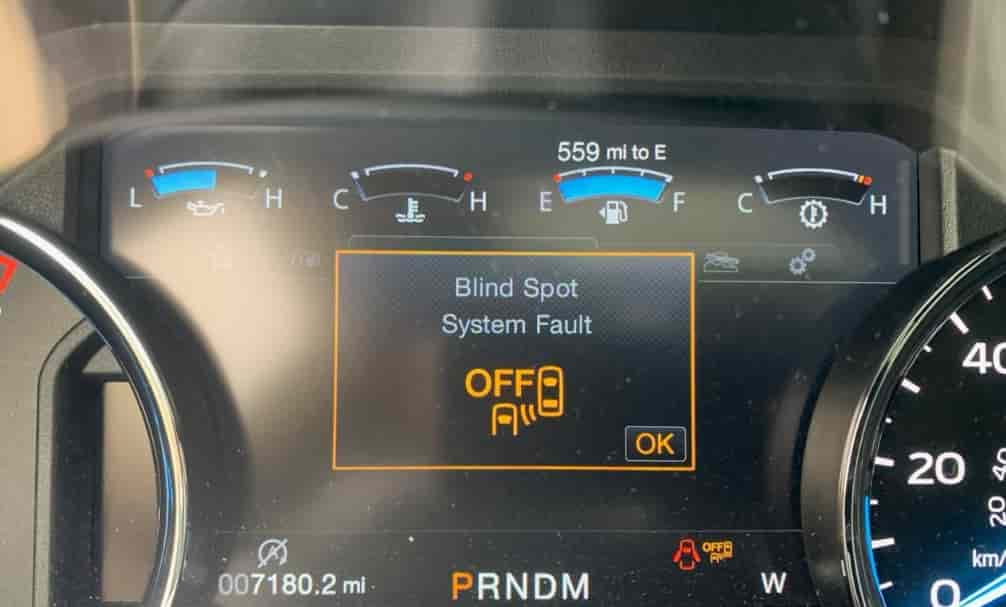
Driving a Ford vehicle offers advanced safety features designed to make every journey safer, but even the most reliable systems can encounter problems. One common issue that worries many Ford owners is the Ford Blind Spot System Fault. When this system malfunctions, it can reduce driver confidence, increase the risk of accidents during lane changes, and create uncertainty on busy roads. Understanding why this fault happens is essential for keeping your vehicle safe and reliable. In this article, we will explore the main causes of a Ford Blind Spot System Fault, helping you identify potential problems early before they escalate into costly repairs or safety hazards.
We will also guide you through effective methods to diagnose and fix the system, from simple resets and software updates to sensor replacements. Additionally, the article highlights the safety risks of ignoring a Ford Blind Spot System Fault, providing actionable tips to maintain proper functionality. Whether you are a long-time Ford driver or recently purchased a new model, knowing how to handle this fault ensures that you remain in full control and enjoy the advanced safety features your vehicle offers. By following these insights, you can protect yourself, your passengers, and your vehicle while minimizing stress and repair costs.
Contents
Common Causes of Ford Blind Spot System Fault
The Ford Blind Spot System helps drivers detect vehicles in their blind spots, but several issues can trigger a Ford Blind Spot System Fault. A frequent cause is faulty sensors. Dirt, debris, and harsh weather can reduce sensor accuracy or stop them from working. Regular cleaning and inspection can prevent many problems, while physical damage from minor collisions or road debris may require sensor replacement.
Software glitches or outdated firmware often cause a Ford Blind Spot System Fault. The system uses software to read sensor data and alert the driver. If the software is outdated or contains bugs, it may give false warnings or fail to detect vehicles. Electrical problems, such as damaged wiring or CAN bus errors, can also stop the system from functioning. Drivers should pay attention to unusual behavior, like inconsistent alerts or missing notifications.
Environmental conditions can affect the system as well. Heavy rain, snow, ice, or fog can temporarily block sensors and cause alerts to appear or disappear. Although these issues are usually temporary, repeated exposure can wear out sensors and lead to long-term faults. Knowing these common causes helps drivers diagnose and fix a Ford Blind Spot System Fault quickly, keeping the vehicle safe and reliable.
How to Diagnose a Ford Blind Spot System Fault
Diagnosing a Ford Blind Spot System Fault begins with paying attention to warning signals. The system usually alerts drivers through dashboard icons or audible warnings. If you notice inconsistent alerts, missing notifications, or unusual behavior, it may indicate a fault. Checking these signs early can prevent more serious problems and keep your vehicle safe.
Using an OBD-II scanner helps identify specific error codes. These codes provide precise information about the affected sensors or software components. Once you read the codes, you can determine whether the issue stems from a sensor, wiring, or software problem. Some scanners also allow you to reset the system after minor issues, which may resolve the fault temporarily or permanently.
Inspecting sensors and wiring physically is another important step. Look for dirt, debris, or physical damage that could interfere with sensor performance. Ensure the connectors and wiring are intact and properly connected. Environmental factors such as ice, snow, or mud can also temporarily block sensors, so cleaning them regularly is essential. By combining visual inspection with error code analysis, you can accurately diagnose most Ford Blind Spot System Faults before seeking professional repair.
Fixes and Solutions for Ford Blind Spot System Fault
Fixing a Ford Blind Spot System Fault starts with simple troubleshooting. Begin by cleaning all sensors to remove dirt, mud, or ice that may block detection. Ensure that nothing physically obstructs the sensors, as even small debris can cause false alerts or system failure.
Updating the vehicle’s software or firmware often resolves faults caused by glitches or outdated programs. Check for updates through your Ford dealership or official software channels. Resetting the system after an update can help restore proper functionality and clear minor errors.
If the fault persists, inspect wiring and connections. Damaged wires or loose connectors can prevent the system from working correctly. Replacing broken components usually solves the problem. In cases where sensors or wiring are damaged, professional service at a Ford dealership is recommended. Certified technicians can diagnose the exact cause and replace parts safely.
Regular maintenance helps prevent future faults. Clean sensors, update software, and check wiring periodically to ensure the Ford Blind Spot System remains reliable. Addressing issues promptly keeps the system working properly, protects drivers and passengers, and reduces long-term repair costs. Following these steps ensures that your vehicle’s safety features function as intended.
Safety Risks of Ignoring a Ford Blind Spot System Fault
Ignoring a Ford Blind Spot System Fault can create serious safety risks. The system is designed to alert drivers to vehicles in blind spots, and a malfunction may prevent timely warnings during lane changes. Missing these alerts increases the likelihood of collisions and endangers both drivers and passengers.
Accidents caused by blind spot faults can lead to costly vehicle repairs, medical expenses, and insurance claims. Drivers who rely solely on the system may overestimate their situational awareness and fail to check mirrors manually. Even experienced drivers face higher risks if the system does not function properly.
Environmental conditions can make the fault more dangerous. Heavy traffic, poor weather, or night driving amplifies the risk when alerts are unreliable. Temporary sensor blockage from rain, snow, or ice may already trigger false alerts, but ignoring a persistent fault prolongs exposure to potential hazards. Regular inspection, maintenance, and timely repairs are crucial. Recognizing warning signs and addressing them early ensures that the Ford Blind Spot System remains a reliable safety feature, protecting everyone on the road.
Conclusion
A Ford Blind Spot System Fault can compromise both safety and driving confidence, but understanding the causes, diagnosing the issue, and applying proper fixes can prevent accidents and costly repairs. Faults often stem from dirty or damaged sensors, outdated software, or electrical issues, and recognizing early warning signs is essential for effective troubleshooting. Performing regular maintenance, keeping sensors clean, updating software, and addressing wiring problems promptly ensures the system functions reliably.
Ignoring a Ford Blind Spot System Fault increases the risk of collisions, especially during lane changes or in poor weather conditions. Drivers should never rely solely on the system and should combine its alerts with careful mirror checks and awareness of surrounding traffic. Professional inspection and repair are recommended when faults persist, guaranteeing that all components operate as intended.
By following these steps, Ford owners can maintain the full benefits of their vehicle’s safety features, protect passengers, and reduce long-term repair costs. Staying proactive about the Ford Blind Spot System Fault ensures a safer driving experience and peace of mind on every journey.