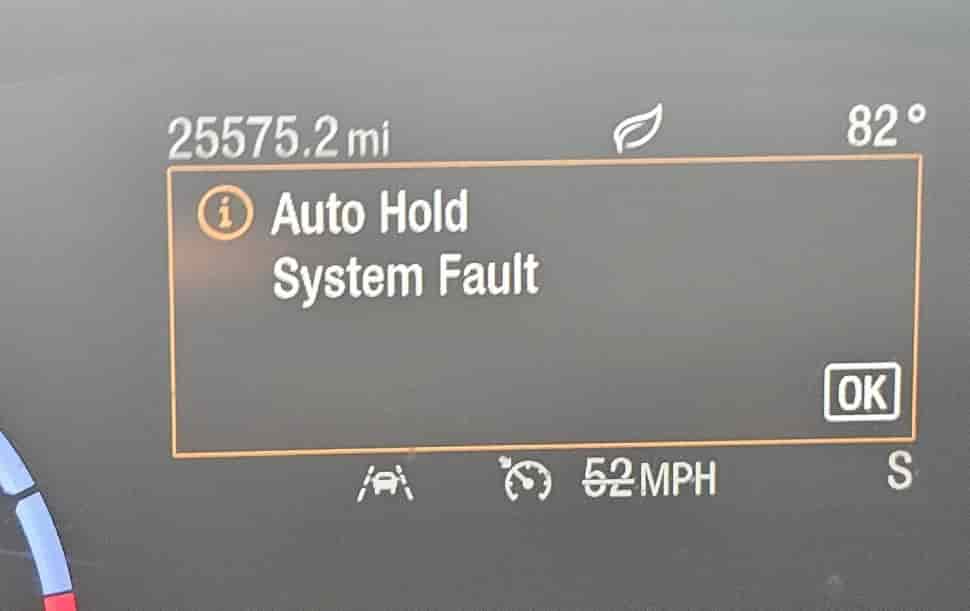
Seeing the warning “Ford Auto Hold System Fault” on your dashboard can be alarming for any Ford owner. This feature is designed to make driving safer and more convenient by keeping your car stationary without constantly pressing the brake pedal. When it malfunctions, it can cause frustration and raise safety concerns, especially in heavy traffic situations. Understanding why the fault occurs and how to address it is essential for maintaining both the performance of your vehicle and your peace of mind.
Several factors can trigger the Ford Auto Hold System Fault, ranging from simple sensor errors and low brake fluid to electrical issues and software glitches. Recognizing these causes early can prevent more serious problems and costly repairs. Many drivers ignore minor warnings, but proactive attention ensures your car continues to operate safely and reliably.
In this article, we will explore the most common causes of the Ford Auto Hold System Fault, step-by-step solutions to fix the issue, and essential safety tips to follow if the warning appears while driving. By understanding the underlying problems and proper responses, you can confidently manage your vehicle and maintain optimal performance. With the right knowledge, the Ford Auto Hold System Fault does not have to disrupt your driving experience.
Contents
Causes of Ford Auto Hold System Fault
The Ford Auto Hold System Fault can appear for several reasons, and understanding these causes is key to preventing further issues. One of the most common triggers is a sensor malfunction. The Auto Hold system relies on input from brake sensors and wheel speed sensors to keep the vehicle stationary. If a sensor fails or provides inaccurate readings, the system may detect a fault and display a warning. Low brake fluid is another frequent cause. The system depends on proper hydraulic pressure, and insufficient fluid can lead to the fault message appearing on the dashboard. Electrical problems, including wiring issues or a weak battery, can also disrupt the Auto Hold system. Faulty connections or voltage irregularities may prevent the system from functioning correctly, triggering the warning.
Software glitches are another factor that can lead to the Ford Auto Hold System Fault. Updates to the vehicle’s onboard computer or conflicts between modules can cause the system to misinterpret signals, resulting in an error. Environmental conditions, such as extreme cold or moisture, may also temporarily affect sensor performance and contribute to the fault. Additionally, wear and tear over time, such as worn brake pads or deteriorated components, can cause the system to detect inconsistencies and issue a warning.
Recognizing these causes allows drivers to take early action and address the problem before it escalates. Identifying whether the issue is a simple sensor error, low fluid, electrical fault, or software glitch can guide the decision to attempt a DIY fix or seek professional service. Being informed about the common triggers of the Ford Auto Hold System Fault ensures safer driving and helps maintain the vehicle’s reliability.
How to Fix Ford Auto Hold System Fault
When the Ford Auto Hold System Fault appears, there are several steps you can take to address the issue. One of the simplest methods is to restart your vehicle. Turning the car off and on again can reset the system and clear minor software glitches that trigger the fault warning. Checking the brake fluid level is also essential. If the fluid is low, topping it up with the recommended type can restore proper hydraulic pressure and resolve the error.
Inspecting the brake sensors is another effective approach. These sensors play a crucial role in the Auto Hold system, and any dirt, corrosion, or misalignment can cause the system to detect a fault. Cleaning or repositioning the sensors may solve the problem. Electrical issues, such as loose wiring or a weak battery, should also be evaluated. Ensuring all connections are secure and the battery is functioning correctly helps the system operate without errors.
For more complex faults, professional assistance is often necessary. A certified Ford service center can diagnose software conflicts, update modules, and replace malfunctioning components. While DIY fixes are helpful for minor issues, seeking expert help ensures the problem is resolved safely and effectively. Preventive maintenance, including regular brake inspections and software updates, can reduce the likelihood of the Ford Auto Hold System Fault appearing in the future. By following these steps, drivers can restore their vehicle’s Auto Hold functionality and maintain a safe driving experience.
Safety Tips Regarding Ford Auto Hold System Fault
Experiencing a Ford Auto Hold System Fault while driving can be unsettling, but knowing the right safety measures helps you stay in control. If the warning appears, keep your foot on the brake until you can safely stop the car. Avoid sudden accelerations or sharp turns because the system may not hold the vehicle stationary as intended. Pay extra attention on slopes or in traffic, as the Auto Hold function prevents unintentional rolling.
Perform regular maintenance to prevent issues. Check the brake fluid level, clean or inspect sensors, and secure electrical connections. Install Ford software updates promptly to avoid glitches that trigger the Auto Hold System Fault. Schedule periodic inspections at a certified service center to catch potential problems before they cause warnings.
Consider environmental factors while driving. Freezing temperatures or heavy rain can temporarily affect sensor performance. Adjust your driving to maintain control in these conditions. By following safety measures, performing preventive maintenance, and staying alert, you can manage the Ford Auto Hold System Fault confidently and maintain a safe driving experience.
Conclusion
The Ford Auto Hold System Fault can cause concern, but understanding its causes, fixes, and safety measures allows drivers to respond effectively. Most faults occur due to sensor issues, low brake fluid, electrical problems, or software glitches. Recognizing these triggers early helps prevent costly repairs and ensures the system works reliably. By performing simple checks, such as inspecting sensors, maintaining proper fluid levels, and updating software, drivers can often resolve minor issues themselves.
When problems persist, visiting a certified Ford service center ensures professional diagnosis and safe repairs. Following recommended maintenance schedules and addressing warnings promptly reduces the likelihood of repeated faults. In addition, adopting safe driving habits and adjusting for environmental conditions protects both the driver and passengers when the Auto Hold system encounters errors.
By combining awareness of the common causes, practical fixes, and preventive safety measures, you can manage the Ford Auto Hold System Fault with confidence. Paying attention to these factors keeps your vehicle functioning smoothly, maintains driving safety, and reduces stress on the road. Understanding the Ford Auto Hold System Fault empowers you to take control of your driving experience and enjoy the convenience this feature provides without worry.