The search term Ford 6.8 V8 Problems continues to attract attention from truck owners, RV drivers, and buyers who need a dependable heavy duty gasoline engine. Many people choose this engine for its strong torque and straightforward design. However, real world ownership often reveals issues that do not appear during short test drives or early use.
Ford installed the 6.8 V8 engine in Super Duty trucks, commercial vans, and motorhome platforms. These vehicles operate under heavy loads and demanding conditions. Owners expect the engine to perform reliably for long periods. When problems develop, they often affect fuel economy, drivability, and repair costs. Small issues can quickly turn into expensive repairs if drivers ignore early warning signs.
This article explains the most common Ford 6.8 V8 problems reported by owners and technicians. It focuses on what fails, what causes those failures, and how serious they can become over time. The guide also helps readers understand the difference between normal wear and symptoms that require immediate attention. If you own a Ford 6.8 V8 or plan to buy one, this information will help you avoid costly mistakes and make a smarter long term decision.
Contents
- Overview of the Ford 6.8 V8 Engine
- Spark Plug Blowout and Thread Failure
- Ignition Coil and Misfire Issues
- Excessive Oil Consumption
- Exhaust Manifold Cracks and Leaks
- Cooling and Overheating Problems Under Load
- What Causes These Ford 6.8 V8 Problems?
- Real Owner Experiences With Ford 6.8 V8 Problems
- Signs Your Ford 6.8 V8 Is Developing Serious Problems
- Are Ford 6.8 V8 Problems Expensive to Fix?
- Is the Ford 6.8 V8 Still Worth Buying Today?
- Conclusion
Overview of the Ford 6.8 V8 Engine
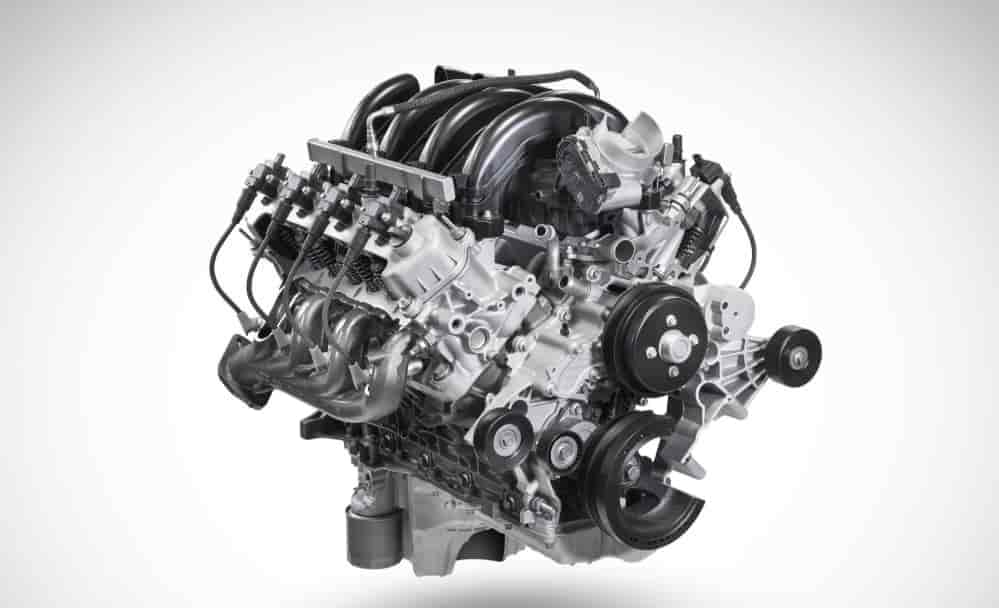
Ford developed the 6.8 V8 engine to meet the demands of heavy duty gasoline applications. The engine first appeared in Ford Super Duty trucks and later powered commercial vans and motorhome chassis. Ford designed it to deliver consistent torque rather than high horsepower, which makes it suitable for towing and long distance hauling.
The Ford 6.8 V8 uses a large displacement and a cast iron block to improve durability under load. Early versions featured a two valve per cylinder design, while later models adopted a three valve configuration. These design choices aimed to balance power output, fuel efficiency, and long term reliability. Many owners appreciate the engine for its simple layout and easier access for routine maintenance.
Despite its strengths, the Ford 6.8 V8 operates under conditions that place constant stress on internal components. Heavy payloads, frequent towing, and extended idle time increase heat and mechanical wear. Over time, these factors contribute to several well known Ford 6.8 V8 problems. Understanding how the engine works and how it gets used helps explain why certain failures appear more often than others.
Spark Plug Blowout and Thread Failure
Spark plug blowout ranks among the most widely reported Ford 6.8 V8 problems. Many owners describe a sudden loud pop followed by immediate loss of power. In some cases, the spark plug shoots out of the cylinder head and damages the ignition coil. This failure often surprises drivers because the engine may run normally just moments before it occurs.
The root cause comes from the cylinder head design used on earlier versions of the Ford 6.8 V8. These engines use a limited number of threads to secure each spark plug. Over time, heat cycles and vibration weaken the aluminum threads. Improper torque during installation can speed up this process. When the threads fail, the spark plug can no longer stay seated under combustion pressure.
Drivers often notice warning signs before a blowout happens. Ticking noises, rough idle, and misfires usually appear first. Some owners ignore these symptoms because the vehicle still drives. That decision often leads to more serious damage. A spark plug blowout can strip the threads completely and require costly thread repair or cylinder head replacement.
Repair costs vary based on the level of damage. Minor thread repairs cost significantly less than replacing a cylinder head. Many experienced owners choose preventive maintenance. Correct torque procedures and timely spark plug replacement reduce the risk of this problem and help extend engine life.
Ignition Coil and Misfire Issues
Ignition coil failure represents another common issue linked to Ford 6.8 V8 problems. Many owners report rough idle, hesitation during acceleration, and sudden drops in engine performance. These symptoms often appear gradually, which makes them easy to overlook during daily driving.
The ignition system on the Ford 6.8 V8 places each coil directly above the spark plug. This design improves efficiency but also exposes the coils to heat and vibration. When a spark plug loosens or leaks combustion pressure, the coil absorbs excess stress. Over time, this stress leads to internal damage and electrical failure. Moisture intrusion and worn insulation can also reduce coil lifespan.
Misfires caused by failing ignition coils affect more than engine smoothness. They reduce fuel efficiency and increase emissions. Prolonged misfires can damage catalytic converters, which adds significant repair cost. Many drivers replace coils one at a time, but uneven wear can cause repeated failures across multiple cylinders.
Experienced technicians often recommend addressing ignition coil problems early. Replacing worn spark plugs at the same time helps prevent repeat issues. Consistent maintenance protects the ignition system and limits the long term impact of this common Ford 6.8 V8 problem.
Excessive Oil Consumption
Excessive oil consumption stands out as a frequent concern among Ford 6.8 V8 owners, especially as mileage increases. Many drivers notice the oil level dropping between service intervals without visible leaks. This issue often causes confusion because the engine may still run smoothly during early stages.
Several mechanical factors contribute to oil consumption in the Ford 6.8 V8. Piston rings can wear over time and allow oil to enter the combustion chamber. High operating temperatures and constant heavy loads accelerate this wear. Extended idling, which is common in commercial and RV use, also plays a role by preventing proper ring sealing.
Drivers may observe blue smoke during cold starts or after long downhill descents. A burning oil smell and increased exhaust deposits also indicate internal oil loss. Ignoring these signs can lead to spark plug fouling, misfires, and reduced engine efficiency. Low oil levels increase internal friction and raise the risk of severe engine damage.
Owners can manage oil consumption with regular oil level checks and timely oil changes. Using the correct oil grade helps maintain proper lubrication. Early diagnosis prevents minor oil usage from developing into one of the more expensive Ford 6.8 V8 problems.
Exhaust Manifold Cracks and Leaks
Exhaust manifold cracks represent another common issue linked to Ford 6.8 V8 problems. Many owners first notice a ticking or tapping sound during cold starts. The noise often fades as the engine warms up, which leads some drivers to ignore the problem.
The exhaust manifold on the Ford 6.8 V8 experiences extreme temperature changes. Heavy towing and extended operation under load increase thermal stress. Over time, repeated heating and cooling cycles weaken the metal and cause cracks. Bolts can also loosen or break, which allows exhaust gases to escape.
A leaking exhaust manifold affects more than engine noise. Exhaust leaks reduce engine efficiency and can trigger oxygen sensor faults. Hot gases escaping near the cylinder head may damage nearby components. In enclosed spaces such as motorhome engine bays, heat buildup can become a serious concern.
Drivers should address exhaust manifold issues as soon as symptoms appear. Early repairs often involve replacing gaskets or damaged hardware. Delaying repairs can lead to warped manifolds and higher labor costs. Proper maintenance and prompt diagnosis help limit the impact of this common Ford 6.8 V8 problem.
Cooling and Overheating Problems Under Load
Cooling system stress often appears when the Ford 6.8 V8 operates under heavy load. Many owners report rising engine temperatures during towing, long uphill climbs, or extended highway driving with trailers. These conditions push the cooling system close to its limits.
The Ford 6.8 V8 generates significant heat during heavy duty use. Radiators, fans, and coolant passages must work efficiently to control temperature. Debris buildup, aging hoses, or a weak water pump can reduce cooling performance. High ambient temperatures and slow moving traffic further increase the risk of overheating.
Early warning signs include fluctuating temperature gauges and reduced engine power. Some vehicles activate protective modes to limit damage. Ignoring these symptoms can result in warped cylinder heads or head gasket failure. Overheating also accelerates oil breakdown and increases internal wear.
Owners can reduce overheating risk through regular cooling system inspections. Clean radiators, fresh coolant, and proper airflow play a key role. Monitoring engine temperature during heavy use helps prevent one of the most damaging Ford 6.8 V8 problems.
What Causes These Ford 6.8 V8 Problems?
Several underlying factors contribute to the most common Ford 6.8 V8 problems. Engine design plays an important role, especially in earlier versions that prioritize simplicity over long term durability. Limited thread depth, high operating temperatures, and tight engine packaging increase stress on key components.
Usage patterns also influence failure rates. Many Ford 6.8 V8 engines spend their lives towing heavy loads or powering RVs. Constant strain accelerates wear on ignition components, piston rings, and cooling system parts. Frequent idling and short trips prevent the engine from reaching optimal operating conditions, which leads to increased deposits and oil consumption.
Maintenance habits often determine how quickly problems appear. Delayed oil changes, incorrect spark plug installation, and neglected cooling system service allow small issues to grow. Drivers who address warning signs early usually experience fewer major failures.
Mileage remains a critical factor. As the engine accumulates miles, heat cycles and mechanical stress compound existing weaknesses. Understanding these root causes helps owners manage risks and reduce the long term impact of Ford 6.8 V8 problems.
Real Owner Experiences With Ford 6.8 V8 Problems
Real world ownership experiences reveal a wide range of opinions about the Ford 6.8 V8. Many truck and RV owners praise the engine for its strong torque and steady performance under load. Drivers who follow strict maintenance schedules often report reliable operation for many years.
Other owners share less positive experiences. Spark plug failures, ignition coil issues, and rising oil consumption frequently appear after mileage increases. Some drivers describe sudden repair costs that exceeded expectations. These problems often emerged after long periods of towing or commercial use.
Fleet operators provide valuable insight into long term durability. Vehicles that receive regular inspections and preventive repairs tend to avoid catastrophic failures. In contrast, units that operate continuously without proper downtime show higher rates of engine related problems. Heat management and oil level monitoring appear as common themes in both positive and negative reports.
Overall, owner experiences highlight an important pattern. The Ford 6.8 V8 rewards attentive maintenance but punishes neglect. Understanding these shared experiences helps buyers set realistic expectations and manage common Ford 6.8 V8 problems more effectively.
Signs Your Ford 6.8 V8 Is Developing Serious Problems
Early warning signs often appear before major Ford 6.8 V8 problems cause severe damage. Many drivers notice rough idling, reduced engine power, or hesitation during acceleration. These symptoms suggest ignition or fuel related issues that require prompt attention.
Unusual noises also indicate developing problems. Ticking sounds during cold starts may point to exhaust manifold leaks or loose spark plugs. Knocking or persistent rattling under load often signals internal wear. Changes in exhaust smell or visible smoke should never be ignored.
Rising engine temperatures provide another clear warning. Frequent overheating, even under moderate load, suggests cooling system stress. Sudden drops in fuel efficiency also signal underlying mechanical issues. Drivers may need to add oil more often, which indicates excessive oil consumption.
Addressing these signs early can prevent extensive repairs. Regular inspections and diagnostic checks help catch problems before they escalate. Recognizing these symptoms allows owners to manage Ford 6.8 V8 problems and protect long term engine reliability.
Are Ford 6.8 V8 Problems Expensive to Fix?
Repair costs often concern owners dealing with Ford 6.8 V8 problems. Some issues remain affordable when addressed early. Spark plug replacements, ignition coils, and minor cooling repairs usually stay within a reasonable budget. Preventive maintenance plays a key role in controlling expenses.
Costs rise quickly when drivers ignore warning signs. Spark plug blowouts that damage cylinder head threads require specialized repairs. Severe overheating can warp engine components and lead to major engine work. Oil consumption left unchecked may cause internal damage that increases labor and parts costs.
Labor rates also affect total repair expense. Many Ford 6.8 V8 vehicles require significant labor time due to engine bay access. Commercial and RV applications often add complexity. Parts availability remains good, but repeated repairs can strain ownership budgets.
Owners who follow maintenance schedules often report lower long term costs. Early diagnosis and proper servicing help avoid the most expensive Ford 6.8 V8 problems. Understanding repair cost patterns allows buyers to plan realistically and reduce financial risk.
Is the Ford 6.8 V8 Still Worth Buying Today?
The Ford 6.8 V8 can still make sense for the right buyer. Drivers who need strong torque for towing and hauling often appreciate its performance. The engine suits commercial use, fleet vehicles, and RV platforms where durability matters more than fuel efficiency.
Buyers should approach with realistic expectations. Fuel consumption remains high compared to modern engines. Maintenance requires attention, especially as mileage increases. Owners who understand common Ford 6.8 V8 problems tend to experience fewer surprises.
This engine works best for drivers who commit to preventive care. Regular oil checks, cooling system service, and ignition maintenance reduce risk. Buyers who prefer low maintenance ownership or high fuel economy may find better alternatives.
Overall, the Ford 6.8 V8 rewards informed ownership. When maintained properly, it delivers reliable service under demanding conditions. Understanding its limitations helps buyers decide whether the benefits outweigh the common Ford 6.8 V8 problems.
Conclusion
Ford 6.8 V8 problems often create mixed opinions among owners, but clear patterns emerge with long term use. The engine delivers strong torque and handles heavy duty work when drivers maintain it properly. At the same time, recurring issues such as spark plug failures, ignition coil problems, oil consumption, and cooling system stress demand attention.
Most serious problems develop gradually rather than suddenly. Early warning signs like rough idle, rising temperatures, and increased oil use give owners time to act. Drivers who address these symptoms early usually avoid the most expensive repairs. Neglect allows small issues to escalate and increases total ownership cost.
Real owner experiences show that maintenance habits matter more than engine reputation. Vehicles that receive regular inspections and timely repairs often remain dependable even at higher mileage. Those that skip maintenance face repeated failures and higher downtime.
Before buying or continuing to own this engine, understanding Ford 6.8 V8 problems remains essential. Informed decisions reduce risk and improve long term satisfaction. If you own a Ford 6.8 V8 or plan to buy one, proactive care and realistic expectations will determine whether this engine becomes a reliable asset or a costly burden.