The phrase Ford 6.7 Diesel Problems often sparks heated debates among truck owners, mechanics, and potential buyers. Some claim this engine is one of the most powerful and reliable diesel platforms ever built, while others warn about costly failures that can quickly turn ownership into a financial burden. So what is the truth? Are these problems truly widespread, or are they simply exaggerated by online forums and negative experiences?
The reality lies somewhere in between. The Ford 6.7 Powerstroke engine delivers impressive towing capacity, strong performance, and modern engineering. However, like any complex diesel system, it comes with its own set of weaknesses. From turbocharger failures to EGR and fuel system issues, many of these problems can lead to repair bills worth thousands of dollars if not detected early.
This is exactly where most owners struggle. Many drivers invest in a diesel truck expecting durability, only to face unexpected downtime, expensive repairs, and confusing warning signs. The fear of buying a used truck with hidden issues also adds another layer of stress.
In this 2025 guide, we break down the most common Ford 6.7 diesel problems, their root causes, and proven fixes. Whether you already own one or are planning to buy, this article will help you avoid costly mistakes and make smarter decisions.
Contents
- What Is the Ford 6.7 Powerstroke Engine?
- Turbocharger Failure
- EGR Cooler Issues
- DPF Problems
- Fuel System Failure (CP4 Pump)
- Injector Failure
- Ford 6.7 Diesel Problems by Year
- Early Warning Signs You Should Never Ignore
- How to Prevent Ford 6.7 Diesel Problems
- Repair Cost Breakdown
- Is the Ford 6.7 Diesel Reliable?
- Conclusion
What Is the Ford 6.7 Powerstroke Engine?
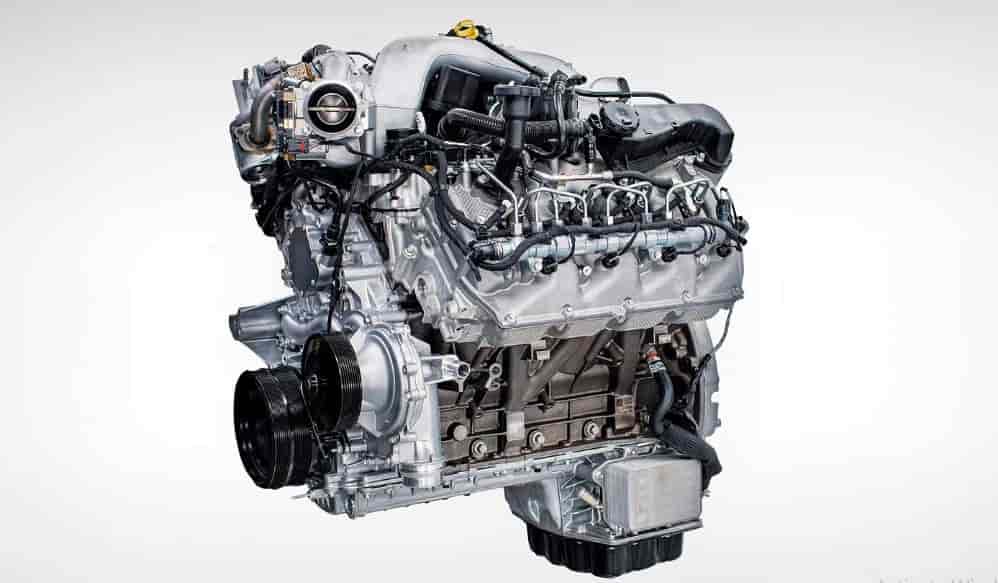
The Ford 6.7 Powerstroke engine is a turbocharged diesel V8 introduced in 2011, designed specifically for Ford Super Duty trucks. It marked a major shift for Ford as this was the first in house diesel engine after years of relying on third party manufacturers. Built with advanced engineering, this engine quickly gained attention for its impressive towing capacity, high torque output, and overall performance under heavy loads.
One of the key strengths of the 6.7 Powerstroke is its ability to handle demanding tasks such as towing large trailers, hauling equipment, and long distance driving. This makes it a popular choice among contractors, business owners, and truck enthusiasts who need both power and durability. Over the years, Ford has continuously improved the engine with better materials, updated turbo designs, and more refined fuel systems.
However, this performance comes at a cost. The engine relies on a complex system that includes turbocharging, high pressure fuel injection, and advanced emissions components like EGR and DPF. While these technologies improve efficiency and meet environmental standards, they also introduce more potential failure points.
This complexity is the reason why Ford 6.7 diesel problems can become both expensive and difficult to diagnose. Even a small issue in one component can affect the entire system, leading to reduced performance or serious engine damage if ignored.
Turbocharger Failure
One of the most frequently reported Ford 6.7 diesel problems is turbocharger failure, and it is also one of the most expensive issues owners can face. The turbocharger plays a critical role in boosting engine performance by forcing more air into the combustion chamber, allowing the engine to produce more power and torque. When this component starts to fail, the entire driving experience changes almost immediately.
The first signs are often subtle but easy to overlook. Drivers may notice a loss of power, especially during acceleration or when towing heavy loads. In some cases, there is a noticeable whining or siren like noise coming from the engine bay. As the problem worsens, fuel efficiency drops and the engine may struggle to maintain consistent performance.
The root cause of turbocharger failure is usually linked to carbon buildup and heat stress. Over time, soot accumulates inside the turbo, restricting airflow and affecting the movement of internal components. Short driving cycles and poor maintenance habits can accelerate this process, making the problem appear much earlier than expected.
What makes this issue particularly frustrating is the cost. Repairing or replacing a turbocharger can range from $1,500 to $3,500 or even higher depending on labor and parts. For many owners, this becomes an unexpected financial burden that turns a powerful truck into a costly liability.
The good news is that this problem can often be prevented or minimized. Regular maintenance, using high quality oil, and ensuring the engine reaches proper operating temperature during drives can significantly extend the life of the turbo. Ignoring early symptoms, however, almost always leads to more severe damage and higher repair costs.
EGR Cooler Issues
Another common source of Ford 6.7 diesel problems comes from the EGR system, particularly the EGR cooler. This component is responsible for reducing emissions by recirculating a portion of exhaust gases back into the engine. While this helps meet environmental standards, it also introduces one of the most problematic weak points in the entire system.
The symptoms of a failing EGR cooler can be confusing at first. Many drivers report white smoke coming from the exhaust, which is often mistaken for more serious engine damage. Others notice a gradual loss of coolant without any visible leaks. In more advanced cases, the engine may overheat or trigger warning lights, creating anxiety and uncertainty about the actual cause.
The main reason behind this issue is clogging caused by soot and carbon buildup. Over time, these deposits restrict the flow inside the EGR cooler, leading to higher temperatures and internal stress. Eventually, the cooler can crack or fail completely, allowing coolant to enter areas where it should not be.
This is where the real problem begins. A damaged EGR cooler can lead to a chain reaction affecting other engine components, increasing both repair complexity and cost. Depending on the severity, repairs can range from a few hundred dollars for cleaning to several thousand dollars for full replacement.
Some owners consider deleting the EGR system as a long term solution. While this may reduce future issues, it comes with legal and environmental concerns in many regions, making it a risky choice if not properly evaluated.
The best approach is early detection and consistent maintenance. Addressing minor symptoms before they escalate can save a significant amount of money and prevent long term engine damage.
DPF Problems
Among all Ford 6.7 diesel problems, DPF related issues are some of the most frustrating for daily drivers. The Diesel Particulate Filter is designed to capture and store soot from the exhaust, helping the engine meet strict emissions standards. While this system works effectively in theory, it often becomes a source of ongoing trouble in real world driving conditions.
The most common symptom is regeneration failure. The engine is supposed to periodically burn off accumulated soot through a process called regeneration. However, this process requires specific conditions, such as sustained highway driving and proper engine temperature. Drivers who mainly use their trucks for short trips or city driving often interrupt this cycle, causing soot to build up faster than it can be cleared.
As the DPF becomes clogged, several warning signs begin to appear. You may notice reduced engine power, increased fuel consumption, and dashboard warning lights related to emissions. In more severe cases, the truck may enter a limp mode, limiting performance to prevent further damage. This is especially frustrating for owners who rely on their trucks for work or towing.
The root cause of this issue is not always a faulty component, but rather driving habits and operating conditions. This makes it particularly tricky because many owners do not realize they are contributing to the problem until it becomes serious.
Fixing DPF problems can range from a simple forced regeneration to professional cleaning or even full replacement, which can cost anywhere from $1,000 to $3,000. The key to avoiding these expenses is understanding how the system works and adjusting driving patterns accordingly.
Regular long distance driving, proper maintenance, and paying attention to early warning signs can significantly reduce the risk of DPF related failures.
Fuel System Failure (CP4 Pump)
When discussing the most serious Ford 6.7 diesel problems, fuel system failure, especially involving the CP4 high pressure fuel pump, is often considered the worst case scenario. This is not just a common issue, but one that can lead to catastrophic damage across the entire fuel system, turning a small component failure into a massive repair bill.
The warning signs can start subtly but escalate quickly. Many drivers experience hard starting, rough engine performance, or sudden power loss. In some cases, the engine may stall unexpectedly, creating a dangerous situation while driving. As the problem progresses, metal shavings from the failing pump can spread throughout the fuel system, contaminating injectors, fuel lines, and other critical components.
This widespread contamination is what makes the CP4 pump failure so severe. Instead of replacing a single part, the entire fuel system often needs to be cleaned or replaced. This includes injectors, rails, lines, and sometimes even the fuel tank. The total repair cost can easily exceed $6,000 and in some cases reach $10,000 or more, making it one of the most feared issues among diesel truck owners.
The root cause is typically linked to the design of the CP4 pump and its sensitivity to fuel quality. Low lubricity diesel or contaminated fuel can accelerate wear inside the pump, leading to premature failure. Unfortunately, this is not always something the average driver can fully control.
To reduce the risk, many experienced owners invest in high quality fuel additives to improve lubrication and regularly replace fuel filters. Some even choose to upgrade to a more reliable CP3 pump conversion, although this can be costly upfront.
Ignoring early symptoms of fuel system issues is a major mistake. Once the failure progresses, repair costs rise dramatically, making prevention and early action absolutely critical.
Injector Failure
Injector failure is another common issue in the list of Ford 6.7 diesel problems, and while it may not be as catastrophic as a CP4 pump failure, it can still lead to serious performance issues and costly repairs if left untreated. Fuel injectors play a vital role in delivering precise amounts of fuel into the combustion chamber, ensuring efficient burning and smooth engine operation.
When injectors begin to fail, the symptoms are usually noticeable during everyday driving. Many owners report rough idling, engine misfires, and a decrease in overall fuel efficiency. In some cases, there may be excessive exhaust smoke or a strong diesel smell, indicating improper fuel combustion. These issues not only affect performance but can also lead to long term engine wear if ignored.
The primary cause of injector failure is often related to fuel contamination or poor fuel quality. Since diesel engines operate under extremely high pressure, even small particles or impurities can damage the delicate internal components of the injectors. Over time, this leads to clogging, leakage, or inconsistent fuel delivery.
Repair costs for injector issues can vary depending on how many units are affected. Replacing a single injector may cost a few hundred dollars, but a full set replacement can easily reach between $2,000 and $4,000 including labor. For many owners, this becomes another unexpected expense that adds to the overall cost of diesel ownership.
Preventive measures play a key role in avoiding this problem. Regular fuel filter changes, using clean and high quality diesel, and adding fuel system cleaners can significantly extend injector life. Addressing early symptoms is also crucial, as delaying repairs can lead to more severe engine complications.
Ford 6.7 Diesel Problems by Year
Understanding Ford 6.7 diesel problems by year is one of the most important factors if you are planning to buy a used truck. Not all model years are created equal, and choosing the wrong one can mean dealing with recurring issues and high repair costs. On the other hand, selecting a more refined version of the engine can save you thousands of dollars and a lot of stress.
The early models from 2011 to 2014 are widely considered the most problematic. As the first generation of the 6.7 Powerstroke, these trucks experienced several design related issues, including turbocharger weaknesses, EGR failures, and fuel system concerns. While they still offer strong performance, they require more attention and maintenance, making them a risky choice for buyers who want reliability.
From 2015 to 2019, Ford introduced a number of improvements that helped reduce some of the most common issues. Turbo design updates and better engine tuning made these models more stable. However, problems such as DPF clogging and occasional fuel system failures still exist, especially if the vehicle has not been properly maintained.
The newer models from 2020 to 2025 are generally considered the most reliable versions of the 6.7 diesel engine. With upgraded components, improved emissions systems, and better overall engineering, these trucks offer a more refined driving experience. While no diesel engine is completely free of issues, the frequency and severity of problems have been significantly reduced.
If you are considering a used truck, avoiding the earliest model years or ensuring a complete maintenance history is essential. Many of the worst Ford 6.7 diesel problems can be avoided simply by choosing the right production year and verifying how the vehicle has been used and maintained.
Early Warning Signs You Should Never Ignore
One of the biggest mistakes owners make when dealing with Ford 6.7 diesel problems is ignoring early warning signs. Many serious failures do not happen suddenly. They develop over time, starting with small symptoms that are easy to dismiss. Recognizing these signs early can be the difference between a minor repair and a multi thousand dollar bill.
One of the most common indicators is unusual engine noise, especially knocking or ticking sounds. These noises often signal internal stress or improper combustion. Another red flag is excessive exhaust smoke. White smoke may indicate coolant related issues such as EGR problems, while black smoke often points to incomplete fuel combustion or injector issues.
Loss of power is another symptom that should never be ignored. If the truck struggles during acceleration or towing, it could be related to turbocharger inefficiency, fuel system problems, or airflow restrictions. Many drivers initially assume this is normal wear, but it often signals a deeper issue developing inside the engine.
Dashboard warning lights, particularly the check engine light, are also critical. Modern diesel engines rely on sensors to detect irregularities. Ignoring these alerts can allow problems to escalate quickly. In some cases, the vehicle may even enter a reduced power mode, limiting performance to protect the engine.
Fluid related symptoms are equally important. Unexplained coolant loss, fuel smell, or oil contamination are all warning signs that something is wrong internally. These issues rarely resolve on their own and typically worsen over time.
The key takeaway is simple. Acting early saves money. Many Ford 6.7 diesel problems become extremely expensive only because they are ignored in the early stages. Paying attention to these warning signs and addressing them promptly can significantly extend the life of the engine and reduce overall ownership costs.
How to Prevent Ford 6.7 Diesel Problems
Preventing Ford 6.7 diesel problems is far more effective and affordable than dealing with major repairs later. While no engine is completely free from issues, proper maintenance and smart driving habits can significantly reduce the risk of failure and extend the lifespan of your truck.
One of the most important practices is regular oil changes using high quality engine oil. Diesel engines operate under high pressure and temperature, so clean oil is essential to protect internal components, especially the turbocharger. Skipping or delaying oil changes increases wear and accelerates carbon buildup, which is a common cause of several major problems.
Fuel quality also plays a critical role. Using clean, high grade diesel and replacing fuel filters on schedule helps protect the fuel system from contamination. Since the CP4 pump and injectors are highly sensitive, even small impurities can lead to expensive damage. Many experienced owners also use fuel additives to improve lubrication and reduce long term wear.
Driving habits are another key factor that many people overlook. Short trips and frequent stop and go driving prevent the engine from reaching optimal temperature, which directly affects systems like the DPF. Taking the truck on longer drives at highway speeds allows proper regeneration and reduces soot buildup, helping avoid clogging issues.
Routine inspections should not be ignored. Checking coolant levels, monitoring unusual sounds, and scanning for diagnostic codes can help detect problems early. Preventive maintenance may seem time consuming, but it is far less costly than dealing with a major engine failure.
Ultimately, owning a diesel truck requires a proactive approach. By investing a little time and effort into maintenance, you can avoid the most common Ford 6.7 diesel problems and enjoy the performance and durability that this engine is designed to deliver.
Repair Cost Breakdown
One of the most important aspects of understanding Ford 6.7 diesel problems is knowing how much these issues can actually cost. Many owners are not prepared for the high repair expenses that come with diesel engines, and this is where the biggest frustration often begins. What starts as a small symptom can quickly turn into a major financial burden if not handled early.
Turbocharger repairs are among the more common expenses. Depending on the severity of the issue, costs typically range from $1,500 to $3,500. This includes both parts and labor, and prices can increase if additional components are affected. For many drivers, this alone is already a significant unexpected expense.
Fuel system failure, especially related to the CP4 pump, is on a completely different level. Because contamination can spread throughout the system, repairs often require replacing multiple components at once. This can push total costs beyond $6,000 and in some cases even reach $10,000. It is one of the most feared Ford 6.7 diesel problems for a reason.
Injector replacement is another costly repair that many owners eventually face. While replacing a single injector may be manageable, a full set replacement can cost between $2,000 and $4,000. Labor costs and parts pricing can vary, but the total is rarely cheap.
DPF cleaning or replacement also adds to the overall ownership cost. A forced regeneration may be relatively inexpensive, but if the filter is severely clogged, replacement can cost between $1,000 and $3,000. This is especially common for drivers who mainly use their trucks for short trips.
These numbers highlight a key reality. Owning a diesel truck offers power and capability, but it also requires financial readiness. Understanding these costs in advance allows owners to plan better, avoid surprises, and take preventive actions that reduce long term expenses.
Is the Ford 6.7 Diesel Reliable?
After reviewing all the common Ford 6.7 diesel problems, the big question remains. Is this engine actually reliable, or is it too risky to own? The answer depends largely on how the truck is used and maintained.
From a performance perspective, the Ford 6.7 Powerstroke is undeniably impressive. It delivers strong towing capability, high torque, and the kind of durability that diesel engines are known for. This makes it a top choice for heavy duty work, long distance driving, and demanding conditions. Many owners report reaching high mileage with minimal issues when the engine is properly maintained.
However, reliability is not just about how long an engine lasts. It is also about how often problems occur and how expensive they are to fix. This is where Ford 6.7 diesel problems become a concern. The complexity of the engine, especially its emissions system and high pressure fuel components, creates more potential points of failure compared to simpler designs.
The key factor is maintenance. Owners who follow strict maintenance schedules, use high quality fuel and oil, and pay attention to early warning signs tend to have a much better experience. On the other hand, neglecting these aspects often leads to costly repairs and frustration.
In simple terms, the Ford 6.7 diesel engine can be reliable, but it is not forgiving. It rewards proactive owners and punishes neglect. If you are prepared for the maintenance and understand the potential issues, it can be a powerful and dependable choice. If not, the cost of ownership may quickly outweigh its benefits.
Conclusion
Ford 6.7 diesel problems are real, but they are manageable with the right knowledge and proactive maintenance. From turbocharger failures to EGR, DPF, fuel system, and injector issues, understanding these common problems, their causes, and how to fix them can save you thousands of dollars and a lot of stress. Choosing the right model year, keeping up with maintenance schedules, and paying attention to early warning signs are essential steps for every owner or potential buyer.
While no diesel engine is completely free from issues, the Ford 6.7 Powerstroke proves to be a strong and capable platform when properly cared for. It offers impressive towing capacity, durability, and long term performance, making it a preferred choice for many truck enthusiasts and professionals. However, neglecting preventive maintenance or ignoring symptoms can quickly turn these benefits into expensive headaches.
If you are considering buying a used Ford 6.7 diesel, focus on models from 2015 and later, verify the maintenance history, and be prepared for routine upkeep. For current owners, staying vigilant about maintenance and early symptoms is key to avoiding costly repairs. Understanding the full picture of Ford 6.7 diesel problems allows you to make informed decisions, protect your investment, and enjoy the performance and reliability that this engine is capable of delivering.
We would love to hear from you. Have you experienced any of these issues or found effective fixes for your Ford 6.7 diesel? Share your thoughts and experiences in the comments below to help other owners navigate these challenges.