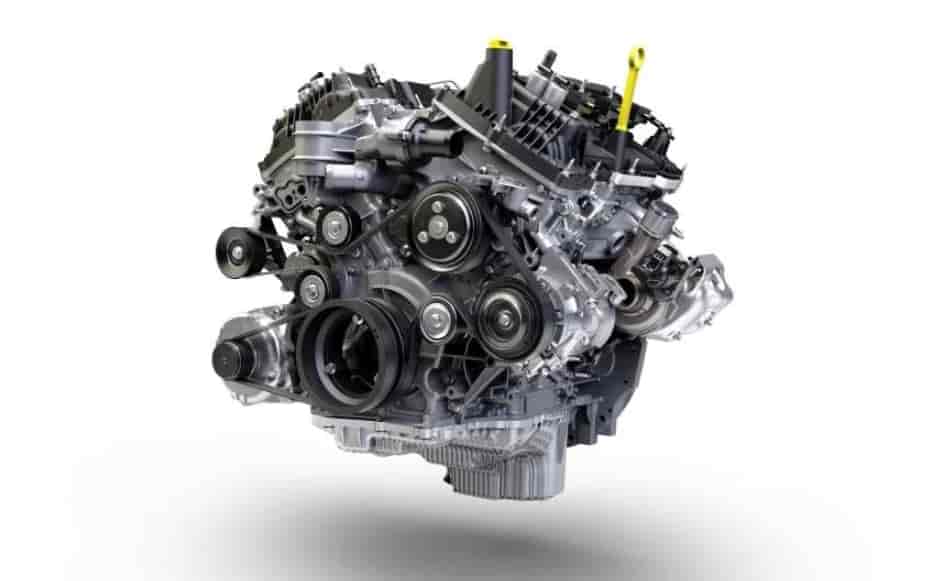
The Ford 6.2 engine is a gasoline V8 that powers many Ford Super Duty trucks, including the F 250 and F 350. Ford designed this engine for drivers who need strong towing capability without the complexity of a diesel system. Many owners choose the 6.2L engine because it offers solid performance, simpler maintenance, and a lower purchase cost.
Despite its reputation for durability, drivers often search for Ford 6.2 engine problems after noticing changes in how the engine behaves. Some owners hear unusual ticking noises, while others experience higher oil consumption or reduced power under load. These warning signs usually appear gradually, which makes them easy to ignore during daily driving. When drivers delay inspection, minor issues can develop into costly mechanical failures.
This article explains the most common Ford 6.2 engine problems in a clear and practical way. It breaks down the symptoms you should watch for, the causes behind each issue, and the fixes that owners and mechanics commonly recommend. If you already own a truck with this engine, this guide will help you prevent expensive repairs. If you plan to buy a used Ford Super Duty, it will help you make a more confident decision.
Contents
Overview of the Ford 6.2L Engine
The Ford 6.2L engine is a naturally aspirated gasoline V8 that Ford introduced for Super Duty trucks. It was built to handle heavy workloads while keeping the design simple and durable. Ford paired this engine mainly with the F 250 and F 350 models, where reliability and towing strength matter more than fuel economy.
This engine features a large displacement and a straightforward valvetrain. It does not rely on turbochargers or complex emissions hardware. Because of this, many owners consider it easier to maintain than modern diesel engines. The 6.2L engine delivers strong low end torque, which helps during towing, hauling, and off road driving.
Ford designed the 6.2 engine for long service life under demanding conditions. Contractors, fleet operators, and RV owners often choose it for this reason. Compared to diesel options, the gasoline setup reduces upfront cost and avoids expensive fuel system components. However, the simpler design does not mean the engine is immune to wear or failure.
As mileage increases, specific Ford 6.2 engine problems can appear if maintenance is delayed or driving conditions are severe. Understanding how this engine works helps owners recognize early warning signs. This knowledge also makes it easier to separate normal operating behavior from real mechanical issues.
Most Common Ford 6.2 Engine Problems
Several issues appear more often than others as the Ford 6.2 engine gains mileage. While many engines run reliably for years, these problems tend to affect performance, noise levels, and long term durability if owners ignore early symptoms.
Excessive Oil Consumption
Excessive oil consumption is one of the most reported Ford 6.2 engine problems. Many owners notice the oil level dropping faster than expected between oil changes. In some cases, the engine burns oil without visible leaks or warning lights. Worn piston rings and valve seals often play a role, especially in high mileage engines. When oil levels fall too low, internal components lose proper lubrication. This condition increases friction and accelerates engine wear.
Engine Ticking or Knocking Noise
Some Ford 6.2 engines develop a ticking or light knocking sound, especially during cold starts. Light ticking can sound harmless at first, which causes many drivers to ignore it. In certain cases, valve train components or lifters create this noise as they wear. If the sound grows louder or persists when the engine warms up, it may signal a deeper mechanical issue. Ignoring this noise can lead to further damage inside the engine.
Spark Plug and Ignition Coil Issues
Spark plug and ignition coil problems also affect the Ford 6.2 engine. Misfires often appear as rough idling, hesitation, or reduced power under load. Worn spark plugs or failing coils disrupt proper combustion. This problem can increase fuel consumption and stress other engine components. Regular inspection and timely replacement help prevent these issues.
Timing Chain Wear
Timing chain wear occurs less often, but it can be costly when it does. As the chain stretches, engine timing becomes inconsistent. Drivers may notice poor performance or unusual engine sounds. If the timing chain fails completely, serious engine damage can occur. Early diagnosis plays a key role in avoiding major repairs.
Symptoms You Should Not Ignore
The Ford 6.2 engine often shows clear warning signs before serious damage occurs. Drivers who recognize these symptoms early can avoid expensive repairs and unexpected breakdowns.
One common symptom is the check engine light turning on. While this warning does not always signal a major failure, it often points to misfires, sensor issues, or ignition problems. Ignoring the light can allow minor faults to affect other engine systems.
Reduced fuel efficiency also deserves attention. When the engine burns oil or misfires, it uses more fuel to produce the same power. Many drivers notice fewer miles per tank without changing their driving habits. This change usually indicates an underlying engine issue.
Loss of power under load is another important symptom. The engine may struggle during towing, climbing hills, or acceleration. This behavior often connects to ignition problems, timing issues, or internal wear. When power drops, the engine works harder and experiences more stress.
Unusual smells or visible smoke can signal more serious trouble. Burning oil may produce a sharp odor or bluish exhaust smoke. These signs suggest that oil enters the combustion chamber. When this happens, internal damage can worsen quickly if the driver delays inspection.
What Causes Ford 6.2 Engine Problems
Several factors contribute to Ford 6.2 engine problems over time. Most issues develop gradually and become more noticeable as mileage increases.
Maintenance habits play a major role. When owners delay oil changes or use low quality oil, internal components lose proper protection. Dirty or degraded oil increases friction and heat inside the engine. This condition accelerates wear on piston rings, lifters, and timing components.
Driving conditions also affect engine health. Frequent towing, heavy payloads, and long periods of high engine load place extra stress on internal parts. While the Ford 6.2 engine handles hard work well, constant strain shortens the life of critical components without proper maintenance.
Fuel quality and combustion efficiency matter as well. Poor fuel can lead to incomplete combustion and carbon buildup. Over time, deposits affect valves, spark plugs, and sensors. These issues reduce performance and increase the risk of misfires.
Design characteristics influence certain problems. The engine prioritizes durability and simplicity, but some components wear faster under high mileage. When several factors combine, small issues can progress into major Ford 6.2 engine problems that require costly repairs.
How to Fix and Prevent Ford 6.2 Engine Problems
Fixing Ford 6.2 engine problems starts with early diagnosis. When drivers respond quickly to warning signs, repairs stay simpler and less expensive. A professional inspection can confirm whether issues involve oil consumption, ignition components, or internal wear.
Regular oil changes provide the strongest protection. Using the correct oil type and changing it on schedule reduces friction and heat. Clean oil helps piston rings, lifters, and timing components last longer. Many owners extend engine life by checking oil levels between services.
Addressing ignition issues prevents further damage. Replacing worn spark plugs and failing ignition coils restores proper combustion. This step improves power, fuel efficiency, and engine smoothness. Routine inspections help catch these problems before misfires occur.
Preventive maintenance also includes monitoring engine noises. A ticking or knocking sound should never be ignored. Early evaluation can identify worn components before they cause internal damage. Timing issues require immediate attention because delayed repairs often increase costs.
Driving habits influence long term reliability. Reducing aggressive acceleration and avoiding constant heavy loads lower stress on the engine. With consistent maintenance and mindful driving, many owners avoid the most common Ford 6.2 engine problems and achieve long service life.
Repair Cost and Ownership Concerns
Repair costs play an important role when evaluating Ford 6.2 engine problems. Minor issues such as spark plug or ignition coil replacement usually remain affordable. These repairs often restore performance without major downtime. Routine maintenance costs also stay lower than those of diesel engines, which makes ownership more predictable.
Oil consumption problems can increase long term expenses. Frequent oil top offs add cost and time. If internal wear causes excessive oil burning, repairs may become more expensive. Addressing the issue early helps avoid major engine work.
Timing related repairs create the highest concern for many owners. Timing chain issues require labor intensive repairs. Costs rise quickly if drivers delay inspection and allow further damage. Early diagnosis often limits the scope of repair and protects other engine components.
From an ownership perspective, the Ford 6.2 engine still appeals to many buyers. It offers a balance between power, simplicity, and maintenance cost. Buyers who understand common Ford 6.2 engine problems and plan for proper care often enjoy reliable service for many years.
Conclusion
Ford 6.2 engine problems often appear as mileage increases, but most issues develop gradually and show clear warning signs. Oil consumption, engine noise, ignition faults, and timing related wear represent the most common concerns. When drivers understand these problems, they gain better control over repair costs and long term reliability.
The Ford 6.2 engine does not deserve a reputation as an unreliable engine. Instead, it rewards owners who follow proper maintenance schedules and respond quickly to early symptoms. Regular oil changes, timely ignition service, and attention to unusual sounds make a significant difference. These habits help prevent small issues from turning into expensive failures.
For buyers considering a used Ford Super Duty, awareness matters more than avoidance. A well maintained Ford 6.2 engine can deliver strong performance and dependable service for many years. Checking service records and inspecting for known problems reduces risk and increases confidence.
In the end, Ford 6.2 engine problems reflect ownership habits as much as engine design. With informed care and realistic expectations, many owners find this gasoline V8 to be a practical and durable choice for heavy duty work and daily driving.