If you own a 6.0 Powerstroke, you probably already know one uncomfortable truth. This engine delivers impressive power and towing capability, but it also comes with a reputation for costly failures. One of the most common and dangerous weak points is the oil cooler system. Many truck owners only realize the problem when their engine starts overheating or when repair bills suddenly climb into the thousands.
The issue is not just about performance. A failing oil cooler can silently damage other critical components like the EGR system, leading to a chain reaction of failures. What starts as a small restriction in coolant flow can quickly turn into a major engine problem. This is exactly why the Ford 6.0 Oil Cooler Upgrade has become one of the most discussed and recommended improvements among diesel enthusiasts.
Instead of waiting for a breakdown, more owners are choosing to upgrade early to protect their engines and reduce long term costs. This guide will walk you through everything you need to know, from how the oil cooler works to the signs of failure, upgrade options, and real cost expectations. Whether you are a daily driver or someone who pushes your truck to the limit, understanding this upgrade can save you time, money, and stress.
Contents
How It Works and Why It Fails
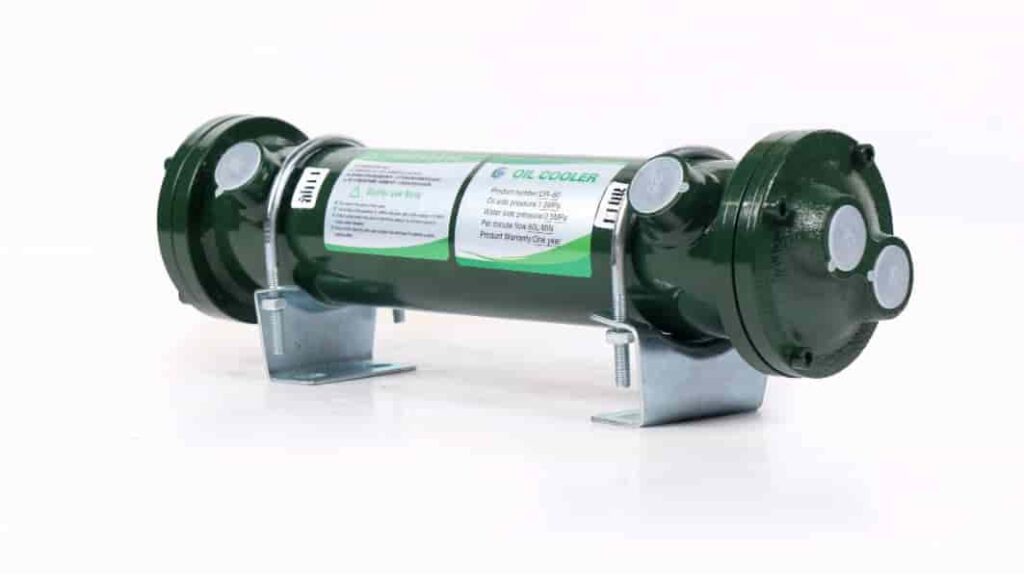
To understand why the Ford 6.0 Oil Cooler Upgrade is so important, you first need to know how the system actually works. The oil cooler in the 6.0 Powerstroke is a heat exchanger. Its job is to regulate engine oil temperature by transferring heat from the oil to the engine coolant. When everything functions correctly, this process keeps the engine running smoothly, even under heavy load.
However, the design of the factory oil cooler creates a hidden weakness. Inside the cooler are narrow coolant passages that are highly sensitive to contamination. Over time, debris and deposits begin to build up inside these tiny channels. This buildup restricts coolant flow, which reduces the cooler’s ability to remove heat from the oil.
One of the biggest causes of this problem is coolant breakdown. The factory coolant contains silicates that can separate and form solid particles. These particles travel through the system and gradually clog the oil cooler. Poor maintenance makes the situation worse, especially when coolant is not flushed regularly.
As the restriction increases, the temperature difference between engine oil and coolant begins to rise. This is often referred to as the EOT and ECT delta. When this gap becomes too large, it signals that the oil cooler is no longer functioning properly. At this stage, many drivers still do not notice any obvious symptoms, which makes the problem even more dangerous.
The real risk appears when overheating oil starts affecting other components. The EGR cooler is especially vulnerable, and once it fails, the repair cost increases significantly. This is why many experts consider the stock oil cooler not just a weak point, but a critical failure point in the engine.
Understanding this failure mechanism makes one thing clear. The Ford 6.0 Oil Cooler Upgrade is not just about better performance. It is about preventing a chain reaction that can lead to severe engine damage and expensive repairs.
Signs Your Ford 6.0 Oil Cooler Needs an Upgrade
One of the biggest mistakes 6.0 Powerstroke owners make is waiting until something goes seriously wrong before taking action. The reality is that a failing oil cooler often gives early warning signs, but they are subtle and easy to ignore. Recognizing these signals early can save you from a much more expensive repair later.
The most reliable indicator is the difference between engine oil temperature and engine coolant temperature. This is commonly known as the EOT and ECT delta. Under normal conditions, the difference should stay within a safe range. When the gap exceeds 15 degrees Fahrenheit, it is a strong sign that the oil cooler is becoming restricted. At this point, the Ford 6.0 Oil Cooler Upgrade should already be on your radar.
Another common symptom is engine overheating, especially when towing or driving under load. You may notice that temperatures climb faster than usual or take longer to stabilize. This happens because the oil is no longer being cooled efficiently, which puts additional stress on the entire system.
Loss of engine performance is also a warning sign. When oil temperatures rise, engine efficiency drops. You might feel reduced power, sluggish acceleration, or inconsistent performance during long drives. These symptoms are often mistaken for other issues, which delays proper diagnosis.
In more severe cases, you may see white smoke from the exhaust. This can indicate that the EGR cooler has already been affected, allowing coolant to enter the combustion system. At this stage, the problem has escalated, and repair costs increase significantly.
Using a scan tool is one of the best ways to monitor these issues before they become critical. Many experienced owners regularly check temperature data to catch problems early. The key insight here is simple. The earlier you act, the cheaper and easier the solution becomes.
Ignoring these warning signs can lead to a chain reaction of failures. That is why the Ford 6.0 Oil Cooler Upgrade is often recommended before symptoms become severe, not after.
Benefits of a Ford 6.0 Oil Cooler Upgrade
Once you understand how the factory oil cooler fails, the value of an upgrade becomes much clearer. The Ford 6.0 Oil Cooler Upgrade is not just a performance modification. It is a long term investment in engine reliability, cost control, and peace of mind.
The most immediate benefit is improved temperature control. A high quality upgraded oil cooler allows coolant to flow more efficiently, which helps maintain stable oil temperatures even under heavy load. This is especially important for drivers who tow, haul, or drive in hot climates. Lower oil temperature means less stress on internal engine components and more consistent performance.
Another major advantage is increased engine lifespan. Excessive heat is one of the fastest ways to wear down an engine. When oil temperatures remain stable, internal parts such as bearings, seals, and gaskets experience less thermal stress. Over time, this can significantly extend the life of your engine and reduce the likelihood of major failures.
The upgrade also plays a critical role in protecting the EGR system. In the stock setup, a clogged oil cooler often leads to EGR cooler failure. This is one of the most expensive and frustrating issues for 6.0 Powerstroke owners. By improving coolant flow and reducing heat buildup, the upgraded system helps prevent this chain reaction from happening.
Performance consistency is another benefit that many drivers notice. With better thermal management, the engine can operate more efficiently. This results in smoother acceleration, more stable power delivery, and improved confidence during long trips or heavy duty use.
Perhaps the most important benefit is long term cost savings. While the initial investment in a Ford 6.0 Oil Cooler Upgrade may seem high, it is significantly lower than the cost of repairing a damaged engine or replacing failed components. Many owners who delay this upgrade end up paying far more in the future.
At its core, this upgrade is about prevention. It addresses one of the most well known weaknesses of the 6.0 Powerstroke and transforms it into a more reliable and dependable engine.
Types of Ford 6.0 Oil Cooler Upgrades
Choosing the right Ford 6.0 Oil Cooler Upgrade depends on your budget, driving habits, and long term reliability goals. Each option offers different levels of performance and durability, so understanding the differences helps you make a smarter decision.
An OEM replacement is the most basic solution. It uses the same design as the factory oil cooler, which keeps the cost low and installation simple. Many owners choose this option as a quick fix. However, the narrow coolant passages still create a risk of clogging over time. Without proper maintenance, the same issue can return.
External oil cooler upgrades provide a more advanced solution. These systems move the cooling process outside the engine and use larger components to improve coolant flow. Better flow reduces heat buildup and lowers the risk of blockage. Drivers who tow or push their trucks regularly often prefer this option because it delivers more stable performance under stress.
Bulletproof style upgrades offer the highest level of reliability. These kits combine external cooling with improved design and stronger materials. They eliminate the main weaknesses of the stock system and support long term engine health. Many experienced owners invest in this solution to avoid repeated repairs and unexpected failures.
Each type of Ford 6.0 Oil Cooler Upgrade serves a different purpose. OEM works for short term savings, external systems improve performance, and bulletproof kits deliver maximum durability. Choosing the right one depends on how much risk you want to eliminate and how long you plan to keep your truck.
Ford 6.0 Oil Cooler Upgrade Cost Breakdown
Understanding the real cost of a Ford 6.0 Oil Cooler Upgrade is essential before making a decision. Many owners hesitate because of the upfront expense, but they often underestimate how much a failure can cost in the long run.
The price of parts varies depending on the type of upgrade you choose. An OEM replacement typically costs between 250 and 500 dollars. This option has the lowest entry cost, but it does not solve the root design issue. External oil cooler kits usually range from 800 to over 2000 dollars. These systems offer better cooling performance and long term reliability. Premium bulletproof upgrades sit at the higher end of the price range, but they provide the most complete solution.
Labor is another major factor. Professional installation can cost anywhere from 500 to 1500 dollars, depending on the shop and the complexity of the setup. The process requires removing several engine components, which makes it time consuming. Skilled DIY owners can save money, but the job still demands proper tools and mechanical experience.
When you look at the bigger picture, the investment becomes easier to justify. Ignoring the problem can lead to severe engine damage, including EGR failure or even complete engine breakdown. Repair costs in these cases can exceed 5000 dollars or more.
A Ford 6.0 Oil Cooler Upgrade is not just an expense. It is a preventive measure that protects your engine and reduces long term costs. Spending more upfront often saves you from much larger repair bills later.
Step by Step Ford 6.0 Oil Cooler Upgrade
Upgrading the oil cooler on a 6.0 Powerstroke is not a simple bolt on job. The process requires time, patience, and a clear understanding of engine components. Many owners choose professional installation, but experienced DIY enthusiasts can complete the job with the right preparation.
Start by gathering all necessary tools and parts. You will need basic hand tools, torque wrenches, new gaskets, fresh coolant, and the selected Ford 6.0 Oil Cooler Upgrade kit. Preparation reduces mistakes and helps the process move smoothly.
Drain the coolant completely before disassembly. This step prevents contamination and keeps the workspace clean. After that, remove key components such as the intake system, turbocharger, and related piping. These parts block access to the oil cooler, so careful removal is essential.
Access the oil cooler housing once the top components are out of the way. Remove the old unit and inspect the area for debris or residue. Cleaning the system at this stage is critical because leftover contaminants can damage the new cooler.
Install the upgraded oil cooler according to the manufacturer’s instructions. Make sure all connections are secure and torque specifications are correct. Proper installation ensures reliable performance and prevents leaks.
Reassemble all removed components in the correct order. Refill the system with high quality coolant and check for leaks during the first engine run. Monitoring temperatures after installation helps confirm that the upgrade works as expected.
This process is complex and requires attention to detail. Many costly mistakes happen when steps are rushed or skipped. If you are unsure about any part of the job, professional installation is often the safer choice.
Common Mistakes to Avoid
Many problems with the Ford 6.0 Oil Cooler Upgrade do not come from the parts themselves. Most issues happen because of mistakes during installation or poor maintenance after the upgrade. Avoiding these errors will protect your investment and keep your engine running reliably.
One of the most common mistakes is skipping a full coolant system flush. Old coolant often contains debris and contaminants that caused the original failure. If you leave those particles in the system, they can clog the new oil cooler and reduce its effectiveness. Always clean the system thoroughly before installing any new components.
Another frequent issue is using low quality coolant. Cheap or incorrect coolant can break down faster and create buildup inside the system. Choosing the right coolant helps maintain proper flow and prevents future blockages.
Incorrect torque during installation can also lead to serious problems. Loose connections may cause leaks, while over tightening can damage seals or components. Following the correct torque specifications ensures a secure and reliable setup.
Some owners also ignore related upgrades, especially the EGR system. A weak or failing EGR cooler can still create problems even after upgrading the oil cooler. Addressing both systems together often provides better long term results.
Rushing the installation process is another mistake that leads to costly repairs. Taking the time to inspect, clean, and install each part correctly makes a significant difference in performance and durability.
Avoiding these common mistakes ensures that your Ford 6.0 Oil Cooler Upgrade delivers the reliability and performance you expect.
Conclusion
The Ford 6.0 Powerstroke remains a powerful and capable engine, but its reliability depends heavily on addressing known weak points. The oil cooler sits at the center of many common failures, and ignoring it can lead to overheating, EGR damage, and expensive repairs.
A well planned Ford 6.0 Oil Cooler Upgrade transforms the engine from a risk into a dependable workhorse. By improving coolant flow and controlling oil temperature, this upgrade protects critical components and extends engine life. Whether you choose an OEM replacement, an external system, or a full bulletproof solution, taking action early is always the smarter move.
The key takeaway is simple. Waiting for failure costs more than preventing it. Investing in the right upgrade today can save you thousands of dollars and countless headaches in the future.
If you own a 6.0 Powerstroke, now is the time to evaluate your setup. Have you already upgraded your oil cooler, or are you still running the stock system and taking the risk?