The Ford 5.4 Triton engine was once considered a powerful and dependable choice for full size trucks and SUVs. It powered millions of Ford vehicles, especially the F 150, Expedition, and Lincoln Navigator, becoming one of the most widely used V8 engines in Ford’s history. On paper, the engine promised strong towing capability, solid performance, and long term durability. In real world ownership, however, many drivers discovered a very different story.
Over the years, Ford 5.4 engine problems have become a common topic among truck owners, mechanics, and used car buyers. From unusual ticking noises to sudden loss of power and expensive internal failures, these issues often appear without much warning. What makes the situation worse is that many of these problems are not isolated cases. They are recurring failures tied to design weaknesses rather than simple wear and tear.
This article takes a deep look at Ford 5.4 engine problems from multiple angles. You will learn about the most common failures, the symptoms owners experience before major breakdowns occur, and what real owners and mechanics say after years of dealing with this engine. Whether you currently own a vehicle with a Ford 5.4 Triton or you are considering buying one used, understanding these problems can save you thousands of dollars and help you make a far more informed decision.
Contents
Overview of the Ford 5.4 Triton Engine
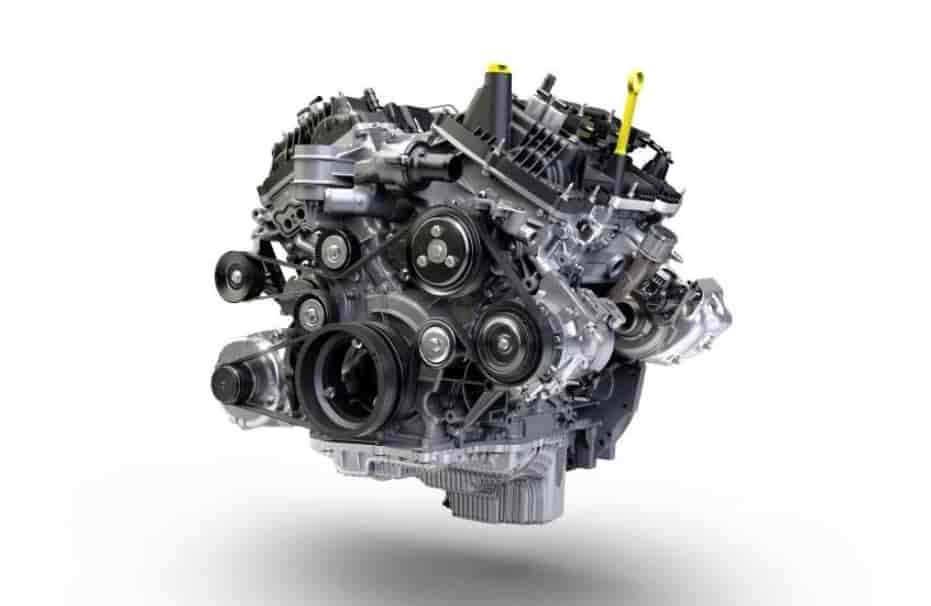
The Ford 5.4 Triton engine belongs to Ford’s Modular V8 engine family and entered the market in the late 1990s. Ford developed this engine to replace older pushrod V8 designs while improving torque delivery and emissions performance. At the time, the 5.4 Triton represented a major step forward for Ford’s truck and SUV lineup.
Ford installed the 5.4 Triton engine in a wide range of vehicles, including the Ford F 150, Ford Expedition, Ford E Series vans, and the Lincoln Navigator. The engine came in multiple configurations, such as two valve, three valve, and four valve versions. Among them, the three valve variant gained the most attention due to its widespread use and modern design.
This engine uses an overhead camshaft layout with aluminum cylinder heads. Later versions also introduced variable cam timing to improve efficiency and throttle response. These features helped the engine deliver strong performance, especially for towing and hauling. However, the added complexity placed greater demands on oil quality and maintenance habits.
When oil pressure drops or maintenance intervals stretch too far, critical components like cam phasers and timing chains begin to wear faster. Over time, these weaknesses contribute directly to many Ford 5.4 engine problems reported by owners. Understanding this design background makes it easier to see why certain failures occur so frequently.
Common Ford 5.4 Engine Problems
Ford 5.4 engine problems often stem from a combination of design complexity and long term wear. While some owners drive hundreds of thousands of miles without major failure, many experience similar issues at surprisingly low mileage. These problems tend to repeat across different vehicle models, especially the Ford F 150.
One of the most widely reported issues involves spark plug failure. In certain versions of the 5.4 Triton engine, spark plugs can seize inside the cylinder head. When technicians attempt removal, the plugs may break and leave fragments behind. This issue turns a routine maintenance task into a costly repair and often discourages owners from performing timely service.
Cam phaser failure represents another major concern. The cam phasers control valve timing and rely heavily on stable oil pressure. When oil quality degrades or pressure drops, the phasers begin to wear. Drivers often notice a ticking or knocking sound during idle or cold starts. Ignoring this noise can lead to poor performance and internal engine damage.
Timing chain problems also appear frequently in the Ford 5.4 engine. As chains stretch and guides wear down, the engine may produce rattling noises, especially on startup. Over time, this condition throws off valve timing and increases the risk of severe mechanical failure.
Oil consumption and sludge buildup add to the list of common complaints. Poor oil circulation in certain engine designs allows deposits to form more easily. These deposits restrict oil flow and accelerate wear across critical components.
Symptoms of Ford 5.4 Engine Problems
Many Ford 5.4 engine problems begin with subtle warning signs that owners often overlook. These early symptoms may not seem serious at first, but they usually indicate deeper mechanical issues inside the engine. Recognizing them early can prevent costly repairs and long periods of downtime.
Unusual engine noises rank among the most common symptoms. Owners frequently report ticking, knocking, or rattling sounds, especially during cold starts or at idle. These noises often point to cam phaser wear or timing chain issues. As the problem worsens, the sounds become louder and more consistent.
Performance changes also signal potential trouble. The engine may feel sluggish during acceleration or struggle under load while towing. Some drivers notice rough idling or sudden drops in power. These symptoms often relate to improper valve timing or misfires caused by spark plug issues.
Oil related warning signs appear as well. Excessive oil consumption forces owners to top off oil more often than expected. In some cases, oil pressure warning lights come on during normal driving. Sludge buildup inside the engine can worsen these conditions and speed up internal wear.
Fuel efficiency often declines as engine problems progress. Drivers may also experience increased exhaust emissions or failed emissions tests. When multiple symptoms appear together, the risk of severe engine damage rises significantly.
Real Owner Insights and Experiences
Real owner feedback provides valuable insight into how Ford 5.4 engine problems affect daily driving and long term ownership. Many Ford F 150 owners report that issues often appear gradually rather than all at once. At first, the engine may still run smoothly, which causes drivers to delay inspection or repairs.
A common theme among owners involves unexpected repair costs. Many drivers describe situations where a minor noise led to a major diagnosis. Cam phaser replacements, timing chain repairs, and spark plug extractions often cost far more than owners anticipated. These expenses create frustration, especially for drivers who maintained their vehicles regularly.
Independent mechanics share similar observations. Many report seeing the same failures repeatedly across different vehicles and model years. Some mechanics note that oil related issues play a key role in many breakdowns. Engines that miss oil changes or use low quality oil tend to develop problems much earlier.
Despite these challenges, not all experiences are negative. Some owners report long service life with minimal trouble. These cases often involve strict maintenance schedules and conservative driving habits. However, even satisfied owners acknowledge that the engine requires more attention than newer Ford designs.
Overall, real owner experiences reveal a clear pattern. Ford 5.4 engine problems rarely result from abuse alone. Instead, they reflect underlying design weaknesses that surface over time.
Repair Costs and Long Term Ownership Reality
Repair costs play a major role in how owners view Ford 5.4 engine problems over time. While some issues remain minor, others lead to repairs that quickly exceed expectations. Many owners face difficult decisions once major engine components begin to fail.
Cam phaser replacement often ranks among the most expensive common repairs. Labor costs increase because technicians must access internal engine components. In many cases, shops recommend replacing related parts at the same time to prevent repeat failures. This approach raises the total repair bill significantly.
Timing chain repairs follow a similar pattern. Worn chains and guides require extensive disassembly. If the problem goes unnoticed for too long, internal damage may spread to valves and pistons. At that point, repair costs rise sharply and approach the value of older vehicles.
Spark plug related repairs also create unexpected expenses. Broken or seized spark plugs require specialized tools and extra labor. What should cost little can turn into a costly service visit.
Over the long term, these expenses shape ownership reality. Some owners choose to invest in repairs to extend vehicle life. Others decide to sell or trade once repair costs become unpredictable. For many drivers, Ford 5.4 engine problems turn ownership into a financial balancing act rather than a simple maintenance routine.
Can Ford 5.4 Engine Problems Be Prevented?
Many owners ask whether they can prevent Ford 5.4 engine problems through proper care. While no maintenance plan eliminates all risk, good habits can reduce the likelihood of serious failure. Prevention depends largely on oil quality, service intervals, and early attention to warning signs.
Regular oil changes play a critical role in engine health. The 5.4 Triton relies heavily on consistent oil pressure to protect components like cam phasers and timing chains. Using the correct oil type and changing it on time helps slow internal wear. Owners who extend oil intervals often see problems appear much sooner.
Listening to the engine also matters. Unusual noises during startup or idle should never go ignored. Early diagnosis allows owners to address minor issues before they escalate into major repairs. Simple inspections can reveal loose components or early signs of wear.
However, prevention has limits. Some design weaknesses remain regardless of maintenance quality. Even well maintained engines can develop cam phaser noise or timing issues over time. Preventive care may delay these failures, but it cannot always stop them completely.
In practice, prevention reduces risk rather than eliminates it. Owners who stay proactive often enjoy longer engine life and fewer surprises. Still, understanding the engine’s limitations remains just as important as following a strict maintenance schedule.
Is the Ford 5.4 Engine Worth Owning Today?
Whether the Ford 5.4 engine is worth owning today depends on expectations, budget, and risk tolerance. For current owners, the decision often centers on repair history and overall vehicle condition. An engine with documented maintenance and no major symptoms may still offer reliable service for daily use.
For used vehicle buyers, the equation changes. Many buyers approach the Ford 5.4 engine with caution due to its reputation. A lower purchase price may seem attractive, but potential repair costs can offset initial savings. Buyers should factor in inspection costs and future maintenance when evaluating value.
This engine may still make sense for certain drivers. Owners who perform regular maintenance, avoid heavy towing, and respond quickly to warning signs often manage ownership successfully. Access to a trusted mechanic also reduces long term risk.
On the other hand, drivers seeking low maintenance ownership may find better options elsewhere. Newer Ford engines offer improved reliability and fewer known design weaknesses. For these buyers, the Ford 5.4 engine may feel outdated and expensive to maintain.
In the end, the engine is neither universally bad nor universally reliable. It rewards informed ownership and punishes neglect. Understanding this balance helps owners and buyers decide whether the Ford 5.4 engine fits their needs today.
Conclusion
Ford 5.4 engine problems have shaped the reputation of one of Ford’s most widely used V8 engines. While the engine delivered strong performance and towing capability, real world ownership revealed recurring weaknesses that many drivers could not ignore. Issues such as spark plug failure, cam phaser wear, timing chain problems, and oil related damage appear across multiple vehicles and model years.
For current owners, awareness remains the most valuable tool. Recognizing early symptoms and following strict maintenance routines can reduce risk and extend engine life. Timely oil changes, careful monitoring of engine noise, and prompt inspections often prevent minor issues from becoming major repairs.
For buyers considering a used vehicle with this engine, caution matters. A thorough inspection and realistic budget planning help avoid costly surprises. In many cases, understanding the true cost of ownership proves more important than the purchase price alone.
The Ford 5.4 engine is not a complete failure, but it demands informed and attentive ownership. Drivers who understand its limitations often manage ownership successfully. Those who ignore warning signs often face expensive consequences. By learning from real owner experiences and known failure patterns, drivers can make smarter decisions and approach the Ford 5.4 engine with clear expectations rather than uncertainty.