Why does the Ford 460 still attract so much attention from truck owners and engine builders today? In an era where most engines focus on efficiency, this 7.5L V8 stands out for its raw power and simplicity. The Ford 460 engine specs highlight a design built to deliver strong torque and reliable performance.
Ford introduced the 460 engine in 1968. It quickly became a popular choice for heavy duty trucks, motorhomes, and commercial vehicles. This engine does not aim for fuel efficiency or compact size. Instead, it focuses on towing strength, hauling capacity, and long term durability.
Many users now face a common question. Is the Ford 460 still a smart choice today? Does its power justify the high fuel consumption? And can the Ford 460 engine specs compete with modern engine technology?
This guide answers those questions in detail. You will explore the Ford 460 engine specs, including horsepower, torque, and real world performance. If you plan to buy, restore, or upgrade this engine, this article will help you make a clear and confident decision.
Contents
Ford 460 Engine Overview
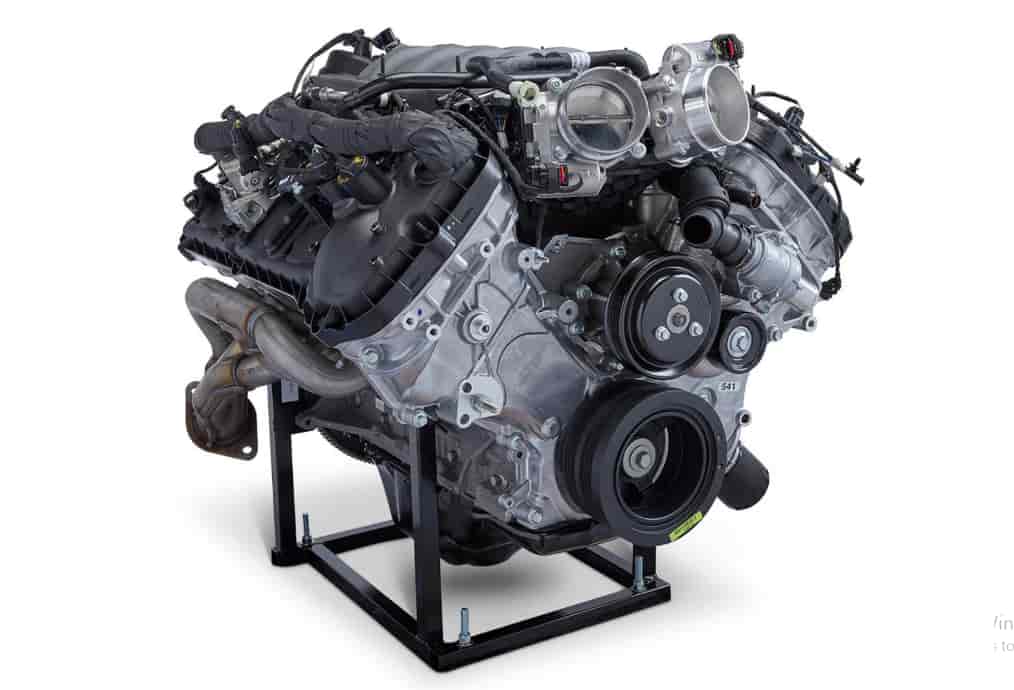
The Ford 460 is a big block V8 engine that belongs to the 385 engine family. Ford designed this engine to deliver high torque and strong performance for heavy duty applications. With a displacement of 460 cubic inches, equivalent to 7.5 liters, it remains one of the largest gasoline engines ever produced by Ford.
Ford launched the 460 engine in 1968. At first, it appeared in large passenger cars. Soon after, Ford expanded its use into trucks, motorhomes, and commercial vehicles. This shift showed the engine’s true strength. It performed best under heavy loads rather than high speed conditions.
The engine uses a traditional overhead valve design with a cast iron block and heads. This setup increases durability and makes the engine easier to maintain. Early versions relied on a carburetor system. Later models adopted electronic fuel injection, which improved reliability and drivability.
The Ford 460 engine specs also reflect changes across different production years. Early versions focused on high horsepower. Later versions reduced power due to emission regulations. However, the engine maintained strong torque output throughout its lifecycle.
Manufacturers often paired the Ford 460 with heavy duty transmissions. This combination made it ideal for towing and hauling. Many truck owners still value this engine for its simple design and consistent performance.
Ford 460 Engine Specs
The Ford 460 engine specs show a clear focus on torque and usable power. This engine does not chase high RPM performance. Instead, it delivers strong output at low and mid range speeds, which suits trucks and heavy vehicles.
In its early years, the Ford 460 produced impressive horsepower figures. Models from the late 1960s to early 1970s could reach up to 365 horsepower. These versions also delivered strong throttle response and better acceleration than later models.
After 1972, new emission regulations forced manufacturers to reduce compression ratios. As a result, horsepower dropped significantly. Many versions from the late 1970s and 1980s produced around 200 to 245 horsepower. Despite this drop, the engine still maintained solid performance in real world conditions.
Torque remains the strongest aspect of the Ford 460 engine specs. Most versions generate between 350 and 500 lb ft of torque. This high torque output allows the engine to handle heavy loads with ease. It also explains why the 460 performs well in towing and hauling situations.
The engine features a bore of 4.36 inches and a stroke of 3.85 inches. This configuration supports strong low end power. Compression ratios vary by year, typically ranging from around 8.0:1 to over 10.0:1 in earlier models.
Ford also designed the 460 with a simple valvetrain system. It uses a two valve per cylinder layout with a single camshaft in the block. This setup improves durability and keeps maintenance straightforward.
Overall, the Ford 460 engine specs highlight a balance between simplicity, strength, and reliability. While it may not match modern engines in efficiency, it still delivers the kind of power that many users need for demanding tasks.
Performance Analysis: How Powerful Is the Ford 460
The Ford 460 does not behave like modern high revving engines. It focuses on delivering power where it matters most. The Ford 460 engine specs show that this engine produces strong torque at low RPM. This characteristic makes it ideal for heavy duty tasks.
In real world driving, the 460 feels powerful right from the start. It does not need high RPM to move a heavy truck or trailer. Instead, it delivers steady and consistent pulling force. This advantage becomes clear when towing large loads or climbing steep roads.
Acceleration is not its strongest point when compared to modern engines. However, that does not mean it feels slow. The engine provides a smooth and confident driving experience, especially under load. For truck owners, this type of performance matters more than quick acceleration.
The Ford 460 engine specs also explain why it became popular in motorhomes and work trucks. These vehicles require stability and strength over long distances. The 460 handles this role well due to its simple design and strong low end output.
Another key factor is durability under stress. Many engines lose performance when pushed hard for long periods. The Ford 460 maintains stable output, even in demanding conditions. This reliability adds to its reputation as a dependable workhorse.
Overall, the Ford 460 delivers practical power rather than flashy performance. It may not win races, but it excels in situations where strength and consistency matter most.
Fuel Economy: The Biggest Drawback
Fuel consumption remains the biggest downside of this engine. The Ford 460 engine specs clearly show that performance comes at a cost. With a large 7.5L displacement, the engine consumes significantly more fuel than modern alternatives.
In real world conditions, most vehicles with this engine achieve around 6 to 10 miles per gallon. This number can drop even lower when towing heavy loads or driving in city traffic. For many users, this level of fuel consumption creates a serious concern, especially with rising fuel prices.
Several factors explain this issue. First, the engine uses an old design that does not optimize fuel delivery. Early versions rely on carburetors, which lack precision. Later models improved efficiency with fuel injection, but they still cannot match modern systems.
Second, the engine’s size plays a major role. A larger displacement requires more fuel to operate. The Ford 460 engine specs reflect a design focused on power, not efficiency. This trade off becomes clear during daily use.
For some drivers, this drawback is acceptable. Those who use the engine for towing or heavy work often prioritize power over fuel savings. However, for daily commuting, the high fuel cost can quickly become a burden.
Understanding this limitation is important before choosing this engine. The Ford 460 delivers strong performance, but it demands a higher fuel budget in return.
Ford 460 Engine Specs by Year
The Ford 460 engine specs changed significantly over time. These changes reflect shifts in performance goals, emission laws, and technology. Understanding each stage helps you evaluate the engine more accurately.
1968 to 1971: High Performance Era
Ford introduced the 460 during a time when performance mattered most. Early versions delivered up to 365 horsepower and over 480 lb ft of torque. These engines used higher compression ratios, which improved power output and throttle response.
Drivers often consider this period the golden age of the Ford 460. The engine offered strong acceleration and impressive pulling power. It also became popular in large cars before moving into trucks.
1972 to Late 1980s: Emission Control Era
New emission regulations forced major changes in engine design. Ford reduced compression ratios to meet these standards. As a result, horsepower dropped to around 200 to 245 HP.
Despite the lower horsepower, torque remained relatively strong. The Ford 460 engine specs still supported heavy duty use. However, the engine felt less responsive compared to earlier versions.
This period often creates confusion among buyers. Many assume all 460 engines deliver the same power, but the difference between early and later models is significant.
1990s: Fuel Injection and Improved Reliability
In the 1990s, Ford introduced electronic fuel injection to the 460 engine. This upgrade improved fuel delivery, cold starts, and overall drivability. Power output remained moderate, but the engine became more consistent and reliable.
The Ford 460 engine specs during this period focus less on peak power and more on usability. Trucks and motorhomes benefited from smoother operation and better control.
Overall, the Ford 460 evolved from a high performance engine into a durable workhorse. Each version serves a different purpose, so choosing the right one depends on your needs.
Modding Potential: How Much Power Can You Get
The Ford 460 offers impressive tuning potential. Many enthusiasts choose this engine because it can produce much more power than stock numbers suggest. The Ford 460 engine specs provide a strong foundation for performance upgrades.
In stock form, most versions produce between 200 and 365 horsepower. However, with the right modifications, this engine can easily reach 400 to 600 horsepower. Some high performance builds can even go beyond that range.
One of the biggest advantages is the engine’s simple design. This allows builders to upgrade components without complex changes. As a result, the Ford 460 becomes a popular choice for budget performance projects.
Common upgrades often start with airflow improvements. A performance intake manifold and a larger carburetor or upgraded fuel injection system can increase power. Headers and a high flow exhaust system also help the engine breathe better.
Camshaft upgrades play a major role in boosting performance. A more aggressive cam profile can significantly increase horsepower and torque. Many builders combine this with improved cylinder heads to maximize results.
For those seeking serious power, internal upgrades become necessary. Forged pistons, stronger rods, and upgraded crankshafts allow the engine to handle higher stress. These changes unlock the full potential of the Ford 460 engine specs.
Despite its potential, builders should consider the trade offs. Higher power often leads to increased fuel consumption and heat. Proper tuning and cooling upgrades are essential to maintain reliability.
Overall, the Ford 460 stands out as a highly tunable engine. It offers a rare combination of affordability, simplicity, and massive power potential.
Pros and Cons of the Ford 460 Engine
The Ford 460 engine specs reveal a clear balance between power and trade offs. Understanding both sides helps you decide if this engine fits your needs.
Pros
The biggest advantage of the Ford 460 is its massive torque. This engine delivers strong pulling power at low RPM, which makes it perfect for towing and hauling. Many truck owners rely on this strength for heavy duty tasks.
Durability is another key benefit. The engine uses a simple and robust design with a cast iron block. This structure allows it to handle stress over long periods. With proper maintenance, the Ford 460 can last for many years.
The engine also offers excellent upgrade potential. Builders can increase horsepower significantly with basic modifications. The wide availability of aftermarket parts makes this process easier and more affordable.
Another advantage is ease of maintenance. The straightforward design allows mechanics and owners to work on the engine without advanced tools or complex systems.
Cons
Fuel consumption remains the biggest drawback. The Ford 460 engine specs show that efficiency was never a priority. High fuel usage can become expensive, especially for daily driving.
The engine is also very heavy. This weight affects vehicle balance and handling. It can reduce overall driving comfort compared to lighter modern engines.
Outdated technology presents another limitation. Even with fuel injection in later models, the engine cannot match the efficiency and refinement of newer designs.
Some users may also find replacement parts for certain versions harder to source, depending on location and model year.
Is the Ford 460 Engine Still Worth It Today
The answer depends on how you plan to use it. The Ford 460 still makes sense for specific needs. If you require strong towing power or enjoy classic truck builds, this engine remains a solid choice.
For enthusiasts, the Ford 460 offers a unique experience. It delivers raw mechanical power that modern engines often lack. It also provides a great platform for custom builds and performance upgrades.
However, this engine is not ideal for everyone. If you need a daily driver with good fuel economy, the Ford 460 may not be the right option. The high fuel cost and older technology can create long term inconvenience.
The Ford 460 engine specs show that this engine excels in strength and simplicity. At the same time, it demands compromise in efficiency and modern features.
In the end, the value of the Ford 460 depends on your priorities. If you choose power and durability, it remains a strong contender even today.
Conclusion
The Ford 460 engine specs clearly show why this engine has maintained its reputation for decades. It delivers exceptional torque, strong durability, and a simple design that many modern engines no longer offer. For heavy duty tasks such as towing and hauling, the Ford 460 still proves its value in real world conditions.
At the same time, this engine comes with clear trade offs. Fuel consumption remains high, and the overall design feels outdated compared to modern technology. These factors make it less suitable for daily driving or users who prioritize efficiency.
Despite these limitations, the Ford 460 continues to attract enthusiasts and truck owners who value raw power and reliability. The ability to modify and increase performance also adds to its long term appeal.
If you are evaluating the Ford 460 engine specs, the key question is simple. Do you need efficiency, or do you need strength? Your answer will determine whether this legendary big block engine is the right choice for you.
What do you think about the Ford 460? Would you choose it for power, or would you prefer a more modern engine? Share your thoughts and experience below.