The Ford 4.6L Modular V8 remains one of Ford’s most widely used engines. Even years after production ended, searches for Ford 4.6 V8 problems continue to rise. Owners of Mustangs, F 150s, Crown Victorias, and Expeditions still depend on this engine every day. Many of them begin to notice issues as mileage climbs and components age.
Ford originally designed the 4.6 V8 to deliver smooth power and long term durability. Early impressions supported that goal, especially when compared to other V8 engines from the same era. Over time, however, recurring problems began to surface. Owners commonly report spark plugs ejecting from the cylinder heads, rattling noises during cold starts, oil consumption that increases without warning, coolant leaks, and frequent misfires. These problems do not happen by chance. Design choices, material limitations, and maintenance patterns all play a direct role.
This guide explains Ford 4.6 V8 problems in a clear and practical way. It focuses on real world symptoms, underlying causes, and realistic fixes. Each issue is connected to what owners actually experience on the road, not just what service manuals describe. Real owner insights help reveal how these problems affect long term reliability and ownership costs.
If you currently own a Ford 4.6 V8 or plan to buy one, this information will help you avoid expensive surprises and make better decisions before small issues turn into major repairs.
Contents
- Overview of the Ford 4.6L Modular V8 Engine
- Most Common Ford 4.6 V8 Problems
- Root Causes Behind Ford 4.6 V8 Problems
- How Serious Are Ford 4.6 V8 Problems?
- Real Owner Insights and Long Term Ownership Experience
- Fixes, Maintenance Tips, and Prevention Strategies
- Is the Ford 4.6 V8 Still Reliable Today?
- Conclusion
Overview of the Ford 4.6L Modular V8 Engine
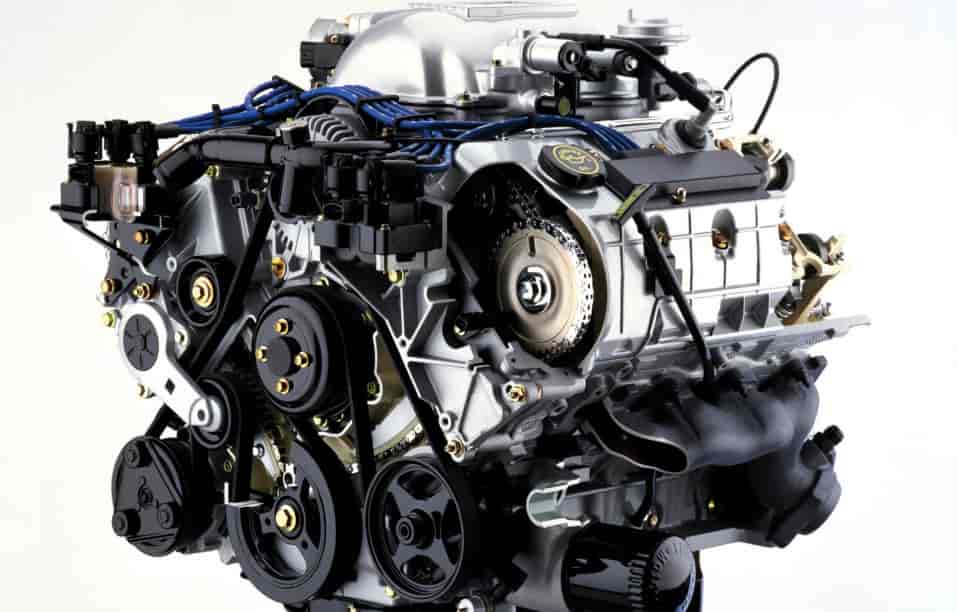
Ford introduced the 4.6L Modular V8 in the early 1990s as part of a new engine family focused on efficiency, emissions control, and manufacturing flexibility. The company designed this engine to replace older pushrod V8s while meeting stricter regulations and modern performance expectations. Over time, the 4.6 V8 became one of Ford’s most widely installed engines across multiple vehicle segments.
Ford produced the 4.6 V8 in several configurations. The most common versions include the 2 valve, 3 valve, and 4 valve layouts. Each design served a different purpose. The 2 valve version prioritized simplicity and durability, making it popular in trucks and fleet vehicles. The 3 valve version added variable cam timing to improve power and fuel efficiency but also introduced new complexity. The 4 valve version focused on performance and appeared mainly in higher output Mustang models.
You can find the Ford 4.6 V8 in vehicles such as the Ford Mustang, F 150, Expedition, Crown Victoria, Grand Marquis, and Lincoln Town Car. This wide usage helped build a reputation for reliability, especially in high mileage applications. Many engines surpassed 200,000 miles with basic maintenance.
At the same time, the engine’s modular design relied heavily on aluminum components and plastic parts. These choices reduced weight and production costs but also contributed to several long term problems. As the engine aged, weaknesses in these areas became more noticeable. Understanding how the engine was designed helps explain why certain Ford 4.6 V8 problems appear repeatedly across different model years.
Most Common Ford 4.6 V8 Problems
Spark Plug Blowout and Seized Spark Plugs
Spark plug failure remains one of the most well known Ford 4.6 V8 problems. Many early cylinder heads used limited thread engagement, which allowed spark plugs to loosen over time. As combustion pressure increased, the plug could eject from the head without warning. This failure often damaged the threads and left the engine running on fewer cylinders.
In later versions, Ford changed the spark plug design. While this update solved the blowout issue, it created a new problem. Spark plugs could seize inside the cylinder head due to carbon buildup. When technicians attempted removal, the plugs often broke apart. This situation increased labor time and repair costs and discouraged routine maintenance.
Timing Chain and Tensioner Wear
Timing chain noise commonly appears during cold starts on higher mileage engines. Worn tensioners and plastic guides struggle to maintain proper chain tension when oil pressure drops overnight. Drivers often hear a rattling sound for a few seconds after startup.
If owners ignore this symptom, the timing components continue to wear. Severe cases can lead to improper valve timing and internal engine damage. Regular oil changes help reduce risk, but aging components remain a concern as mileage increases.
Oil Consumption and Oil Leaks
Many owners report rising oil consumption as the Ford 4.6 V8 ages. Worn valve stem seals often allow oil to enter the combustion chamber, especially during deceleration. Some engines also develop leaks around the valve covers and oil pan.
These issues rarely cause immediate failure. However, low oil levels accelerate wear and increase the chance of timing system problems. Owners who fail to monitor oil levels often face expensive repairs later.
Intake Manifold Cracking and Coolant Leaks
Ford used a plastic intake manifold on many 4.6 V8 engines to reduce weight and cost. Heat cycles and age caused this component to weaken over time. Cracks often formed near the coolant passages.
When the manifold failed, coolant leaked onto the engine or ignition components. Overheating and misfires frequently followed. Ford later released improved replacement designs, but many vehicles still run the original manifold.
Coil Pack Failures and Random Misfires
Ignition coil packs on the Ford 4.6 V8 degrade with heat and time. As insulation breaks down, misfires appear under load or at idle. The check engine light often flashes, signaling cylinder specific faults.
While coil replacement remains simple, repeated failures frustrate owners. This problem becomes more common as engines age and operate in high temperature environments.
Root Causes Behind Ford 4.6 V8 Problems
Many Ford 4.6 V8 problems trace back to a combination of engineering priorities and long term wear. Ford designed this engine during a period of major transition. The company focused on emissions compliance, manufacturing efficiency, and weight reduction. These goals influenced many design decisions that later affected durability.
Material selection plays a major role. Aluminum cylinder heads reduced weight but provided limited thread depth for spark plugs in early versions. Plastic intake manifolds lowered production costs but struggled under constant heat cycles. Over time, these materials degraded faster than traditional metal components, especially in high mileage engines.
Heat management also contributes to recurring issues. The Ford 4.6 V8 operates at relatively high temperatures to meet emissions standards. Prolonged heat accelerates wear on seals, ignition components, and timing system parts. When oil breaks down or coolant leaks develop, heat related damage increases quickly.
Maintenance habits further separate reliable engines from problematic ones. Extended oil change intervals reduce lubrication quality and weaken timing chain tensioners. Skipped spark plug service increases the risk of thread damage or plug seizure. Many owners assume the engine can tolerate neglect because of its reputation for durability.
In reality, the Ford 4.6 V8 rewards consistent maintenance and punishes shortcuts. Most major failures develop slowly and show warning signs long before catastrophic damage occurs. Understanding these root causes helps owners prevent small issues from turning into expensive repairs.
How Serious Are Ford 4.6 V8 Problems?
Not all Ford 4.6 V8 problems carry the same level of risk. Some issues cause inconvenience and higher maintenance costs, while others can lead to severe engine damage if owners ignore early warning signs. Understanding the difference helps drivers make smarter repair decisions.
Minor problems include ignition coil failures, small oil leaks, and occasional misfires. These issues usually affect drivability rather than engine survival. When addressed early, repairs remain affordable and prevent secondary damage. Many owners continue driving for years with these fixes in place.
More serious problems involve the timing system and cooling components. Timing chain rattle during startup signals worn tensioners or guides. If these parts fail completely, valve timing can slip and cause internal engine damage. Intake manifold cracks also fall into this category. Coolant leaks can lead to overheating and warped engine components when left unchecked.
The most dangerous situations occur when multiple issues combine. Low oil levels, poor lubrication, and overheating accelerate wear across the engine. Owners often underestimate how quickly damage can spread once these conditions exist.
The Ford 4.6 V8 rarely fails without warning. Unusual noises, warning lights, fluid loss, and performance changes usually appear first. Drivers who respond quickly often avoid catastrophic repairs. Those who delay action face higher costs and reduced engine life.
Real Owner Insights and Long Term Ownership Experience
Long term owners provide some of the most valuable insights into Ford 4.6 V8 problems. Many drivers report that the engine feels strong and smooth well past 150,000 miles when basic maintenance stays consistent. This experience explains why the engine still holds a loyal following.
At the same time, owners often describe a pattern of small but recurring issues. Ignition coils, sensors, and gaskets tend to fail one after another as the engine ages. These repairs rarely stop the vehicle, but they create ongoing costs that surprise new owners. Several drivers mention that neglecting early symptoms usually leads to larger problems later.
High mileage owners frequently highlight timing noise as a turning point. Some choose to address the issue early and continue driving for years without major trouble. Others delay repairs and face expensive teardown work. This contrast shows how maintenance decisions shape ownership outcomes.
Many fleet and taxi operators praise the Ford 4.6 V8 for predictable behavior. They note that the engine gives clear warning signs before serious failure. Unlike some modern engines, sudden catastrophic breakdowns remain rare when owners monitor fluids and noises closely.
Despite its flaws, many owners continue to trust the Ford 4.6 V8. They value its straightforward design, wide parts availability, and repair familiarity. Real world experience suggests that informed ownership matters more than perfection when it comes to long term reliability.
Fixes, Maintenance Tips, and Prevention Strategies
Owners who stay proactive often avoid the worst Ford 4.6 V8 problems. Consistent maintenance plays a larger role in engine life than most upgrades. Simple habits reduce long term repair costs and improve reliability.
Frequent oil changes protect the timing system and internal components. Many experienced owners shorten oil change intervals instead of following factory recommendations. Clean oil helps tensioners maintain pressure and reduces startup noise. Monitoring oil levels between services also prevents accelerated wear.
Spark plug service requires extra care. Proper torque and anti seize use reduce the risk of thread damage or plug seizure. Replacing plugs before extreme mileage buildup lowers removal difficulty and protects the cylinder heads. Updated replacement designs further reduce future issues.
Cooling system maintenance deserves equal attention. Replacing aging intake manifolds with updated versions prevents sudden coolant leaks. Regular coolant changes protect seals and reduce heat related stress. Owners who ignore cooling system warning signs often face overheating damage.
Preventive part replacement also makes sense in high mileage engines. Ignition coils, PCV components, and worn hoses fail gradually and cause secondary issues when left untouched. Addressing these parts early improves drivability and fuel efficiency.
The Ford 4.6 V8 responds well to informed care. Owners who understand its weaknesses and plan maintenance accordingly often enjoy long service life without major failures.
Is the Ford 4.6 V8 Still Reliable Today?
Reliability depends less on age and more on maintenance history. The Ford 4.6 V8 can still deliver dependable service when owners address known weaknesses early. Engines with documented maintenance often outperform neglected examples with lower mileage.
Compared to modern Ford V8 engines, the 4.6 V8 feels simpler and more predictable. It lacks advanced fuel systems and complex electronics that drive up repair costs in newer designs. This simplicity appeals to owners who value repairability over peak performance.
The engine does not suit every driver. Buyers who expect low maintenance or ignore early symptoms often become disappointed. The 4.6 V8 demands attention as components age. Owners who accept this reality usually report better experiences.
For daily drivers, work vehicles, and budget performance builds, the Ford 4.6 V8 still makes sense. Parts remain widely available and repair knowledge stays accessible. Many mechanics understand this engine well.
The Ford 4.6 V8 no longer represents cutting edge technology. It does, however, reward informed ownership. When maintained properly, it continues to provide reliable service long after many newer engines face costly failures.
Conclusion
Ford 4.6 V8 problems often create concern, but they rarely tell the whole story. This engine earned its reputation through years of widespread use and predictable behavior. Most issues develop gradually and give owners time to respond. Spark plug failures, timing noise, oil consumption, and cooling system leaks remain the most common complaints, yet none of them appear without warning.
Understanding the causes behind these problems changes how owners experience the engine. Design choices, heat exposure, and aging materials explain why certain failures repeat across model years. Maintenance habits determine whether these weaknesses remain manageable or become costly. Owners who monitor fluids, listen for unusual sounds, and address issues early often avoid major engine damage.
Real owner insights confirm this pattern. High mileage examples continue to run reliably when maintenance stays consistent. Drivers who ignore early symptoms usually face higher repair bills and shorter engine life. The difference rarely comes down to luck.
For buyers and current owners alike, knowledge offers the greatest advantage. Ford 4.6 V8 problems do not automatically mean poor reliability. They highlight the importance of informed ownership. With realistic expectations and proper care, this engine can still provide dependable service and long term value well beyond its production years.