The Ford 302 Engine Specs continue to attract attention from car enthusiasts, builders, and everyday drivers even decades after its original release. What makes this classic small block V8 engine so special, and why are people still searching for its horsepower, torque, bore, and stroke today?
For many, understanding engine specifications can feel overwhelming. Numbers like compression ratio, bore size, or torque figures often seem technical and disconnected from real driving experience. This creates a common frustration. Buyers are unsure whether the Ford 302 delivers enough power, while beginners struggle to connect specs with actual performance on the road.
The Ford 302 engine, also known as the 5.0L small block, has powered iconic vehicles and earned a reputation for reliability, simplicity, and tuning potential. However, the real value lies not just in the numbers, but in how those numbers translate into acceleration, drivability, and long term usability.
In this complete guide to Ford 302 Engine Specs, you will discover everything from horsepower and torque to bore, stroke, and compression ratio, explained in a clear and practical way. More importantly, you will understand how these specifications affect real world performance and whether this legendary engine is still worth considering today.
Contents
What Is the Ford 302 Engine
The Ford 302 engine stands as one of the most iconic small block V8 engines ever produced by Ford. The company introduced it in 1968 as part of the Windsor engine family. This lineup quickly gained recognition for its compact design, solid performance, and long term durability.
With a displacement of 302 cubic inches, or 5.0 liters, the engine delivers a strong balance between power and usability. It does not aim to be the biggest engine. Instead, it focuses on efficiency, flexibility, and real world driving performance. This balance explains why the Ford 302 engine specs still attract attention today.
Ford used this engine across many vehicle types. It became especially popular in the Mustang, where it helped shape the muscle car identity. At the same time, it powered trucks like the F 150 and SUVs such as the Bronco. This wide usage proves its versatility in both performance and utility roles.
The engine design remains simple and practical. It does not rely heavily on complex electronics. This makes maintenance easier and reduces repair costs. Many enthusiasts choose the 302 for engine swaps and custom builds because they can modify it without major complications.
Today, the Ford 302 still holds a strong reputation. Car enthusiasts value its tuning potential. Beginners appreciate its accessibility and the wide availability of parts. Understanding the Ford 302 engine specs helps you unlock the true value behind this legendary V8.
Ford 302 Engine Specs
Understanding the Ford 302 Engine Specs starts with a clear view of its core numbers. These specifications define how the engine performs, how it feels on the road, and how much potential it offers for upgrades. Instead of looking at random figures, you need to see how each spec connects to real driving experience.
Below is a simplified overview of the most important specifications of the Ford 302 engine.
Engine Type: V8 small block
Displacement: 302 cubic inches or 5.0 liters
Horsepower: 210 to 300 plus horsepower depending on version
Torque: Around 300 lb ft
Bore: 4.00 inches
Stroke: 3.00 inches
Compression Ratio: Ranges from 8.5 to 10.5
Fuel System: Carburetor or fuel injection depending on model year
These numbers may look simple, but they reveal a lot about the engine’s behavior. The 4.00 inch bore and 3.00 inch stroke create what engineers call an oversquare design. This setup allows the engine to rev higher and respond faster. It also improves performance potential when you upgrade components.
The horsepower range shows how the engine evolved over time. Earlier versions focused more on durability, while later versions improved efficiency and power output. Torque remains strong across all variants, which makes the engine feel responsive in daily driving.
The compression ratio plays a key role in power and fuel requirements. Higher compression increases performance but may require better fuel quality. Lower compression improves reliability and makes the engine easier to maintain.
When you look at these Ford 302 engine specs together, you can see why this engine became so popular. It offers a balanced mix of power, simplicity, and upgrade potential, which makes it suitable for both beginners and experienced builders.
Horsepower and Torque Explained
To fully understand the Ford 302 Engine Specs, you need to look beyond the numbers and focus on how horsepower and torque affect real driving. Many people see these figures but do not clearly understand what they mean in practice. This often leads to confusion when comparing engines or evaluating performance.
Horsepower measures how fast the engine can perform work. In simple terms, it reflects top end performance and speed. A higher horsepower number allows the vehicle to reach higher speeds and maintain power at higher RPM levels. This becomes important during highway driving or performance situations.
Torque, on the other hand, measures rotational force. It directly affects how the car feels when you press the accelerator. Strong torque gives you better acceleration from a stop and more pulling power. This is especially useful in daily driving, towing, or carrying heavy loads.
The Ford 302 engine delivers a solid balance between these two elements. With horsepower ranging from around 210 to over 300, it provides enough power for both casual driving and performance builds. At the same time, its torque output of around 300 lb ft ensures quick response and smooth acceleration.
This balance explains why the engine feels strong in real world conditions. You do not need extremely high horsepower to enjoy driving. Instead, the consistent torque makes the car feel alive and responsive in everyday situations.
Many drivers face a common issue. They focus too much on horsepower and ignore torque. As a result, they choose engines that look powerful on paper but feel weak in daily use. The Ford 302 avoids this problem by delivering usable power where it matters most.
When you analyze the Ford 302 engine specs from this perspective, you can see why it remains popular. It offers practical performance, not just impressive numbers.
Bore and Stroke The Core of Engine Behavior
To truly understand the Ford 302 Engine Specs, you need to focus on two critical measurements, bore and stroke. These numbers shape how the engine behaves, how it delivers power, and how it responds under different driving conditions.
Bore refers to the diameter of each cylinder, while stroke measures how far the piston travels inside the cylinder. In the Ford 302 engine, the bore is 4.00 inches and the stroke is 3.00 inches. This combination creates what engineers call an oversquare engine design.
An oversquare engine has a larger bore than stroke. This design allows the engine to take in more air and fuel, which improves combustion efficiency. At the same time, the shorter stroke reduces piston travel distance, which helps the engine reach higher RPM more easily.
This directly affects how the Ford 302 performs. The engine can rev faster and deliver smoother power at higher speeds. This makes it ideal for performance driving and aftermarket upgrades. Many enthusiasts prefer this setup because it gives them more flexibility when tuning the engine.
Another advantage lies in reduced mechanical stress. Shorter stroke engines often experience less strain on internal components at high RPM. This can improve durability when the engine runs under demanding conditions.
However, there is a trade off. Engines with a shorter stroke may produce slightly less low end torque compared to longer stroke designs. Despite this, the Ford 302 still maintains strong torque output, which keeps it practical for everyday driving.
Many beginners overlook bore and stroke when reviewing engine specs. They focus only on horsepower numbers and miss the deeper picture. In reality, bore and stroke define the engine’s personality. They explain why the Ford 302 feels responsive, flexible, and easy to modify.
When you connect these details back to the full Ford 302 engine specs, you begin to see a clear pattern. This engine was designed for balance, performance, and long term usability.
Compression Ratio and Engine Efficiency
To fully understand the Ford 302 Engine Specs, you need to examine how compression ratio affects both power and efficiency. This specification often confuses beginners, yet it plays a major role in how the engine performs and what kind of fuel it requires.
Compression ratio describes how much the engine compresses the air and fuel mixture before ignition. A higher ratio means the mixture gets compressed more tightly. This process creates a stronger combustion, which leads to more power output.
The Ford 302 engine typically runs a compression ratio between 8.5 and 10.5, depending on the version and production year. Lower compression versions focus on reliability and compatibility with regular fuel. Higher compression versions aim to increase performance and responsiveness.
This difference directly impacts daily driving. Engines with lower compression tend to run cooler and last longer under normal conditions. They also reduce the risk of engine knocking, especially when using lower octane fuel. On the other hand, higher compression engines deliver more power but often require better fuel quality to avoid damage.
Many drivers face a common issue here. They upgrade parts to increase performance but ignore the compression ratio. This can lead to poor efficiency or even engine problems. Understanding this spec helps you avoid costly mistakes and build a more balanced setup.
Compression ratio also affects fuel efficiency. A well optimized ratio improves combustion and extracts more energy from each fuel cycle. However, pushing it too high without proper tuning can reduce reliability.
When you connect this to the full Ford 302 engine specs, the picture becomes clear. The engine offers flexibility. You can keep it reliable for daily use or adjust it for higher performance, depending on your goals.
Real World Performance of the Ford 302
Understanding the Ford 302 Engine Specs becomes much more useful when you look at real world performance. Numbers alone do not tell the full story. What truly matters is how the engine feels during daily driving, acceleration, and long term use.
In real conditions, the Ford 302 delivers a smooth and responsive driving experience. The engine responds quickly when you press the accelerator. This comes from its strong torque output and balanced design. You do not need to push the engine hard to feel its power. It performs well in normal traffic and city driving.
Acceleration feels steady rather than aggressive. The engine builds power in a linear way, which gives drivers more control. This makes it a good choice for beginners who want a predictable and easy to handle engine. At the same time, enthusiasts can still push it further with upgrades.
Fuel consumption is one of the most common concerns. Compared to modern engines, the Ford 302 is not very fuel efficient. Older carbureted versions tend to consume more fuel, especially in stop and go traffic. Fuel injected versions improve efficiency, but they still fall behind newer engine technologies.
Another common question is whether the engine feels outdated. In reality, it depends on expectations. If you compare it to modern turbocharged engines, it may seem less efficient. However, it still delivers a raw and mechanical driving feel that many drivers prefer.
For daily use, the engine remains practical if you accept its fuel consumption and age. It performs reliably when maintained properly. For performance builds, it offers a strong foundation with plenty of upgrade potential.
Many people expect high horsepower numbers but feel disappointed in real driving. The Ford 302 avoids this issue by focusing on usable power. It may not dominate on paper, but it delivers a consistent and enjoyable driving experience.
When you connect real world behavior with the Ford 302 engine specs, you can see why this engine still holds value today.
Performance Potential and Upgrades
One of the biggest reasons the Ford 302 Engine Specs remain relevant today is the engine’s incredible upgrade potential. While the stock version delivers balanced performance, the real strength of the 302 lies in how easily you can improve it.
The engine uses a simple and flexible design. This allows builders to modify components without major complications. Many enthusiasts choose the Ford 302 as a base for performance builds because it supports a wide range of aftermarket parts.
One of the most common upgrades involves the camshaft. A performance camshaft improves airflow and timing, which increases both horsepower and torque. This upgrade can transform how the engine behaves, especially at higher RPM.
Another effective upgrade focuses on the intake and fuel system. Replacing the stock intake manifold and carburetor, or upgrading the fuel injection system, helps the engine breathe better. This leads to stronger acceleration and improved throttle response.
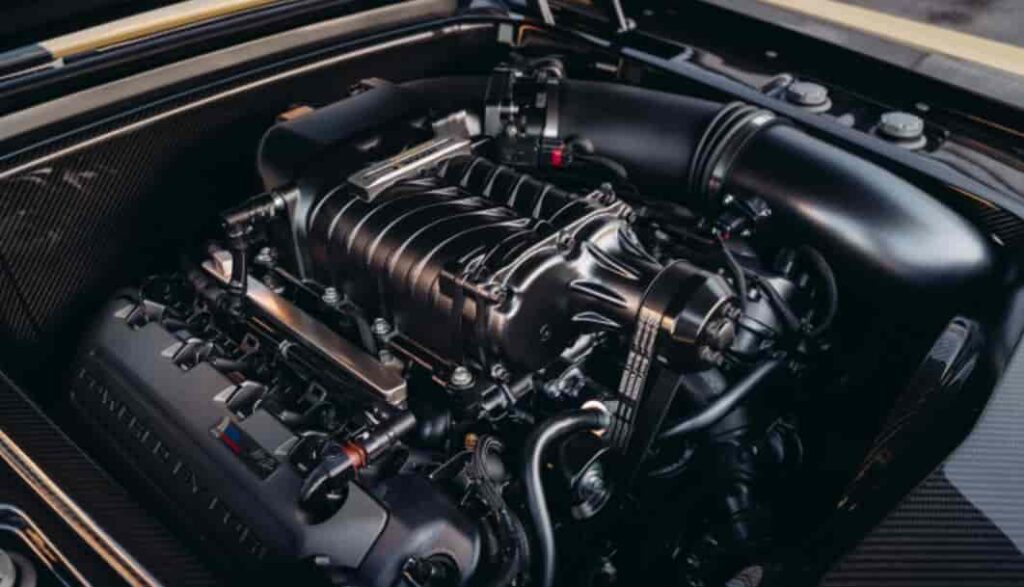
For those who want significant power gains, forced induction offers a powerful solution. Adding a turbocharger or supercharger can push the Ford 302 far beyond its original limits. With the right setup, the engine can produce well over 400 horsepower. However, this requires proper tuning and supporting upgrades to maintain reliability.
Cylinder head upgrades also play a major role. Better flowing heads improve combustion efficiency and unlock more power without sacrificing stability. Many builders combine this with exhaust upgrades to maximize performance.
A common mistake many beginners make is upgrading parts without a clear plan. This often leads to poor performance or wasted money. The key is to match upgrades with your goal, whether it is daily driving, street performance, or full racing build.
When you look at the Ford 302 engine specs alongside its upgrade potential, you can see why it remains a favorite in the car community. It offers not just solid performance, but also the freedom to build and customize according to your needs.
Pros and Cons of the Ford 302 Engine
To fully evaluate the Ford 302 Engine Specs, you need to look at both strengths and limitations. No engine is perfect, and understanding the pros and cons helps you make a better decision based on your needs.
Advantages of the Ford 302 Engine
One of the biggest advantages is reliability. The Ford 302 has a long history of durable performance. With proper maintenance, it can run for many years without major issues. This makes it a trusted choice for both daily drivers and project cars.
Another key strength is simplicity. The engine uses a straightforward mechanical design. This makes it easier to repair, maintain, and modify compared to modern engines. You do not need advanced tools or complex diagnostics to work on it.
The availability of parts is also a major benefit. The Ford 302 has been around for decades, so replacement parts and upgrade components are easy to find. This reduces repair costs and gives builders more flexibility.
Performance potential is another strong point. As discussed earlier, the engine supports a wide range of upgrades. You can keep it stock for reliability or push it to much higher power levels with the right setup.
Disadvantages of the Ford 302 Engine
Despite its strengths, the Ford 302 does have limitations. One of the most common concerns is fuel efficiency. Compared to modern engines, it consumes more fuel, especially older versions with carburetors.
Stock performance may also feel limited for some drivers. While the engine delivers balanced power, it may not satisfy those who expect high horsepower without modifications.
Age is another factor to consider. Most Ford 302 engines are decades old. This means some components may wear out and require replacement. Buyers need to inspect used engines carefully to avoid unexpected costs.
Technology is also outdated compared to modern engines. It lacks advanced systems that improve efficiency, emissions, and overall performance.
When you connect these pros and cons with the Ford 302 engine specs, a clear picture emerges. This engine offers reliability, flexibility, and strong upgrade potential, but it requires trade offs in efficiency and modern features.
Conclusion
The Ford 302 Engine Specs continue to prove why this engine remains one of the most respected small block V8s in automotive history. From its balanced horsepower and torque to its oversquare bore and stroke design, every specification reflects a focus on practical performance and long term usability.
What makes the Ford 302 truly stand out is not just the numbers, but how those numbers translate into real driving experience. The engine delivers smooth acceleration, reliable daily performance, and strong responsiveness where it matters most. While it may not match the efficiency or advanced technology of modern engines, it offers something many newer engines lack, which is simplicity and character.
For beginners, the Ford 302 provides an accessible entry point into engine building and modification. For experienced enthusiasts, it offers endless possibilities for performance upgrades. Whether you want a dependable daily driver or a powerful custom build, this engine can adapt to your goals.
Of course, it comes with trade offs such as higher fuel consumption and aging components. However, many drivers consider these small compromises compared to the engine’s durability and flexibility.
In the end, understanding the Ford 302 engine specs helps you make a smarter decision. It allows you to see beyond basic numbers and evaluate how the engine fits your real needs.
So, is the Ford 302 still worth it today? The answer depends on what you value more, modern efficiency or classic performance.
What do you think about the Ford 302 engine? Would you choose it for your next build or daily drive?