The Ford 3.0 diesel engine is often praised for its strong torque and smooth power delivery. Many drivers also appreciate its fuel efficiency, especially for long trips and heavy use. Because of this, the engine appears to be a reliable option at first glance. However, real ownership experience does not always match expectations. Over time, many drivers begin searching for Ford 3.0 Diesel Problems.
In most cases, this search starts for a clear reason. Some owners already notice early warning signs. For example, they may experience power loss, unusual engine noise, or rising maintenance costs. Others are planning to buy a used Ford vehicle with this engine. Therefore, they want to understand the risks before making a long term decision. In both situations, the concern is the same. Is the engine truly reliable in daily driving conditions?
For this reason, this article focuses on Ford 3.0 diesel problems reported by real owners. Instead of repeating marketing claims, it explains what commonly goes wrong and why these issues appear. In addition, it highlights symptoms that should never be ignored. By the end of this guide, you will have a clear and realistic understanding of what owning a Ford 3.0 diesel engine is actually like.
Contents
Overview of the Ford 3.0 Diesel Engine
Before discussing Ford 3.0 diesel problems in detail, it is important to understand how this engine is designed and where it is commonly used. Context helps explain why certain issues appear over time.
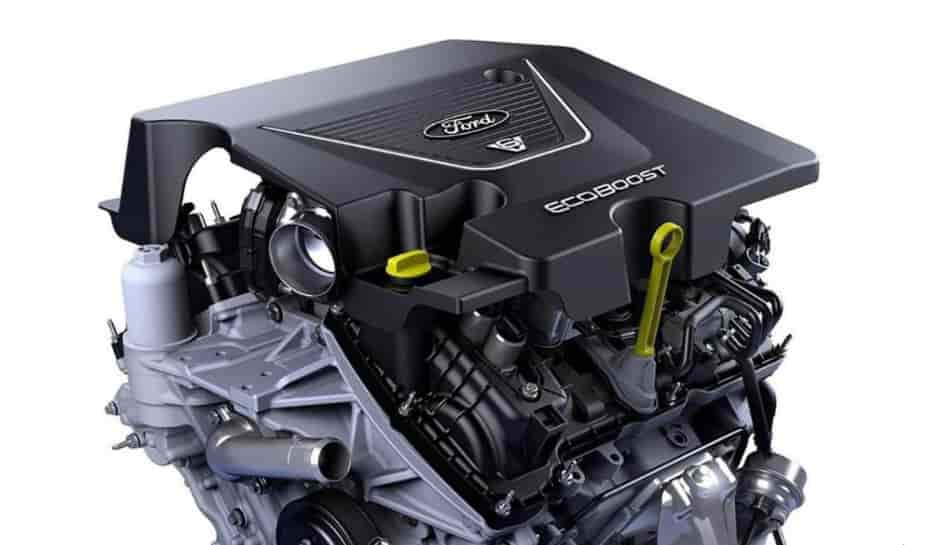
The Ford 3.0 diesel engine is a V6 turbocharged diesel developed to deliver strong torque at low engine speeds. As a result, it performs well in demanding conditions such as towing, off road driving, and long distance travel. Compared to smaller diesel engines, it offers smoother power delivery and better pulling capability. For this reason, Ford positions it as a premium diesel option in several markets.
This engine is commonly found in popular models such as the Ford Ranger and Ford Everest. In these vehicles, the 3.0 diesel is often paired with an automatic transmission and advanced emissions systems. These systems include components like the EGR valve and diesel particulate filter. While they help meet emissions standards, they also add mechanical complexity.
In addition, the engine relies heavily on modern diesel technology. High pressure fuel injectors, turbocharging, and electronic engine management all play a key role in performance. However, increased complexity also means more potential failure points. Over time, wear, driving habits, and maintenance quality can strongly influence reliability.
Understanding this design background makes it easier to see why certain Ford 3.0 diesel problems appear repeatedly in owner reports. The next section breaks down the most common issues and explains how they affect real world driving.
Common Ford 3.0 Diesel Problems
Turbocharger Problems
Turbocharger issues are among the most frequently reported Ford 3.0 diesel problems. Many owners begin to notice these issues after extended use, especially on vehicles driven under heavy load or in hot conditions. At first, the symptoms may feel minor. However, they often become more serious over time.
One common sign is a noticeable loss of power during acceleration. The engine may feel slower than usual, particularly when climbing hills or towing. In some cases, drivers also report a high pitched whining noise coming from the engine bay. As a result, overall driving confidence can drop quickly. Fuel consumption may also increase as the engine struggles to maintain performance.
The root cause is often linked to heat and oil quality. Turbochargers operate under extreme temperatures, and insufficient lubrication can accelerate wear. In addition, delayed oil changes or low quality oil increase the risk of internal damage. Over time, this can lead to boost leaks or complete turbo failure.
Many owner complaints highlight the high repair cost associated with turbo problems. In most markets, replacement or repair is expensive and labor intensive. For this reason, turbocharger failure is considered one of the most financially painful Ford 3.0 diesel issues if ignored.
EGR Valve and DPF Issues
EGR valve and DPF issues are another major source of Ford 3.0 diesel problems, especially for drivers who mainly use their vehicles in urban conditions. These systems are designed to reduce emissions. However, they are also sensitive to driving habits and maintenance quality.
One of the earliest symptoms is the appearance of a check engine light. In addition, drivers may notice reduced engine response or a sudden drop in fuel efficiency. In some cases, the vehicle can enter limp mode, which limits power to protect the engine. As a result, normal driving becomes frustrating and sometimes unsafe.
These problems often develop when the engine does not reach proper operating temperature. Short trips and frequent stop and go traffic prevent the DPF from regenerating correctly. Over time, soot buildup becomes excessive. The EGR valve may also clog due to carbon deposits, which restricts airflow and affects combustion efficiency.
Many real owner complaints mention repeated warning lights even after repairs. This usually happens when underlying driving patterns do not change. Therefore, EGR and DPF issues tend to return if the root cause is not addressed. While these problems may not destroy the engine immediately, they can lead to high repair costs and long term reliability concerns if ignored.
Fuel Injector Failures
Fuel injector failure is another well known category of Ford 3.0 diesel problems. This issue often develops gradually, which makes it easy for drivers to overlook the early warning signs. However, once injector performance drops, engine behavior can change quickly.
One of the first symptoms is hard starting, especially when the engine is cold. In addition, many owners report rough idling and uneven engine sound at low speeds. As injector efficiency declines, fuel delivery becomes inconsistent. As a result, fuel consumption increases and overall performance decreases.
The main cause is wear from high pressure operation. Modern diesel injectors work under extreme pressure, and even small contamination in the fuel system can accelerate damage. Poor fuel quality and delayed filter replacement also contribute to this problem. Over time, internal injector components may fail to seal properly.
Real owner complaints often highlight the cost of injector replacement. In many cases, multiple injectors fail within a similar mileage range. Therefore, repair costs can rise quickly. If ignored, faulty injectors may also damage other engine components. For this reason, injector issues should be addressed as soon as symptoms appear.
Transmission Related Complaints
Transmission related complaints are frequently mentioned alongside Ford 3.0 diesel problems, even though the gearbox itself is not always the root cause. In many cases, engine behavior directly affects how the transmission performs. As a result, drivers often experience shifting issues that feel mechanical but start from the engine side.
One common complaint is delayed gear engagement, especially during low speed acceleration. Drivers may also notice jerky or rough shifting when the vehicle is cold. In addition, hesitation can occur when moving from a stop, which reduces driving comfort. Over time, these symptoms tend to become more noticeable.
These issues are often linked to torque delivery inconsistencies. When the engine struggles with turbo response, injector performance, or emissions control systems, the transmission receives unstable input. Therefore, shift timing and smoothness suffer. Software calibration also plays a role, especially as components age.
Many owners report improvement after addressing engine related faults rather than replacing transmission parts. For this reason, proper diagnosis is critical. While not every complaint leads to major failure, ongoing transmission symptoms should never be ignored. They often signal deeper Ford 3.0 diesel problems that require early intervention.
Symptoms You Should Never Ignore
Certain warning signs appear repeatedly in Ford 3.0 diesel problems, and ignoring them often leads to higher repair costs. These symptoms may start subtly. However, they tend to worsen quickly if no action is taken.
One serious symptom is engine knocking or unusual metallic noise. This sound often indicates improper combustion or internal wear. In addition, excessive vibration at idle can signal injector imbalance or airflow issues. When these signs appear, engine damage may already be developing.
Another major red flag is limp mode activation. When the vehicle suddenly loses power, the system is protecting itself from further harm. As a result, acceleration becomes limited and normal driving is disrupted. This issue is frequently linked to EGR, DPF, or turbo related faults.
Excessive exhaust smoke is also a warning that should not be ignored. Black smoke often points to poor fuel combustion, while white smoke may indicate injector or internal engine issues. In addition, a strong diesel smell suggests incomplete burning of fuel.
Warning lights deserve immediate attention as well. A check engine light, even if intermittent, usually stores fault codes that reveal developing problems. Therefore, delaying diagnosis increases the risk of cascading failures. Addressing these symptoms early can prevent many serious Ford 3.0 diesel problems and reduce long term ownership costs.
Real Owner Complaints and Experiences
Real world feedback plays a critical role in understanding Ford 3.0 diesel problems. While specifications and test results look impressive, long term ownership reveals patterns that marketing materials rarely mention. For this reason, owner experiences provide valuable insight into how the engine behaves over time.
Many long term owners report that problems often appear after moderate to high mileage. In the early stages, the engine usually feels smooth and responsive. However, after extended use, complaints become more frequent. Common remarks include gradual power loss, inconsistent throttle response, and repeated warning lights. As a result, trust in the vehicle begins to decline.
Another recurring theme is repair frequency. Some owners describe visiting service centers multiple times for related issues. In many cases, repairs temporarily solve the problem but do not address the root cause. Therefore, the same fault may return after a few months. This cycle creates frustration and increases ownership costs.
Cost is also a major concern in owner complaints. Many drivers express surprise at how quickly repair bills add up. Turbo related work, injector replacement, and emissions system repairs are often described as expensive and time consuming. In addition, downtime becomes an issue for those who rely on their vehicle daily.
Despite these complaints, some owners report acceptable reliability with strict maintenance and proper driving habits. This contrast shows that Ford 3.0 diesel problems are not always immediate, but they are closely tied to usage patterns and long term care.
How Serious Are Ford 3.0 Diesel Problems?
Not all Ford 3.0 diesel problems carry the same level of risk. Some issues remain manageable for a long time, while others can escalate quickly if ignored. Therefore, understanding severity helps owners make better maintenance and buying decisions.
Minor problems often include early EGR buildup, sensor related faults, or occasional warning lights. These issues usually affect drivability rather than engine survival. When addressed early, repair costs tend to stay within a reasonable range. As a result, many owners continue driving without major concern.
More serious problems involve turbocharger failure, injector malfunction, or repeated DPF blockage. These issues directly impact engine performance and reliability. In addition, they often appear together, which increases repair complexity. When multiple systems fail at the same time, costs rise rapidly.
Long term damage becomes a real risk when symptoms are ignored. For example, poor fuel delivery can lead to incomplete combustion, which increases internal stress. Over time, this may shorten engine life. Therefore, delayed repairs often turn moderate problems into expensive ones.
Overall, Ford 3.0 diesel problems should not be dismissed as isolated cases. While some engines perform well with proper care, others develop serious faults under similar conditions. This inconsistency is what concerns many owners and buyers. The next section focuses on whether purchasing a used Ford 3.0 diesel is a smart decision.
Should You Buy a Used Ford 3.0 Diesel?
Buying a used vehicle with this engine requires careful evaluation. Ford 3.0 diesel problems do not affect every engine in the same way. However, the risk level increases when maintenance history is unclear. For this reason, a detailed inspection is essential before making a decision.
Mileage is one of the first factors to consider. Engines with higher mileage are more likely to show signs of injector wear, turbo fatigue, or emissions system issues. In addition, vehicles used mainly for short trips often suffer more from DPF and EGR related problems. Therefore, understanding previous driving conditions matters as much as mileage itself.
Service records provide valuable clues. Regular oil changes, fuel filter replacement, and documented repairs suggest responsible ownership. On the other hand, missing records increase uncertainty. As a result, potential repair costs should be factored into the purchase price.
A test drive can also reveal hidden issues. Hesitation during acceleration, rough shifting, or warning lights indicate underlying problems. In such cases, professional diagnostics are strongly recommended. While some used Ford 3.0 diesel vehicles offer good value, others carry expensive risks. Making an informed choice reduces the chance of unexpected ownership costs.
Maintenance Tips to Reduce Ford 3.0 Diesel Problems
Proper maintenance plays a major role in reducing Ford 3.0 diesel problems over time. While no engine is immune to wear, good care can slow down failure and lower repair risk. For this reason, maintenance habits often separate reliable engines from problematic ones.
Oil quality and oil change intervals are critical. The turbocharger and internal components rely on clean oil for lubrication and cooling. Delayed oil changes increase heat stress and accelerate wear. Therefore, using the correct oil grade and changing it on time is essential.
Fuel system care is equally important. High pressure injectors are sensitive to contamination. Replacing fuel filters regularly helps protect them from damage. In addition, using good quality diesel fuel reduces carbon buildup and improves combustion stability.
Driving habits also influence reliability. Vehicles used mainly for short trips often struggle with DPF regeneration. As a result, soot accumulates faster. Taking the vehicle on longer drives at steady speed allows the system to clean itself. This simple habit can reduce recurring warning lights.
Regular diagnostics should not be ignored. Even when no warning light is active, scanning for fault codes can reveal early issues. Addressing problems early prevents small faults from becoming expensive Ford 3.0 diesel problems later.
Conclusion
Ford 3.0 diesel problems are not myths created by online discussions. They are real issues reported by many owners over time. While the engine delivers strong performance and solid torque, long term reliability depends heavily on usage patterns and maintenance quality. Therefore, expectations should remain realistic.
Some problems, such as early emissions system faults or minor sensor issues, can be managed without major disruption. However, more serious failures involving turbochargers, injectors, or repeated DPF blockage often lead to high repair costs. As a result, ignoring early symptoms increases financial risk and shortens engine life.
For current owners, awareness is the most effective form of protection. Recognizing warning signs and acting early can prevent many expensive repairs. In addition, consistent maintenance and proper driving habits improve long term reliability. These steps make ownership more predictable and less stressful.
For buyers, especially those considering a used vehicle, caution is essential. A thorough inspection and clear service history reduce uncertainty. While some Ford 3.0 diesel engines perform well for many years, others develop problems sooner than expected. Understanding these risks allows for smarter decisions.
In the end, Ford 3.0 diesel problems do not automatically make the engine a poor choice. However, informed ownership is critical. Knowing what to expect is the key to avoiding costly surprises.