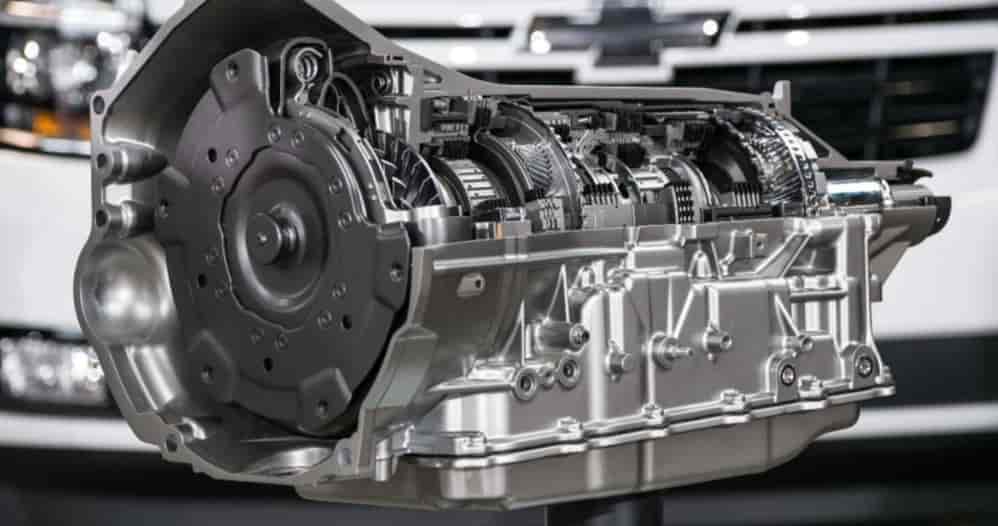
The Ford 10R80 transmission appears in many popular Ford vehicles, including full size trucks and performance focused models. Ford introduced this 10 speed automatic transmission to deliver smoother gear changes, better fuel efficiency, and stronger driving performance. In theory, the design aimed to improve everyday driving. In practice, many owners have reported a very different experience.
Drivers across the United States have shared complaints about harsh shifting, delayed gear engagement, and sudden downshifts while driving. These issues often occur without warning and can affect both comfort and control. As reports increased, concern around the Ford 10R80 Transmission Recall also grew. Owners began to question whether these problems pointed to a larger defect rather than isolated cases.
Many drivers now face uncertainty. Some notice clear transmission symptoms but never receive an official recall notice. Others hear about the recall but remain unsure if their vehicle qualifies. This confusion often leads owners to delay action. Over time, ignoring early warning signs can result in greater transmission damage or increased safety risks on the road.
This article explains the Ford 10R80 Transmission Recall in a clear and practical way. It outlines which Ford models and model years commonly face this issue, highlights the most frequent symptoms, and guides owners on what steps to take next. Whether your vehicle already shows signs of trouble or you simply want reliable information, understanding this recall helps you make informed decisions and protect your vehicle.
Contents
- What Is the Ford 10R80 Transmission Recall?
- Affected Ford Models and Model Years
- Common Symptoms of Ford 10R80 Transmission Problems
- Safety Risks and Why Owners Should Not Ignore the Recall
- What Owners Should Do Next
- Can You Get a Free Repair? Warranty and Recall Coverage Explained
- Conclusion: Stay Informed and Protect Your Vehicle
What Is the Ford 10R80 Transmission Recall?
The Ford 10R80 Transmission Recall refers to official actions taken to address defects linked to the 10 speed automatic transmission used in several Ford vehicles. Ford designed the 10R80 to improve performance and efficiency, but real world driving revealed problems that affected both reliability and safety. As reports increased, Ford and safety regulators began to investigate patterns in owner complaints.
The recall focuses on transmission behavior that can cause unexpected or unsafe driving conditions. Many owners reported harsh or erratic shifting, delayed response when accelerating, and sudden downshifts at speed. These issues do not simply reduce driving comfort. In certain situations, they can increase the risk of losing control, especially during highway driving or when merging into traffic.
It is important to understand that a recall does not mean every 10R80 transmission will fail. Instead, it indicates that Ford identified a defect or design related issue that appears more often in specific vehicles or production periods. When a vehicle qualifies, Ford offers an inspection or repair at no cost to the owner. The goal is to correct the problem before it leads to serious damage or safety incidents.
Many owners confuse recalls with general transmission complaints or Technical Service Bulletins. A recall carries greater importance. It involves safety concerns and legal obligations. Ford must notify affected owners and provide a repair solution. This is why understanding whether your vehicle falls under the Ford 10R80 Transmission Recall matters. Acting early can prevent further transmission wear and reduce potential safety risks.
Affected Ford Models and Model Years
Ford installed the 10R80 transmission across a wide range of vehicles, which makes the recall confusing for many owners. Not every vehicle equipped with this transmission qualifies for recall service. Eligibility depends on the model, model year, and production details. For this reason, owners should avoid assumptions and rely on verified information.
Several Ford models appear more frequently in recall discussions and owner reports. These include the Ford F 150, Ford Mustang, Ford Ranger, Ford Expedition, and Ford Bronco. Most cases involve vehicles produced between the late 2010s and early 2020s. During this period, Ford expanded the use of the 10R80 transmission across both trucks and performance focused vehicles.
The Ford F 150 stands out as the most commonly mentioned model. Many owners reported rough shifting at low speeds and unexpected downshifts while cruising. Mustang owners also described delayed gear engagement and inconsistent shift behavior, especially during normal city driving. Similar complaints surfaced among Ranger and Expedition drivers, though at a lower volume.
It is important to note that production changes, software updates, and component revisions occurred over time. Two vehicles from the same model year may not share the same recall status. Ford determines eligibility using the vehicle identification number rather than the transmission name alone. This approach helps ensure that only affected vehicles receive recall repairs.
If your vehicle falls within these model groups, checking your VIN remains the most reliable next step. Even if you do not see your exact model year listed online, official recall databases provide accurate and updated information. This step protects owners from unnecessary worry while ensuring that those who qualify receive proper repairs.
Common Symptoms of Ford 10R80 Transmission Problems
Owners often notice early warning signs before serious transmission damage occurs. These symptoms usually appear during normal driving conditions and tend to repeat over time. Recognizing them early can help prevent further issues and reduce safety risks.
One of the most common symptoms involves harsh or abrupt shifting between gears. Drivers may feel a strong jolt when the transmission changes gears, especially at low speeds. This behavior often occurs during stop and go traffic and can make the vehicle feel unstable or unpredictable.
Delayed gear engagement represents another frequent complaint. After shifting from park to drive or reverse, the vehicle may hesitate before moving. This delay can create dangerous situations in parking lots or busy intersections. Many owners also report sudden downshifts while cruising at steady speeds. These downshifts can surprise drivers and cause a brief loss of control.
Some vehicles experience gear slipping, where the transmission struggles to stay in the selected gear. The engine may rev higher than expected without a matching increase in speed. In other cases, drivers feel a shudder or vibration during acceleration. This sensation often signals internal transmission stress and should not be ignored.
Warning messages or check engine lights may appear in more advanced cases. However, not all affected vehicles display dashboard alerts. Relying only on warning lights can delay proper diagnosis. If your vehicle shows any of these symptoms, they may relate to issues addressed by the Ford 10R80 Transmission Recall. Early action can limit damage and improve long term reliability.
Safety Risks and Why Owners Should Not Ignore the Recall
Transmission problems linked to the 10R80 can affect more than driving comfort. In certain situations, they can increase the risk of accidents. Sudden changes in vehicle behavior often catch drivers off guard, especially when they occur at higher speeds or in heavy traffic.
Unexpected downshifts present one of the most serious safety concerns. When a vehicle downshifts without driver input, it can cause abrupt deceleration. Drivers behind may not anticipate the slowdown, which raises the risk of rear end collisions. On highways, this behavior can feel alarming and reduce confidence behind the wheel.
Harsh shifting also affects vehicle stability. Strong jolts during gear changes can disrupt smooth acceleration, making it harder to maintain consistent control. In wet or uneven road conditions, this instability can increase the chance of losing traction. Delayed gear engagement creates another risk. Hesitation when pulling into traffic or backing out of a parking space can place drivers in vulnerable positions.
Many owners ignore early symptoms because the vehicle still moves and appears functional. This assumption can lead to greater danger over time. Continued driving with transmission defects may worsen internal damage and increase the likelihood of sudden failures. Addressing the issue early through the Ford 10R80 Transmission Recall helps reduce these risks and supports safer driving conditions.
What Owners Should Do Next
Owners who suspect transmission issues should act as soon as possible. Waiting for problems to worsen can increase repair costs and safety risks. Taking the right steps early helps protect both the vehicle and its occupants.
The first step involves checking the vehicle identification number through official recall databases. This check confirms whether the vehicle qualifies for the Ford 10R80 Transmission Recall. Owners should rely on verified sources rather than online rumors or forum posts. Recall status can change as investigations continue.
If the vehicle qualifies, contacting an authorized Ford dealer should follow. Dealers can explain the repair process, schedule an inspection, and confirm coverage details. Owners should clearly describe any symptoms they have noticed, even if they seem minor. Clear communication helps technicians identify issues more efficiently.
Owners who experience symptoms but do not see an active recall should still seek professional evaluation. Some vehicles show problems related to the same transmission design without appearing on recall lists. In these cases, dealers may reference service updates or diagnostic procedures that address similar concerns.
Keeping records also matters. Owners should save service invoices, recall notices, and communication with dealers. Documentation supports future warranty claims and helps resolve disputes if coverage questions arise. Acting early and staying informed gives owners the best chance to reduce long term damage and maintain safe vehicle operation.
Can You Get a Free Repair? Warranty and Recall Coverage Explained
One of the biggest concerns for owners involves repair costs. Transmission work often carries a high price, which makes recall coverage especially important. In most recall cases related to the Ford 10R80 Transmission Recall, Ford covers the cost of inspection and approved repairs.
When a vehicle qualifies for the recall, owners should not pay for parts or labor tied directly to the recall issue. Ford designs recall programs to correct defects that affect safety or reliability. Dealers complete these repairs according to official guidelines and at no charge to the owner. The exact repair may involve software updates, component replacement, or further inspection depending on the vehicle.
Warranty status does not usually block recall coverage. Even if the factory warranty has expired, recall repairs remain valid. This protection exists because recalls address defects rather than normal wear. However, unrelated transmission damage may fall outside recall coverage. Dealers can explain which repairs qualify and which do not.
Some owners already paid for transmission repairs before learning about the recall. In certain cases, Ford may offer reimbursement if the repair matches the recall issue and meets program requirements. Owners should keep detailed records and contact Ford customer support for guidance.
Understanding coverage details helps owners avoid unnecessary expenses. Asking clear questions at the dealership and confirming recall eligibility ensures that owners receive the full benefits offered under the Ford 10R80 Transmission Recall.
Conclusion: Stay Informed and Protect Your Vehicle
The Ford 10R80 Transmission Recall highlights the importance of staying informed about vehicle safety and reliability. Transmission issues often start with small changes in driving behavior, but they can lead to serious risks if ignored. Understanding which models face higher exposure and recognizing early symptoms gives owners a clear advantage.
This recall does not affect every Ford vehicle with a 10R80 transmission. However, many popular models fall within the risk group. Checking recall status through official channels remains the most reliable way to confirm eligibility. Acting early can prevent further damage and reduce the chance of unexpected driving hazards.
Owners should not assume that unusual shifting is normal or harmless. Harsh gear changes, delayed engagement, and sudden downshifts deserve attention. These signs often point to deeper issues addressed by the Ford 10R80 Transmission Recall. Taking prompt action protects both vehicle performance and personal safety.
Staying proactive also helps owners avoid unnecessary repair costs. Recall coverage often includes free inspection and repair, even when factory warranties have expired. By documenting symptoms and working closely with authorized dealers, owners can resolve issues with greater confidence.
Informed decisions lead to safer driving. By understanding the Ford 10R80 Transmission Recall and following the right steps, owners place themselves in a stronger position to protect their vehicles and drive with peace of mind.