The Ford 10 Speed Transmission offers advanced performance and smooth shifting, but many owners face recurring issues that can lead to expensive repairs. Learning about Ford 10 Speed Transmission Problems helps you protect your vehicle and avoid unexpected breakdowns.
Small signs often appear before major failures. Ignoring these warnings can affect your driving experience and increase stress. Recognizing the symptoms early allows you to act quickly and save both time and money.
This guide covers the main causes of Ford 10 Speed Transmission Problems, shows the warning signs you should watch for, and provides practical solutions. By following these tips, you can maintain your transmission, make informed repair decisions, and enjoy a reliable driving experience. Staying aware of potential issues is the first step toward keeping your Ford in top condition.
Contents
Common Causes of Ford 10 Speed Transmission Problems
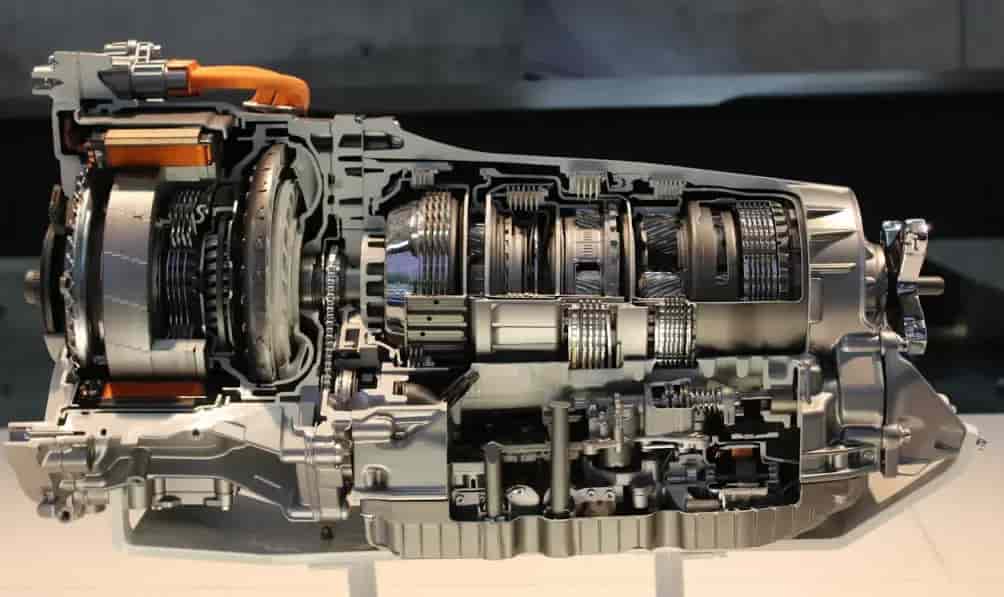
Ford 10 Speed Transmission Problems often start with mechanical wear and tear. Over time, gears, clutches, and bands can degrade, causing rough shifting or slipping. Drivers may notice hesitation when changing gears or sudden jerks during acceleration. Low or contaminated transmission fluid is another frequent cause. Without proper fluid levels and quality, the transmission cannot operate smoothly. Increased friction and heat can lead to premature wear and serious damage.
Software-related issues also contribute to transmission problems. The transmission control module manages shift patterns and timing. Outdated or glitchy software can make shifts feel harsh, delayed, or inconsistent. Certain Ford models, such as the F-150, Mustang, and Explorer with the 10R80 transmission, appear more prone to these issues. Aggressive driving and towing heavy loads can worsen the situation by putting extra stress on components.
Ignoring early signs often results in more serious failures, including complete transmission breakdowns. Many owners report that regular transmission fluid changes and timely software updates can significantly reduce the risk of major problems. Understanding that Ford 10 Speed Transmission Problems often stem from mechanical, fluid, and software causes helps drivers take preventive action. Scheduling maintenance and addressing issues early ensures the vehicle runs reliably for many years.
Signs Your Ford 10 Speed Transmission is Failing
Recognizing the signs of Ford 10 Speed Transmission Problems early can save drivers from costly repairs. One of the most common symptoms is rough or delayed shifting. You may feel hesitation when the vehicle changes gears or experience sudden jerks while accelerating. Another noticeable sign is slipping. The engine may rev higher than expected without an increase in speed, indicating the transmission is not engaging properly. Unusual noises also signal potential issues. Grinding, whining, or clunking sounds during gear changes often point to worn components or fluid problems.
Some drivers notice warning lights on the dashboard, such as the check engine light or transmission warning indicator. Ignoring these alerts can lead to more severe failures. Fluid leaks are another red flag. Transmission fluid that appears dark, burnt, or low can cause overheating and damage the internal parts. Excessive vibrations or shuddering while driving, especially at specific speeds, often indicate mechanical or software-related transmission issues.
Fun fact, many owners report that acting promptly on these signs, such as scheduling a service visit or performing a fluid change, can prevent small problems from escalating. Understanding these symptoms empowers drivers to maintain their vehicles proactively and reduce the risks associated with Ford 10 Speed Transmission Problems. Early detection and timely intervention are crucial to keeping your transmission in optimal condition and ensuring a smooth driving experience.
How to Fix Ford 10 Speed Transmission Problems
Fixing Ford 10 Speed Transmission Problems begins with proper diagnosis. Identifying whether the issue is mechanical, fluid-related, or software-based is the first step. Many minor problems can be resolved by replacing or topping up transmission fluid. Fresh fluid improves lubrication, reduces friction, and can restore smooth shifting. For more serious mechanical issues, such as worn clutches or damaged gears, professional repair or replacement is often necessary. Choosing a certified Ford service center ensures that repairs meet factory standards and maintain vehicle reliability.
Software updates also play a critical role in fixing transmission problems. The transmission control module often receives updates to improve shift timing and reduce harsh or delayed shifts. Installing the latest software can resolve many issues without replacing physical components. Some drivers successfully perform preventive maintenance, including fluid changes and periodic inspections, which greatly reduces the likelihood of future failures.
It is important to avoid delaying repairs. Ignoring symptoms can escalate minor problems into complete transmission failure, which is costly and time-consuming to fix. Fun fact, owners who follow recommended maintenance schedules and promptly address warning signs report significantly higher transmission longevity. By understanding how to fix Ford 10 Speed Transmission Problems and taking timely action, drivers can maintain smooth performance, reduce repair costs, and enjoy a reliable driving experience for years.
Preventive Tips and Maintenance for Ford 10 Speed Transmission Problems
Preventing Ford 10 Speed Transmission Problems is often easier and cheaper than repairing them. Regular transmission fluid changes are one of the most effective ways to maintain performance. Fresh fluid reduces friction, prevents overheating, and protects internal components. Checking fluid levels frequently helps catch leaks early, avoiding more serious damage.
Keeping software up to date is also crucial. Transmission control module updates can improve shift quality and prevent issues caused by outdated programming. Many owners schedule these updates during routine service visits, ensuring that the transmission operates efficiently.
Driving habits play a significant role in transmission longevity. Avoiding aggressive acceleration, heavy towing without proper preparation, and rapid gear changes reduces stress on the transmission. Additionally, following the manufacturer’s recommended maintenance schedule ensures that mechanical components are inspected and serviced regularly.
Fun fact, owners who combine regular maintenance with careful driving report fewer instances of transmission problems and enjoy smoother shifting over the long term. Understanding these preventive measures allows drivers to address Ford 10 Speed Transmission Problems before they escalate, saving time, money, and frustration. Taking proactive steps helps maintain reliability and extends the life of the transmission, giving drivers confidence in their Ford vehicles every day.
Conclusion
Ford 10 Speed Transmission Problems can cause stress and costly repairs, but understanding the causes, signs, and solutions empowers drivers to take control. Mechanical wear, low or contaminated fluid, and software issues are the most common contributors. Recognizing early warning signs such as rough shifting, slipping, unusual noises, or warning lights helps prevent minor issues from escalating into major failures.
Timely maintenance, including fluid changes, software updates, and professional inspections, can significantly reduce the risk of transmission problems. Safe driving habits, avoiding aggressive acceleration, and following manufacturer-recommended service schedules also play an important role in extending transmission life. Owners who act proactively report smoother shifts and greater confidence on the road.
Taking preventive measures and addressing issues early allows drivers to maintain reliability and enjoy a long-lasting, efficient transmission. If you notice any symptoms or suspect Ford 10 Speed Transmission Problems, schedule a service visit promptly. Staying informed and proactive is the key to avoiding expensive repairs and keeping your Ford vehicle performing at its best. Share your experience or tips in the comments to help other drivers understand and prevent these transmission issues.