Is the Ford 1.5 EcoBoost engine a smart investment or a hidden financial risk waiting to happen? This is a question many car buyers and current owners are asking as reports of engine issues continue to surface across forums, repair shops, and owner communities.
At first glance, the 1.5 EcoBoost engine seems like an ideal balance between performance and fuel efficiency. Ford designed this engine to deliver strong power from a smaller displacement while keeping fuel consumption low. For many drivers, this promise is exactly what makes EcoBoost technology so appealing.
However, beneath that promise lies a growing concern. Many owners have reported serious problems such as coolant intrusion, overheating, and even complete engine failure. These issues are not only frustrating but can also lead to repair costs that reach thousands of dollars, turning what seemed like a smart purchase into a costly mistake.
In this complete guide to Ford 1.5 EcoBoost problems, you will discover the real causes behind these failures, the warning signs you should never ignore, and the proven fixes that can help you avoid expensive repairs. Whether you already own a vehicle with this engine or are considering buying one, understanding these risks could save you time, money, and stress.
Contents
What Is the Ford 1.5 EcoBoost Engine?
Before diving deeper into Ford 1.5 EcoBoost problems, it is important to understand what this engine is and why it became so popular in the first place. This foundation helps readers connect the technical issues with real world performance and expectations.
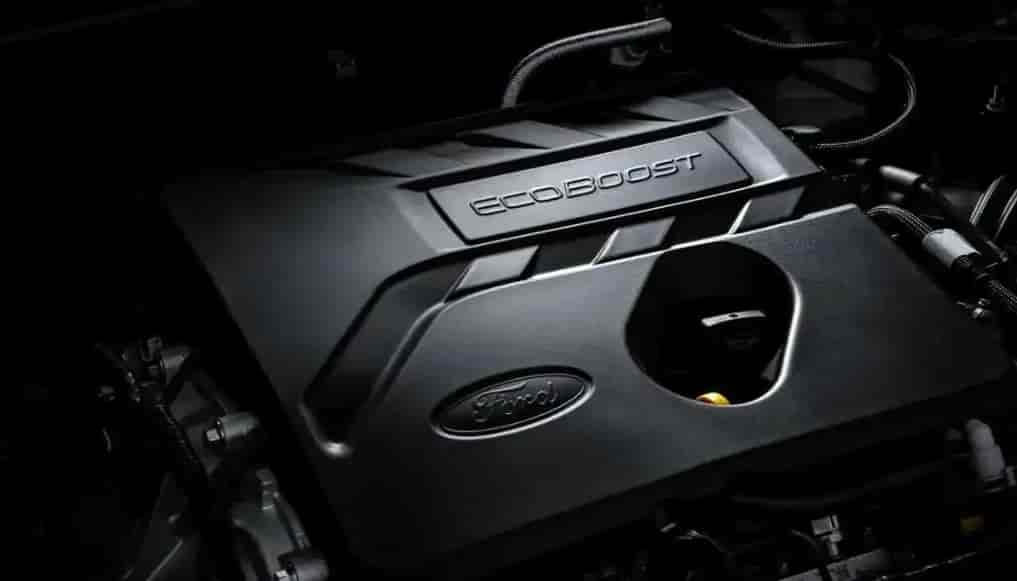
The Ford 1.5 EcoBoost engine is part of Ford’s downsizing strategy, which focuses on delivering better fuel efficiency without sacrificing performance. It is a turbocharged engine that uses direct fuel injection and advanced engineering to produce more power from a smaller displacement. Depending on the model and year, this engine appears in both three cylinder and four cylinder configurations.
Ford has widely used the 1.5 EcoBoost engine in several popular vehicles such as the Ford Escape, Ford Fusion, and Ford Focus. These are mainstream cars that attract daily drivers, families, and commuters who want a balance between fuel economy and driving comfort.
On paper, the engine offers clear advantages. It provides good acceleration for its size, improved fuel efficiency compared to larger engines, and lower emissions. These benefits made it an attractive choice for buyers looking to save money on fuel while still enjoying responsive performance.
However, this same complexity also introduces potential weaknesses. Turbocharging systems, direct injection, and compact engine design can increase stress on internal components. Over time, these factors contribute to many of the Ford 1.5 EcoBoost problems that owners experience today.
Understanding this background is essential because it explains why an engine designed for efficiency can sometimes develop costly and unexpected failures.
Most Common Ford 1.5 EcoBoost Problems
Understanding the most common Ford 1.5 EcoBoost problems is essential if you want to avoid unexpected breakdowns and expensive repairs. These issues are not random. They often stem from design limitations, material weaknesses, or long term stress inside a compact turbocharged engine. Below are the most frequently reported problems that every owner and buyer should be aware of.
Coolant Intrusion Issue
One of the most serious Ford 1.5 EcoBoost problems is coolant intrusion. This issue occurs when coolant leaks into the engine cylinders due to cracks in the engine block or internal structural weaknesses. Instead of staying within the cooling system, the coolant enters the combustion chamber, where it should never be.
This problem is extremely dangerous because it can lead to engine misfires, overheating, and eventually complete engine failure. Many drivers only discover the issue after noticing white smoke from the exhaust or a sudden drop in coolant levels without any visible external leak.
The biggest concern is the cost. In many cases, fixing coolant intrusion requires a full engine replacement rather than a simple repair. This can easily cost several thousand dollars, making it one of the most feared issues among Ford owners.
Engine Overheating
Engine overheating is another common issue closely related to coolant system failures. When the cooling system does not function properly, heat builds up quickly inside the engine, especially under heavy driving conditions or in hot climates.
Overheating can be caused by coolant leaks, a failing water pump, or internal block damage. Once the engine temperature rises beyond safe levels, critical components begin to wear out faster or warp under heat stress.
Drivers may notice warning lights, rising temperature gauges, or a burning smell. Ignoring these signs can lead to severe damage, including warped cylinder heads or complete engine shutdown. In many cases, overheating is not just a standalone problem but a symptom of deeper Ford 1.5 EcoBoost problems such as coolant intrusion.
Head Gasket Failure
Head gasket failure is another costly and frustrating issue. The head gasket plays a critical role in sealing the combustion chamber and keeping oil and coolant separated. When it fails, these fluids can mix or leak into areas where they do not belong.
Common symptoms include white exhaust smoke, loss of engine power, and milky oil. Once the gasket is damaged, engine performance drops significantly, and the risk of further internal damage increases.
Repairing a head gasket is labor intensive and expensive. If not addressed early, it can lead to full engine failure. This is why many experts consider it one of the key Ford 1.5 EcoBoost problems that should never be ignored.
Turbocharger Problems
The turbocharger is a core component of the EcoBoost system, but it is also a potential point of failure. Over time, the turbo can suffer from oil contamination, worn bearings, or pressure imbalances.
When the turbo starts to fail, drivers may notice reduced power, delayed acceleration, or unusual whining noises. In some cases, the engine may enter a limp mode to prevent further damage.
Although turbo issues are not always as catastrophic as coolant intrusion, they still require costly repairs or replacement. Since the turbo operates under high heat and pressure, even minor maintenance neglect can lead to serious problems.
Carbon Build Up from Direct Injection
Another hidden issue comes from the direct injection system. Unlike traditional engines, fuel is injected directly into the combustion chamber instead of over the intake valves. This design improves efficiency but also allows carbon deposits to build up over time.
As carbon accumulates, it restricts airflow and reduces engine performance. Drivers may experience rough idling, engine knocking, or reduced fuel efficiency. In severe cases, it can even contribute to misfires.
Cleaning carbon build up requires specialized service and adds to long term maintenance costs. While this issue is less dramatic than engine failure, it still plays a role in the overall reliability concerns associated with Ford 1.5 EcoBoost problems.
These problems highlight a critical reality. While the engine offers strong performance and efficiency on paper, the long term reliability can be affected by several serious issues. Recognizing these problems early is the key to preventing costly damage and making smarter decisions as an owner or buyer.
Symptoms of Ford 1.5 EcoBoost Problems
Recognizing early symptoms of Ford 1.5 EcoBoost problems can make the difference between a simple repair and a complete engine replacement. Many of the most serious issues do not appear suddenly. Instead, they develop gradually and give warning signs that drivers often overlook.
One of the most common symptoms is white smoke coming from the exhaust. This usually indicates that coolant is entering the combustion chamber, a clear sign of coolant intrusion or head gasket failure. If this symptom appears, the engine should be inspected immediately to prevent further damage.
Another warning sign is engine misfire or rough performance. The car may feel unstable during acceleration, or the engine may hesitate when you press the gas pedal. This can be caused by coolant leaks, carbon build up, or internal engine damage.
Unexplained coolant loss is also a major red flag. If the coolant level drops regularly but there are no visible leaks under the car, it often means the coolant is leaking internally. This is one of the most dangerous Ford 1.5 EcoBoost problems because it is difficult to detect without proper inspection.
Overheating is another symptom that should never be ignored. If the temperature gauge rises above normal or warning lights appear on the dashboard, the engine may already be under serious stress. Continued driving in this condition can lead to irreversible damage.
Drivers may also notice a rough idle or unusual engine vibrations. This often indicates combustion issues or carbon build up affecting engine efficiency. In some cases, there may also be a noticeable loss of power, making the vehicle feel less responsive than usual.
These symptoms often appear in combination rather than isolation. The earlier they are identified, the higher the chance of avoiding expensive repairs. Paying attention to these warning signs is essential for anyone dealing with Ford 1.5 EcoBoost problems.
Proven Fixes and Repair Costs
Ford 1.5 EcoBoost problems can become costly if owners ignore early signs. Coolant intrusion often requires a full engine replacement because cracks in the engine block allow coolant into the cylinders. Many owners spend between 4000 and 7000 dollars to replace the engine, making this issue the most expensive among common problems.
Head gasket failure also demands attention. Mechanics typically need to disassemble the engine partially to replace the gasket. Repairing it costs 1500 to 3000 dollars, but fixing it early prevents further damage and higher expenses.
Cooling system issues such as leaks, faulty water pumps, or thermostats are easier to handle. Repairs usually cost 300 to 1200 dollars. Ignoring them can lead to overheating, which may damage the engine and increase repair costs.
Turbocharger problems occur when bearings wear out or oil supply becomes insufficient. Owners may spend 1000 to 2500 dollars to repair or replace the turbo. Regular oil changes and maintenance can significantly extend its life.
Carbon build up in the direct injection system reduces engine performance over time. Cleaning the carbon costs 200 to 600 dollars, adding to long term maintenance expenses.
The main lesson for owners and buyers is clear. Addressing symptoms early, performing regular maintenance, and understanding repair costs can prevent minor issues from turning into expensive disasters. Active attention to these problems protects both the engine and your wallet.
Model Years to Avoid
Not all Ford 1.5 EcoBoost engines are equally reliable. Some model years show a higher frequency of reported problems, and knowing which ones to avoid can save you significant repair costs. Mechanics and owner forums indicate that vehicles from 2017 to 2019 experienced more coolant intrusion and head gasket failures compared to later years. These models often show early signs of engine overheating or unusual wear in turbochargers, suggesting that the design improvements implemented in later models were not present yet.
Owners who purchased cars from these years frequently report white exhaust smoke, unexpected coolant loss, and frequent visits to repair shops. These recurring problems highlight a pattern that prospective buyers should consider carefully. Inspecting the engine thoroughly or asking for detailed maintenance records becomes essential when considering these model years.
Models from 2020 onward tend to have improved engine components, better cooling systems, and updated software that reduces the risk of common failures. While no engine is completely immune, choosing a newer model decreases the likelihood of encountering serious issues and lowers long-term maintenance costs.
By focusing on the model year as a key factor in your purchase decision, you can avoid the most problematic engines and select a Ford 1.5 EcoBoost that balances performance with reliability. Always check service histories, ask about past repairs, and consider a professional inspection before finalizing your purchase. This proactive approach helps you make an informed decision and reduces the chance of unexpected engine problems.
Is the Ford 1.5 EcoBoost Engine Reliable?
The reliability of the Ford 1.5 EcoBoost engine depends largely on how owners maintain it and the model year of the vehicle. On paper, the engine offers strong performance and excellent fuel efficiency, which made it popular among daily drivers and commuters. Its turbocharged design provides more power from a smaller displacement, and the direct injection system contributes to improved fuel economy. Many drivers enjoy smooth acceleration, responsive handling, and lower fuel costs, which are clear advantages over larger naturally aspirated engines.
However, these benefits come with potential risks. The compact, high-pressure design creates stress on internal components, increasing the likelihood of issues such as coolant intrusion, head gasket failures, and turbocharger problems. While not every engine will experience these failures, the frequency of reported problems in certain model years suggests that the design may have weak points that owners must monitor carefully.
Maintenance plays a critical role in reliability. Regular oil changes, coolant checks, and professional inspections can significantly reduce the risk of serious engine problems. Ignoring maintenance schedules increases the chance of failures and costly repairs. Owners who follow these preventive measures often report fewer problems and longer engine life.
In summary, the Ford 1.5 EcoBoost engine can be reliable if maintained properly and if you choose the right model year. It delivers a balance of performance and efficiency, but potential buyers should be aware of the documented issues and take proactive steps to minimize risk. Understanding both the advantages and vulnerabilities allows drivers to make informed decisions and enjoy the benefits of the engine without unexpected setbacks.
Should You Buy a Car with This Engine?
Deciding whether to buy a Ford 1.5 EcoBoost vehicle requires careful consideration of its known problems and maintenance needs. If you already own one, understanding potential risks can help you prevent expensive repairs. If you plan to buy, knowing the issues can guide you toward a smarter purchase decision.
For buyers considering used cars, the most important factor is the model year. Avoid vehicles from 2017 to 2019, as these years show higher reports of coolant intrusion, head gasket failures, and overheating. Opting for models from 2020 onward reduces the likelihood of encountering major problems because Ford improved engine components and software updates during later production years.
Regular maintenance is essential. Check service records to ensure consistent oil changes, coolant flushes, and any turbocharger inspections. A pre-purchase professional inspection is highly recommended, as it can uncover hidden signs of engine stress, leaks, or carbon build up that may not appear during a casual test drive.
For owners of vehicles with symptoms such as white exhaust smoke, rough idle, or overheating, addressing problems early is critical. Small repairs such as cooling system fixes, turbo maintenance, or carbon cleaning can prevent minor issues from escalating into full engine replacement, saving thousands of dollars in the long run.
Ultimately, the Ford 1.5 EcoBoost engine can be a reliable choice if you select the right model year and commit to proactive maintenance. Being informed about known problems, performing inspections, and addressing issues promptly helps you enjoy the benefits of performance and fuel efficiency while minimizing financial risk.
Conclusion
Ford 1.5 EcoBoost Problems are a significant concern for both current owners and potential buyers. These issues, including coolant intrusion, head gasket failure, turbocharger malfunctions, and carbon build up, can lead to expensive repairs if not addressed promptly. Understanding the causes and recognizing the early symptoms allows drivers to take action before small problems escalate into major engine damage.
Choosing the right model year is crucial. Vehicles from 2017 to 2019 report more frequent issues, while models from 2020 onward show improvements in engine components and software. Regular maintenance, such as oil changes, coolant checks, and professional inspections, can significantly reduce the risk of encountering serious problems.
For anyone considering buying a used Ford with a 1.5 EcoBoost engine, a thorough inspection and review of service records are essential. Owners who address problems early and follow preventive measures enjoy the engine’s benefits, including strong performance and fuel efficiency, without facing unexpected financial burdens.
Being informed about Ford 1.5 EcoBoost Problems, acting proactively, and maintaining the vehicle properly are key to ensuring reliability. Awareness and timely action protect your investment and give you confidence in your driving experience.