Ford 1.5 3-Cylinder Engine Problems often concern drivers who expect modern engines to deliver both efficiency and long term reliability. Ford introduced this engine as part of its EcoBoost strategy to meet stricter emissions rules and improve fuel economy. The company aimed to offer strong performance from a smaller and lighter design. In theory, the concept makes sense. In daily use, many owners report mixed results.
This engine appears in popular models like the Ford Escape and Bronco Sport. As a result, its reliability affects a large number of drivers. Some owners report smooth operation for years. Others encounter issues that raise doubts about durability and ownership costs. These different experiences create confusion for buyers and stress for current owners.
Most concerns do not start with poor performance. Owners usually worry about what happens after mileage increases. Warning signs often appear gradually and lead to expensive repairs if ignored. Many drivers also question how these problems affect resale value once the warranty ends.
This article focuses on the most common Ford 1.5 3-Cylinder Engine Problems, the symptoms drivers notice first, and the concerns shared by real owners. The goal is simple. We help you understand which issues remain manageable and which ones require immediate attention.
Contents
- Overview of the Ford 1.5 3-Cylinder EcoBoost Engine
- Common Ford 1.5 3-Cylinder Engine Problems
- Additional Common Issues and Turbo Related Problems
- Warning Symptoms Owners Commonly Report
- Real Owner Concerns and Long Term Reliability
- Repair Costs and Maintenance Reality
- Should You Be Worried About Ford 1.5 3-Cylinder Engine Problems?
- Conclusion
Overview of the Ford 1.5 3-Cylinder EcoBoost Engine
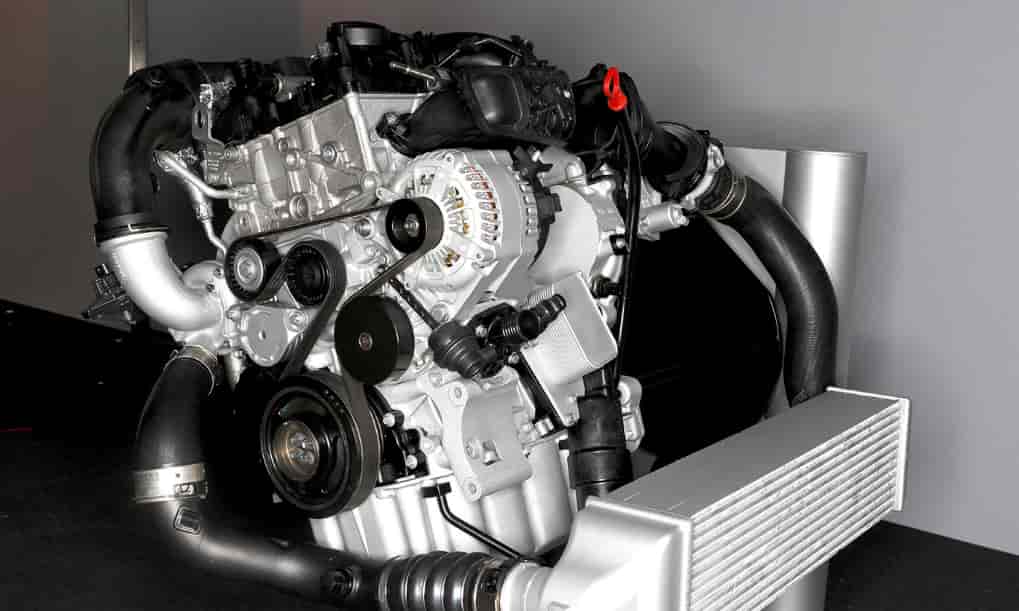
The Ford 1.5 3-Cylinder EcoBoost engine was designed to combine efficiency, compact size, and everyday drivability. Ford built this engine with a turbocharged layout and direct fuel injection to deliver usable torque while reducing fuel consumption. The three cylinder configuration allows the engine to stay lightweight, which helps improve vehicle balance and overall efficiency.
Ford uses this engine in several mainstream models, including the Ford Escape and Ford Bronco Sport. In some markets, it also appears in smaller Ford vehicles. The engine targets drivers who want better fuel economy without moving to a hybrid or diesel option. On paper, the design supports that goal with competitive power output and lower emissions.
In real world driving, the engine delivers smooth acceleration under light loads and performs well during daily commuting. However, the three cylinder layout naturally produces more vibration than a four cylinder engine. Ford relies on engine mounts and balancing components to control this behavior. When these systems work as intended, most drivers notice little difference during normal use.
The long term discussion around Ford 1.5 3-Cylinder Engine Problems begins when wear increases and components age. Heat management, turbo stress, and cooling efficiency play key roles in how this engine performs over time. Understanding its design helps explain why certain issues appear more often than others.
Common Ford 1.5 3-Cylinder Engine Problems
Coolant Intrusion and Internal Leaks
Coolant intrusion stands out as one of the most serious Ford 1.5 3-Cylinder Engine Problems reported by owners. This issue occurs when coolant enters the combustion chamber instead of staying within the cooling system. Design limitations in certain engine blocks and head gasket areas often cause this problem over time.
When coolant mixes with fuel and air, combustion becomes unstable. Drivers may notice misfires, rough running, or white exhaust smoke during cold starts. In severe cases, the engine may overheat or suffer internal damage. Many owners discover this issue only after coolant levels drop without visible external leaks.
The cost of repair can be high. Internal leaks often require major engine work or complete replacement. This risk explains why coolant intrusion creates long term anxiety for owners, especially once warranty coverage ends.
Engine Misfires and Rough Idling
Many drivers report engine misfires and rough idling during normal operation. These symptoms often appear during cold starts or low speed driving. Faulty fuel injectors, worn spark plugs, or ignition coil problems usually trigger this behavior.
A misfiring engine feels unstable and less responsive. Fuel efficiency may drop as the engine struggles to maintain smooth combustion. If left unresolved, repeated misfires can place additional stress on internal components and the turbocharger.
Excessive Engine Vibration
All three cylinder engines produce more vibration than traditional four cylinder designs. Ford attempts to manage this through balancing systems and engine mounts. Problems arise when these components wear out or fail prematurely.
Drivers may feel strong vibrations at idle or during acceleration. In some cases, the vibration worsens over time and affects overall driving comfort. While some vibration remains normal, sudden changes often signal a developing issue.
Additional Common Issues and Turbo Related Problems
The turbocharger plays a central role in how the Ford 1.5 3-Cylinder EcoBoost engine delivers power during daily driving. Over time, some owners notice slower throttle response and reduced boost pressure. These issues often develop as heat builds up inside the turbo system and internal components begin to wear. Oil quality also plays an important role, since insufficient lubrication accelerates turbo wear and reduces efficiency.
When turbo performance drops, the engine feels less responsive under load. Acceleration may weaken during highway merging or uphill driving. In certain situations, the engine control system limits boost output to protect the turbocharger. While this prevents immediate damage, it also reduces overall performance and driving confidence. Many owners describe this behavior as inconsistent power delivery rather than a complete failure.
Cooling system weaknesses also contribute to Ford 1.5 3-Cylinder Engine Problems. Some drivers report overheating warnings or fluctuating temperature readings during normal operation. These issues often stem from internal coolant flow inefficiencies, failing sensors, or aging hoses. Even when no external leaks appear, poor cooling performance can raise internal temperatures and increase engine stress.
As engine mileage increases, oil consumption becomes another concern for some owners. This issue usually develops slowly and remains unnoticed without regular oil level checks. Worn piston rings or aging turbo seals often allow oil to burn during combustion. Low oil levels increase internal friction and heat, which can accelerate engine wear. While proper maintenance helps reduce risk, it does not always prevent oil consumption in higher mileage engines.
Warning Symptoms Owners Commonly Report
Many Ford owners begin to notice problems through small but persistent warning signs. One of the most common symptoms involves a recurring check engine light that returns even after basic repairs. This often signals underlying issues related to misfires, sensor errors, or cooling system inefficiencies rather than isolated faults.
A steady drop in coolant level without visible leaks also raises concern. Drivers may refill the coolant only to find the level falling again after a short period of driving. This symptom often points to internal coolant loss, which can lead to unstable combustion and rising engine temperatures. When ignored, this condition increases the risk of serious engine damage.
Loss of power during acceleration represents another frequently reported symptom. The engine may feel weak when climbing hills or merging into traffic. Some drivers also notice delayed throttle response, especially at lower speeds. These symptoms often relate to turbo performance issues or engine management systems limiting output to protect internal components.
Unusual noises can also appear as Ford 1.5 3-Cylinder Engine Problems develop. Knocking, rattling, or ticking sounds may come from the engine bay during cold starts or under load. While some noise remains normal for a three cylinder engine, sudden changes usually indicate mechanical wear or internal imbalance.
Over time, declining fuel efficiency becomes harder to ignore. Many owners report higher fuel consumption even when driving habits remain unchanged. This symptom often connects to misfires, oil consumption, or reduced combustion efficiency. Together, these warning signs help owners identify when minor issues may be turning into more serious problems.
Real Owner Concerns and Long Term Reliability
Real world ownership feedback shows a clear pattern with the Ford 1.5 3-Cylinder EcoBoost engine. Many drivers report smooth operation during the early years of ownership. Problems tend to appear as mileage increases rather than immediately. This delayed onset creates frustration because the engine often performs well until warranty coverage ends.
One major concern involves long term reliability beyond sixty thousand miles. Owners frequently question whether the engine can maintain consistent performance without major repairs. Some report driving well past one hundred thousand miles with routine maintenance. Others face costly issues that affect confidence in the vehicle. These mixed outcomes make reliability difficult to predict.
Repair costs also weigh heavily on owner concerns. When internal problems develop, repairs often require specialized labor and expensive parts. Many drivers feel unprepared for these costs, especially when problems appear suddenly. This uncertainty causes anxiety and affects overall satisfaction with ownership.
Resale value becomes another issue as information about Ford 1.5 3-Cylinder Engine Problems spreads among buyers. Vehicles with this engine may face stronger scrutiny in the used market. Some buyers request detailed service records or avoid the engine altogether. Owners who plan to sell or trade in their vehicles often worry about how these perceptions affect long term value.
Overall, owner concerns focus less on daily performance and more on durability, repair risk, and long term ownership costs. These factors shape how drivers evaluate the engine over time.
Repair Costs and Maintenance Reality
Repair costs represent one of the biggest concerns tied to Ford 1.5 3-Cylinder Engine Problems. Minor issues such as sensors, ignition components, or hoses often remain affordable when addressed early. The situation changes quickly when problems involve internal engine components or the turbo system. Labor costs rise due to the complexity of the engine design and limited access to certain parts.
Internal coolant related repairs often lead to the highest expenses. In severe cases, technicians may recommend a full engine replacement rather than partial repairs. These costs can reach several thousand dollars, which exceeds the expectations of many owners. Once warranty coverage ends, the financial burden becomes harder to justify.
Maintenance plays an important role in reducing risk, but it does not eliminate all potential problems. Regular oil changes using high quality oil help protect the turbocharger and internal components. Cooling system inspections also help detect early warning signs. Even with careful maintenance, some issues still appear due to design limitations rather than neglect.
Many owners face a difficult decision when repair costs approach the vehicle’s market value. Some choose to repair and continue driving. Others decide to sell or trade in the vehicle instead. This reality highlights why understanding long term maintenance and repair expectations matters before committing to this engine.
Should You Be Worried About Ford 1.5 3-Cylinder Engine Problems?
Whether you should worry about Ford 1.5 3-Cylinder Engine Problems depends on how you plan to use and maintain the vehicle. For drivers who prioritize fuel efficiency and mostly drive in urban conditions, the engine can deliver acceptable performance with proper care. Regular maintenance and early attention to warning signs reduce the risk of major failures.
Concerns increase for owners who plan long term ownership or high mileage use. As the engine ages, repair costs and reliability become harder to predict. Drivers who keep vehicles beyond warranty coverage face greater financial risk, especially if internal engine problems develop. In these cases, the cost of repairs may outweigh the benefits of fuel savings.
Buyers considering a used Ford with this engine should approach with caution. A complete service history helps reveal how the vehicle was maintained. Signs of repeated cooling system issues or unresolved engine warnings should raise red flags. A professional inspection becomes essential before purchase.
Current owners should not panic, but they should remain proactive. Monitoring coolant and oil levels, listening for unusual noises, and responding quickly to warning lights helps limit damage. This engine does not fail in every case, but it demands attention and realistic expectations. Understanding these factors allows owners and buyers to make informed decisions rather than emotional ones.
Conclusion
Ford 1.5 3-Cylinder Engine Problems do not affect every owner in the same way, but they remain an important factor to consider when evaluating this engine. Ford designed the 1.5 liter three cylinder EcoBoost to deliver efficiency and modern performance in a compact package. For many drivers, it succeeds during the early years of ownership. The concerns grow as mileage increases and repair risks become more visible.
Common issues such as coolant loss, misfires, turbo performance decline, and oil consumption shape the long term ownership experience. These problems often appear gradually rather than suddenly. Owners who stay attentive to warning signs tend to reduce damage and control repair costs. Those who ignore early symptoms often face more expensive outcomes.
This engine is not an automatic deal breaker, but it is not a worry free choice either. Drivers who value low fuel consumption and plan shorter ownership periods may find it acceptable. Long term owners and used car buyers should approach with caution and realistic expectations. Service history, maintenance habits, and driving conditions all play critical roles in reliability.
Understanding Ford 1.5 3-Cylinder Engine Problems allows you to make informed decisions instead of relying on assumptions or rumors. If you own a vehicle with this engine or consider buying one, your experience matters. Sharing real ownership feedback helps other drivers set better expectations and avoid costly surprises.