Have you ever been stuck with a flat tire on your Ford F150 without the right tool to lower the spare tire? Many F150 owners face this problem and feel stressed. Time is critical, and waiting for roadside assistance can take hours. Learning how to remove the spare tire without a tool can save you from frustration and unsafe attempts.
This guide helps beginners remove the spare tire safely and efficiently. Each step explains the process clearly and offers practical tips. You will learn how to locate the spare tire, prepare the release mechanism, lower it manually, and ensure it is ready for use. Following these steps prevents common mistakes and helps you handle emergencies with confidence.
By the end of this guide, you will know how to act quickly when your F150 needs a spare tire replacement. You can take control of unexpected situations and protect your vehicle. Whether you are new to driving a truck or want to be ready for roadside emergencies, these methods turn a stressful problem into a simple and manageable task. Learning them ensures safety, efficiency, and peace of mind.
Contents
Locate the Spare Tire
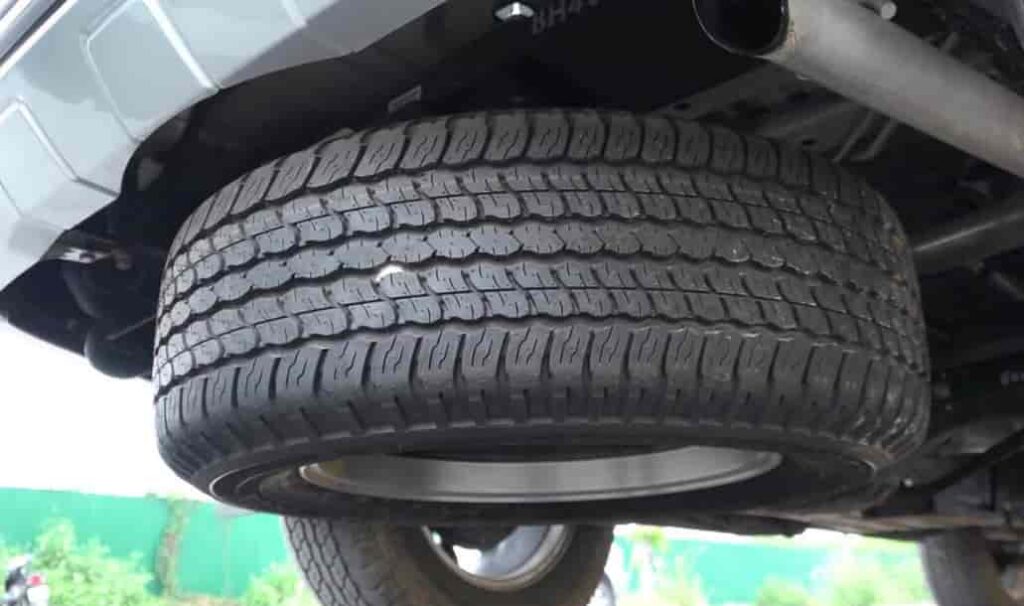
The first step in removing your F150 spare tire without a tool is to locate it. Most Ford F150 models store the spare tire underneath the rear of the truck. You can access it by looking behind the bumper, near the center of the vehicle. Some trucks have a visible cable or chain that secures the tire. Identifying this mechanism is crucial for a smooth removal process.
Before attempting to lower the tire, make sure your truck is parked on a flat surface and the parking brake is engaged. Safety should come first. Once you locate the tire, check the condition of the cable, chain, or securing mechanism. Rust or damage may make manual removal more difficult, so inspect it carefully.
If you cannot see the tire clearly, use a flashlight or a mirror to get a better view. Some F150 models also include a small access hole in the bumper, which allows you to reach the spare tire winch. Even without the proper tool, knowing the tire’s exact location helps you plan how to release it manually.
By understanding where the spare tire sits and how it is secured, you set yourself up for success. Proper preparation at this stage saves time and reduces the risk of injury. Take a moment to familiarize yourself with the tire position and the release mechanism before moving on to lowering it. Being aware of the setup makes the next steps straightforward and less stressful.
Prepare the Release Mechanism
After locating the spare tire, the next step is to prepare the release mechanism. Most F150 trucks use a manual winch system or a cable to hold the spare tire in place. Understanding how this system works is essential before attempting to lower the tire.
First, identify the winch or cable end. Some models have a small access hole in the bumper or under the tailgate that lets you reach the cable. If your truck does not include a tool, you can use a sturdy rod, metal hook, or a long screwdriver as a makeshift lever. Ensure the improvised tool fits securely to avoid slipping.
Next, check the cable or winch for rust, dirt, or damage. Cleaning the mechanism or applying a small amount of lubricant can make lowering the tire smoother and safer. Always wear gloves to protect your hands from sharp edges or metal frays on the cable.
Once you have the tool and inspected the mechanism, position yourself carefully. Keep your body clear of the tire path and avoid standing directly underneath it. Prepare for controlled movement as you begin to release the cable. This step ensures safety and prevents sudden drops that can cause injury or damage.
By properly preparing the release mechanism, you increase your confidence and efficiency. Taking time to understand and ready the system reduces stress and makes the manual lowering process much easier. Proper preparation is the key to handling your F150 spare tire without a standard tool.
Lower the Spare Tire Without Tool
After preparing the release mechanism, you can lower the spare tire manually. Begin by inserting your improvised tool, such as a sturdy rod or long screwdriver, into the winch or cable end. Turn the tool slowly and steadily to release tension. Avoid rushing, as the cable can unwind quickly and cause the tire to drop unexpectedly.
As you turn the tool, the tire will start moving down. Guide it carefully with your hands while keeping your body clear of its path. Make sure the cable unwinds evenly to prevent twisting or sudden drops. If the cable sticks, pause and adjust the tool or gently tap the winch to free it. Do not force the cable, as it can damage the mechanism or cause injury.
Once the tire reaches the ground, stabilize it before fully detaching the cable. Use gloves to protect your hands from sharp edges and rust. Carefully remove the tire from under the truck and place it on a flat surface. Inspect it for any signs of wear, low air pressure, or damage before installation.
Lowering the spare tire manually without a tool requires patience and attention. Following these steps ensures you can complete the task safely and efficiently. By controlling the movement and guiding the tire, you prevent accidents and prepare it for immediate use. Proper technique turns a potentially stressful situation into a simple, manageable process for every F150 owner.
Remove and Inspect the Spare
After lowering the spare tire, the next step is to remove and inspect it. First, ensure the tire is stable on the ground. Keep your hands protected with gloves to avoid scratches or cuts from metal edges. Carefully detach the cable or winch completely and move the tire to a flat surface where you can work safely.
Inspect the tire thoroughly before installation. Check the air pressure using a reliable gauge. Look for cracks, punctures, or signs of dry rot. Even if the tire appears in good condition, confirming its readiness is crucial for safe driving. Make sure the tread depth is sufficient and that the tire matches the size and type required for your F150.
If you notice any issues, do not use the tire. Replace it with another spare or call for assistance. Handling a damaged tire can cause accidents or further damage to your vehicle. If the tire passes inspection, keep it ready for immediate use. Store any removed tools safely and make sure the winch or cable is returned to its original position for future use.
Removing and inspecting the spare tire properly ensures safety and efficiency. Taking the time to check the tire prevents emergencies and reduces stress on the road. By following these steps, you can handle your F150 spare tire without a tool confidently and reliably, making roadside emergencies much easier to manage.
Troubleshooting Common Issues
Even with careful preparation, you may encounter issues while removing your F150 spare tire without a tool. One common problem is a stuck or rusted cable. To fix this, apply a small amount of lubricant to the cable and gently work the winch back and forth. Avoid forcing it, as excessive force can damage the mechanism or the cable itself.
Another issue is a tangled or twisted cable. If this happens, stop turning the winch and carefully untangle the cable by hand. Use gloves to protect your hands from sharp edges. Ensuring the cable is straight and smooth allows it to unwind correctly and lowers the tire safely.
Sometimes the tire may not lower evenly, causing it to tilt or bind against the truck frame. In this case, guide the tire with your hands while turning the winch slowly. Keep your body clear of the tire path to prevent injury.
If your makeshift tool slips or does not fit properly, pause and adjust it before continuing. Using a secure and strong tool is essential to maintain control. Avoid using anything weak or unstable, as it can break or slip during the process.
By troubleshooting these common issues, you can prevent accidents and complete the tire removal efficiently. Being aware of potential problems and knowing how to handle them ensures you can manage your F150 spare tire safely, even without the proper tool. Preparation, patience, and attention to detail are key to a smooth process.
Conclusion
Removing the F150 spare tire without a tool may seem challenging at first, but following the proper steps makes the process simple and safe. By locating the spare tire, preparing the release mechanism, lowering it carefully, and inspecting it thoroughly, you can handle the task confidently. Each step reduces stress and ensures the tire is ready for immediate use.
Understanding common issues and troubleshooting them prevents delays and accidents. Paying attention to cable condition, rust, and proper tool selection helps you avoid damage and maintain control throughout the process. Using patience and proper technique turns a potentially frustrating situation into a manageable task.
This guide equips every F150 owner with the knowledge to act in emergency situations without relying on specialized tools. By practicing these methods, you gain confidence and improve safety on the road. You can respond quickly to flat tires, keep your vehicle protected, and reduce reliance on roadside assistance.
Have you ever removed your F150 spare tire without a tool? Share your experience or tips in the comments to help other truck owners. Following these steps ensures you can manage roadside emergencies efficiently and safely, making the process of F150 spare tire removal without a tool stress-free and reliable every time.