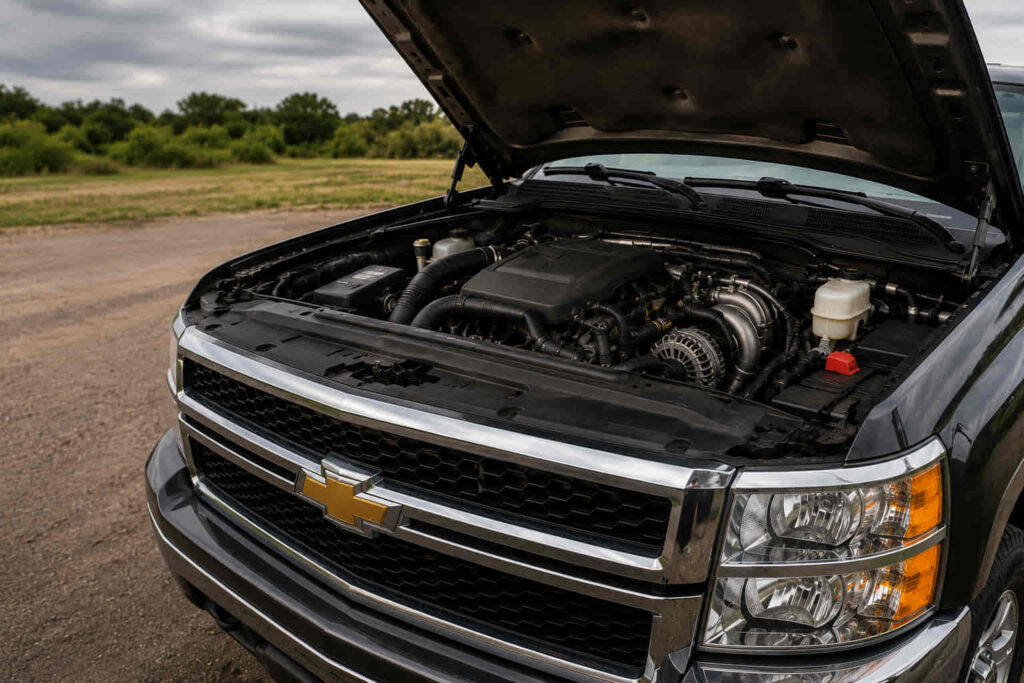
The 6.6L Duramax LML, produced by General Motors between 2011 and 2016, remains one of the most popular heavy-duty diesel engines found in the Chevrolet Silverado HD and GMC Sierra HD. It delivers impressive towing capacity, strong low-end torque, and excellent long-distance durability, making it a preferred choice for contractors, RV owners, and diesel enthusiasts. Many well-maintained LML engines surpass 300,000 miles, and some exceed 500,000 miles with proper servicing. However, long service life does not mean the engine is free from weaknesses. Like every modern diesel platform, the LML has several well-documented reliability concerns that owners and prospective buyers should understand before making maintenance decisions or purchasing a used truck.
Most discussions about Duramax LML problems focus on the high-pressure CP4 fuel pump, but this represents only one part of the reliability picture. The engine also relies on a complex network of emissions components, fuel injection equipment, turbocharger controls, and electronic management systems that must operate together under extremely high pressures and temperatures. A failure in one subsystem often affects several others, increasing repair costs if problems are ignored. Understanding how these systems interact is far more valuable than simply memorizing a list of common failures.
This guide examines the most common Duramax LML problems from a technical and practical perspective. Rather than only identifying which components fail, it explains why they fail, how to recognize the earliest warning signs, what repairs typically involve, how much those repairs may cost, and which preventive maintenance practices significantly reduce the likelihood of major failures. Whether you already own an LML-powered truck or are considering buying one, this article provides the context needed to evaluate the engine’s real-world reliability and make informed ownership decisions.
Is the Duramax LML a Reliable Diesel Engine?
The Duramax LML is generally considered a reliable heavy-duty diesel engine, but its long-term dependability depends heavily on preventive maintenance and whether its known design weaknesses have been addressed. Introduced for the 2011 model year, the LML represented a significant technological advancement over the previous LMM generation. It produced 397 horsepower and 765 lb-ft of torque while meeting stricter emissions regulations through an advanced aftertreatment system that combined Diesel Exhaust Fluid (DEF), Selective Catalytic Reduction (SCR), Exhaust Gas Recirculation (EGR), and a Diesel Particulate Filter (DPF). These improvements increased performance and reduced emissions, but they also introduced additional mechanical and electronic complexity compared with earlier Duramax engines.
From a durability standpoint, the LML engine itself has an excellent reputation. Its cast-iron block, forged-steel crankshaft, aluminum cylinder heads, and robust bottom-end components are engineered to withstand heavy towing, commercial use, and high-mileage operation. Many trucks equipped with the LML continue operating beyond 300,000 miles without requiring a complete engine rebuild, provided routine maintenance is performed consistently. Oil changes at appropriate intervals, regular fuel filter replacement, cooling system maintenance, and high-quality diesel fuel all contribute directly to the engine’s longevity. The core mechanical structure is rarely the reason an LML reaches the end of its service life.
Most reliability concerns originate outside the engine’s rotating assembly. Instead of connecting rods, pistons, or crankshaft failures, owners typically encounter problems involving the high-pressure fuel system, emissions equipment, turbocharger controls, and electronic sensors. This distinction is important because many online discussions describe the LML as unreliable without separating failures of supporting systems from failures of the engine itself. In reality, the durability of the engine block and internal components remains one of the LML’s strongest characteristics, while the surrounding systems account for the majority of unexpected repair costs.
The Bosch CP4 high-pressure fuel pump is widely recognized as the LML’s most significant design weakness. Unlike the earlier CP3 pump used in previous Duramax generations, the CP4 operates with less internal lubrication and tighter tolerances while generating extremely high fuel pressure. If fuel lubrication becomes insufficient because of contaminated diesel, water intrusion, poor fuel quality, or internal wear, the pump can begin shedding metal particles throughout the entire fuel system. Once this contamination reaches the injectors, fuel rails, and high-pressure lines, repairs often require replacing nearly every major fuel system component. This single failure can transform a relatively minor pump issue into one of the most expensive repairs an LML owner may experience.
The emissions system also plays a major role in the engine’s overall reliability profile. Components such as the DEF injector, NOx sensors, EGR valve, EGR cooler, and Diesel Particulate Filter operate continuously to reduce exhaust emissions, but they are exposed to extreme heat, soot accumulation, and frequent thermal cycling. Over time, carbon deposits restrict airflow, sensors become less accurate, and regeneration cycles may become less effective, particularly on trucks that spend most of their time on short trips rather than highway driving. These problems rarely damage the engine internally, but they can reduce performance, trigger limp mode, and generate expensive diagnostic procedures.
Another factor influencing reliability is vehicle usage. Trucks used primarily for heavy towing or long-distance highway driving often experience fewer DPF-related problems because sustained exhaust temperatures allow automatic regeneration cycles to complete successfully. By contrast, trucks driven mainly in urban environments with frequent cold starts and short trips accumulate soot more rapidly, increasing the likelihood of DPF restriction and EGR contamination. This explains why two seemingly identical LML trucks with similar mileage can have very different maintenance histories depending on how they have been operated throughout their lives.
Maintenance quality has an even greater impact on the LML than on many earlier diesel engines. Because the high-pressure fuel system depends on exceptionally clean diesel fuel, replacing the fuel filter at recommended intervals and purchasing fuel from reputable stations significantly reduces the risk of contamination. Many owners also install an aftermarket lift pump to improve fuel delivery and reduce stress on the factory CP4 pump. Although this modification does not eliminate every possible failure, it improves fuel supply consistency and is widely regarded as one of the most effective preventative upgrades for long-term ownership.
Compared with other Duramax generations, the LML occupies a unique position. It generally delivers more power, better towing capability, and lower emissions than the LMM, but it also inherits the vulnerability of the CP4 fuel pump that the LMM avoided by using the CP3 design. The newer L5P addresses many of these concerns with a redesigned fuel system and numerous engineering improvements, making it more reliable in several critical areas. Nevertheless, the LML often remains a more affordable option on the used truck market, allowing buyers to invest part of the purchase savings into preventative maintenance or reliability upgrades while still obtaining a highly capable heavy-duty diesel platform.
Prospective buyers should evaluate an LML based on documented maintenance history rather than mileage alone. A truck with 220,000 highway miles, complete service records, regular fuel filter changes, and proactive repairs frequently presents less long-term risk than a lower-mileage truck with inconsistent maintenance and unknown fuel system history. Evidence of clean diesel fuel practices, cooling system maintenance, transmission servicing, and prompt repair of emissions-related faults provides a much stronger indication of future reliability than the odometer reading by itself.
Overall, the Duramax LML remains a dependable diesel engine when viewed in the proper context. Its core engine architecture is capable of exceptional longevity, while most commonly reported problems originate from the fuel and emissions systems rather than catastrophic internal engine defects. Owners who understand these weaknesses, perform preventative maintenance consistently, and address developing problems before secondary damage occurs can expect the LML to provide many years of reliable service, making it one of the strongest heavy-duty diesel platforms of its generation despite its well-known mechanical vulnerabilities.
Read more: Honda Accord VSA Light
What Are the Most Common Duramax LML Problems?
The Duramax LML is known for its strong engine foundation, but several recurring component failures have become well documented after years of real-world ownership. Most of these problems do not originate from the engine block or internal rotating assembly. Instead, they involve the high-pressure fuel system, emissions equipment, turbocharger controls, and supporting electronic components that operate under demanding conditions. Understanding these common issues provides valuable context because many of them are interconnected. A single failure can place additional stress on other systems, increasing repair costs if diagnosis or maintenance is delayed.
Among all known reliability concerns, the Bosch CP4 high-pressure fuel pump remains the most significant. Unlike previous Duramax generations that used the CP3 pump, the LML adopted the CP4 to meet stricter emissions and fuel pressure requirements. Although the pump is capable of generating extremely high injection pressures, its internal design leaves less margin for poor fuel quality or inadequate lubrication. If the pump begins to wear internally, microscopic metal particles circulate throughout the high-pressure fuel system, contaminating the injectors, fuel rails, pressure regulator, and supply lines. Because contamination spreads quickly, a single pump failure often results in a complete fuel system replacement rather than a simple pump repair, making it one of the most expensive failures an LML owner can experience.
Fuel injectors also represent a common maintenance concern, particularly on higher-mileage trucks. Modern common-rail diesel injectors operate with extremely tight tolerances and depend on clean, uncontaminated fuel to maintain precise injection timing and atomization. As mileage accumulates, internal wear, fuel contamination, or damage originating from a failing CP4 pump can reduce injector performance. Drivers may notice rough idle, increased fuel consumption, excessive smoke, difficult cold starts, or reduced engine power long before complete injector failure occurs. Because injector performance directly affects combustion efficiency, delaying repairs can contribute to additional engine and emissions-related problems.
The variable geometry turbocharger is another component that frequently appears in long-term ownership discussions. Rather than experiencing catastrophic turbocharger failure, many LML engines develop issues involving the variable vane mechanism responsible for controlling exhaust flow. Carbon deposits generated during normal diesel combustion gradually accumulate inside the turbocharger, restricting vane movement and reducing boost control accuracy. This can produce slow acceleration, inconsistent turbo response, reduced towing performance, overboost or underboost diagnostic codes, and occasional limp mode activation. Trucks that spend most of their operating time on short trips generally experience these problems more frequently because lower exhaust temperatures reduce the engine’s ability to burn away carbon deposits naturally.
The emissions system introduces another group of recurring reliability concerns. The Diesel Particulate Filter captures soot particles before they leave the exhaust, while the EGR system lowers combustion temperatures by recirculating a portion of exhaust gases back into the intake. The SCR system then injects Diesel Exhaust Fluid to reduce nitrogen oxide emissions. Although these technologies successfully meet environmental regulations, they create additional maintenance requirements. Soot accumulation inside the EGR valve, incomplete DPF regeneration cycles, clogged DEF injectors, and aging NOx sensors gradually reduce system efficiency and often trigger dashboard warning lights. In many cases, the engine itself continues operating normally while emissions-related faults limit performance or activate protective operating modes.
Electrical and sensor-related failures become increasingly common as LML trucks age. Wheel speed sensors, exhaust temperature sensors, fuel rail pressure sensors, glow plug control modules, and various wiring connectors are exposed to vibration, moisture, road debris, and repeated temperature fluctuations throughout the vehicle’s lifetime. Even when these components are relatively inexpensive, locating intermittent electrical faults can require extensive diagnostic testing because multiple control modules communicate continuously across the truck’s electronic network. A single sensor transmitting inaccurate information may cause warning lights that initially appear unrelated to the failed component.
Cooling system components also deserve attention, especially on trucks with high mileage. Water pumps eventually develop bearing wear or seal deterioration, allowing coolant leakage that may initially appear minor but gradually worsens over time. Cooling system neglect increases operating temperatures during heavy towing, placing additional stress on the turbocharger, cylinder heads, and exhaust aftertreatment components. Although catastrophic overheating is relatively uncommon in properly maintained LML engines, unresolved cooling issues often accelerate wear throughout multiple systems.
Many of these problems are influenced by maintenance practices rather than manufacturing defects alone. Poor-quality diesel fuel, extended fuel filter intervals, infrequent oil changes, neglected cooling system service, and repeated short-distance driving all increase the likelihood of component failures. Conversely, trucks maintained according to recommended service intervals, fueled with high-quality diesel, and driven regularly under highway conditions often experience significantly fewer major repairs. This explains why owner experiences vary considerably despite using the same engine platform.
Another important characteristic of the LML is that many common failures develop gradually rather than occurring without warning. Declining fuel economy, occasional regeneration problems, intermittent warning lights, rough idle, reduced turbo response, or extended crank times often appear weeks or months before a major component fails completely. Owners who recognize these early symptoms and perform diagnostic testing promptly can frequently resolve relatively minor issues before they evolve into far more expensive repairs affecting multiple systems.
Although the Duramax LML has earned a reputation for several recurring weaknesses, these issues should be evaluated within the broader context of heavy-duty diesel ownership. Most modern diesel engines equipped with advanced fuel injection and emissions technologies experience similar challenges after years of operation. What distinguishes the LML is not the number of potential failure points but the significant financial impact of specific components—particularly the CP4 fuel pump—when preventative maintenance is neglected or early warning signs are ignored.
Understanding these common Duramax LML problems establishes the foundation for effective diagnosis and ownership. The following sections examine each major issue individually, beginning with the CP4 high-pressure fuel pump, explaining why it fails, how to identify the earliest symptoms, what repair options are available, and which preventative measures offer the greatest long-term protection for the engine.
Why Does the CP4 Fuel Pump Fail on the Duramax LML?
The Bosch CP4 high-pressure fuel pump is widely regarded as the single most significant reliability concern affecting the Duramax LML. Although the engine itself is exceptionally durable, the failure of this fuel pump can rapidly contaminate the entire high-pressure fuel system, transforming what begins as a single component failure into a repair that often exceeds several thousand dollars. This reputation has made the CP4 pump the defining topic in nearly every discussion about Duramax LML reliability, not because every pump is guaranteed to fail, but because the consequences of failure are unusually severe.
To understand why the CP4 has become such a concern, it is important to examine how it operates. Unlike conventional low-pressure fuel pumps, the CP4 compresses diesel fuel to pressures exceeding 29,000 psi before delivering it to the common rail and injectors. This extremely high pressure allows modern diesel engines to achieve cleaner combustion, greater fuel efficiency, and lower emissions. However, it also means the pump relies on extremely tight internal tolerances and continuous lubrication provided solely by the diesel fuel flowing through it. Unlike engine components that receive dedicated oil lubrication, the CP4 depends entirely on the quality and lubricating properties of the fuel itself. Any interruption to this lubrication process immediately increases friction between internal moving parts.
The CP4’s internal architecture differs substantially from the older Bosch CP3 pump used in previous Duramax generations. The CP3 employs a more robust three-piston radial design that distributes mechanical loads more evenly while maintaining generous lubrication across critical contact surfaces. The CP4, by comparison, uses a lighter two-piston arrangement designed to improve efficiency and reduce parasitic losses. While this design successfully supports higher fuel pressures and stricter emissions requirements, it leaves less tolerance for poor fuel quality, contamination, or inadequate lubrication. Under ideal operating conditions the pump performs effectively, but its smaller contact surfaces and higher localized stress make it significantly more sensitive to fuel-related problems than its predecessor.
Fuel contamination remains one of the leading contributors to premature CP4 wear. Water entering the fuel system, microscopic dirt particles, rust, microbial growth inside storage tanks, or debris introduced during refueling can all interfere with the pump’s precision-machined internal components. Even contaminants too small to be visible to the naked eye may scratch hardened metal surfaces, accelerate wear, and reduce the smooth movement of internal rollers and cam followers. Once abnormal wear begins, the damage often progresses rapidly because metal particles generated inside the pump continue circulating through the fuel system, creating a cycle of increasing contamination.
Low-lubricity diesel fuel is another factor frequently associated with CP4 failures. Modern ultra-low sulfur diesel (ULSD) significantly reduces sulfur content to satisfy environmental regulations, but sulfur removal also decreases some of the fuel’s natural lubricating characteristics. Although refiners add lubricity-enhancing additives before distribution, fuel quality can still vary between suppliers, storage conditions, and geographic regions. Trucks that consistently receive poor-quality diesel or contaminated fuel may expose the CP4 to greater internal friction over time. For this reason, many experienced diesel owners purchase fuel only from high-volume stations with strong reputations for fuel quality and turnover.
When the CP4 begins to fail internally, the earliest symptoms are often subtle rather than dramatic. Drivers may notice longer cranking before startup, rough idle, hesitation during acceleration, intermittent power loss under heavy load, reduced throttle response, or occasional fuel pressure diagnostic codes. Because these symptoms resemble those produced by injectors, fuel filters, or pressure sensors, the underlying problem may initially remain unnoticed without professional diagnostic testing. Continuing to drive after these warning signs appear increases the likelihood that internal wear will progress to catastrophic pump failure.
The defining characteristic of a catastrophic CP4 failure is not simply that the pump stops functioning. Instead, the pump frequently sheds hardened metal particles into the high-pressure fuel circuit. These particles travel through the fuel rails, injectors, pressure regulator, fuel lines, and return system before eventually reaching other sensitive components. Unlike isolated mechanical failures where replacing one defective part restores operation, CP4 contamination spreads throughout nearly every major fuel system component. Simply installing a replacement pump without removing contaminated injectors and lines almost guarantees repeated failures because residual metal debris continues circulating after repairs.
Repairing a contaminated fuel system is therefore both labor-intensive and expensive. In many documented cases, technicians replace the CP4 pump, all eight injectors, high-pressure fuel rails, pressure lines, fuel pressure regulator, fuel filters, and numerous smaller components while thoroughly flushing or replacing the fuel tank and supply lines. Labor costs increase because every contaminated component must be removed, inspected, cleaned, or replaced according to manufacturer procedures. This comprehensive approach explains why CP4-related repairs frequently become one of the highest ownership expenses associated with the Duramax LML.
Preventive maintenance plays a critical role in reducing CP4-related risk. Replacing the fuel filter at or before the recommended service interval helps prevent contaminants from reaching the pump. Draining water separators regularly removes accumulated moisture before corrosion develops inside the fuel system. Purchasing diesel from reputable suppliers reduces exposure to contaminated fuel, while avoiding operation with an extremely low fuel level minimizes the chance of drawing sediment from the bottom of the fuel tank. Although these practices cannot eliminate every possible failure, they substantially improve the operating environment for the high-pressure fuel pump.
Many LML owners also choose to install an aftermarket lift pump. The factory fuel system requires the CP4 to draw fuel from the tank under suction, whereas a lift pump supplies fuel under positive pressure before it reaches the high-pressure pump. Maintaining consistent fuel delivery reduces cavitation, improves fuel filtration options, and helps ensure the CP4 receives a steady supply of clean diesel. While a lift pump is not a guaranteed solution, it is widely regarded within the diesel community as one of the most beneficial reliability upgrades for long-term LML ownership.
Another increasingly popular modification is the CP3 conversion. This upgrade replaces the factory CP4 with the earlier Bosch CP3 design, which has earned a strong reputation for durability across multiple Duramax generations. Many owners pursue the conversion after a CP4 failure, while others perform the upgrade proactively before problems develop. Although the conversion requires a significant upfront investment, supporters argue that it reduces long-term ownership risk by replacing the LML’s most controversial component with a fuel pump known for greater reliability under demanding operating conditions.
Ultimately, the CP4 fuel pump is not an inherently defective component, but its design provides far less tolerance for contamination, poor fuel quality, and inadequate lubrication than many owners expect from a heavy-duty diesel engine. Combined with the extensive secondary damage that can result from internal pump wear, this sensitivity explains why the CP4 remains the defining reliability concern of the Duramax LML. Understanding how the pump operates, recognizing the earliest warning signs, and adopting preventive maintenance strategies are the most effective ways to minimize the risk of catastrophic fuel system failure and protect one of the engine’s most expensive subsystems.
Why Do Fuel Injectors Fail on the LML?
The fuel injectors on the Duramax LML are highly precise components designed to operate under extremely high fuel pressure, making them vulnerable to contamination, internal wear, and poor fuel quality over time. Unlike earlier diesel injection systems that operated at lower pressures with wider mechanical tolerances, the LML’s common-rail injectors must deliver precisely measured quantities of fuel multiple times during every combustion cycle. Even microscopic changes in injector performance can affect combustion efficiency, engine power, fuel economy, and exhaust emissions. While properly maintained injectors often last well beyond 150,000 miles, their service life depends heavily on fuel system cleanliness and the condition of the high-pressure fuel pump.
The most serious cause of injector failure on the LML is contamination originating from a failing Bosch CP4 high-pressure fuel pump. When the CP4 begins to wear internally, hardened metal particles circulate through the high-pressure fuel rails before reaching the injectors. Because injector nozzles and internal control valves are manufactured with extremely tight tolerances, these abrasive particles rapidly damage sealing surfaces and precision-machined passages. Once contamination enters the injectors, normal fuel atomization becomes increasingly difficult, reducing combustion quality while accelerating wear throughout the remaining fuel system. This close relationship explains why technicians rarely replace only the injectors after a catastrophic CP4 failure. Instead, they typically replace the entire high-pressure fuel system to eliminate every source of contamination before new components are installed.
Fuel quality also plays a critical role in injector longevity. Modern common-rail diesel injectors rely on clean, properly filtered fuel that provides adequate lubrication while remaining free from water, dirt, microbial contamination, and excessive sediment. Poor-quality diesel gradually deposits varnish and carbon inside injector passages, restricting fuel flow and altering spray patterns. Water contamination introduces corrosion that damages internal moving parts, while particulate contamination creates abrasive wear on injector needles and valve seats. Over thousands of operating hours, these small changes reduce injection accuracy and cause noticeable declines in engine performance.
Injector wear usually develops gradually rather than appearing as a sudden mechanical failure. One of the earliest symptoms is extended cranking before the engine starts, particularly after the truck has been parked overnight. As injector sealing surfaces wear, fuel pressure inside the common rail may bleed off more quickly after shutdown, requiring additional cranking time before sufficient pressure builds during the next startup. Drivers may also notice rough idle, slight engine vibration, inconsistent throttle response, or occasional hesitation during acceleration. Because these symptoms often resemble problems involving glow plugs, fuel filters, or rail pressure sensors, professional diagnostic testing is essential before replacing expensive components.
As injector performance continues to decline, combustion efficiency becomes increasingly inconsistent. Diesel fuel must be atomized into an extremely fine mist to mix effectively with compressed air inside the combustion chamber. A partially restricted or worn injector produces larger fuel droplets that burn less completely, reducing power while increasing soot formation and exhaust temperatures. Incomplete combustion not only affects engine performance but also places additional stress on the Diesel Particulate Filter and EGR system because greater soot production increases the frequency of regeneration cycles and carbon accumulation. Consequently, injector wear often contributes indirectly to emissions-related maintenance problems.
Engine control systems continuously monitor injector performance through fuel rail pressure, crankshaft speed variation, exhaust oxygen content, and numerous other operating parameters. When injector output falls outside expected values, the Engine Control Module may compensate by adjusting injection timing, pulse duration, or rail pressure to maintain acceptable performance. These electronic corrections allow the engine to continue operating even as injector wear progresses, but they cannot fully restore original combustion efficiency. Eventually, compensation limits are exceeded, causing diagnostic trouble codes, reduced power, or limp mode activation.
High-mileage operation naturally contributes to injector wear even under ideal maintenance conditions. Every injector opens and closes thousands of times per minute while exposed to pressures exceeding 29,000 psi and combustion temperatures approaching several thousand degrees Fahrenheit. After hundreds of millions of injection cycles, internal springs, control valves, and nozzle components gradually lose their original precision. This type of wear is expected throughout the service life of any modern common-rail diesel engine, although proper maintenance significantly slows the process.
Routine maintenance remains the most effective strategy for extending injector life. Replacing the fuel filter at recommended intervals prevents abrasive contaminants from entering the high-pressure fuel system, while draining accumulated water from the fuel separator reduces corrosion inside precision components. Purchasing diesel fuel from reputable stations with high turnover further minimizes the likelihood of contamination. Many owners also use diesel fuel additives formulated to improve lubricity and injector cleanliness, particularly in regions where fuel quality varies. Although additive effectiveness depends on product formulation and operating conditions, maintaining clean, lubricated fuel consistently benefits both injectors and the CP4 pump.
A healthy fuel system should also be evaluated as a complete assembly rather than as individual components. Installing new injectors while leaving a damaged CP4 pump, contaminated fuel lines, or deteriorated fuel pressure regulator in service often leads to repeated failures because the underlying source of contamination remains unresolved. Experienced diesel technicians therefore inspect the entire fuel delivery system before recommending injector replacement, ensuring that repairs address the root cause rather than only the most obvious symptom.
Owners considering the purchase of a used Duramax LML should pay close attention to injector-related warning signs during inspection. Excessive white smoke during startup, rough idle after reaching operating temperature, abnormal diesel knock, unexplained fuel economy loss, or evidence of previous fuel system repairs may indicate developing injector problems. A comprehensive diagnostic scan combined with fuel rail pressure analysis and injector balance rate testing provides a far more accurate assessment than a brief road test alone, helping buyers identify potential issues before committing to a vehicle.
Although injector failures receive less attention than the CP4 fuel pump, they remain one of the most important factors influencing long-term Duramax LML reliability. Because injectors directly control combustion quality, power output, emissions performance, and fuel efficiency, even minor degradation can affect multiple engine systems simultaneously. Maintaining exceptional fuel cleanliness, addressing CP4-related issues promptly, and diagnosing early performance changes before severe wear develops remain the most effective strategies for maximizing injector lifespan and preserving the overall reliability of the LML platform.
What Turbocharger Problems Affect the Duramax LML?
The variable geometry turbocharger (VGT) used on the Duramax LML is generally durable, but its performance can gradually decline because of carbon accumulation, actuator issues, exhaust restriction, lubrication problems, and normal mechanical wear. Unlike a conventional fixed-geometry turbocharger, the VGT continuously adjusts the angle of its internal vanes to optimize exhaust flow across a wide range of engine speeds. This design improves low-end torque, towing performance, exhaust braking, and fuel efficiency while helping the engine meet increasingly strict emissions standards. Although the turbocharger itself is engineered for long service life, the demanding operating environment of a modern diesel engine exposes it to high temperatures, soot deposits, and constant thermal cycling that eventually affect its efficiency.
The most common turbocharger issue affecting the LML is carbon buildup on the variable vane mechanism. During normal operation, exhaust gases carry microscopic soot particles through the turbocharger before entering the aftertreatment system. Over thousands of miles, these deposits gradually accumulate around the movable vanes that regulate exhaust flow. As carbon layers become thicker, vane movement becomes increasingly restricted, preventing the turbocharger from adjusting boost pressure accurately. Instead of responding instantly to changes in engine load, the turbo may react more slowly or become partially stuck in one operating position. This reduces boost control precision and affects engine performance under acceleration or heavy towing conditions.
Driving habits play a major role in the development of carbon-related turbocharger problems. Trucks that regularly tow heavy loads or spend long periods cruising at highway speeds generate higher exhaust temperatures that naturally burn away a portion of accumulated soot. By contrast, vehicles used primarily for short commutes, frequent idling, or stop-and-go urban driving often operate below the temperatures needed to keep the turbocharger and exhaust system clean. Incomplete combustion and interrupted regeneration cycles allow carbon deposits to accumulate more rapidly, increasing the likelihood of vane sticking over time. This explains why identical LML engines with similar mileage may exhibit very different turbocharger conditions depending on how they have been driven.
One of the earliest symptoms of turbocharger problems is reduced boost pressure during acceleration. Drivers often notice that the truck feels less responsive than usual, particularly when merging onto highways or climbing steep grades while towing. Instead of delivering the strong low-end torque expected from the Duramax diesel platform, the engine may hesitate before boost pressure builds. Fuel economy may also decline because the engine must work harder to achieve the same level of performance. These changes usually develop gradually, making them easy to overlook until they become more pronounced.
As vane movement becomes increasingly restricted, the engine control module may detect boost pressure values that differ from calculated targets. When commanded boost cannot be achieved or excessive boost develops unexpectedly, the engine stores diagnostic trouble codes and may activate limp mode to protect the turbocharger and engine from further damage. Limp mode intentionally limits engine power, reduces throttle response, and restricts vehicle speed to prevent excessive exhaust temperatures or uncontrolled turbocharger operation. Although frustrating for drivers, this protective strategy helps minimize the risk of more extensive mechanical failures.
Oil-related problems also contribute to turbocharger reliability. The turbocharger shaft rotates at speeds exceeding 100,000 revolutions per minute and depends entirely on a continuous supply of clean engine oil for lubrication and cooling. Delayed oil changes, contaminated lubricant, incorrect oil viscosity, or restricted oil supply passages accelerate bearing wear inside the turbocharger. As bearing clearances increase, the rotating shaft develops additional movement that may eventually allow compressor or turbine blades to contact the housing. In more advanced cases, worn seals permit engine oil to leak into either the intake or exhaust system, producing blue exhaust smoke, increased oil consumption, or residue inside intercooler piping.
Although oil leaks often raise immediate concern, not every trace of oil around the turbocharger indicates impending failure. Diesel engines naturally produce small amounts of oil vapor through the crankcase ventilation system, and a light oil film inside charge-air piping is generally considered normal. Diagnosis becomes necessary when oil accumulation increases noticeably, engine oil consumption rises between service intervals, or excessive smoke appears during acceleration. Distinguishing between normal oil vapor and abnormal seal leakage prevents unnecessary turbocharger replacement while ensuring genuine lubrication problems receive prompt attention.
Turbocharger performance is closely connected to the LML’s emissions systems. A restricted Diesel Particulate Filter increases exhaust backpressure, forcing the turbocharger to operate under less favorable conditions. Similarly, excessive soot entering the exhaust because of worn fuel injectors or incomplete combustion accelerates carbon accumulation on the variable vane mechanism. EGR system malfunctions can also alter combustion characteristics and exhaust temperatures, indirectly affecting turbocharger efficiency. These relationships demonstrate that turbocharger performance cannot be evaluated in isolation because multiple engine systems continuously influence one another during normal operation.
Electronic control components occasionally contribute to turbocharger-related diagnostic issues even when the mechanical assembly remains in good condition. The turbo vane position sensor, boost pressure sensor, mass airflow sensor, and electronic actuator all provide critical information used to regulate turbocharger operation. A faulty sensor transmitting inaccurate data may cause poor boost control, warning lights, or limp mode despite the turbocharger itself functioning normally. Comprehensive diagnostics should therefore include both mechanical inspection and electronic system evaluation before major components are replaced.
Preventive maintenance significantly extends turbocharger service life. Consistent engine oil changes using manufacturer-approved lubricants reduce bearing wear, while allowing the engine to reach normal operating temperature regularly helps minimize carbon accumulation. Replacing clogged air filters prevents abrasive particles from entering the compressor housing, and maintaining clean fuel injectors promotes efficient combustion that reduces soot production. Drivers who tow heavy loads should also avoid shutting the engine off immediately after prolonged operation, allowing oil and coolant to remove residual heat from the turbocharger before lubrication stops. These maintenance practices collectively reduce thermal stress and preserve internal component integrity throughout the turbocharger’s operating life.
For buyers evaluating a used Duramax LML, turbocharger condition provides valuable insight into the truck’s overall maintenance history. Excessive turbo lag, inconsistent boost pressure, abnormal whistle or grinding noises, persistent black smoke under acceleration, repeated limp mode events, or stored boost-related diagnostic codes may indicate developing turbocharger or supporting system problems. A professional inspection that includes live boost pressure monitoring, actuator testing, and examination of intercooler piping offers a far more accurate assessment than relying solely on a road test.
Despite the attention given to turbocharger problems, complete turbocharger failure is considerably less common than fuel system issues on the Duramax LML. Most turbo-related complaints develop gradually through carbon accumulation, lubrication deficiencies, or sensor faults rather than sudden mechanical destruction. Owners who maintain the lubrication system properly, minimize excessive soot buildup, and respond quickly to declining boost performance can often keep the factory variable geometry turbocharger operating reliably for hundreds of thousands of miles without requiring major repairs.
What Emissions System Problems Are Common?
The Duramax LML’s emissions system is one of the most complex areas of the engine and is responsible for a significant percentage of long-term reliability complaints. To comply with increasingly strict diesel emissions regulations introduced during the 2011 model year, General Motors equipped the LML with several advanced aftertreatment technologies, including Exhaust Gas Recirculation (EGR), a Diesel Particulate Filter (DPF), Selective Catalytic Reduction (SCR), Diesel Exhaust Fluid (DEF), multiple exhaust temperature sensors, and NOx sensors. While these systems successfully reduce particulate matter and nitrogen oxide emissions, they also introduce additional components that operate under extreme temperatures and harsh exhaust conditions. As mileage accumulates, normal soot production, heat cycling, sensor aging, and contamination gradually reduce system efficiency, increasing both maintenance requirements and repair costs.
Among all emissions-related components, the Diesel Particulate Filter is one of the most maintenance-intensive. Its primary function is to capture soot particles before they exit the exhaust system, preventing harmful particulate emissions from entering the atmosphere. Unlike a conventional filter that can simply be replaced during routine maintenance, the DPF continuously stores soot until exhaust temperatures become high enough to burn it away during a regeneration cycle. This regeneration process converts accumulated carbon into ash, allowing the filter to continue functioning. The system operates effectively when regeneration cycles complete successfully, but repeated interruptions gradually increase soot accumulation until exhaust restriction begins affecting engine performance.
Driving conditions have a direct influence on DPF reliability. Trucks used primarily for highway towing or long-distance travel typically generate sustained exhaust temperatures that allow automatic regeneration to complete without driver intervention. In contrast, vehicles driven mainly in urban traffic, short-distance commutes, or frequent stop-and-go conditions rarely maintain high enough exhaust temperatures for complete regeneration. As incomplete regeneration cycles accumulate, soot loading increases beyond the system’s normal operating range. Eventually, the engine control module stores diagnostic trouble codes, illuminates warning lights, and may activate reduced-power mode to protect the exhaust system from excessive restriction.
The Exhaust Gas Recirculation system represents another common source of maintenance concerns. The EGR valve redirects a controlled portion of exhaust gases back into the intake manifold to reduce combustion temperatures and limit nitrogen oxide formation. While effective for emissions control, this process continuously exposes intake components to soot, carbon deposits, and oil vapor. Over thousands of miles, these contaminants gradually accumulate inside the EGR valve, intake passages, and EGR cooler, restricting airflow and reducing valve movement. A partially restricted EGR system can cause rough idle, hesitation during acceleration, increased soot production, reduced fuel economy, and additional stress on the DPF because incomplete combustion generates more particulate matter.
The EGR cooler is also exposed to considerable thermal stress. Hot exhaust gases entering the cooler experience rapid temperature changes as engine load varies between idle, highway cruising, and heavy towing. Continuous expansion and contraction place significant stress on welded joints and internal cooling passages. Although complete EGR cooler failures are less common than carbon-related restrictions, coolant leaks, internal cracking, or reduced cooling efficiency may eventually develop on high-mileage engines. If left unresolved, coolant entering the exhaust stream or combustion process can create secondary engine performance issues and increase repair complexity.
The Selective Catalytic Reduction system introduces another layer of emissions control by injecting Diesel Exhaust Fluid into the exhaust stream. DEF decomposes into ammonia under high temperatures, allowing the SCR catalyst to convert nitrogen oxides into harmless nitrogen and water vapor. The system performs efficiently when every component functions correctly, but several supporting parts can create reliability concerns over time. DEF injectors may become partially restricted by crystallized fluid deposits, heaters can fail in cold climates, supply pumps may lose efficiency, and storage tanks occasionally develop sensor faults. Because the SCR system monitors emissions continuously, even relatively minor faults often trigger dashboard warnings and countdown messages requiring repairs before full engine performance is restored.
NOx sensors deserve particular attention because they operate continuously in one of the harshest environments found on the vehicle. Positioned within the exhaust stream before and after the SCR catalyst, these sensors measure nitrogen oxide concentrations to verify emissions performance and adjust DEF dosing accordingly. Constant exposure to heat, moisture, vibration, and chemical contaminants gradually reduces sensor accuracy. As sensors age, they may report implausible readings despite no mechanical problem existing elsewhere in the emissions system. Faulty NOx sensors frequently trigger Check Engine Lights, emissions-related diagnostic codes, and reduced-power operation even though the engine itself continues running normally.
Exhaust temperature sensors also play a critical role in emissions management. The engine control module relies on these sensors to determine when regeneration should begin, monitor catalyst efficiency, and protect exhaust components from excessive temperatures. A sensor reporting incorrect values may prevent regeneration from starting or interrupt an active regeneration cycle before soot has been completely removed. Over time, repeated incomplete regenerations accelerate DPF restriction and increase overall emissions system maintenance requirements. Accurate temperature data is therefore essential not only for emissions compliance but also for preserving the long-term health of the entire aftertreatment system.
One characteristic shared by nearly every emissions-related problem is their interconnected nature. A malfunctioning fuel injector producing excessive soot places additional strain on the DPF. A restricted DPF increases exhaust backpressure, reducing turbocharger efficiency. Reduced turbo performance affects combustion quality, creating additional soot that further accelerates DPF loading. Meanwhile, inaccurate NOx sensor readings may alter DEF injection strategy, causing unnecessary SCR diagnostic codes. Rather than operating independently, every emissions component continuously influences the performance of the surrounding systems. This interconnected design explains why diagnosing only the first stored fault code often fails to identify the true root cause of recurring emissions problems.
Preventive maintenance remains the most effective method for minimizing emissions-related failures. Allowing regeneration cycles to complete without interruption, avoiding excessive short-trip operation whenever possible, maintaining clean fuel injectors, replacing air and fuel filters on schedule, and repairing Check Engine Light faults promptly all contribute to lower soot production and improved emissions system reliability. Highway driving at normal operating temperatures also helps maintain cleaner exhaust passages by supporting complete combustion and successful passive regeneration. These habits reduce carbon accumulation throughout the turbocharger, EGR system, and DPF while extending the service life of sensors and catalytic components.
Prospective buyers should carefully evaluate the condition of the emissions system before purchasing a used Duramax LML. Frequent regeneration events, persistent Check Engine Lights, reduced engine power, abnormal exhaust smoke, repeated DEF warnings, or evidence of incomplete emissions repairs may indicate expensive maintenance requirements in the near future. A comprehensive diagnostic scan capable of reading manufacturer-specific emissions data, soot load calculations, regeneration history, and SCR performance provides a much clearer assessment than visual inspection alone. Because emissions-related repairs can involve multiple interconnected components, identifying hidden faults before purchase significantly reduces the risk of unexpected ownership costs.
Although the emissions system accounts for many of the Duramax LML’s most frequently reported service issues, these components are largely maintenance-dependent rather than inherently unreliable. Trucks that regularly reach operating temperature, complete regeneration cycles, receive timely repairs, and follow manufacturer service recommendations generally experience fewer major emissions failures than vehicles subjected to repeated short-distance driving and deferred maintenance. Understanding how the DPF, EGR, SCR, DEF, and sensor network operate together enables owners to recognize developing problems earlier and maintain long-term reliability without unnecessary component replacement.
What Other Mechanical Problems Can Occur?
Although the CP4 fuel pump and emissions system receive most of the attention, the Duramax LML can also develop several other mechanical and electrical problems as mileage increases. These issues are generally less catastrophic than a complete fuel system failure, but they can still reduce reliability, increase maintenance costs, and affect daily drivability if they are not addressed promptly. Most occur gradually through normal wear, repeated heat cycles, vibration, or aging electronic components rather than fundamental design flaws within the engine itself. Understanding these secondary problems provides a more complete picture of long-term LML ownership because they often appear after the truck has accumulated significant mileage.
One of the more common age-related repairs involves the water pump. Like every engine-driven cooling pump, it relies on bearings and shaft seals that gradually wear after years of continuous operation. As the seals deteriorate, coolant may begin leaking from the pump’s weep hole, often leaving dried coolant residue on the front of the engine before larger leaks become visible. Early symptoms usually include a slow drop in coolant level, occasional overheating during heavy towing, or a faint coolant odor after driving. Ignoring these warning signs allows coolant loss to accelerate, increasing the risk of overheating and placing unnecessary stress on cylinder heads, turbocharger components, and head gaskets. Fortunately, replacing the water pump before complete failure typically prevents secondary engine damage.
The cooling system as a whole deserves careful attention because diesel engines operate under substantial thermal loads, particularly while towing or hauling heavy payloads. Radiators gradually accumulate debris between cooling fins, coolant loses its corrosion inhibitors over time, and thermostat performance slowly declines after thousands of heating and cooling cycles. These small changes often go unnoticed until engine temperatures begin rising under sustained load. Maintaining proper coolant quality, inspecting hoses for deterioration, and ensuring unrestricted airflow through the radiator and charge-air cooler help preserve stable operating temperatures and reduce stress on every major engine component.
Glow plug failures become increasingly common as trucks age, especially in regions experiencing harsh winters. Glow plugs preheat the combustion chambers before startup, allowing diesel fuel to ignite efficiently when engine temperatures are low. As heating elements wear or electrical resistance increases, one or more cylinders may receive insufficient preheating. Drivers often notice difficult cold starts, rough idle immediately after startup, excessive white smoke, or longer cranking times during freezing weather. Because modern engine control modules monitor glow plug performance individually, diagnostic trouble codes usually identify the affected circuit before complete starting failure occurs. Replacing failed glow plugs early helps maintain reliable cold-weather starting while reducing strain on the battery and starter motor.
Electrical components naturally become more vulnerable as the vehicle ages. The Duramax LML relies on dozens of sensors and electronic control modules to manage fuel delivery, turbocharger operation, emissions control, transmission behavior, and engine protection strategies. Crankshaft position sensors, camshaft position sensors, fuel rail pressure sensors, exhaust temperature sensors, and manifold pressure sensors all operate in environments characterized by vibration, moisture, and large temperature fluctuations. Wiring harness connectors may also develop corrosion or loose electrical contacts over time. Unlike mechanical failures that produce obvious physical symptoms, sensor-related problems often appear intermittently, making accurate diagnosis more challenging. A single faulty sensor may trigger multiple warning lights, reduce engine power, or initiate limp mode even though no major mechanical defect exists.
The head gasket is another component occasionally discussed within the LML ownership community, although widespread head gasket failures are considerably less common than on some high-performance diesel platforms. The factory head gasket is generally robust enough for stock power levels, and most failures occur only after prolonged overheating, excessive cylinder pressure resulting from aggressive aftermarket tuning, or neglected cooling system maintenance. When a head gasket begins to fail, coolant loss without visible external leaks, combustion gases entering the cooling system, persistent overheating, white exhaust smoke, or unexplained coolant pressurization may become apparent. Detecting these symptoms early greatly reduces the likelihood of more extensive cylinder head or engine damage.
Accessory drive components also experience predictable wear throughout the truck’s service life. Belt tensioners gradually lose spring pressure, idler pulleys develop bearing noise, serpentine belts crack with age, and alternators eventually lose charging efficiency after years of continuous operation. While none of these components are unique to the LML platform, failure of the accessory drive system can affect battery charging, cooling performance, and overall engine reliability. Regular inspection during routine maintenance often identifies worn components before they fail unexpectedly on the road.
Engine mounts represent another frequently overlooked maintenance item, particularly on trucks used for heavy towing or commercial work. The Duramax diesel generates significantly more torque than a comparable gasoline engine, placing continuous stress on rubber and hydraulic engine mounts. As these mounts deteriorate, drivers may notice increased engine vibration at idle, clunking noises during acceleration, or movement when shifting between drive and reverse. Although worn engine mounts rarely threaten engine durability directly, they increase vibration transmitted throughout the drivetrain and may contribute to accelerated wear of exhaust components, cooling hoses, and electrical connectors.
The Allison 1000 transmission paired with the LML has earned an excellent reputation for durability, but its long-term reliability still depends on proper maintenance. Transmission fluid gradually degrades because of heat generated while towing heavy loads, and contaminated fluid reduces lubrication while increasing clutch wear. Delayed fluid and filter changes may eventually produce harsh shifting, elevated operating temperatures, torque converter shudder, or reduced transmission lifespan. Fortunately, the transmission itself is rarely considered a major weakness when maintained according to recommended service intervals, making preventative servicing a highly cost-effective investment.
Another issue occasionally encountered on high-mileage trucks involves minor oil leaks developing around valve covers, front engine covers, turbocharger oil lines, or rear main seals. Most begin as slow seepage rather than major leaks and may remain stable for extended periods if monitored carefully. However, oil leaks should never be dismissed completely because escaping lubricant attracts dirt, accelerates deterioration of nearby rubber components, and may eventually contaminate electrical connectors or cooling hoses. Regular inspections during oil changes allow owners to identify these leaks before they require more extensive repairs.
Many of these mechanical issues share a common characteristic: they develop progressively instead of appearing without warning. Small coolant leaks, occasional sensor faults, increasing vibration, minor oil seepage, or intermittent starting problems often emerge months before complete component failure occurs. Owners who perform routine inspections and respond promptly to early symptoms generally avoid the larger repair bills associated with neglected maintenance. This preventative approach is particularly important for heavy-duty diesel trucks because individual component failures frequently affect neighboring systems if allowed to continue unchecked.
Viewed collectively, these secondary mechanical problems should not overshadow the overall durability of the Duramax LML. Most are consistent with what experienced diesel owners expect after hundreds of thousands of miles rather than evidence of poor engine design. The cast-iron block, forged rotating assembly, and robust bottom-end architecture remain exceptionally durable, while supporting components naturally require periodic replacement throughout the vehicle’s lifespan. With proactive maintenance and timely repairs, these age-related issues rarely prevent the LML from delivering the long service life for which the Duramax platform is widely respected.
How Much Does It Cost to Repair Common LML Problems?
Repairing Duramax LML problems can cost anywhere from a few hundred dollars to well over $12,000, depending on which system has failed and whether secondary damage has already occurred. One of the defining characteristics of the LML platform is that many of its major components operate as part of an integrated system rather than independently. As a result, a relatively small failure that is diagnosed and repaired early may remain inexpensive, while the same problem ignored for weeks or months can damage multiple interconnected components and dramatically increase the final repair bill. For this reason, the true cost of ownership depends as much on early diagnosis and preventive maintenance as it does on the price of replacement parts.
The Bosch CP4 high-pressure fuel pump remains the most expensive and financially significant repair associated with the LML engine. Replacing only the pump before internal contamination occurs is substantially less expensive than repairing a complete fuel system failure. Once the pump begins shedding metal particles, however, contamination spreads through the injectors, fuel rails, pressure regulator, high-pressure lines, and return system. At that stage, technicians generally recommend replacing nearly every major fuel system component because even microscopic metal debris left behind can destroy newly installed parts. Depending on labor rates, parts selection, and the extent of contamination, complete CP4-related repairs commonly range between $8,000 and $12,000, making this the single largest ownership risk for an otherwise durable engine.
Fuel injector replacement represents another significant repair expense, although costs vary depending on whether one injector has failed or the entire set requires replacement. Individual injectors can occasionally be replaced when failure is isolated, but technicians often recommend replacing multiple injectors simultaneously on high-mileage engines to maintain balanced fuel delivery and avoid repeated labor costs. If injector damage results from CP4 contamination, replacement must be combined with complete fuel system restoration rather than treated as an isolated repair. In typical service situations unrelated to catastrophic pump failure, injector replacement generally falls between $2,500 and $4,500, depending on labor rates and the quality of replacement components.
Turbocharger repairs cover a wide range of costs because the underlying causes differ considerably. Carbon buildup affecting the variable geometry vane mechanism may sometimes be resolved through cleaning procedures or limited component replacement if detected early. Electronic actuator failures or boost control sensor problems also tend to be less expensive than replacing the complete turbocharger assembly. However, if bearing wear, compressor damage, or excessive shaft play develops after prolonged lubrication problems, installing a new turbocharger becomes necessary. Complete turbocharger replacement, including labor, typically costs $2,000 to $4,000, while smaller actuator or sensor repairs are often considerably less expensive.
Emissions-related repairs usually occur more gradually than fuel system failures but can accumulate significant costs over time because several components may age simultaneously. Replacing a NOx sensor, exhaust temperature sensor, or DEF injector is relatively straightforward compared with replacing the Diesel Particulate Filter or SCR catalyst. A severely restricted DPF may require professional cleaning, while excessive ash accumulation or internal damage eventually necessitates complete replacement. Depending on which components are involved, emissions system repairs commonly range from $300 for individual sensors to more than $4,000 for major aftertreatment components. Because the system relies on accurate communication between multiple sensors and control modules, proper diagnosis remains essential before replacing expensive hardware.
The EGR system generally represents a moderate repair category. Carbon accumulation inside the EGR valve often requires cleaning or replacement after years of operation, while failures involving the EGR cooler increase repair complexity because of coolant connections and component accessibility. Typical EGR-related repairs fall between $500 and $2,000, depending on whether cleaning restores normal operation or complete component replacement becomes necessary. Addressing excessive soot production early frequently prevents repeated EGR contamination and extends the service life of neighboring emissions components.
Cooling system repairs are generally more affordable than major fuel or emissions work, provided overheating has not already caused secondary engine damage. Water pump replacement commonly costs between $700 and $1,300, including labor, while thermostat replacement, coolant hose replacement, or radiator servicing typically involves lower expenses. These repairs are highly cost-effective because maintaining stable operating temperatures protects the turbocharger, cylinder heads, head gaskets, and other high-value engine components from excessive thermal stress.
Electrical diagnosis often represents an overlooked portion of repair costs. Many owners focus exclusively on replacement parts, yet identifying intermittent wiring faults, communication errors, or sensor failures may require several hours of specialized diagnostic testing. Modern diesel trucks contain numerous interconnected electronic control modules that continuously exchange operating data. A faulty pressure sensor, damaged wiring harness, or corroded connector can trigger multiple warning lights without indicating the true source of the problem. Although replacing the failed sensor itself may be relatively inexpensive, professional diagnostic labor often accounts for a substantial portion of the repair invoice.
One of the most expensive mechanical repairs outside the fuel system involves a head gasket failure, although this remains relatively uncommon on stock LML engines. If overheating or excessive cylinder pressure damages the head gasket, repairs require extensive engine disassembly, machining inspections, and replacement of numerous supporting components. Complete head gasket repairs frequently exceed $4,000 to $7,000, particularly when additional cylinder head work becomes necessary. Fortunately, proper cooling system maintenance and avoiding aggressive engine tuning significantly reduce the likelihood of this type of failure.
Routine maintenance costs should also be viewed as part of the overall ownership equation. Regular oil changes, fuel filter replacement, transmission servicing, coolant replacement, and differential fluid maintenance require consistent investment throughout the truck’s lifespan, but these relatively modest expenses dramatically reduce the probability of major mechanical failures. In practical terms, spending a few hundred dollars annually on preventative maintenance often prevents repair bills measured in thousands of dollars later.
For buyers considering a used Duramax LML, repair history frequently provides more valuable information than mileage alone. Documentation showing regular fuel filter changes, cooling system service, transmission maintenance, and prompt attention to warning lights demonstrates that previous owners invested in preventative care rather than deferred maintenance. Trucks with documented CP4 replacement, lift pump installation, or professionally completed CP3 conversions may also represent lower long-term financial risk despite higher purchase prices because one of the platform’s most significant reliability concerns has already been addressed.
Although the potential repair costs associated with the Duramax LML appear substantial, they should be interpreted within the broader context of modern heavy-duty diesel ownership. Nearly every advanced diesel engine equipped with high-pressure common-rail injection and sophisticated emissions systems can generate expensive repair bills when maintenance is neglected. What distinguishes successful LML ownership is not avoiding repairs entirely, but identifying developing problems early enough to prevent minor component wear from escalating into large-scale system failures. Owners who prioritize preventative maintenance and accurate diagnosis consistently experience significantly lower lifetime repair costs than those who postpone repairs until symptoms become severe.
How Can You Prevent Common Duramax LML Problems?
Preventing Duramax LML problems is far less expensive than repairing them because most major failures develop gradually rather than occurring without warning. Although no diesel engine is completely immune to mechanical wear, the LML responds exceptionally well to consistent preventative maintenance. The engine’s internal components are engineered for long service life, but supporting systems such as the high-pressure fuel system, turbocharger, emissions equipment, and cooling system depend on clean operating conditions and regular servicing to maintain reliability. Owners who understand these maintenance priorities often experience significantly fewer major repairs than those who simply follow the minimum service schedule.
The most important preventative measure involves protecting the Bosch CP4 high-pressure fuel pump. Because the pump relies entirely on diesel fuel for lubrication, maintaining fuel quality directly affects its lifespan. Purchasing fuel from reputable stations with high turnover reduces the likelihood of water contamination, microbial growth, or degraded diesel entering the fuel system. Replacing the fuel filter before the maximum recommended interval also prevents abrasive particles from reaching the pump and injectors. Many experienced diesel owners shorten the fuel filter service interval, particularly when the truck operates in dusty environments, frequently tows heavy loads, or travels through regions where fuel quality is inconsistent. These relatively inexpensive maintenance practices significantly reduce the risk of premature wear within the high-pressure fuel system.
Installing an aftermarket lift pump is another preventative upgrade widely recommended within the Duramax community. Unlike the factory configuration, which requires the CP4 pump to draw fuel from the tank under vacuum, a lift pump delivers filtered diesel under consistent positive pressure. This improves fuel supply stability, reduces the likelihood of cavitation, enhances filtration efficiency, and minimizes unnecessary stress on the high-pressure pump. Although a lift pump cannot eliminate every possible cause of CP4 failure, it creates more favorable operating conditions for the entire fuel system and is often considered one of the most beneficial reliability modifications available for the LML platform.
Routine engine oil maintenance is equally important because lubrication quality affects not only the engine itself but also the turbocharger. The turbocharger shaft rotates at extremely high speeds and depends on a constant supply of clean oil to lubricate bearings and dissipate heat. Delaying oil changes allows contamination, oxidation, and viscosity breakdown to reduce the oil’s protective properties, accelerating wear throughout the lubrication system. Using engine oil that meets the manufacturer’s specifications and replacing both the oil and filter at appropriate intervals helps preserve turbocharger performance while reducing long-term engine wear.
The emissions system also benefits from driving habits that support normal operating temperatures. Frequent short trips prevent the Diesel Particulate Filter from completing regeneration cycles, allowing soot accumulation to increase gradually. Whenever practical, periodic highway driving enables sustained exhaust temperatures that promote passive regeneration and reduce carbon deposits throughout the turbocharger, EGR valve, and DPF. Completing regeneration cycles instead of repeatedly interrupting them helps maintain unrestricted exhaust flow and reduces the frequency of emissions-related warning lights.
Cooling system maintenance plays an equally important role in long-term reliability. Coolant gradually loses its corrosion inhibitors and heat-transfer efficiency as it ages, increasing the risk of internal corrosion, water pump wear, and elevated operating temperatures. Regular coolant replacement, inspection of radiator hoses, monitoring coolant level, and verifying thermostat operation all contribute to stable engine temperatures during towing and heavy-duty operation. Preventing overheating protects cylinder heads, head gaskets, turbocharger components, and exhaust systems from excessive thermal stress that can shorten component life.
Air filtration is another area that directly influences engine durability. Restrictive or damaged air filters reduce airflow while increasing the possibility of abrasive particles entering the intake system. Clean intake air improves combustion efficiency, supports proper turbocharger operation, and reduces soot production inside the exhaust aftertreatment system. Replacing the air filter according to operating conditions rather than waiting for severe restriction helps preserve both engine performance and emissions system efficiency.
Owners should also treat dashboard warning lights as early diagnostic indicators rather than inconveniences to ignore. Modern Duramax engines continuously monitor fuel pressure, exhaust temperatures, emissions performance, turbocharger operation, and dozens of additional operating parameters. A warning light often appears long before noticeable drivability problems develop. Investigating diagnostic trouble codes immediately after they appear frequently allows technicians to repair relatively minor faults before secondary damage spreads to additional components. This proactive approach is particularly valuable because many of the LML’s most expensive repairs begin with small issues that remain unresolved for extended periods.
Preventative maintenance extends beyond routine fluid changes and scheduled service intervals. Periodically inspecting fuel lines, intercooler hoses, electrical connectors, cooling system components, belt drives, and turbocharger plumbing helps identify developing problems before complete component failure occurs. Small coolant leaks, loose intake clamps, deteriorating wiring insulation, or minor oil seepage are often inexpensive to repair when discovered early but can contribute to much larger failures if ignored.
Owners planning to keep their truck for many years frequently invest in reliability upgrades before failures occur. A CP3 conversion, improved fuel filtration, upgraded transmission cooling for heavy towing applications, and enhanced monitoring through aftermarket gauges all represent proactive strategies rather than reactive repairs. Although these modifications require additional investment, many long-term owners consider them worthwhile because they reduce the likelihood of major failures while increasing confidence during heavy towing or long-distance travel.
Ultimately, preventing common Duramax LML problems depends on understanding that modern diesel reliability is determined by maintenance quality more than by engine design alone. The LML’s cast-iron block, forged rotating assembly, and Allison transmission provide an exceptionally durable foundation, but the surrounding fuel, emissions, cooling, and lubrication systems require consistent attention throughout the truck’s service life. Owners who prioritize clean fuel, proper lubrication, cooling system health, timely diagnostics, and preventative servicing can significantly reduce ownership costs while extending the lifespan of every major component. Rather than viewing maintenance as an unavoidable expense, experienced LML owners recognize it as the most effective investment in long-term reliability.
Should You Buy a Used Duramax LML?
The Duramax LML is still worth buying on the used truck market, provided the vehicle has been properly maintained and its known reliability risks have been carefully evaluated before purchase. Despite its reputation for CP4 fuel pump failures and emissions-related repairs, the LML remains one of the most capable heavy-duty diesel platforms produced by General Motors. Its strong cast-iron engine block, forged rotating assembly, excellent towing capability, and proven Allison 1000 transmission allow many trucks to exceed 300,000 miles while continuing to perform demanding work. For buyers who understand the engine’s strengths and weaknesses, a well-maintained LML can offer outstanding value compared with newer diesel trucks that command significantly higher purchase prices.
The most important factor when evaluating a used LML is maintenance history rather than mileage. Mileage alone provides only a limited indication of remaining service life because operating conditions and maintenance practices influence reliability far more than the number displayed on the odometer. A truck that has accumulated 250,000 highway miles while receiving regular oil changes, fuel filter replacements, transmission service, and cooling system maintenance may present substantially lower ownership risk than a 120,000-mile truck with inconsistent servicing, poor fuel quality, and incomplete repair records. Comprehensive maintenance documentation demonstrates that previous owners addressed problems before they developed into major failures and often reflects responsible long-term ownership.
The fuel system deserves the highest priority during any pre-purchase inspection. Because CP4 pump failure can contaminate the entire high-pressure fuel system, buyers should determine whether the pump has ever been replaced, upgraded, or converted to the older Bosch CP3 design. Trucks that have already received a professionally installed CP3 conversion are often viewed more favorably within the diesel community because one of the platform’s best-known reliability concerns has been eliminated. If the original CP4 remains installed, buyers should verify that fuel filter maintenance has been performed consistently and that no symptoms of fuel pressure instability, extended cranking, rough idle, or unexplained injector repairs are present.
A professional diagnostic scan provides information that cannot be obtained during a standard road test. Modern scan tools capable of accessing manufacturer-specific modules can reveal stored and pending diagnostic trouble codes, regeneration history, fuel rail pressure performance, injector balance rates, turbocharger operation, DEF system status, and emissions readiness monitors. Even if no dashboard warning lights are illuminated, historical fault codes may indicate recurring issues that have been temporarily cleared without resolving the underlying cause. Reviewing this information before purchase significantly reduces the risk of inheriting expensive mechanical problems.
The emissions system should also receive careful attention because many components deteriorate gradually without immediately affecting drivability. Buyers should evaluate whether the truck completes regeneration cycles normally, whether DEF warnings appear frequently, and whether any emissions-related components have already been replaced. Persistent Check Engine Lights, repeated regeneration requests, excessive exhaust smoke, or evidence of incomplete repairs may indicate developing problems that require substantial investment after purchase. Conversely, documented replacement of aging NOx sensors, DEF injectors, or EGR components may demonstrate proactive maintenance rather than a vehicle to avoid.
The condition of the turbocharger provides additional insight into overall engine health. During inspection, buyers should evaluate throttle response, boost performance, and exhaust smoke under acceleration. Excessive turbo lag, inconsistent power delivery, unusual whistling or grinding noises, and repeated limp mode activation may indicate carbon buildup, actuator problems, boost leaks, or lubrication-related wear. While turbocharger repairs are generally less catastrophic than CP4 failures, they still represent a meaningful ownership expense that should be reflected in purchase negotiations if deficiencies are identified.
Cooling system condition should never be overlooked, particularly on trucks used for heavy towing. Inspecting coolant quality, checking for leaks around the water pump, verifying stable operating temperatures during the test drive, and examining service records for coolant replacement provide valuable information about how well the engine has been maintained. Evidence of chronic overheating, unexplained coolant loss, or cooling system neglect warrants further investigation because these conditions increase the likelihood of future engine repairs.
The truck’s intended use should also influence the purchasing decision. Buyers planning to tow heavy trailers regularly or accumulate high annual mileage often benefit most from the LML’s strong torque output and proven drivetrain. Under these operating conditions, the higher initial maintenance costs associated with a diesel engine are frequently offset by durability, towing performance, and long-term efficiency. Conversely, owners who primarily drive short urban routes with infrequent highway travel may experience more frequent DPF regeneration issues and emissions-related maintenance because the engine rarely reaches the operating conditions for which it was designed.
Market pricing is another factor that makes the LML attractive despite its known weaknesses. Compared with newer L5P-equipped trucks, used LML models generally sell at significantly lower prices while still offering excellent towing capability and drivetrain durability. The difference in purchase price often provides buyers with sufficient budget to perform preventative maintenance, install a lift pump, replace aging emissions components, or even complete a CP3 conversion if desired. Evaluating the total cost of ownership rather than purchase price alone frequently reveals that a properly maintained LML remains a financially sensible option.
Prospective buyers should also recognize that not every LML experiences catastrophic failures. Online discussions naturally emphasize expensive repairs because owners are more likely to share negative experiences than years of trouble-free operation. In reality, thousands of LML-powered Silverado HD and Sierra HD trucks continue to accumulate high mileage in commercial fleets, agricultural operations, and recreational towing with relatively few major mechanical problems. Understanding this difference between documented design risks and actual ownership outcomes helps buyers evaluate the platform more objectively.
Ultimately, the Duramax LML remains a worthwhile investment for buyers willing to perform careful due diligence before purchase. Its strongest attributes—exceptional towing performance, a durable engine foundation, and the dependable Allison transmission—continue to make it one of the most capable diesel trucks in its class. While the CP4 fuel pump and emissions system require greater attention than some competing platforms, these risks become far more manageable when supported by documented maintenance, professional inspections, and proactive preventative servicing. Buyers who prioritize vehicle condition over mileage, verify maintenance history, and budget appropriately for long-term ownership can confidently purchase a used Duramax LML and expect many years of reliable heavy-duty performance.
Frequently Asked Questions About Duramax LML Problems
What is the biggest problem with the Duramax LML?
The Bosch CP4 high-pressure fuel pump is widely considered the biggest reliability concern on the Duramax LML. If the pump fails internally, metal debris can contaminate the entire fuel system, often requiring replacement of the pump, injectors, fuel rails, and high-pressure lines.
Is the CP4 fuel pump guaranteed to fail?
No. Many original CP4 pumps operate for well over 150,000 to 200,000 miles without experiencing catastrophic failure. However, the pump is more sensitive to poor fuel quality and contamination than the older Bosch CP3 design, making preventative maintenance especially important.
How long does a Duramax LML engine last?
A properly maintained Duramax LML commonly exceeds 300,000 miles, while many trucks surpass 400,000 to 500,000 miles before requiring major engine work. Regular oil changes, clean fuel, cooling system maintenance, and timely repairs are the primary factors influencing engine longevity.
Are Duramax LML injectors reliable?
Yes, the injectors are generally reliable when supplied with clean diesel fuel. Most injector failures occur because of fuel contamination, normal wear at high mileage, or metal debris generated by a failing CP4 fuel pump.
Can you prevent CP4 pump failure?
Although no preventative measure can completely eliminate the possibility of failure, replacing fuel filters on time, purchasing high-quality diesel fuel, draining the water separator regularly, installing a lift pump, and avoiding contaminated fuel significantly reduce the risk.
What are the most common emissions problems on the LML?
The most frequently reported emissions-related issues include DPF clogging, EGR valve carbon buildup, NOx sensor failure, DEF injector problems, incomplete regeneration cycles, and SCR system faults.
Is it legal to delete the DEF or DPF system?
In many countries, including the United States, removing or disabling federally required emissions equipment is illegal for vehicles operated on public roads. Local regulations should always be verified before modifying emissions systems.
Is the Duramax LML better than the LMM?
The LML produces more horsepower, torque, and improved emissions performance than the LMM. However, the LMM’s Bosch CP3 fuel pump is generally regarded as more durable than the LML’s factory CP4 pump, making each platform stronger in different areas.
Should I buy a used Duramax LML?
Yes, provided the truck has a documented maintenance history, a healthy fuel system, and no unresolved emissions or turbocharger problems. A professional pre-purchase inspection is strongly recommended before buying.