Yes, Jiffy Lube does wheel alignments at participating service centers, but not every location offers this service. A wheel alignment corrects the angles of the wheels according to the vehicle manufacturer’s specifications. Proper alignment helps the tires contact the road evenly. It also supports stable steering, predictable handling, and even tire wear.
During an alignment, a Jiffy Lube technician checks the wheel angles with specialized alignment equipment. The technician measures camber, caster, and toe and makes adjustments when necessary. However, each location may offer different services and prices. The type of vehicle can also affect the service. In addition, worn steering or suspension parts may prevent the technician from completing a proper alignment.
Several warning signs can indicate that your car needs an alignment. Your vehicle may pull to one side while you drive on a straight road. The steering wheel may also sit off center, or the tires may develop uneven wear. Addressing these signs early can protect the tires and improve vehicle handling. This guide explains Jiffy Lube alignment services, costs, service times, and the alignment process. It also explains when your vehicle may need an alignment.
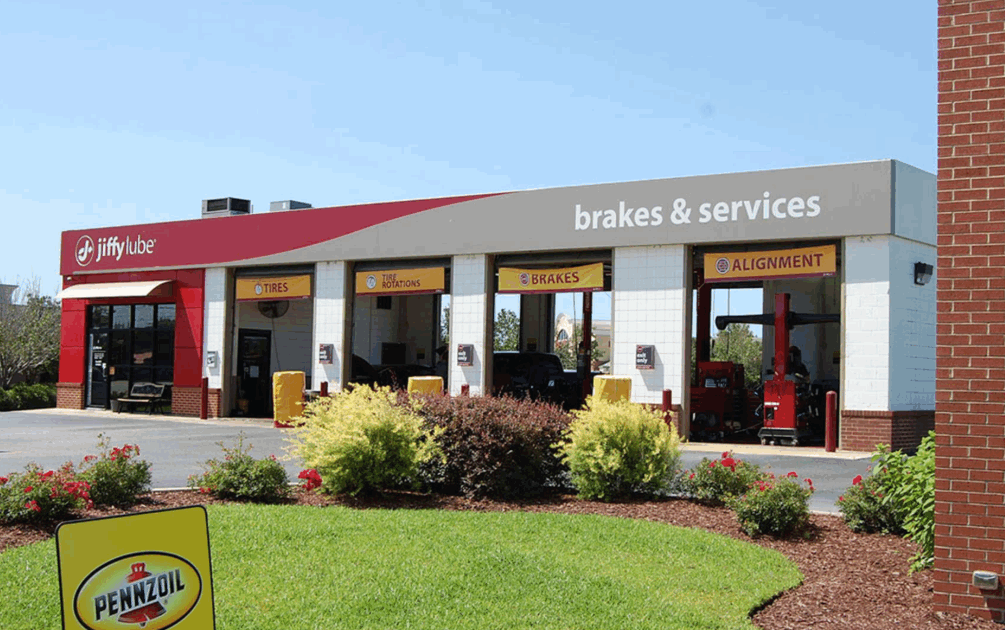
Does Jiffy Lube Do Wheel Alignments?
Yes, Jiffy Lube offers wheel alignment services at participating service centers. However, not every Jiffy Lube location provides this service. Equipment, facility size, and available services can differ between locations. For this reason, drivers should confirm alignment availability before visiting a specific service center.
A wheel alignment focuses on the position and angles of the wheels. Correct wheel angles help the tires maintain proper contact with the road. They also support stable steering and predictable vehicle handling. When the angles move outside the manufacturer’s specifications, the tires may wear unevenly. The vehicle may also pull to one side or develop an off center steering wheel.
Jiffy Lube treats wheel alignment as a separate automotive service from routine oil changes. The company also distinguishes alignment from tire services such as wheel balancing. An alignment corrects wheel angles and vehicle geometry. Wheel balancing addresses uneven weight distribution within a wheel and tire assembly. These services solve different problems, although a vehicle may need both.
Drivers should check the services offered by their preferred Jiffy Lube location before making a trip. Confirming availability also gives the driver a chance to ask about pricing and vehicle compatibility. This step is especially useful because alignment requirements can vary by vehicle.
What Does Jiffy Lube Do During a Wheel Alignment?
During a wheel alignment, a technician measures the wheel angles and adjusts them to match the vehicle manufacturer’s specifications. This process helps restore the intended position of the wheels. It can also correct alignment related steering and tire wear problems.
The technician first evaluates the vehicle and places it on alignment equipment. The equipment measures the position of each wheel. These measurements show whether the current angles fall within the manufacturer’s specified range. The technician can then identify which angles require correction.
The alignment process focuses on three important measurements: camber, caster, and toe. Camber describes the inward or outward tilt of a wheel when viewed from the front. Caster describes the angle of the steering axis when viewed from the side. Toe describes whether the fronts of the tires point toward or away from each other.
Incorrect angles affect the vehicle in different ways. Excessive camber can contribute to uneven tire wear. Incorrect toe can also wear tires faster because the tires do not travel in the intended direction. Caster mainly affects steering stability and how the steering wheel returns toward its center position.
The technician makes the necessary adjustments when the vehicle allows them. Worn or damaged steering and suspension components can affect the results. In that situation, the vehicle may need additional repairs before an alignment can restore the correct wheel geometry.
How Much Does a Wheel Alignment Cost at Jiffy Lube?
A wheel alignment at Jiffy Lube does not have one fixed price for every vehicle or service center. The final cost depends on the location, vehicle, and work required. Drivers should check with their local Jiffy Lube for an accurate estimate before scheduling the service.
Location can affect the price because individual service centers operate in different markets. Labor rates and local operating costs can vary. The vehicle also matters because manufacturers use different suspension and steering designs. These differences can affect the time and work required to adjust the wheel angles.
The condition of the vehicle can also influence the total bill. An alignment corrects wheel angles, but it does not repair worn steering or suspension parts. For example, damaged components may prevent a technician from setting the wheels within the correct specifications. The vehicle may need repairs before the alignment can produce the intended result.
Drivers should therefore separate the alignment price from the cost of related repairs. An initial quote may cover the alignment service only. Additional work can increase the total expense when an inspection reveals another problem.
Ask the selected Jiffy Lube location for current pricing and service details before visiting. Providing the vehicle’s make, model, and year can help the service center give more relevant information. This approach provides a more useful estimate than relying on a single nationwide price.
How Long Does a Wheel Alignment Take at Jiffy Lube?
A wheel alignment can take about one hour, although the total visit may take longer. The exact time depends on the vehicle’s condition, the adjustments required, and the workload at the Jiffy Lube location.
The process starts with an evaluation of the vehicle and its current alignment. A technician then uses alignment equipment to measure the wheel angles. The measurements help identify whether camber, caster, or toe falls outside the correct range. The technician adjusts the applicable angles and checks the results against the manufacturer’s specifications.
A straightforward alignment can require less work than one involving several incorrect measurements. Vehicle condition can also extend the process. For example, worn steering or suspension components may require attention before the technician can achieve the correct alignment.
The amount of time spent at the service center also includes more than the alignment itself. Other customers, inspection time, vehicle setup, and additional service needs can increase the total visit time. A one hour alignment procedure does not always mean the customer will leave exactly one hour after arriving.
Drivers who have a limited schedule should contact the location before visiting. They can ask about current wait times and alignment availability. This simple step helps set a more realistic expectation for the total service time.
How Do You Know If Your Car Needs a Wheel Alignment?
There are 5 common signs that your car may need a wheel alignment: pulling to one side, an off center steering wheel, uneven tire wear, unusual steering behavior, and problems after hitting a pothole or curb. These symptoms can appear when the wheel angles move outside the manufacturer’s specifications.
A car that consistently pulls left or right on a straight and level road may have an alignment problem. Incorrect wheel angles can change how the tires contact the road. However, drivers should consider road conditions when checking this symptom. Some roads have a slope that naturally causes a slight pull.
An off center steering wheel provides another useful warning sign. The steering wheel should remain close to its centered position when the vehicle travels straight. A noticeable change can indicate incorrect alignment. Unusual steering behavior may appear at the same time.
Tire wear also provides visible evidence. Incorrect camber or toe can place more pressure on certain areas of a tire. As a result, one edge may wear faster than another. Regular tire inspections can help drivers identify this pattern before it significantly reduces tire life.
A strong impact can also change alignment. Hitting a pothole or curb places force on the wheels, tires, and suspension. Drivers should pay attention to new steering or handling symptoms after such an impact. These 5 signs do not always confirm bad alignment because tire and suspension problems can produce similar symptoms. A professional inspection can identify the actual cause.
How Often Should You Get a Wheel Alignment?
You should check wheel alignment according to your vehicle manufacturer’s guidance and whenever the vehicle develops alignment symptoms. There is no single mileage interval that applies to every car. Driving conditions, tire condition, suspension design, and road impacts all influence alignment needs.
Tire replacement provides a practical time to consider alignment. Correct wheel angles help new tires contact the road as intended. An alignment problem can cause uneven wear and shorten the useful life of a new set of tires. Drivers should also consider an alignment check after steering or suspension work because these systems influence wheel position.
Road impacts create another reason to inspect alignment. A hard pothole strike or curb impact can affect wheel geometry. An inspection becomes more important when pulling, uneven tire wear, or an off center steering wheel appears after the impact.
Drivers should not rely only on a fixed maintenance schedule. Vehicle behavior provides important information about alignment condition. For example, a car that starts pulling to one side deserves attention even if it has not reached a planned service interval.
Regular tire inspections can help drivers notice alignment problems early. Checking tread wear and monitoring steering behavior creates a condition based approach to maintenance. This approach helps drivers respond to actual changes in the vehicle instead of waiting for a universal mileage number that may not fit their car.
What Is the Difference Between Wheel Alignment and Wheel Balancing?
Wheel alignment corrects wheel angles, while wheel balancing corrects uneven weight distribution in the wheel and tire assembly. The two services address different problems. Drivers may confuse them because both services relate to tires, handling, and ride quality.
Wheel alignment focuses on camber, caster, and toe. These angles determine how the wheels sit and point relative to the vehicle and road. Incorrect alignment can cause the vehicle to pull to one side. It can also leave the steering wheel off center or create uneven tire wear. An alignment restores adjustable wheel angles to the manufacturer’s specifications.
Wheel balancing focuses on weight rather than wheel angles. A technician checks how weight sits around the wheel and tire assembly. An imbalance can create vibration as the wheel rotates. Drivers may notice this vibration through the steering wheel, seat, or floor at certain speeds. Adding the correct wheel weights helps distribute the weight more evenly.
A vehicle can need both services because alignment and balance problems can occur at the same time. For example, a driver may notice uneven tire wear from incorrect alignment and vibration from an imbalanced wheel. Completing only one service would not address both causes.
Drivers should therefore identify the symptoms before choosing a service. Pulling and an off center steering wheel point more strongly toward alignment. Speed related vibration can indicate a balance problem. An inspection can confirm which service the vehicle needs.
Is Jiffy Lube a Good Place to Get a Wheel Alignment?
Jiffy Lube can be a practical choice for a wheel alignment when a participating location has the required equipment and can service your vehicle. The best choice depends on the vehicle’s condition, the services available at that location, pricing, and whether the car needs additional repairs.
Convenience is one factor to consider. Jiffy Lube operates many service centers, but alignment availability varies by location. Drivers should confirm that their preferred center performs wheel alignments before visiting. They should also ask whether the location can service their specific make and model.
The condition of the vehicle matters as well. A routine alignment involves measuring wheel angles and making the necessary adjustments. Worn or damaged steering and suspension parts create a different situation. These components can prevent the technician from achieving the correct alignment. The vehicle may need repairs before an alignment can produce the intended result.
Price also affects the decision. Drivers should compare the quoted alignment price with the exact work included in the service. A lower initial quote provides little value if the vehicle requires work that the location cannot perform.
Jiffy Lube therefore makes the most sense when the selected location offers alignment service and the vehicle fits its service capabilities. Confirming availability, pricing, and vehicle compatibility before the visit helps drivers choose the appropriate service center.
How Can You Find a Jiffy Lube That Does Wheel Alignments?
You can find a Jiffy Lube that does wheel alignments by checking the services available at individual locations before you visit. Jiffy Lube offers alignment services at participating service centers, so drivers should not assume that every location has the required equipment or service capability.
Start by finding Jiffy Lube service centers in your area. Review the services listed for each location and look specifically for vehicle alignment or wheel alignment. Checking the individual location matters because two nearby service centers may offer different automotive services.
Next, confirm that the location can perform an alignment on your vehicle. Provide the make, model, and year when you contact the service center. This information helps the staff determine whether they can service your vehicle. You can also ask for the current alignment price and expected service time during the same conversation.
Drivers should mention any symptoms they have noticed. For example, tell the service center if the car pulls to one side, the steering wheel sits off center, or the tires show uneven wear. These details give the technician useful context before inspecting the vehicle. They can also indicate whether the car may have a steering, suspension, or tire problem in addition to incorrect alignment.
Confirming the service before your visit can save time and prevent an unnecessary trip. It also helps you understand the expected cost and service requirements. Once you verify availability, vehicle compatibility, and pricing, you can choose a Jiffy Lube location that fits your alignment needs.
Should You Get a Wheel Alignment at Jiffy Lube?
Jiffy Lube can be a suitable option for a wheel alignment when a participating location offers the service and can handle your vehicle’s needs. Since alignment services vary by location, confirm availability, pricing, and vehicle compatibility before you visit.
A proper wheel alignment corrects wheel angles according to the manufacturer’s specifications. This adjustment can improve steering behavior and help the tires wear evenly. Consider an alignment inspection when your vehicle pulls to one side, the steering wheel sits off center, or the tires develop uneven wear. A strong pothole or curb impact can also justify an alignment check.
The condition of the steering and suspension affects the service decision. Worn or damaged components can prevent a technician from setting the correct wheel angles. In this case, the vehicle may need additional repairs before an alignment can solve the problem.
Contact your preferred Jiffy Lube location before scheduling the service. Confirm that it performs wheel alignments and ask about the current price and expected service time. These details will help you determine whether that location meets your vehicle’s alignment needs.