SAE 20 oil has no single universal equivalent. The correct replacement depends on your engine, the outside temperature, and the manufacturer’s oil requirements. SAE 20 is a single grade motor oil. Older cars used this viscosity more often than modern vehicles. Today, most engines use multigrade oils because they work across a wider temperature range.
Drivers may consider SAE 30, 5W 20, or 10W 30 when they cannot find SAE 20. However, these oils do not provide direct replacements in every engine. SAE 30 has a higher viscosity grade than SAE 20. In contrast, 5W 20 and 10W 30 use multigrade viscosity ratings. Their performance changes differently as temperatures rise or fall.
Do not choose an SAE 20 substitute by matching numbers alone. Check the vehicle owner’s manual first and follow the manufacturer’s approved viscosity range. This step matters most for classic cars and older engines that originally used single grade oil. This guide compares SAE 20 with SAE 20W, SAE 30, 5W 20, and 10W 30. It also explains how temperature and engine requirements affect your choice.
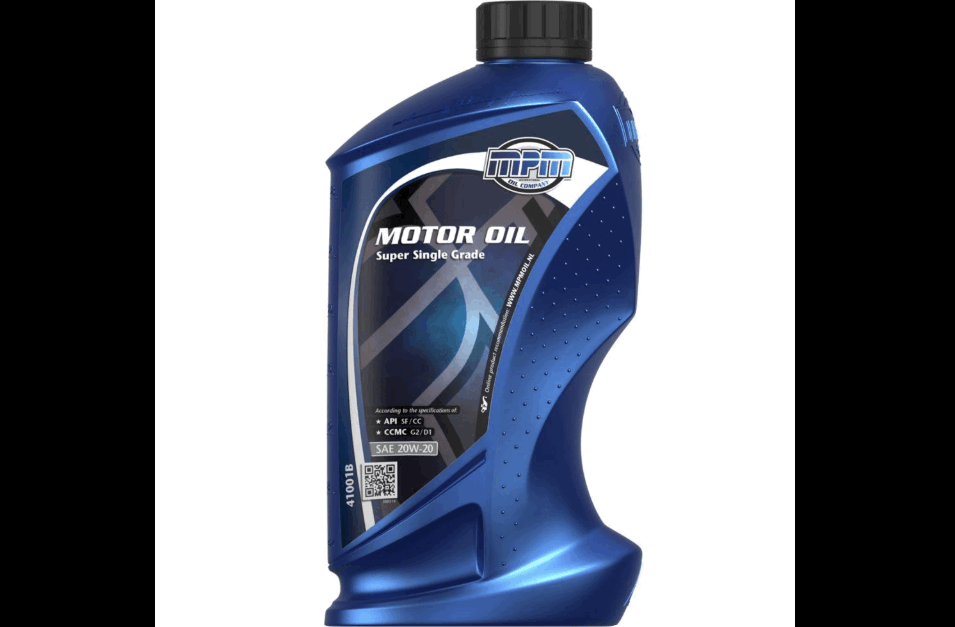
What Is the Best SAE 20 Oil Equivalent?
There is no single SAE 20 oil equivalent that works for every engine. SAE 30, 5W 20, and 10W 30 are possible alternatives in specific applications. However, you should only use them when the vehicle manufacturer allows the viscosity grade.
SAE 30 is thicker than SAE 20 at the temperatures used to classify these single grade oils. This difference affects oil flow and makes SAE 30 a poor automatic substitute. Some older vehicles allow different single grade oils for different ambient temperatures. In that case, the owner’s manual may permit SAE 30 under warmer operating conditions.
Modern multigrade oils require a different comparison. For example, 5W 20 provides a winter viscosity rating and a high temperature SAE 20 rating. This design helps the oil flow during cold starts while maintaining the required viscosity range as the engine warms. However, a matching number does not guarantee compatibility with an older engine.
Choose a replacement according to the manufacturer’s viscosity requirements, not the closest number on the bottle. Check the owner’s manual for approved grades and temperature ranges. You should also confirm any required oil performance specifications. These factors determine whether an alternative can replace SAE 20 in your specific engine.
What Does SAE 20 Mean in Motor Oil?
SAE 20 is a single grade motor oil viscosity classification. The Society of Automotive Engineers defines viscosity grades that help drivers and manufacturers identify how engine oils flow under specified test conditions. The number 20 places the oil within a defined viscosity range rather than describing one exact viscosity value.
Viscosity describes a fluid’s resistance to flow. Oil with a higher viscosity resists flow more than oil with a lower viscosity under comparable conditions. This property matters because an engine needs oil to circulate through its lubrication system while maintaining a protective film between moving components.
SAE 20 belongs to the non winter group of single grade viscosity classifications. This point matters when comparing it with grades that include the letter W. A grade such as 5W 20 uses two viscosity designations to describe performance across different temperature conditions. SAE 20 uses only one non winter grade.
Understanding this classification helps prevent incorrect substitutions. Two oils can share the number 20 without having identical viscosity behavior across all temperatures. Oil formulation and required performance specifications can also differ. For this reason, use the complete vehicle specification when choosing an oil. Do not rely on the SAE number alone.
Is SAE 20 the Same as SAE 20W Oil?
SAE 20 and SAE 20W are not the same viscosity grade. The letter W identifies a winter viscosity grade. SAE 20 belongs to a different viscosity classification. Therefore, you should not treat the two labels as interchangeable because they both contain the number 20.
The W rating focuses on oil behavior at low temperatures. Cold oil becomes more resistant to flow, which makes startup lubrication more demanding. A winter grade must meet specific low temperature requirements. These requirements help determine how well the oil can move through an engine during a cold start.
SAE 20 uses a non winter viscosity classification. Its rating focuses on viscosity requirements at higher test temperatures. As a result, SAE 20 and SAE 20W describe different performance conditions. The shared number does not mean both oils behave the same way as temperature changes.
This distinction matters when you maintain an older car. A service manual may specify SAE 20 for one temperature range and a winter grade for colder conditions. Follow those recommendations instead of replacing one grade with another based on the number alone. Check the original viscosity chart when the manual provides one. It shows which oil grades the manufacturer approved for specific ambient temperatures.
Can You Use SAE 30 Instead of SAE 20 Oil?
SAE 30 should not automatically replace SAE 20 because SAE 30 has a higher viscosity grade. You can use SAE 30 only when the vehicle manufacturer permits it for the engine and operating conditions. The owner’s manual should provide the primary guidance.
The viscosity difference affects how the oils behave inside an engine. SAE 30 resists flow more than SAE 20 under comparable high temperature conditions. This characteristic can help an oil maintain film thickness in an approved application. However, thicker oil can also circulate less easily, especially when the engine and oil are cold.
Ambient temperature played an important role in many older oil recommendations. Some manufacturers specified different single grade oils for different seasons or temperature ranges. A manual might allow a higher viscosity grade during warmer conditions while recommending a lower grade at lower temperatures. In such cases, SAE 30 serves as an approved option rather than a universal SAE 20 equivalent.
Check the original manual before making the switch. Confirm the recommended viscosity, ambient temperature range, and required oil specification. Do not choose SAE 30 simply because SAE 20 is difficult to find. A manufacturer approved alternative provides a stronger basis for the decision than viscosity number alone.
Can 5W 20 or 10W 30 Replace SAE 20 Oil?
5W 20 or 10W 30 can replace SAE 20 only when the engine manufacturer approves the alternative viscosity. Neither oil serves as a universal SAE 20 replacement. These multigrade oils behave differently from single grade SAE 20 as temperature changes.
The two numbers in a multigrade rating describe different viscosity requirements. In 5W 20, the 5W rating relates to low temperature performance. The 20 rating describes its high temperature viscosity grade. This combination gives 5W 20 better cold temperature characteristics than a single grade oil without a winter rating.
However, 5W 20 does not automatically equal SAE 20. Both oils meet requirements associated with the SAE 20 high temperature grade, but their complete viscosity characteristics differ. Their formulations and performance specifications may also differ. An older engine may require more than a similar high temperature viscosity rating.
The difference becomes greater with 10W 30. This oil carries a 10W winter rating and an SAE 30 high temperature grade. Therefore, 10W 30 does not match SAE 20 at operating temperature. Use it only when the manufacturer lists it as an acceptable viscosity for the engine and climate.
Check the owner’s manual before switching to either multigrade oil. Compare the approved viscosity grades and temperature ranges first. Then verify the required oil specification. This process provides a safer replacement decision than choosing an oil because part of its viscosity rating looks similar.
Can Multigrade Oil Replace SAE 20 in an Older Engine?
Multigrade oil can replace SAE 20 in some older engines when it meets the engine manufacturer’s requirements. Engine age alone does not determine the correct oil. The original viscosity recommendation, operating temperature, and required lubricant performance provide better guidance.
Older automotive manuals often contain single grade oil recommendations because lubricant technology and product availability differed when manufacturers wrote them. Some manuals also list several viscosity grades for different ambient temperatures. These recommendations show that oil selection depended on operating conditions even when single grade oils were common.
Modern multigrade oil changes viscosity behavior across a wider temperature range. It can provide easier circulation during cold starts while maintaining its specified high temperature viscosity grade after the engine warms. This wider operating range explains why multigrade oils became common in automotive lubrication.
However, modern technology does not make every multigrade oil suitable for every older engine. A classic engine may have specific viscosity and lubricant requirements. The engine design and original manufacturer guidance still matter when selecting a replacement.
Start with the vehicle’s original owner’s manual or service manual. Identify the specified SAE grade and any alternative grades that the manufacturer lists. Next, compare those requirements with the modern oil you plan to use. For an older engine with unclear documentation, confirm the correct specification before changing from SAE 20 to a modern multigrade oil.
How Does Temperature Affect an SAE 20 Oil Replacement?
Temperature affects oil viscosity, so it directly influences the choice of an SAE 20 replacement. Motor oil becomes more resistant to flow as temperature falls. It becomes less resistant to flow as temperature rises. The correct viscosity must support lubrication across the temperature range that the engine experiences.
Cold starts place specific demands on motor oil. The oil needs to circulate through the lubrication system soon after the engine starts. An oil with unsuitable cold temperature characteristics may move less easily during this period. Multigrade oils address this problem by combining winter and high temperature viscosity requirements.
Ambient temperature also influenced oil selection in many older vehicles. Manufacturers sometimes listed several SAE grades for different climate ranges. A lower viscosity grade could suit colder conditions, while the manual might specify a higher grade for warmer weather. These recommendations explain why one SAE 20 substitute may not suit every climate.
Do not assume that thicker oil always protects an engine better in hot weather. Likewise, thinner oil is not automatically the best choice for cold weather. The manufacturer designed the lubrication system around specific viscosity requirements. Check the owner’s manual and its temperature chart when available. Choose a replacement that fits both the approved viscosity range and expected operating conditions.
What Happens If You Use the Wrong SAE 20 Replacement?
The wrong SAE 20 replacement can change oil flow and lubrication inside the engine. The effect depends on whether the replacement oil has excessive or insufficient viscosity for the engine and operating conditions.
Oil that is too thick creates greater resistance to flow. This characteristic becomes especially important during cold starts, when the oil already has higher viscosity. The engine needs oil to reach moving components through its lubrication passages. Using a viscosity outside the approved range can alter this process.
Oil that is too thin creates a different problem. An engine relies on adequate oil viscosity to maintain a lubricating film between moving surfaces. Oil with insufficient viscosity at operating temperature may not provide the characteristics that the engine manufacturer intended. The result can affect lubrication and engine protection.
A higher viscosity number therefore does not automatically mean stronger protection. A lower viscosity does not automatically mean better lubrication either. The correct choice balances oil flow with the viscosity requirements of the engine. Use the manufacturer’s approved grade instead of trying to compensate for engine age, climate, or SAE 20 availability without supporting specifications.
How Do You Choose the Correct SAE 20 Replacement for Your Car?
Choose an SAE 20 replacement by matching the oil to the vehicle manufacturer’s viscosity and performance requirements. Do not select an alternative because its SAE number looks similar. The complete specification determines whether an oil suits the engine.
Check the owner’s manual first. Find the original SAE viscosity grade and look for alternative grades that the manufacturer approves. Older manuals may provide different recommendations for different ambient temperatures. Use the range that matches the climate in which you operate the vehicle.
Identify the required oil performance specification next. Viscosity describes an important part of oil behavior, but it does not describe every property of a motor oil. Two products with similar viscosity characteristics may use different formulations. They may also meet different performance requirements. Check both factors before choosing a replacement.
Compare the available oils with the original requirements. SAE 30 has a higher viscosity grade than SAE 20. A multigrade oil such as 5W 20 adds low temperature performance requirements. An oil such as 10W 30 combines a winter rating with an SAE 30 high temperature grade. These differences make each option application dependent.
Select the oil that satisfies the manufacturer’s complete recommendation. For a classic car with incomplete documentation, find the original service information before changing viscosity. This approach gives you a technical basis for choosing an SAE 20 replacement instead of relying on assumptions about oil thickness or engine age.
What Should You Use If SAE 20 Oil Is No Longer Available?
Use a manufacturer approved viscosity grade when SAE 20 oil is no longer available. No single modern oil can replace SAE 20 in every engine. The correct choice depends on the vehicle’s original specification, ambient temperature, and required oil performance.
Do not assume that SAE 30 provides a direct substitute because it is another single grade oil. SAE 30 has a higher viscosity grade. Likewise, 5W 20 does not automatically equal SAE 20 because both oils contain the number 20. The winter rating gives 5W 20 different low temperature requirements. A 10W 30 oil also differs because it carries an SAE 30 high temperature grade.
Check the owner’s manual or original service documentation before choosing an alternative. Look for approved viscosity grades and any temperature specific recommendations. Then verify that the replacement meets the required oil performance specification.
For older or classic cars, use the original engine requirements as the starting point rather than engine age alone. The best SAE 20 oil equivalent is the oil that meets the manufacturer’s approved viscosity and performance requirements for your operating conditions. This approach protects the engine without relying on assumptions about viscosity numbers.