If you are researching diesel trucks, chances are you have asked yourself one simple but surprisingly confusing question: does Ford own Cummins? This topic comes up frequently among truck enthusiasts, first time buyers, and even experienced drivers who are trying to choose between brands like Ford and Ram.
The confusion is understandable. Cummins engines are widely respected for their durability and long lifespan, while Ford is one of the biggest truck manufacturers in the world. When people see these two names dominate the diesel market, it is easy to assume there must be some ownership or partnership behind the scenes.
However, misunderstanding this relationship can lead to poor buying decisions, especially if you are choosing a truck based on engine expectations, maintenance costs, or long term reliability. Many buyers struggle with questions like which engine lasts longer, which brand is more cost effective, and whether Ford trucks use Cummins technology.
In this article, we will answer the question does Ford own Cummins in a clear and direct way. We will also explore who actually owns Cummins, whether Ford has ever used Cummins engines, and why different truck brands follow completely different engine strategies. By the end, you will have a complete understanding of the diesel engine landscape and be able to make a more informed decision.
Contents
Does Ford Own Cummins?
The short and clear answer is no, Ford does not own Cummins. These are two completely separate companies that operate independently in the automotive and engine manufacturing industries.
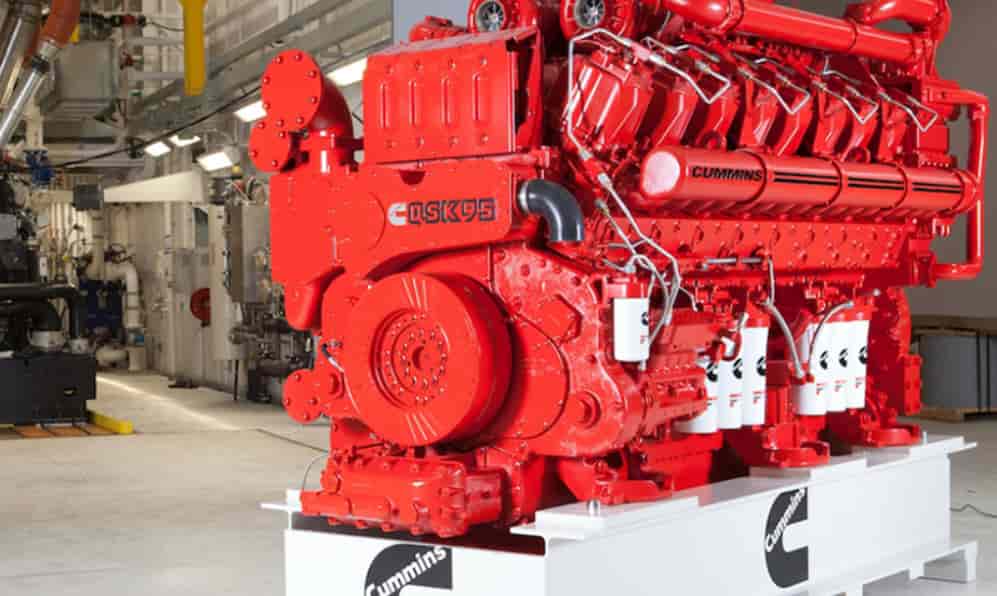
Cummins is an independent, publicly traded company that specializes in designing and producing diesel engines, power systems, and related technologies. It is not owned by any automotive brand, including Ford. Instead, Cummins supplies engines to various manufacturers, most notably Ram trucks, where it has built a strong and long standing reputation.
Ford, on the other hand, is a global automotive manufacturer that produces its own vehicles and, importantly, develops its own diesel engines under the Power Stroke name. Rather than relying on third party engine suppliers like Cummins, Ford has invested heavily in controlling its engine technology to maintain brand identity, performance standards, and long term cost efficiency.
The confusion around the question does Ford own Cummins often comes from how dominant both names are in the diesel truck market. When buyers compare Ford trucks to Ram trucks with Cummins engines, it can create the impression that there is some form of shared ownership or collaboration. In reality, they are competitors with very different strategies.
Understanding this distinction is critical, especially if you are trying to choose between a Ford Power Stroke engine and a Cummins powered truck. Ownership affects everything from engineering philosophy to maintenance experience, and assuming a connection where none exists can lead to unrealistic expectations.
Who Actually Owns Cummins?
To fully answer the question does Ford own Cummins, you need to understand who actually owns Cummins and how the company operates.
Cummins is a publicly traded company. Investors and shareholders own it through the stock market. No single automaker controls the company, including Ford.
This structure gives Cummins a major advantage. The company can focus entirely on engine development without depending on one vehicle brand. It designs and builds diesel engines for multiple partners instead of serving a single manufacturer.
Many truck buyers misunderstand this point. They often see Cummins engines in Ram trucks and assume ownership exists. In reality, Ram only partners with Cummins. It does not own the company.
Cummins has built its reputation as an engine focused brand. It invests heavily in performance, durability, and efficiency. This approach differs from Ford’s strategy. Ford develops both trucks and engines under one system to maintain full control.
This difference explains why confusion happens so often. Buyers compare Ford and Cummins in the same conversation. That overlap creates the illusion of a deeper connection.
In reality, Cummins remains independent. It does not belong to Ford or any other automaker. This independence allows it to lead in diesel engine innovation and serve multiple brands at the same time.
Relationship Between Ford and Cummins
To better understand the question does Ford own Cummins, you need to look at the actual relationship between these two companies. The reality is simple. They do not share ownership, and they do not maintain any official partnership today.
Ford and Cummins operate as competitors in the diesel truck market. Each company follows a different strategy when it comes to engine development and brand positioning. Ford focuses on building its own engines, while Cummins supplies engines to other manufacturers.
Many people believe there was some form of collaboration in the past. This idea comes from industry rumors and discussions among truck enthusiasts. Some reports suggested that Ford once explored the possibility of using Cummins engines. However, no official production partnership ever materialized.
This lack of collaboration often surprises buyers. Cummins has a strong reputation for durability, and Ford dominates the truck market. On the surface, a partnership seems logical. In practice, both companies chose different paths to maintain control over their technology and identity.
The confusion also comes from how consumers compare trucks. Buyers often look at Ford trucks and Ram trucks side by side. Since Ram uses Cummins engines, people assume Ford must have a similar connection. This comparison creates a false link between Ford and Cummins.
In reality, the relationship is defined by separation rather than collaboration. Ford builds its own diesel engines, while Cummins continues to supply other brands. Understanding this distinction helps you avoid incorrect assumptions when evaluating diesel trucks.
Did Ford Ever Use Cummins Engines?
Many truck enthusiasts still ask whether Ford ever used Cummins engines. This question often appears alongside the main query does Ford own Cummins. The short answer is no. Ford has never used Cummins engines in its mass production trucks.
However, the story does not end there. Over the years, rumors and discussions have circulated within the automotive community. Some insiders and enthusiasts have claimed that Ford once considered testing Cummins engines. These ideas never moved beyond the experimental or conceptual stage. No official Ford truck has ever rolled off the production line with a Cummins engine.
Instead, Ford chose a different path early on. The company focused on developing its own diesel engine lineup. This decision allowed Ford to control performance, design, and long term innovation. It also helped the brand build a unique identity in the competitive truck market.
For buyers, this decision has a real impact. When you choose a Ford truck, you are investing in an engine system designed and refined within the Ford ecosystem. You are not getting a third party engine like Cummins, which follows a different engineering philosophy.
The persistence of this myth often comes from how popular Cummins engines are. Because they are widely respected, many people assume that every major truck brand must have used them at some point. In Ford’s case, that assumption is incorrect.
Understanding this helps you avoid confusion when comparing diesel trucks. Ford and Cummins represent two separate approaches, not a shared history.
What Engines Does Ford Use Instead?
Since Ford does not use Cummins engines, many buyers naturally ask what powers Ford diesel trucks. The answer is the Power Stroke engine lineup, which Ford develops and refines as its core diesel technology.
Ford introduced Power Stroke engines to build a strong identity in the diesel market. Instead of relying on external suppliers, the company chose to control engine design, performance, and innovation. This strategy helps Ford maintain consistency across its truck lineup and respond quickly to changing regulations and customer demands.
In the early years, Ford worked with Navistar to produce Power Stroke engines. This partnership allowed Ford to compete with other diesel options while gaining experience in engine development. Over time, Ford transitioned toward fully in house production. Today, modern Power Stroke engines come directly from Ford’s own engineering and manufacturing systems.
This shift gives Ford a major advantage. The company can align engine performance with the overall truck design. It can also improve fuel efficiency, towing capacity, and emissions control without depending on third party suppliers.
For truck buyers, this creates a different ownership experience compared to Cummins powered vehicles. When you drive a Ford diesel truck, you get a fully integrated system. The engine, transmission, and vehicle platform work together under one brand philosophy.
However, this approach also raises common concerns. Some buyers worry about long term durability or repair costs compared to Cummins engines, which have a reputation for longevity. These concerns often influence the decision making process when choosing between Ford and Ram trucks.
Understanding what Ford uses instead of Cummins helps you see the bigger picture. The difference is not about better or worse. It is about two distinct strategies in the diesel truck world.
Why Ram Uses Cummins but Ford Doesn’t
To fully understand the diesel truck market, you need to see why Ram uses Cummins while Ford does not. This difference comes from strategy, not capability.
Ram chose to partner with Cummins to strengthen its position in the heavy duty truck segment. Cummins already had a strong reputation for durability and torque. By using Cummins engines, Ram could offer proven performance without building a diesel system from scratch. This partnership helped Ram gain trust quickly, especially among buyers who value long lasting engines.
Ford took a different route. The company focused on vertical integration. It invested in developing its own engines to control every part of the vehicle. This approach allows Ford to fine tune performance, improve efficiency, and adapt faster to new emissions standards. It also helps maintain a consistent brand identity across all its trucks.
For buyers, this creates a clear contrast. When you choose a Ram truck, you are often choosing the reputation of Cummins. When you choose a Ford truck, you are choosing a fully integrated system designed under one brand.
This difference can create real hesitation during the buying process. Many people struggle with questions about reliability, maintenance costs, and long term value. Some believe Cummins offers better durability, while others trust Ford’s ability to innovate and optimize performance.
There is no one size fits all answer. Each approach serves a different type of driver. If you value a specialized engine with a long standing reputation, Cummins may feel more appealing. If you prefer a tightly integrated system with continuous innovation, Ford becomes a strong choice.
Understanding this strategic difference helps you move beyond the question does Ford own Cummins and focus on what truly matters. It allows you to choose the right truck based on your needs rather than assumptions.
Cummins vs Ford Power Stroke: Key Differences
When buyers ask does Ford own Cummins, they often move quickly to a more important question. Which engine is better for real world use? Understanding the differences between Cummins and Ford Power Stroke helps you make a smarter decision.
First, durability stands out as a major factor. Cummins engines have built a strong reputation for long lifespan. Many owners report high mileage with proper maintenance. This makes Cummins a popular choice for heavy duty use and long term ownership. Ford Power Stroke engines have improved significantly over time. Modern versions deliver strong reliability, but some buyers still associate Cummins with longer engine life.
Next comes performance. Ford Power Stroke engines often focus on balanced performance. They deliver strong horsepower, smooth acceleration, and advanced towing capability. Cummins engines, on the other hand, are known for high torque output. This makes them ideal for heavy loads and demanding tasks such as towing and hauling.
Maintenance and repair costs also play a key role. Cummins engines often feature a simpler inline six design. This can make certain repairs easier and sometimes less expensive. Ford Power Stroke engines use a more complex design. While this allows for advanced performance, it can increase maintenance complexity in some cases.
Fuel efficiency is another important factor. Both engines perform well, but results vary depending on driving style and workload. Ford often focuses on optimizing overall efficiency, while Cummins prioritizes consistent performance under heavy stress.
Finally, brand experience influences many buyers. Choosing Cummins often means trusting a dedicated engine specialist. Choosing Ford means relying on a fully integrated system where all components work together.
At this stage, the question does Ford own Cummins becomes less important. What truly matters is how each engine fits your needs, budget, and expectations.
Conclusion
So, does Ford own Cummins? The answer remains clear and simple. Ford does not own Cummins, and the two companies operate independently with completely different strategies.
Cummins stands as an engine focused company that supplies proven diesel technology to partners like Ram. Ford, on the other hand, builds its own Power Stroke engines to maintain full control over performance, design, and innovation. This difference explains why so many misconceptions exist in the market.
For truck buyers, this knowledge goes beyond simple curiosity. It directly affects how you evaluate reliability, maintenance costs, and long term value. Many people enter the market with assumptions, only to realize later that engine choice plays a critical role in ownership experience.
If you are deciding between Cummins and Ford Power Stroke, focus on your actual needs. Consider how you use your truck, how long you plan to keep it, and how much you are willing to invest in maintenance. Each option offers unique advantages, but neither is universally better for every driver.
Understanding the truth behind the question does Ford own Cummins helps you move forward with confidence. Instead of relying on myths, you can make a decision based on facts and real performance differences.
Now it is your turn. Do you prefer the long standing reputation of Cummins or the integrated engineering of Ford Power Stroke? Share your thoughts and experience to help others make the right choice.