Dodge Truck Death Wobble is a serious steering problem that affects many truck owners. It causes the front end of the vehicle to shake violently. The steering wheel can move rapidly from side to side. The driver may lose confidence in controlling the truck until the speed is reduced.
Death wobble usually appears after hitting a bump, pothole, or uneven road surface. It often happens at speeds between 40 and 65 mph. The problem is different from normal tire vibration. A tire imbalance creates a steady shake. Death wobble creates a sudden and aggressive steering movement.
Many drivers believe death wobble comes from one damaged part. This is usually incorrect. The condition often develops from several worn steering and suspension components. Common causes include a loose track bar, worn ball joints, damaged tie rods, weak bushings, and incorrect wheel alignment.
The Dodge truck front suspension system depends on precise movement control. Components such as the track bar and steering linkage keep the solid front axle stable. When these parts develop excessive movement, the axle can shift during driving. This creates a repeating vibration cycle that becomes difficult to control.
This guide explains the causes, symptoms, diagnosis process, and repair methods for Dodge Truck Death Wobble. It also covers prevention strategies that help maintain steering stability and reduce future suspension problems.
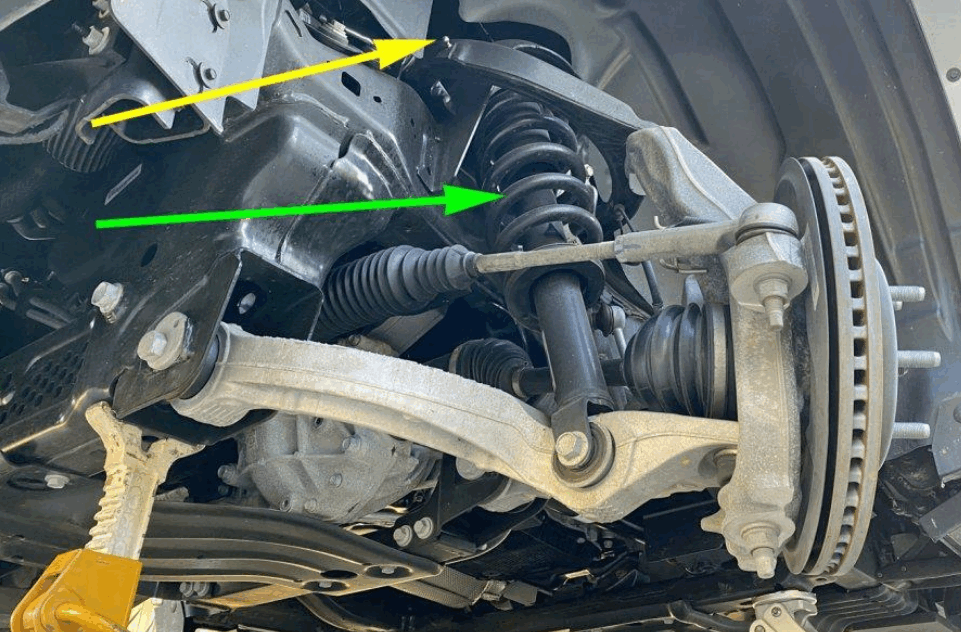
What Is Dodge Truck Death Wobble?
Dodge Truck Death Wobble is a rapid side-to-side movement of the front suspension and steering system. The condition causes the steering wheel to shake violently. It usually appears after the truck hits a road impact, such as a pothole or uneven pavement.
Death wobble happens because the front axle loses stability. Dodge trucks with solid front axles rely on several components to maintain proper alignment. The track bar keeps the axle centered under the vehicle. The steering linkage controls wheel movement. Ball joints and bushings reduce unwanted movement between suspension parts.
When these components wear out, small movements become larger during driving. A loose track bar bushing can allow the axle to move sideways. A worn ball joint can create additional play in the steering system. These movements combine and create a feedback cycle. The front axle begins moving from side to side, which increases steering vibration.
The main difference between death wobble and normal vibration is the intensity of the movement. Normal vibration usually comes from tire balance issues, wheel damage, or uneven tire wear. It creates a consistent shaking sensation. Death wobble starts suddenly and creates aggressive steering movement that forces the driver to slow down.
Dodge Truck Death Wobble is not caused by one specific model year or one single component. It develops when the steering and suspension system cannot control front axle movement correctly. A complete inspection of the front end is necessary because replacing only one worn part may not remove the underlying problem.
Understanding how death wobble works helps truck owners identify the warning signs earlier. Early diagnosis prevents additional wear on steering components and improves driving safety.
What Causes Dodge Truck Death Wobble?
Dodge Truck Death Wobble is caused by excessive movement in the front steering and suspension system. The problem usually appears when multiple components develop wear at the same time. A single loose part may start the problem, but several connected parts often allow the wobble to continue.
The track bar is one of the most common causes of death wobble on Dodge trucks. This component keeps the front axle centered under the vehicle. When the track bar bushings wear out, the axle can move from side to side. That movement creates instability because the suspension cannot keep the axle in its correct position.
Worn ball joints are another major cause. Ball joints connect the steering knuckle to the control arms. They allow controlled movement while supporting the weight of the truck. When ball joints develop excessive play, the front wheels can change position during driving. This movement increases stress on other steering components and makes the truck more difficult to control.
Steering linkage problems can also trigger death wobble. Loose tie rods, damaged drag links, and worn steering components reduce steering accuracy. These parts transfer the driver’s steering input to the wheels. Any unwanted movement can create additional vibration through the entire system.
Wheel alignment and tire conditions also influence the risk of death wobble. Incorrect caster angles can reduce steering stability. Unbalanced tires and uneven tire wear can increase vibration. Modified Dodge trucks with lift kits and oversized tires often place additional stress on suspension components.
A proper repair requires finding the source of the movement instead of replacing random parts. Inspecting the track bar, ball joints, steering linkage, wheel bearings, and alignment settings provides a complete picture of the vehicle’s condition. Fixing the actual cause helps prevent Dodge Truck Death Wobble from returning.
What Are the Symptoms of Dodge Truck Death Wobble?
The main symptom of Dodge Truck Death Wobble is a sudden and violent shaking of the front steering system. The steering wheel moves quickly from side to side. The driver may feel strong vibration through the hands and the entire front end of the truck.
The most common warning sign appears after hitting a bump, pothole, or uneven road surface. The truck may feel normal before the impact. After the impact, the front axle can begin to oscillate rapidly. The shaking often continues until the driver reduces speed.
Another symptom is a loose or unstable steering feeling. A healthy steering system should respond immediately to driver input. A truck with worn suspension parts may feel unpredictable. The driver may notice extra steering movement before the wobble becomes severe.
Death wobble often occurs within a specific speed range. Many Dodge truck owners experience the problem between 40 and 65 mph. However, the exact speed depends on the condition of the suspension system. Worn components create different levels of instability.
Additional signs can appear before a serious wobble develops. Uneven tire wear may indicate alignment problems. Clunking sounds from the front suspension may suggest worn ball joints or bushings. Excessive play in the steering wheel may point to loose steering components.
The symptoms of death wobble are different from normal vibration problems. Tire imbalance usually creates a continuous shake that changes with speed. Death wobble creates a sudden loss of front-end stability. The steering system feels like it is fighting against itself.
Recognizing these symptoms early helps prevent further damage. Continued driving with worn suspension components can increase stress on the track bar, steering linkage, tires, and other front-end parts. A complete inspection is the safest way to identify the cause before the condition becomes more serious.
Which Dodge Truck Models Are Most Likely to Experience Death Wobble?
Dodge Ram 2500 and Dodge Ram 3500 models are the trucks most commonly associated with death wobble because they use heavy-duty solid front axle systems. These trucks are designed for towing, hauling, and off-road use. Their suspension systems handle high loads, but worn steering components can create serious instability.
The Dodge Ram 2500 is frequently reported with death wobble issues because of its front suspension design. Many models use a solid axle with a track bar system. The track bar controls side-to-side axle movement. When the bushings or mounting points become worn, the axle can shift during driving.
The Dodge Ram 3500 can experience similar problems because it shares many heavy-duty suspension characteristics. These trucks often carry heavier loads and may experience additional stress on steering and suspension components. Regular towing, large tires, and rough driving conditions can accelerate wear.
Modified trucks have a higher risk of developing death wobble. Lift kits change the suspension geometry and can affect caster angle, steering alignment, and component angles. Oversized tires also increase the force applied to ball joints, tie rods, and steering linkage. These modifications do not automatically cause death wobble, but incorrect installation or poor maintenance increases the risk.
Older Dodge trucks are generally more vulnerable because suspension components naturally wear over time. Rubber bushings become softer, ball joints develop play, and steering connections lose their original tightness. A truck with high mileage requires more frequent front-end inspections.
Death wobble is not limited to one specific year or configuration. Any Dodge truck with worn steering and suspension parts can develop the problem. The risk depends more on component condition, maintenance history, and modifications than the vehicle’s age alone.
How Do You Diagnose Dodge Truck Death Wobble?
Diagnosing Dodge Truck Death Wobble requires checking the entire front steering and suspension system for excessive movement. The goal is to identify which components allow the front axle or steering linkage to move beyond normal limits. A proper inspection focuses on the source of instability instead of only replacing parts after symptoms appear.
The track bar should be inspected first because it controls the position of the front axle. A worn track bar bushing can create side-to-side axle movement. During inspection, a technician checks for visible cracks, loose mounting points, and movement between the axle and frame. Any noticeable play in this area can contribute to death wobble.
Ball joints and steering linkage components require a detailed examination. Worn ball joints can create vertical or horizontal movement in the steering knuckle. Loose tie rods and drag links can reduce steering control. A technician usually checks these parts by lifting the front axle and testing for abnormal movement.
Wheel and tire conditions should also be evaluated. Uneven tire wear, incorrect tire pressure, and poor wheel balance can increase front-end vibration. Tire problems may not directly create death wobble, but they can amplify existing suspension issues. Wheel alignment should also be checked because incorrect caster settings can reduce steering stability.
A complete diagnosis should include the steering stabilizer, wheel bearings, control arm bushings, and suspension mounting points. The steering stabilizer can reduce vibration, but it does not repair worn components. Replacing it without fixing the underlying problem often provides only temporary improvement.
The most effective diagnosis combines visual inspection, mechanical testing, and road evaluation. A technician should reproduce the conditions that trigger the wobble and then identify the component responsible. Finding every source of movement is essential because Dodge Truck Death Wobble often involves more than one worn part.
How Do You Fix Dodge Truck Death Wobble?
Fixing Dodge Truck Death Wobble requires repairing the worn steering and suspension components that allow excessive front-end movement. A permanent repair focuses on removing the source of instability. Replacing only one part may reduce the vibration, but it often does not solve the complete problem.
The first step is replacing damaged or loose components. The track bar is one of the most important parts to inspect and repair. A worn track bar bushing or loose mounting bolt allows the front axle to move sideways. Installing a new track bar or replacing damaged bushings can restore axle stability.
Ball joints, tie rods, and drag links should also be replaced when they show excessive wear. These components directly control wheel movement. A worn connection creates unwanted play in the steering system. New components improve steering precision and reduce the movement that triggers death wobble.
Wheel alignment is an important part of the repair process. After suspension components are replaced, the front-end geometry must return to proper specifications. Correct caster angle helps the steering system return to center and improves highway stability. Incorrect alignment can cause new parts to wear faster.
A steering stabilizer can support the repair, but it is not a complete solution. The stabilizer controls steering movement and reduces vibration. However, it cannot fix loose ball joints, damaged bushings, or worn steering linkage. Installing a stronger stabilizer without repairing damaged components only hides the symptoms.
Some Dodge trucks require a more complete front suspension rebuild. This is common on older trucks with multiple worn parts. Replacing several connected components at the same time creates a more balanced system. It also reduces the chance of one new part working with several older, damaged components.
The best repair strategy starts with an accurate inspection. Once the damaged components are identified, replacing those parts and correcting the suspension geometry can restore safe and stable steering performance.
How Much Does It Cost to Fix Dodge Truck Death Wobble?
The cost to fix Dodge Truck Death Wobble depends on which steering and suspension components have failed. A simple repair may involve replacing one worn part. A complete front-end rebuild can require several new components and professional alignment. The final cost depends on the truck model, labor rates, parts quality, and the amount of damage.
Replacing a track bar or track bar bushings is one of the most common repairs. The cost varies based on whether the truck uses OEM or aftermarket parts. A basic track bar repair may cost less than a complete suspension rebuild. However, additional worn components should be repaired at the same time if they contribute to the instability.
Ball joint replacement is usually more expensive because the repair requires more labor. The front suspension must often be disassembled to access the damaged parts. Tie rods, drag links, and control arm bushings may add more cost when they show excessive wear. These parts work together, so replacing only one damaged connection may not restore complete steering stability.
A front-end inspection and wheel alignment are also important expenses. Alignment corrects suspension geometry after repairs. It helps maintain proper caster angle and prevents uneven tire wear. Skipping alignment after suspension work can reduce the lifespan of new components.
Many Dodge truck owners spend more money by delaying repairs. A small bushing problem can create additional stress on ball joints, tires, steering components, and suspension mounts. Early diagnosis usually requires fewer repairs and reduces long-term maintenance costs.
The most accurate way to estimate repair cost is through a complete suspension inspection. A technician can identify worn parts and separate necessary repairs from unnecessary replacements. The goal is not only to stop the shaking but also to restore the entire steering system to proper working condition.
How Can You Prevent Dodge Truck Death Wobble?
Preventing Dodge Truck Death Wobble requires regular inspection and maintenance of the steering and suspension system. The condition usually develops gradually as components wear out. Identifying small problems early helps prevent severe front-end instability and expensive repairs.
Regular front suspension inspections are one of the most effective prevention methods. The track bar, ball joints, tie rods, drag links, and control arm bushings should be checked for excessive movement. These components control the position of the front axle and steering response. Small amounts of wear can increase over time and create larger handling problems.
Proper wheel alignment also plays an important role in preventing death wobble. Incorrect caster angle can reduce steering stability and affect how the truck returns to the center after turning. Alignment should be checked after installing lift kits, changing suspension components, or noticing uneven tire wear.
Tire maintenance helps protect the entire steering system. Balanced tires reduce unnecessary vibration. Correct tire pressure improves handling and reduces stress on suspension parts. Drivers should inspect tires regularly for uneven wear patterns because they can indicate alignment problems or worn suspension components.
Modified Dodge trucks require additional attention. Lift kits and oversized tires change the original suspension geometry. These upgrades can increase stress on steering components if they are installed incorrectly. Proper installation, suitable replacement parts, and regular inspections help maintain suspension stability.
Replacing worn components before failure is another important prevention strategy. A damaged bushing or loose steering connection may not immediately create death wobble, but it can affect other parts over time. Early repairs reduce stress throughout the front suspension system.
A well-maintained Dodge truck should provide stable steering at highway speeds. Preventive maintenance protects important components, improves driving confidence, and reduces the chance of experiencing a sudden death wobble event.
Death Wobble vs. Normal Steering Vibration: What Is the Difference?
Dodge Truck Death Wobble and normal steering vibration are different problems with different causes. Both conditions can create shaking sensations through the steering wheel. However, death wobble creates a much more aggressive loss of front-end control. Normal vibration usually feels consistent and predictable.
Normal steering vibration often comes from tire and wheel problems. Common causes include unbalanced tires, uneven tire wear, damaged wheels, or incorrect tire pressure. The vibration usually increases or decreases with vehicle speed. It does not normally cause the steering wheel to move violently from side to side.
Death wobble is caused by instability within the steering and suspension system. The front axle begins moving rapidly from side to side after a road impact. The driver may experience sudden steering wheel movement, strong shaking, and difficulty maintaining control. The condition often continues until the truck slows down.
The timing of the vibration is another important difference. Tire-related vibration can appear during normal driving conditions. Death wobble usually starts after hitting a bump, pothole, or uneven surface. The sudden movement indicates that the suspension system cannot control the front axle correctly.
The repair approach is also different. Tire vibration may require tire balancing, rotation, or wheel replacement. Death wobble requires inspection of components such as the track bar, ball joints, tie rods, steering linkage, and suspension bushings. Replacing tires alone will not fix worn steering parts.
Understanding the difference helps Dodge truck owners avoid incorrect repairs. A driver who mistakes death wobble for a simple tire issue may continue driving with damaged suspension components. Accurate diagnosis protects the vehicle and improves overall driving safety.
Frequently Asked Questions About Dodge Truck Death Wobble
Dodge Truck Death Wobble creates several common questions because the problem involves multiple steering and suspension components. Many truck owners want to know whether the condition can damage other parts, whether a steering stabilizer can solve it, and whether the vehicle is safe to drive. Understanding these answers helps owners make better repair decisions.
Can death wobble damage other suspension parts?
Yes, death wobble can increase stress on other front-end components. The repeated side-to-side movement places additional force on the track bar, ball joints, tie rods, steering linkage, and suspension bushings. Continued driving with an unresolved problem can accelerate wear and create additional repair needs.
Is a steering stabilizer a permanent fix for death wobble?
No, a steering stabilizer does not permanently fix worn suspension components. The stabilizer reduces steering movement by absorbing some vibration. However, it cannot correct loose ball joints, damaged bushings, or incorrect suspension geometry. The root cause must be repaired first.
Can bad tires cause Dodge Truck Death Wobble?
Bad tires can increase vibration, but they are rarely the only cause of true death wobble. Uneven tire wear, poor balance, or incorrect tire pressure can make an existing suspension problem worse. A complete inspection is necessary to separate tire issues from steering problems.
Is it safe to drive a truck with death wobble?
Driving with death wobble is not recommended because the condition affects steering control. The sudden shaking can reduce the driver’s ability to control the vehicle. The safest approach is to inspect and repair the truck before continuing normal driving.
Can wheel alignment fix death wobble?
Wheel alignment can improve steering stability, but it cannot repair worn mechanical parts. Correct alignment is important after replacing suspension components. However, loose track bars, damaged ball joints, or worn steering connections must be repaired first.
Does replacing one part solve Dodge Truck Death Wobble?
Sometimes one damaged component causes the main problem. However, many cases involve multiple worn parts. A complete inspection provides a more accurate solution than replacing parts without identifying the actual source of movement.
Conclusion
Dodge Truck Death Wobble is a suspension and steering stability problem that requires a complete diagnosis, not a temporary adjustment. The condition develops when worn components allow excessive movement in the front axle and steering system. Common causes include damaged track bar bushings, worn ball joints, loose steering linkage, incorrect alignment, and excessive stress from suspension modifications.
A reliable repair starts with identifying the source of the movement. Replacing a steering stabilizer or changing one component may reduce symptoms, but it does not always remove the underlying problem. A complete inspection of the front suspension provides a more accurate solution and helps prevent the issue from returning.
Regular maintenance is the best way to reduce the risk of death wobble. Checking steering components, maintaining proper wheel alignment, monitoring tire condition, and inspecting modified suspension systems can protect the truck’s stability. Early repairs also prevent additional damage to connected components.
For Dodge truck owners, death wobble should be treated as a warning sign from the steering system. A properly maintained suspension provides better control, safer driving, and longer component life. Understanding the causes, symptoms, and repair process allows owners to make informed decisions before a minor suspension issue becomes a major safety concern.