A Dodge Charger that won’t start when you press the push button is usually caused by one of seven issues: a weak battery, a dead key fob battery, a faulty brake pedal switch, a failed starter motor, a blown fuse or relay, an immobilizer communication problem, or a malfunctioning control module. Identifying the exact cause depends on the symptoms your vehicle shows before and during the starting attempt.
Modern Dodge Charger models use an electronic push-button starting system instead of a traditional ignition key. Before the engine can crank, multiple components—including the key fob, RF Hub, brake pedal switch, Powertrain Control Module (PCM), battery, and starter circuit—must communicate successfully. If any part of this sequence fails, the vehicle may not respond when you press the Start/Stop button, display a “Key Fob Not Detected” message, produce a single click, crank without starting, or remain completely inactive.
This guide explains how the Dodge Charger push-button starting system works and walks through a logical diagnostic process, beginning with the easiest inspections and progressing to more advanced electrical and electronic troubleshooting. You’ll learn how to distinguish between a No Crank and a No Start condition, identify the most common causes based on specific symptoms, perform safe diagnostic checks, estimate repair costs, and determine when professional diagnosis is necessary. Following this step-by-step approach helps eliminate unnecessary parts replacement and shortens the time required to locate the actual fault.
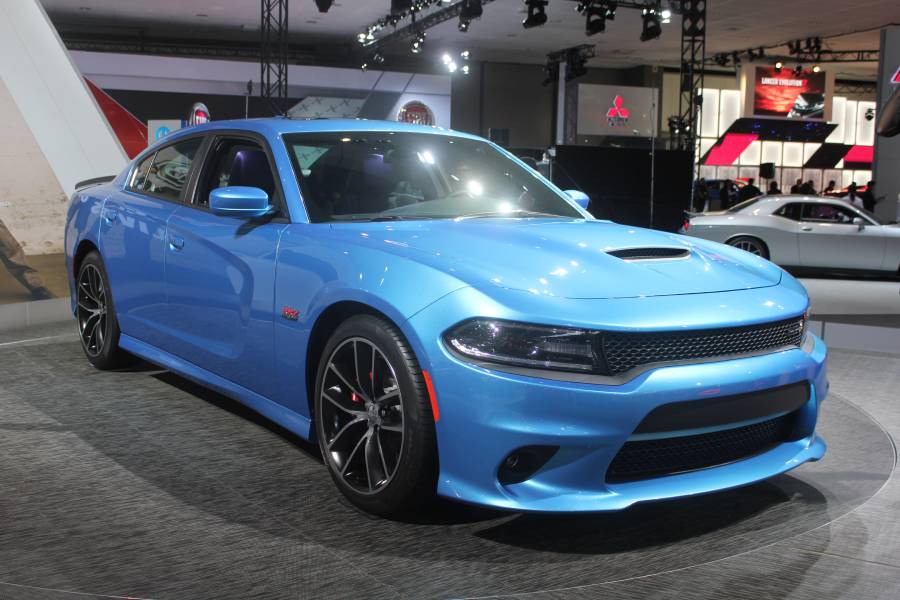
Why Won’t My Dodge Charger Start When I Press the Push Button?
A Dodge Charger won’t start when you press the push button because the starting system cannot complete one or more required safety and communication checks. Before the starter motor receives power, the vehicle must verify that the key fob is authorized, the brake pedal is pressed, the transmission is in Park or Neutral, the battery supplies sufficient voltage, and the control modules can communicate with one another. If any step fails, the engine will not crank or may crank without starting.
Unlike a traditional ignition switch, the push-button system depends on several electronic modules working together. When you press the Start/Stop button while depressing the brake pedal, the RF Hub verifies the key fob’s authentication. The Powertrain Control Module (PCM) then checks safety conditions and sends a command to the starter relay. The relay supplies power to the starter solenoid, which engages the starter motor to rotate the engine. If every component functions correctly, the engine starts within a few seconds. A failure anywhere in this sequence interrupts the entire starting process.
Understanding the symptom your Dodge Charger displays is the fastest way to narrow down the possible cause. Different symptoms usually point to different components within the starting system.
Nothing Happens When the Start Button Is Pressed
If absolutely nothing happens, the problem is commonly related to power supply, key recognition, or brake switch detection. The dashboard may remain dark, or the instrument cluster may illuminate without any starter activity.
Typical causes include:
- Dead or severely discharged battery
- Loose or corroded battery terminals
- Dead key fob battery
- Faulty brake pedal switch
- Blown starter fuse
- Defective push-button switch
- RF Hub communication failure
Begin by checking whether the dashboard lights illuminate normally. If the vehicle appears completely without power, battery voltage should be tested before inspecting other components.
A Single Click but the Engine Does Not Crank
A single click usually indicates that the starter relay is operating but the starter motor cannot turn the engine.
This symptom is frequently caused by:
- Weak battery with insufficient cranking amperage
- Failing starter motor
- Defective starter solenoid
- High resistance in battery cables
- Poor engine ground connection
A battery may still power the dashboard and interior electronics while lacking enough current to operate the starter motor. Measuring battery voltage under load provides a more reliable diagnosis than relying solely on dashboard lights.
Rapid Clicking Sounds
Rapid clicking almost always indicates insufficient battery voltage.
When voltage drops below the level required by the starter circuit, the relay repeatedly engages and disengages, producing a series of clicking sounds instead of continuous starter operation.
Common reasons include:
- Discharged battery
- Corroded battery terminals
- Loose battery connections
- Excessive voltage drop in battery cables
Testing battery voltage before replacing any components helps prevent unnecessary repairs.
The Engine Cranks but Does Not Start
If the starter motor turns the engine but the engine never fires, the starting system has completed its mechanical function and the problem likely involves fuel delivery, ignition, engine management, or security authorization.
Possible causes include:
- Immobilizer preventing fuel injection
- Fuel pump failure
- Ignition system malfunction
- Faulty crankshaft position sensor
- PCM-related fault
- Engine timing issue
Reading diagnostic trouble codes with an OBD-II scanner becomes particularly valuable when the engine cranks normally but refuses to start.
“Key Fob Not Detected” Appears
A “Key Fob Not Detected” message indicates that the vehicle cannot authenticate the smart key.
This commonly occurs because of:
- Weak key fob battery
- Damaged key fob
- RF interference
- RF Hub malfunction
- Key programming issue
Many Dodge Charger models allow the engine to start by holding the key fob directly against the Start/Stop button if the fob battery is depleted. If the vehicle starts using this method, replacing the key fob battery is usually the first repair to perform.
What Are the Most Common Reasons a Dodge Charger Won’t Start with the Push Button?
Most Dodge Charger push-button starting failures are caused by seven common faults that account for the majority of no-start complaints. Diagnosing these components in a logical order saves time and reduces the likelihood of replacing parts unnecessarily.
Is the Battery Dead or Too Weak?
A weak or discharged battery is the most common reason a Dodge Charger won’t start with the push button.
Even if the headlights or infotainment system still operate, the battery may not provide enough cold cranking amps to engage the starter motor. Electronic systems require relatively little power compared with the starter circuit, so illuminated dashboard lights do not guarantee a healthy battery.
Common symptoms include:
- Slow or no cranking
- Rapid clicking noises
- Flickering dashboard lights
- Electrical systems resetting during startup
Measure battery voltage using a digital multimeter before attempting further diagnosis.
Typical voltage readings:
- 12.6 V or higher: Fully charged
- 12.4–12.5 V: Acceptable
- Around 12.2 V: Partially discharged
- Below 12.0 V: Recharge or replace the battery before continuing diagnostics
Is the Key Fob Battery Dead?
A depleted key fob battery can prevent the RF Hub from detecting the authorized smart key.
As the battery weakens, the operating range decreases until the vehicle no longer recognizes the key unless it is held very close to the Start/Stop button.
Typical symptoms include:
- “Key Fob Not Detected”
- Intermittent starting
- Remote lock/unlock functions stop working
- Vehicle starts only when the key fob touches the start button
Replacing the coin-cell battery is inexpensive and often resolves the issue within minutes.
Is the Brake Pedal Switch Faulty?
The push-button starting system requires confirmation that the brake pedal is pressed before allowing the engine to crank.
A failed brake pedal switch prevents the PCM from receiving this safety signal, causing the Start/Stop button to appear unresponsive even though other vehicle systems operate normally.
Common indicators include:
- Brake lights remain off when the pedal is pressed
- Start button illuminates but nothing happens
- Transmission shift interlock behaves abnormally
Testing brake light operation provides a quick preliminary check before replacing the switch.
Has the Starter Motor Failed?
A failed starter motor cannot rotate the engine even when the battery and control modules function correctly.
Starter motors wear over time because of repeated heat cycles and mechanical wear. Internal brushes, bearings, or the solenoid may eventually fail.
Typical symptoms include:
- Single click during startup
- No engine cranking
- Intermittent starting
- Engine starts after several attempts
Voltage testing at the starter motor helps determine whether power reaches the unit during a start attempt.
Is the Starter Relay or Fuse Blown?
A damaged starter relay or blown fuse interrupts power delivery to the starter motor.
Although these components are inexpensive, they should be inspected before replacing more costly parts.
Common symptoms include:
- No starter engagement
- Silent start attempt
- Intermittent no-start condition
- Normal battery voltage
Inspect the appropriate fuse and relay using the diagram provided in the owner’s manual or fuse box cover.
Is the RF Hub or Immobilizer Preventing Startup?
The RF Hub and immobilizer system must authenticate the key before the PCM authorizes engine starting.
If communication fails, the starter circuit may remain disabled even though the battery, starter motor, and ignition system function normally.
Possible symptoms include:
- “Key Fob Not Detected”
- Security warning light
- Engine starts intermittently
- No diagnostic faults related to the starter circuit
Electronic diagnosis with a professional scan tool is often required to confirm communication failures within the security system.
Could the TIPM or PCM Be Causing the Problem?
Control module failures are less common but can prevent a Dodge Charger from starting by interrupting communication or power distribution.
The Totally Integrated Power Module (TIPM) manages multiple electrical circuits, while the Powertrain Control Module (PCM) controls engine operation and authorizes starter engagement. Internal faults, software errors, or communication problems between these modules may result in an intermittent or complete no-start condition.
Potential symptoms include:
- Multiple warning lights
- Intermittent electrical faults
- Diagnostic communication errors
- Random no-start events affecting multiple vehicle systems
Because module replacement often requires programming and vehicle-specific calibration, professional diagnosis is recommended before replacing either component.
How Can You Diagnose a Dodge Charger That Won’t Start Step by Step?
Diagnosing a Dodge Charger that won’t start is most effective when you follow a structured sequence, beginning with simple inspections and progressing to electrical testing. This approach reduces diagnostic time, prevents unnecessary parts replacement, and helps isolate the failed component before repairs begin.
Step 1 – Check Dashboard Warning Lights
Turn the ignition to ON mode without starting the engine and observe the instrument cluster for warning indicators.
The dashboard provides immediate clues about the health of the electrical and security systems.
Pay particular attention to these indicators:
| Warning Indicator | What It May Indicate |
|---|---|
| Battery Light | Low battery voltage or charging system problem |
| Check Engine Light | Stored engine or sensor fault |
| Security/Immobilizer Light | Key authentication failure |
| “Key Fob Not Detected” | Weak key fob battery or RF communication issue |
| Service Electronic Throttle Control | PCM or electronic control issue |
If several warning lights appear together or flicker while attempting to start the vehicle, low system voltage is often the underlying cause.
Step 2 – Measure Battery Voltage
Battery condition should always be verified before inspecting any other component because a weak battery is the leading cause of push-button no-start complaints.
Use a digital multimeter and measure voltage directly across the battery terminals.
Expected readings:
| Battery Voltage | Battery Condition |
|---|---|
| 12.6–12.8 V | Fully charged |
| 12.4–12.5 V | Normal |
| 12.2–12.3 V | Partially discharged |
| Below 12.0 V | Recharge or replace |
| Below 10 V while cranking | Battery likely failing |
Battery voltage alone does not tell the complete story. If available, perform a load test to determine whether the battery can deliver sufficient cold cranking amps (CCA) under starting conditions.
Inspect the battery at the same time for:
- Corroded terminals
- Loose cable connections
- Damaged battery cables
- Swollen battery case
- White or green corrosion around terminals
Correcting poor electrical connections may restore normal starting without replacing the battery.
Step 3 – Test the Key Fob
The push-button system cannot authorize engine starting if it cannot communicate with the key fob.
Begin by checking whether the remote lock and unlock functions operate normally.
If the vehicle displays “Key Fob Not Detected”, try these checks:
- Replace the coin-cell battery.
- Use the spare key fob.
- Hold the key fob directly against the Start/Stop button while pressing the brake pedal.
- Move electronic devices that may cause radio-frequency interference away from the vehicle.
If the engine starts only when the key fob touches the Start button, the key fob battery is usually depleted.
Step 4 – Verify Brake Pedal Operation
The brake pedal switch must confirm that the brake is applied before the PCM allows the starter circuit to activate.
A faulty switch often creates the impression that the Start button has stopped working.
Check for these symptoms:
- Brake lights fail to illuminate.
- Gear selector behaves abnormally.
- No starter activity occurs despite normal battery voltage.
- Start button responds inconsistently.
If the brake lights remain off while pressing the pedal, inspect or replace the brake pedal switch before investigating more complex electrical faults.
Step 5 – Listen for Starter Activity
The sound produced during a starting attempt provides valuable diagnostic information.
Different sounds usually point toward different components.
| Sound | Likely Cause |
|---|---|
| No sound | Battery, brake switch, key fob, fuse, relay, RF Hub |
| Single click | Starter motor or solenoid |
| Rapid clicking | Weak battery |
| Slow cranking | Battery or starter motor |
| Normal cranking without starting | Fuel, ignition, immobilizer, engine management |
Avoid repeated starting attempts if the starter only clicks, as excessive attempts may overheat the starter motor or further discharge the battery.
Step 6 – Inspect Fuses and Relays
A blown starter fuse or defective relay can interrupt the starter circuit even when every other component functions normally.
Locate the power distribution center and inspect:
- Starter fuse
- Ignition fuse
- PCM fuse
- Starter relay
If another identical relay exists in the fuse box, temporarily swapping the relays can help determine whether the relay is defective.
Never install a higher-amperage fuse than specified by Dodge, as doing so may damage wiring or control modules.
Step 7 – Scan for OBD-II Diagnostic Trouble Codes
Scanning the vehicle for diagnostic trouble codes provides the fastest way to identify electronic faults that cannot be seen during a visual inspection.
An OBD-II scanner may reveal issues involving:
- Immobilizer communication
- Crankshaft position sensor
- Camshaft position sensor
- PCM communication
- CAN Bus faults
- Battery voltage abnormalities
Record all stored and pending codes before clearing them. Some intermittent faults disappear after codes are erased, making future diagnosis more difficult.
Step 8 – Test Starter Circuit Voltage
If every previous inspection passes but the engine still will not crank, the starter circuit should be tested directly.
Using a multimeter or test light, verify whether battery voltage reaches the starter solenoid when the Start button is pressed.
Possible results include:
| Test Result | Likely Diagnosis |
|---|---|
| Voltage present | Starter motor or solenoid failure |
| No voltage | Relay, fuse, wiring, PCM, RF Hub, or immobilizer issue |
| Intermittent voltage | Wiring damage or poor electrical connection |
Testing the starter circuit helps distinguish between a failed starter motor and an electronic control problem before replacing expensive components.
What Does Each Starting Symptom Mean?
The symptoms displayed during a failed start attempt usually identify the system most likely to be at fault. Matching the symptom with the appropriate diagnostic path prevents unnecessary repairs and speeds up troubleshooting.
| Symptom | Most Likely Cause | Repair Difficulty | Safe to Drive? | Estimated Repair Cost (USD) |
|---|---|---|---|---|
| Nothing happens when Start button is pressed | Dead battery, brake switch, key fob, RF Hub | Easy–Moderate | No | $20–$400 |
| Single click | Starter motor or starter solenoid | Moderate | No | $300–$800 |
| Rapid clicking | Weak or discharged battery | Easy | No | $150–$350 |
| Dashboard lights come on but engine won’t crank | Starter relay, starter motor, battery cables | Moderate | No | $30–$700 |
| Engine cranks but won’t start | Fuel system, ignition system, crank sensor, immobilizer | Moderate–Advanced | No | Varies by diagnosis |
| “Key Fob Not Detected” | Dead key fob battery, RF Hub, programming issue | Easy–Advanced | Usually No | $5–$600 |
| Intermittent starting | Battery connection, relay, wiring, TIPM | Moderate | Not Recommended | $50–$1,000+ |
| Starts after a jump start | Weak battery or failing alternator | Easy–Moderate | Temporarily | $150–$700 |
Which Problems Can You Fix Yourself?
Several common no-start issues can be resolved without specialized equipment if the cause is identified correctly.
DIY-friendly repairs include:
- Replacing the vehicle battery
- Replacing the key fob battery
- Cleaning corroded battery terminals
- Tightening loose battery cables
- Replacing accessible fuses
- Swapping a faulty starter relay
These repairs generally require basic hand tools and minimal mechanical experience.
Which Problems Require Professional Diagnosis?
Electronic communication faults usually require factory-level diagnostic equipment and should be handled by a qualified technician.
Professional diagnosis is recommended for:
- RF Hub failures
- PCM communication errors
- Immobilizer programming
- CAN Bus network faults
- TIPM malfunction
- Wiring harness damage
- Persistent no-start conditions after battery and starter tests pass
Attempting to replace electronic modules without confirming the root cause may increase repair costs because many modules require programming after installation.
How Do You Fix Each Starting Problem?
The correct repair depends on the component that failed during the starting sequence. Replacing parts without confirming the root cause often increases repair costs and fails to solve the problem. The following repairs are organized from the most common and least expensive to the more complex electronic failures.
Replace a Weak or Dead Battery
Replacing a weak battery restores the electrical power required for the push-button starting system and starter motor.
Automotive batteries gradually lose cold cranking capacity because of age, repeated discharge cycles, and exposure to extreme temperatures. A battery may still power the dashboard and infotainment system while lacking sufficient current to crank the engine.
Signs that battery replacement is necessary include:
- Battery voltage remains below 12.2 V after charging.
- Voltage drops below 10 V during cranking.
- Rapid clicking occurs when attempting to start.
- Battery is more than four to five years old.
Typical repair information:
| Item | Details |
|---|---|
| DIY Difficulty | Easy |
| Estimated Time | 20–40 minutes |
| Required Tools | Socket wrench, battery terminal cleaner, multimeter |
| Typical Cost | $150–$350 |
Always clean the battery terminals before installing a new battery to ensure proper electrical contact.
Replace the Key Fob Battery
A weak key fob battery can prevent the RF Hub from detecting the authorized smart key, causing intermittent or complete no-start conditions.
Most Dodge Charger key fobs use a CR2032 lithium coin-cell battery that can be replaced in a few minutes.
Replacement is recommended if:
- “Key Fob Not Detected” appears.
- Remote lock/unlock range becomes shorter.
- The vehicle starts only when the key fob touches the Start/Stop button.
Typical repair information:
| Item | Details |
|---|---|
| DIY Difficulty | Very Easy |
| Estimated Time | 5–10 minutes |
| Required Tools | Small flat screwdriver or plastic trim tool |
| Typical Cost | $5–$15 |
After replacing the battery, verify that both the remote functions and push-button starting system operate normally.
Replace a Faulty Brake Pedal Switch
A failed brake pedal switch prevents the starting system from confirming that the brake pedal is depressed, so the PCM will not authorize starter engagement.
Common symptoms include:
- Brake lights do not illuminate.
- Push button appears inactive.
- Gear selector shift lock behaves abnormally.
Typical repair information:
| Item | Details |
|---|---|
| DIY Difficulty | Moderate |
| Estimated Time | 30–60 minutes |
| Required Tools | Basic hand tools |
| Typical Cost | $50–$200 |
After installation, verify that the brake lights operate correctly before testing the starting system.
Replace the Starter Motor
A worn starter motor cannot rotate the engine even though the battery and control modules function correctly.
Starter motors commonly fail because of worn brushes, damaged bearings, or a defective solenoid after years of repeated heat cycles.
Typical symptoms include:
- Single click during startup
- Intermittent cranking
- Engine starts after multiple attempts
- Voltage reaches the starter but the motor does not operate
Typical repair information:
| Item | Details |
|---|---|
| DIY Difficulty | Moderate to Difficult |
| Estimated Time | 2–4 hours |
| Required Tools | Socket set, jack stands, torque wrench |
| Typical Cost | $350–$800 |
Testing voltage at the starter before replacement helps confirm that the motor—not the control circuit—is at fault.
Replace a Faulty Starter Relay or Blown Fuse
A damaged relay or blown fuse interrupts electrical power before it reaches the starter solenoid.
These components are inexpensive and should be inspected before replacing the starter motor.
Typical repair information:
| Item | Details |
|---|---|
| DIY Difficulty | Easy |
| Estimated Time | 10–20 minutes |
| Required Tools | Fuse puller, multimeter |
| Typical Cost | $10–$50 |
If a replacement fuse blows immediately after installation, inspect the wiring for a short circuit rather than continuing to replace fuses.
Repair RF Hub or Immobilizer Problems
The RF Hub and immobilizer system must successfully authenticate the key before the engine is allowed to start.
Communication failures may occur because of:
- Damaged key fob
- Faulty RF Hub
- Wiring issues
- Software faults
- Lost key programming
Typical repair information:
| Item | Details |
|---|---|
| DIY Difficulty | Advanced |
| Estimated Time | 1–3 hours |
| Required Tools | Professional scan tool |
| Typical Cost | $250–$900 |
Because replacement modules often require programming, these repairs are generally performed by a dealership or qualified repair facility.
Repair Wiring or Ground Connections
Poor electrical connections create voltage drops that prevent the starter circuit from operating correctly.
Inspect the following areas:
- Battery terminals
- Engine ground straps
- Starter power cable
- Fuse box connections
- Ground points near the engine block
Signs of wiring problems include:
- Intermittent starting
- Burned connectors
- Corrosion
- Heat damage
- Voltage fluctuations
Repair costs vary depending on the location and extent of the wiring damage.
Can You Jump-Start a Dodge Charger with Push Button Start?
Yes. A Dodge Charger with push-button start can be safely jump-started if the battery is discharged and no major electrical fault is present.
Modern push-button starting systems still rely on the vehicle battery to power the RF Hub, PCM, and starter circuit. If battery voltage is too low, supplying temporary power from another vehicle or a portable jump starter may restore normal operation.
Follow this procedure:
- Turn off both vehicles.
- Connect the positive (+) cable to the Dodge Charger’s positive battery terminal.
- Connect the other positive cable to the donor battery.
- Connect the negative (-) cable to the donor battery.
- Connect the remaining negative clamp to a designated engine ground on the Dodge Charger instead of directly to the battery.
- Start the donor vehicle and allow it to run for several minutes.
- Press the brake pedal and start the Dodge Charger normally.
If the engine starts successfully, remove the jumper cables in the reverse order.
When Won’t a Jump Start Solve the Problem?
Jump-starting only resolves battery-related issues. It will not repair mechanical or electronic failures elsewhere in the starting system.
A jump start is unlikely to help if the vehicle has:
- Failed starter motor
- Faulty brake pedal switch
- Immobilizer failure
- RF Hub malfunction
- Blown starter fuse
- Defective starter relay
- PCM communication fault
If the engine starts after a jump but fails again after being turned off, inspect the battery and charging system before replacing other components.
Can a Bad Alternator Cause Push Button Starting Problems?
Yes. A failing alternator can indirectly cause push-button starting problems by allowing the battery to discharge while driving.
The alternator supplies electrical power once the engine is running and recharges the battery after every start. When it fails, the battery gradually loses charge until it can no longer provide enough current to operate the starter motor or electronic control modules.
Common symptoms of a failing alternator include:
- Battery warning light illuminated
- Dim headlights
- Flickering interior lights
- Slow engine cranking
- Battery repeatedly goes dead after charging
- Electrical accessories operate inconsistently
A charging system test can confirm alternator performance.
Typical voltage readings:
| Engine Condition | Normal Charging Voltage |
|---|---|
| Engine Off | 12.6 V |
| Engine Idling | 13.5–14.8 V |
| Electrical Load Applied | Above 13.2 V |
If charging voltage remains near battery voltage while the engine is running, the alternator or its associated wiring should be inspected.
Replacing the battery without correcting a faulty alternator often results in another no-start condition within a short period because the new battery will also discharge during normal vehicle operation.
Does Cold Weather Prevent a Dodge Charger from Starting?
Yes. Cold weather can make a Dodge Charger more difficult to start because low temperatures reduce battery performance, increase engine resistance, and affect several electronic components involved in the push-button starting system.
The battery experiences the greatest performance loss during freezing temperatures. As ambient temperature drops, the chemical reactions inside the battery slow down, reducing the available Cold Cranking Amps (CCA). At the same time, the engine requires more torque to turn because engine oil becomes thicker, increasing the load on the starter motor.
Cold weather may contribute to the following conditions:
- Reduced battery capacity
- Slower starter motor operation
- Thickened engine oil
- Lower key fob battery output
- Moisture or corrosion affecting electrical connections
Typical symptoms include:
- Slow cranking
- Clicking noise during startup
- “Key Fob Not Detected” appearing intermittently
- Dashboard lights dimming while attempting to start
Before replacing components during winter, fully charge and load-test the battery. Many cold-weather no-start complaints are resolved by replacing an aging battery rather than repairing the starting system itself.
When Should You Call a Mechanic?
Professional diagnosis is recommended when the basic troubleshooting steps do not identify the cause or when the problem involves electronic control modules.
Many starting problems can be diagnosed at home, but modern Dodge Chargers rely on multiple interconnected modules that require manufacturer-level diagnostic equipment.
Seek professional assistance if:
- The battery passes all tests but the engine still will not crank.
- Diagnostic trouble codes indicate PCM, RF Hub, or CAN Bus communication faults.
- The immobilizer or security system repeatedly prevents starting.
- The vehicle starts intermittently with no consistent pattern.
- Multiple electrical systems malfunction simultaneously.
- Wiring damage is suspected inside the harness.
- Module replacement or key programming is required.
Attempting to replace expensive electronic modules without confirming the fault can significantly increase repair costs.
How Much Does It Cost to Fix a Dodge Charger That Won’t Start?
Repair costs vary depending on which component has failed. Simple battery or key fob repairs are relatively inexpensive, while electronic module replacement can cost several hundred dollars because of programming requirements.
| Problem | Typical Repair Cost (USD) | DIY Friendly |
|---|---|---|
| Key fob battery | $5–$15 | ✓ |
| Battery replacement | $150–$350 | ✓ |
| Battery terminal cleaning | $10–$40 | ✓ |
| Starter relay | $10–$50 | ✓ |
| Fuse replacement | $5–$20 | ✓ |
| Brake pedal switch | $50–$200 | ✓ |
| Starter motor | $350–$800 | Limited |
| Alternator replacement | $400–$900 | Moderate |
| Wiring repair | $100–$700 | No |
| RF Hub replacement | $300–$900 | No |
| PCM replacement and programming | $600–$1,500+ | No |
Actual repair costs vary by model year, engine option, labor rates, and geographic location. Performing an accurate diagnosis before replacing parts is the most effective way to avoid unnecessary expenses.
How Can You Prevent Future Push Button Starting Problems?
Routine maintenance significantly reduces the likelihood of unexpected no-start conditions and extends the lifespan of the starting system.
Follow these preventive practices:
Test the Battery Annually
Check battery voltage and perform a load test at least once a year, especially if the battery is more than three years old or the vehicle operates in extremely hot or cold climates.
Replace the Key Fob Battery Before It Fails
Replace the key fob battery every two to three years or whenever the remote operating range begins to decrease. Preventive replacement is inexpensive and reduces the risk of immobilizer communication problems.
Keep Battery Terminals Clean
Inspect battery terminals regularly for corrosion, loose connections, or damaged cables. Clean corrosion promptly to minimize voltage loss during engine starting.
Inspect the Charging System
Verify that the alternator maintains a charging voltage between approximately 13.5 and 14.8 volts while the engine is running. Early detection of charging problems helps prevent repeated battery failures.
Scan for Diagnostic Trouble Codes During Routine Maintenance
Even when the Check Engine Light is off, some pending diagnostic trouble codes may indicate developing electrical or communication issues before they become serious no-start problems.
Avoid Unapproved Electrical Modifications
Aftermarket alarms, remote starters, lighting systems, or audio equipment that are improperly installed can interfere with the vehicle’s electrical network and increase the risk of intermittent starting problems.
Frequently Asked Questions
Can a Dodge Charger battery be dead even if the lights turn on?
Yes. Interior lights, the infotainment system, and dashboard electronics require much less electrical current than the starter motor. A battery may still power these accessories while lacking enough cold cranking amps to start the engine.
Why won’t my Dodge Charger start after replacing the battery?
If the battery is new but the vehicle still will not start, inspect the starter motor, starter relay, brake pedal switch, key fob, charging system, and immobilizer. Electronic control module or wiring faults should also be considered if basic components test normally.
Can I start my Dodge Charger if the key fob battery is dead?
Yes, on most modern Dodge Charger models. Hold the key fob directly against the Start/Stop button while pressing the brake pedal. If the engine starts, replace the key fob battery as soon as possible.
How long does a Dodge Charger starter typically last?
Starter motor lifespan varies according to driving conditions and maintenance, but many original starters operate reliably for well over 100,000 miles before replacement becomes necessary.
Final Thoughts
Most Dodge Charger push-button starting problems originate from a small number of components, with the battery, key fob, brake pedal switch, starter motor, and starter circuit accounting for the majority of no-start conditions. Following a structured diagnostic process—from checking battery voltage and key fob operation to testing the starter circuit and scanning for diagnostic trouble codes—helps identify the actual fault without replacing unnecessary parts.
When basic inspections do not reveal the problem or diagnostic codes indicate communication or control module failures, professional diagnosis is the safest and most cost-effective solution. A systematic approach not only restores reliable starting but also prevents recurring electrical issues and unnecessary repair expenses.