Dodge Ram transmission problems occur when the transmission system cannot transfer engine power smoothly to the wheels due to mechanical wear, fluid issues, overheating, or electronic failures. These problems can affect acceleration, towing performance, fuel efficiency, and overall vehicle reliability. Identifying early warning signs helps Dodge Ram owners prevent minor transmission issues from becoming expensive repairs.
The most common Dodge Ram transmission problems include slipping gears, hard shifting, delayed engagement, transmission overheating, fluid leaks, and electronic control failures. These symptoms can appear in different Dodge Ram models depending on the transmission type, driving conditions, maintenance history, and workload. Heavy-duty trucks used for towing or hauling often experience higher transmission stress because of increased heat and load pressure.
This guide explains the main causes, symptoms, diagnosis methods, and repair solutions for Dodge Ram transmission problems. It also covers common transmission models such as the 68RFE, 545RFE, and ZF 8HP to help owners understand why failures happen and how to prevent future damage.
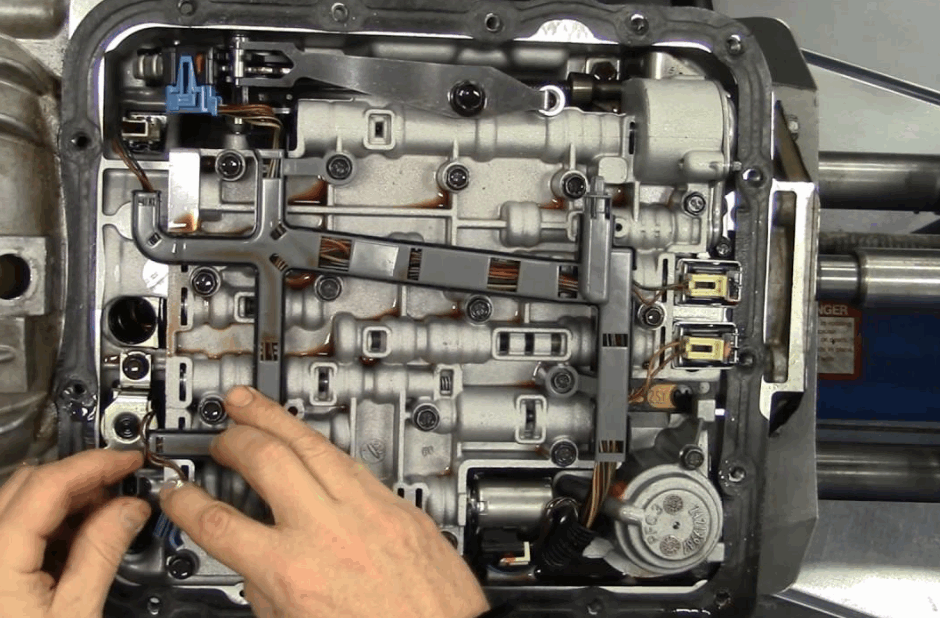
What Are the Most Common Dodge Ram Transmission Problems?
Dodge Ram transmission problems happen when the transmission cannot transfer engine power smoothly to the wheels. The most common issues include slipping gears, hard shifting, delayed engagement, overheating, fluid leaks, and electronic failures. These problems usually develop from component wear, poor maintenance, excessive heat, or system failures.
Transmission slipping is one of the most common problems in Dodge Ram trucks. It happens when the engine speed increases but the vehicle does not accelerate properly. This occurs because internal clutch packs cannot create enough friction to hold the correct gear. Low hydraulic pressure can also prevent proper gear engagement. A Dodge Ram used for towing often faces higher transmission stress because of increased weight and heat.
Hard shifting is another common transmission problem. Drivers may notice sudden or rough gear changes during acceleration. This issue can result from worn internal parts, incorrect fluid pressure, damaged solenoids, or transmission control module failures. The transmission depends on these components to control smooth gear changes.
Delayed engagement occurs when a Dodge Ram takes extra time to move after shifting into Drive or Reverse. This problem often points to low transmission fluid, worn seals, or hydraulic pressure loss. If ignored, delayed engagement can increase internal damage because the transmission struggles to apply gears correctly.
Transmission overheating is a serious concern for trucks used in towing or heavy workloads. High temperatures reduce fluid performance and increase wear on clutch packs, seals, and other components. Fluid leaks create additional risks because low fluid levels reduce lubrication and cooling.
Modern Dodge Ram transmissions also rely on electronic systems. Failed sensors, solenoids, or control modules can cause incorrect shifting, warning lights, or limp mode activation. Recognizing these common transmission problems early helps owners reduce repair costs and maintain long term vehicle reliability.
What Are the Warning Signs of Dodge Ram Transmission Problems?
Dodge Ram transmission problems often show clear warning signs before complete failure occurs. Recognizing these symptoms early helps owners avoid expensive repairs and prevent additional damage to internal components. The most common warning signs include slipping gears, rough shifting, delayed movement, unusual noises, fluid leaks, overheating, and dashboard warning lights.
A slipping transmission is one of the easiest problems to notice. The engine may increase RPM, but the truck does not gain speed as expected. This happens when the transmission cannot maintain proper power transfer. Worn clutch packs, low fluid pressure, or damaged internal components are common causes. For example, a Dodge Ram may slip when accelerating onto a highway or when carrying a heavy load.
Hard shifting is another important warning sign. A healthy transmission changes gears smoothly without strong impacts. When a Dodge Ram shifts aggressively, the problem may come from incorrect hydraulic pressure, worn parts, or faulty electronic controls. Drivers may feel a sudden kick when the transmission changes gears, especially during acceleration.
Delayed engagement is also a common symptom. The truck may hesitate for several seconds after shifting from Park to Drive or Reverse. This delay usually happens because the transmission cannot build enough pressure to engage the gear immediately. Low fluid levels, damaged seals, or internal wear can create this condition.
Strange noises can also indicate transmission problems. Grinding, whining, humming, or clunking sounds may point to worn bearings, damaged gears, or low fluid levels. These noises should not be ignored because they often appear before major mechanical failure.
Transmission fluid leaks and overheating are additional warning signs. A leaking transmission can lose lubrication, while excessive heat can damage fluid quality and internal parts. Dodge Ram owners who notice burning smells, visible fluid leaks, or warning lights should inspect the transmission as soon as possible.
Early diagnosis is important because transmission problems usually become more expensive when ignored. Identifying symptoms at an early stage allows owners to choose a repair solution before complete transmission failure occurs.
What Causes Dodge Ram Transmission Problems?
Dodge Ram transmission problems develop from several mechanical, hydraulic, electrical, and maintenance-related causes. The transmission system requires precise control of fluid pressure, temperature, and internal components to operate correctly. When one part fails, the transmission may lose its ability to shift smoothly or transfer power efficiently.
Low transmission fluid is one of the most common causes of transmission problems. Transmission fluid provides lubrication, cooling, and hydraulic pressure for gear operation. When the fluid level drops, internal components experience more friction and heat. This can damage clutch packs, seals, and gears over time. A leaking transmission pan, damaged seal, or broken transmission line can cause fluid loss. For example, a Dodge Ram with low fluid may begin to shift slowly before developing more serious transmission damage.
Overheating is another major cause of transmission failure. Dodge Ram trucks often experience higher transmission stress when used for towing, hauling, or driving in extreme conditions. Excessive heat breaks down transmission fluid and reduces its ability to protect internal components. Once the fluid loses its protective properties, friction increases and parts begin to wear faster. Heavy-duty models, especially diesel-powered Ram trucks, require proper cooling because they often operate under higher loads.
Mechanical wear also contributes to Dodge Ram transmission problems. Internal parts such as clutch packs, gears, bearings, and torque converters gradually wear because of mileage and operating conditions. As these components weaken, drivers may notice slipping, rough shifting, or unusual noises. Older Dodge Ram models are more likely to experience these issues because their transmissions have accumulated more operating cycles.
Electronic failures are another important cause of modern transmission problems. Many Dodge Ram transmissions use sensors, solenoids, and transmission control modules to manage shifting patterns. A faulty sensor can send incorrect information, while a damaged solenoid can prevent proper gear changes. These failures may cause warning lights, incorrect shifting, or limp mode activation.
Poor maintenance can accelerate all of these problems. Regular fluid inspections, proper servicing, and early repairs help reduce transmission wear. Understanding the main causes allows Dodge Ram owners to identify problems sooner and protect their transmission system from major failure.
Which Dodge Ram Transmission Models Have Common Problems?
Different Dodge Ram transmission models have different reliability patterns because each transmission uses unique designs, components, and operating conditions. A transmission that performs well in daily driving may experience more stress in towing or commercial applications. Understanding common issues by transmission type helps owners identify problems faster and choose the correct repair approach.
The 68RFE transmission is commonly found in diesel-powered Dodge Ram trucks, especially models equipped with the 6.7L Cummins engine. This transmission is designed for heavy-duty use, but it can experience problems under high load conditions. Common issues include valve body problems, pressure-related failures, overheating, and clutch wear. These problems often appear in trucks used for frequent towing because increased weight creates higher transmission stress. Regular fluid maintenance and proper cooling system performance are important for improving 68RFE reliability.
The 545RFE transmission was used in several Dodge Ram 1500 models with gasoline engines. Common problems include delayed shifting, solenoid failures, and inconsistent gear changes. These issues often develop because of worn internal components or problems with the transmission control system. A Dodge Ram with a failing 545RFE may show symptoms such as rough acceleration, hesitation, or unexpected shifting behavior.
The ZF 8HP transmission is used in newer Ram trucks and is known for smooth operation and advanced electronic control. However, it still requires proper maintenance to maintain performance. Common concerns include fluid deterioration, electronic control issues, and torque converter problems. Because the transmission depends heavily on electronic management, accurate diagnosis is important before replacing components.
Older transmissions such as the 46RE and 48RE can also experience age-related failures. Common issues include worn seals, hydraulic pressure loss, and internal component damage. These problems usually become more noticeable as mileage increases.
Transmission reliability depends on several factors, including maintenance history, driving habits, towing demands, and repair quality. Knowing the common problems associated with each Dodge Ram transmission model helps owners make better maintenance and repair decisions.
How Do You Diagnose Dodge Ram Transmission Problems?
Diagnosing Dodge Ram transmission problems requires identifying the actual cause before replacing any components. Transmission failures can come from mechanical damage, fluid problems, hydraulic issues, or electronic faults. A proper diagnosis helps determine whether the truck needs a simple repair, component replacement, or a complete transmission rebuild.
The first step in diagnosis is checking for transmission error codes. Modern Dodge Ram trucks use onboard diagnostic systems that monitor transmission performance. A professional technician can use an OBD II scanner to identify stored fault codes from the transmission control module. These codes provide information about problems with sensors, solenoids, pressure control, or shifting performance.
Transmission fluid inspection is another important diagnostic step. Healthy transmission fluid should have the correct color, consistency, and smell. Dark fluid, a burnt odor, or visible metal particles can indicate internal wear or overheating. Low fluid levels can also explain symptoms such as delayed engagement, slipping, or rough shifting because the transmission cannot maintain proper hydraulic pressure.
A road test helps identify how the transmission behaves under normal driving conditions. Technicians evaluate acceleration, gear changes, shifting timing, and unusual noises. For example, a Dodge Ram that shifts harshly during acceleration may have a different problem from one that loses power while towing.
Hydraulic pressure testing may also be required for serious transmission problems. This test measures whether the transmission can create enough pressure to operate internal components correctly. Low pressure may indicate problems with the pump, valve body, seals, or other internal parts.
Visual inspection is also necessary during diagnosis. Technicians check for fluid leaks, damaged wiring, worn connectors, and external damage. These inspections can reveal problems that electronic scans cannot detect.
Accurate diagnosis prevents unnecessary repairs. Replacing a complete transmission without identifying the actual failure can create higher costs and may not solve the original problem. A systematic diagnostic process allows Dodge Ram owners to choose the most effective repair solution.
How Much Does It Cost to Repair Dodge Ram Transmission Problems?
The cost to repair Dodge Ram transmission problems depends on the type of failure, transmission model, required parts, and labor complexity. Minor issues may require simple maintenance, while severe internal damage can require a complete rebuild or replacement. Understanding the repair options helps owners make better decisions before spending money on unnecessary work.
A transmission fluid service is usually one of the lowest-cost repairs. This service includes draining old fluid, replacing the filter when required, and adding the correct transmission fluid. It can improve shifting performance when problems are caused by contaminated or degraded fluid. However, fluid replacement cannot repair internal damage such as worn clutch packs or damaged gears.
Solenoid or valve body repairs are more expensive because these components control hydraulic pressure and gear changes. A faulty solenoid can cause hard shifting, delayed engagement, or incorrect gear selection. Replacing the affected component may restore normal operation without requiring a full transmission rebuild.
A transmission rebuild is required when internal components have significant wear or damage. During a rebuild, technicians inspect and replace damaged parts such as clutch packs, seals, bearings, and other internal components. This option is often considered when the transmission has severe slipping, repeated failures, or major mechanical damage.
Transmission replacement is the most expensive repair option. It may become necessary when the existing transmission has extensive internal damage or when rebuilding is not cost-effective. Replacement costs vary depending on whether the owner chooses a new, remanufactured, or used transmission.
Several factors influence the final repair cost. These include the Dodge Ram model, transmission type, vehicle mileage, labor rates, and the severity of the failure. For example, repairing a 68RFE transmission used in a heavy-duty diesel truck may require different parts and labor compared with repairing a lighter-duty transmission in a Ram 1500.
Early diagnosis can significantly reduce repair expenses. Addressing symptoms such as slipping, overheating, or delayed shifting before complete failure gives owners more repair options and helps protect long-term vehicle reliability.
How Can You Prevent Dodge Ram Transmission Problems?
Preventing Dodge Ram transmission problems requires regular maintenance, proper driving habits, and early attention to warning signs. A transmission failure often develops gradually because of heat, fluid breakdown, component wear, or neglected service. Following a consistent maintenance routine helps reduce stress on transmission components and extends overall vehicle reliability.
Regular transmission fluid maintenance is one of the most important prevention methods. Transmission fluid protects internal parts by reducing friction, controlling temperature, and maintaining hydraulic pressure. Over time, the fluid loses its ability to perform these functions because of heat and contamination. Checking fluid condition and following the recommended service schedule helps prevent premature wear of clutch packs, gears, and seals.
Proper towing practices also play an important role in transmission protection. Dodge Ram trucks are commonly used for hauling and towing, but excessive loads can increase transmission temperature and internal pressure. Using the correct towing equipment, avoiding unnecessary strain, and monitoring transmission temperatures can reduce overheating risks. Heavy-duty models require additional attention because they often operate under higher workloads.
Maintaining the transmission cooling system is another effective prevention strategy. The transmission cooler helps control operating temperature during demanding conditions. A damaged cooler, blocked line, or cooling system failure can allow heat to build up and accelerate transmission damage.
Addressing small problems early can prevent major failures. Symptoms such as delayed shifting, fluid leaks, unusual noises, or slipping gears should be inspected before they become more serious. A minor solenoid issue or fluid problem can become a complete transmission failure if ignored.
Driving habits also affect transmission lifespan. Aggressive acceleration, frequent heavy towing, and driving with an overloaded truck increase stress on transmission components. Smooth acceleration and proper vehicle use help reduce unnecessary wear.
A preventive maintenance approach allows Dodge Ram owners to avoid many common transmission problems. Regular inspections, correct servicing, and early repairs provide better protection than waiting until the transmission fails completely.
Conclusion: How Should You Handle Dodge Ram Transmission Problems?
Dodge Ram transmission problems usually develop from a combination of fluid issues, overheating, mechanical wear, and electronic failures. Understanding the symptoms, causes, and repair options allows owners to respond before minor issues become major transmission damage. Problems such as slipping gears, hard shifting, delayed engagement, and unusual noises often provide early signals that the transmission requires attention.
A proper diagnosis is the most important step when dealing with transmission problems. Identifying whether the issue comes from fluid condition, electrical components, hydraulic pressure, or internal damage helps avoid unnecessary repairs. Different Dodge Ram transmission models, including the 68RFE, 545RFE, and ZF 8HP, have unique characteristics that require specific inspection and maintenance approaches.
Regular maintenance remains the most effective way to protect the transmission system. Maintaining correct fluid levels, monitoring transmission temperature, following service intervals, and addressing warning signs early can extend transmission lifespan. This is especially important for Dodge Ram trucks used for towing, hauling, or heavy-duty applications.
Dodge Ram transmission failures can become expensive when ignored, but early action provides more repair options and reduces long-term costs. By understanding common transmission problems and maintaining the vehicle correctly, owners can improve reliability and keep their trucks performing efficiently for years.