Dodge Ram 1500 PCM problems can cause starting issues, engine stalling, rough running, poor fuel economy, transmission shifting problems, and intermittent electrical faults. However, these symptoms do not automatically mean the Powertrain Control Module (PCM) has failed. A weak battery, unstable charging voltage, damaged wiring, corroded connectors, poor grounds, or faulty sensors can produce similar symptoms and make a functioning PCM appear defective.
The PCM manages key powertrain functions by processing sensor data and controlling systems related to fuel delivery, ignition, emissions, and, depending on the vehicle configuration, transmission operation. When the module loses power, receives incorrect input signals, develops communication problems, or suffers an internal failure, the Ram 1500 may develop multiple drivability problems at the same time.
Correct diagnosis is therefore essential before resetting, repairing, reprogramming, or replacing the module. This guide explains the common Dodge Ram 1500 PCM problems, their symptoms and causes, relevant diagnostic trouble codes, and the steps used to distinguish an actual PCM failure from related electrical or component faults. It also explains when a PCM reset may help and when programming, repair, or replacement is the appropriate solution.
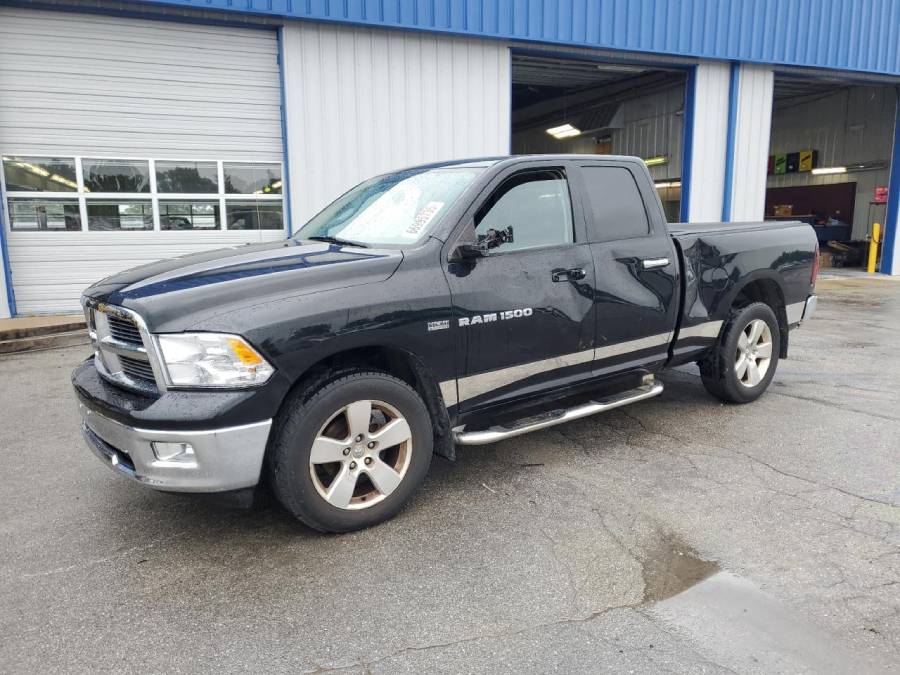
What Are the Most Common Dodge Ram 1500 PCM Problems?
The most common Dodge Ram 1500 PCM problems involve power or ground faults, damaged wiring and connectors, communication failures, software or calibration issues, and internal electronic failure. These problems can disrupt the PCM’s ability to receive sensor data and control engine or powertrain functions correctly. However, a PCM-related problem does not always mean the module itself is defective because faults elsewhere in the electrical system can interrupt normal PCM operation.
Power and ground problems are among the first faults to rule out. The PCM requires stable electrical power and reliable ground connections to operate correctly. A weak battery, charging-system fault, blown fuse, damaged power circuit, or poor ground can cause low or unstable voltage at the module. The resulting symptoms may resemble PCM failure even though replacing the module would not correct the underlying electrical problem.
Wiring and connector problems can also interrupt communication between the PCM and other components. Damaged wires, loose terminals, corrosion, moisture, or short circuits can prevent sensor signals from reaching the PCM or prevent PCM commands from reaching controlled components. For example, an open circuit between a sensor and the PCM can produce a sensor-related trouble code even when both the sensor and PCM are functional.
Software, calibration, and communication problems form another category of PCM faults. The module depends on programmed instructions to interpret inputs and control the powertrain. A software-related problem or loss of communication can therefore affect multiple systems rather than producing one isolated symptom. Internal electronic failure is more serious because the PCM itself may no longer process inputs or generate outputs correctly. Internal failure should be confirmed only after power, ground, wiring, connectors, and related components have been tested.
What Are the Symptoms of a Bad PCM in a Dodge Ram 1500?
A bad Dodge Ram 1500 PCM can cause a Check Engine Light, starting problems, engine stalling, rough running, misfires, loss of power, poor fuel economy, shifting problems, and intermittent electrical or communication faults. The exact symptoms depend on which PCM circuit or control function is affected. Multiple unrelated symptoms occurring together can increase suspicion of a PCM or shared electrical problem, but symptoms alone cannot confirm a defective module.
A Check Engine Light and stored diagnostic trouble codes are common warning signs because the PCM monitors powertrain inputs and detects faults that fall outside expected operating conditions. PCM-related trouble codes may indicate an internal control-module problem, communication failure, power-supply fault, or an abnormal signal from another component. A code involving a sensor or actuator should therefore lead to diagnosis of that circuit rather than immediate PCM replacement.
Starting and engine-performance problems can occur when the PCM cannot correctly manage essential powertrain functions. A Ram 1500 may crank without starting, become difficult to start, stall after starting, idle roughly, misfire, hesitate during acceleration, or lose power. These symptoms can develop when the PCM receives incorrect sensor information or fails to provide the expected control output. However, battery, fuel-delivery, ignition, wiring, and sensor faults can create similar conditions, so each related system must be tested before the PCM is condemned.
Fuel economy can also decline when engine management is disrupted. The PCM uses inputs from multiple sensors to determine operating conditions and control functions such as fuel delivery and ignition. Incorrect input data or faulty PCM control can therefore produce inefficient engine operation. Poor fuel economy by itself is weak evidence of PCM failure because mechanical problems, faulty sensors, driving conditions, and maintenance issues can produce the same result.
Transmission behavior may also change when a PCM-related fault affects powertrain communication or transmission control functions applicable to the vehicle configuration. Symptoms can include delayed, harsh, inconsistent, or otherwise abnormal shifting. The presence of a shifting problem does not prove that the PCM is defective because transmission components, sensors, wiring, connectors, fluid-related problems, or a separate control module may be responsible depending on the Ram 1500 model year and powertrain.
Intermittent faults are particularly important during PCM diagnosis. A truck may operate normally at one moment and then stall, illuminate warning lights, lose communication with a module, or develop drivability problems later. Heat, vibration, loose electrical connections, damaged wiring, corrosion, or an internal electronic fault can produce this pattern. Recording when the symptoms occur and scanning for stored or pending trouble codes provides more useful diagnostic evidence than replacing the PCM based on intermittent behavior alone.
What Causes PCM Problems in a Dodge Ram 1500?
The main causes of Dodge Ram 1500 PCM problems are unstable electrical power, charging-system faults, damaged wiring, poor grounds, corroded or loose connectors, moisture intrusion, and internal electronic damage. These causes fall into two categories: faults that interfere with a functioning PCM and faults that physically or electronically damage the module. Separating the two categories is important because replacing a PCM will not correct an external electrical problem.
Battery and charging-system problems should be investigated first when PCM symptoms appear. The PCM depends on a stable voltage supply to process sensor inputs, communicate with other modules, and control powertrain components. A weak battery, poor battery connection, alternator problem, or unstable system voltage can interrupt these functions. Low voltage may cause communication faults, starting problems, warning lights, or multiple trouble codes, while abnormal electrical conditions can also place additional stress on electronic modules.
Damaged wiring and poor ground connections can create similar symptoms without an internal PCM failure. The PCM communicates with sensors, actuators, and other control modules through electrical circuits, so an open wire, short circuit, excessive resistance, or weak ground can change or completely interrupt a signal. For example, a damaged sensor circuit can make the PCM receive an implausible reading and store a trouble code even though the control module itself is operating correctly.
PCM connectors are another potential failure point. Loose terminals, damaged pins, contamination, and corrosion can increase electrical resistance or interrupt a circuit completely. Moisture around a connector can accelerate corrosion and create intermittent faults that appear only under certain temperature, vibration, or humidity conditions. A visual inspection can identify obvious damage, but electrical testing is necessary when a connector looks normal and the circuit still fails.
Heat, moisture, short circuits, and other electrical faults can contribute to internal PCM damage. An internally damaged module may stop processing specific inputs, fail to command an output, lose communication, or stop operating entirely. Internal PCM failure becomes a stronger diagnosis when the module has the correct power and ground, its external circuits test correctly, related components have been ruled out, and the expected PCM function remains absent.
The cause should therefore be identified before any PCM is replaced. A new or remanufactured module connected to an unresolved power, ground, wiring, or short-circuit problem may produce the same symptoms and leave the original fault unfixed. Diagnosis should move from the vehicle’s electrical supply and external circuits toward the PCM rather than treating the module as the first component to replace.
What Trouble Codes Can Indicate a Dodge Ram 1500 PCM Problem?
PCM-related diagnostic trouble codes can indicate an internal control-module fault, processor problem, power-supply issue, communication failure, or a fault in a circuit monitored by the PCM. However, no trouble code should be treated as automatic proof that a Dodge Ram 1500 PCM needs replacement. The code identifies the system or condition detected by the vehicle’s diagnostics; further testing determines the actual failed component.
OBD-II codes beginning with P relate to powertrain systems, but most P-codes do not indicate a failed PCM. Codes can instead identify abnormal conditions involving ignition, fuel delivery, emissions, sensors, actuators, or transmission-related systems. A sensor code, for example, may result from a failed sensor, damaged connector, open or shorted wire, power or ground fault, or an abnormal signal reaching the PCM. Replacing the PCM solely because it stored the code skips the circuit diagnosis needed to identify the source.
Control-module and processor-related codes deserve closer attention because they can point more directly toward PCM operation. Codes in the P0600-series can involve control-module functions, memory, processor operation, outputs, or communication depending on the specific code and vehicle application. Even these codes require verification of battery condition, charging voltage, PCM power supplies, grounds, wiring, and connectors because an external electrical fault can interfere with module operation and trigger control-module-related codes.
Network communication codes can provide another diagnostic clue. Modern vehicle modules exchange information over communication networks, and a communication-related fault can appear when a module goes offline or messages are interrupted. The cause may be the PCM itself, but it may also be a network wiring problem, power or ground loss, connector fault, or another module affecting communication. The diagnostic process must determine whether the PCM is failing to communicate or simply cannot communicate because one of its supporting circuits has failed.
Multiple unrelated trouble codes appearing at the same time can justify investigating shared electrical or module-related causes. For example, codes affecting several components should prompt inspection of common power supplies, grounds, wiring paths, connectors, and communication circuits before several individual parts are replaced. This pattern is especially useful when the affected components share a circuit or depend on the same control module.
The exact interpretation of a Dodge Ram 1500 trouble code must also account for model year, engine, transmission, and control-system configuration. Dodge Ram and later Ram 1500 trucks span multiple generations with different powertrains and electronic architectures. The correct service information and wiring diagram for the specific vehicle should therefore be used to interpret the code and determine the required tests rather than applying one diagnostic procedure to every Ram 1500.
How Do You Diagnose a Bad PCM in a Dodge Ram 1500?
Diagnosing a bad PCM in a Dodge Ram 1500 requires checking diagnostic trouble codes, battery and charging voltage, fuses and relays, PCM power and ground circuits, wiring and connectors, and related sensors or components before condemning the module. PCM replacement should come near the end of the diagnostic process because several electrical and powertrain faults can produce the same symptoms as an internally failed PCM.
Start by scanning the vehicle for stored, pending, and communication-related diagnostic trouble codes. Record the codes before clearing them because the combination of faults can reveal whether the problem affects one component or several systems. A single sensor-related code generally directs diagnosis toward that sensor and its circuit, while multiple unrelated codes can justify checking shared power supplies, grounds, communication circuits, and control-module operation.
Check the battery and charging system next. The PCM requires stable electrical power, so low battery voltage, poor battery-terminal connections, or a charging-system fault can disrupt module communication and produce misleading symptoms. Battery and charging-system problems should be corrected before continuing PCM diagnosis because testing a control module under an unstable power supply can lead to an incorrect conclusion.
Inspect the PCM’s fuses, relays, power feeds, and ground circuits after confirming the electrical supply. A blown fuse or failed power circuit can make a functional PCM appear completely dead. Grounds require equal attention because excessive resistance at a ground connection can interfere with module operation even when battery voltage is available. Testing should confirm that the PCM receives the power and ground specified for the particular model year and powertrain configuration.
Inspect wiring and electrical connectors for physical damage, loose terminals, bent or damaged pins, moisture, and corrosion. Pay particular attention to circuits associated with the stored DTCs. A continuity or circuit problem between a sensor and the PCM can prevent the expected signal from reaching the module, while a fault on an output circuit can prevent a PCM command from reaching an actuator. In either case, replacing the PCM without repairing the circuit leaves the original problem unchanged.
Related sensors, actuators, and circuits should then be tested according to the symptoms and trouble codes. A no-start condition, for example, should not be attributed to the PCM until relevant battery, starting, ignition, fuel, sensor, and electrical faults have been investigated. The same principle applies to rough running and shifting problems. Diagnosis becomes more reliable as competing causes are eliminated with test results rather than assumptions.
A PCM becomes a strong failure candidate when it has the required power and grounds, its wiring and connectors are functional, relevant external components have passed their tests, and the module still fails to communicate, process an input, or provide an expected output. The exact confirmation procedure depends on the Ram 1500 model year, engine, transmission, and electronic architecture, so vehicle-specific service information and wiring diagrams should be used for final testing.
How Do You Fix Dodge Ram 1500 PCM Problems?
Dodge Ram 1500 PCM problems are fixed by correcting the underlying electrical or component fault, resetting or reprogramming the PCM when appropriate, repairing the module when possible, or replacing it when internal failure has been confirmed. The correct solution depends on the diagnostic result rather than the symptom alone.
Repair external electrical faults first when testing identifies them. This can include correcting battery or charging-system problems, replacing a failed fuse or relay, repairing damaged wiring, restoring a poor ground, or cleaning and repairing corroded connectors. These repairs can restore normal PCM operation without replacing the control module because the original PCM was unable to function correctly only because one of its supporting circuits had failed.
A PCM reset has a narrower purpose and should not be treated as a repair for damaged electronics. Resetting can clear certain learned or adaptive information depending on the vehicle and procedure, after which the control system may need to relearn operating values. A reset cannot repair a damaged processor, failed internal circuit, corroded connector, broken wire, or unstable power supply. If the underlying fault remains, the symptoms or trouble codes are likely to return.
PCM reprogramming addresses software or calibration requirements rather than physical electrical damage. Reprogramming may be appropriate when the diagnostic or service procedure specifies an updated or correct calibration for the vehicle. The procedure must match the specific module and vehicle configuration because the PCM interacts with other electronic systems rather than operating as an isolated universal component.
Module repair can be considered when diagnosis confirms an internal PCM fault that a qualified repair service can correct. Whether repair is practical depends on the type and location of the internal failure. The repaired module must still function correctly with the vehicle’s electrical system, so any external condition that contributed to the original failure should be corrected before the module is returned to service.
PCM replacement is appropriate when internal failure has been confirmed and reset, external circuit repair, or an applicable software solution cannot correct the problem. Replacement should not consist only of physically installing another module. Depending on the specific Ram 1500, the replacement PCM may require programming, configuration, or relearn procedures so that it operates correctly with the vehicle.
The safest diagnostic sequence is therefore test first and replace last. Verify the electrical supply, grounds, wiring, connectors, communication circuits, and related components before purchasing a PCM. This sequence reduces unnecessary parts replacement and identifies external faults that could continue affecting a repaired or replacement module.
What Is the Difference Between Resetting, Reprogramming, Repairing, and Replacing a PCM?
Resetting, reprogramming, repairing, and replacing a Dodge Ram 1500 PCM solve different types of problems and should not be treated as interchangeable procedures. Resetting affects learned or stored information, reprogramming changes the module’s software or calibration, repairing addresses internal hardware faults, and replacing installs another PCM when the existing module cannot remain in service.
Resetting a PCM is the least invasive option. Depending on the vehicle and procedure, a reset can clear certain learned values or adaptive information and require the control system to relearn operating conditions afterward. This procedure may be useful when a legitimate diagnostic or service process calls for resetting learned information, but it does not physically repair the PCM. An internal circuit failure, damaged processor, corroded connector, or broken wiring remains defective after a reset.
Reprogramming changes the software or calibration stored in the module. It is appropriate when the PCM requires an applicable calibration update or when a replacement module must be configured for the vehicle. Reprogramming differs from resetting because it changes or installs programmed information rather than simply clearing learned values. It also cannot correct physical damage inside the PCM or an external wiring problem.
PCM repair targets an identified internal hardware problem while retaining the existing module when repair is technically practical. A specialist may evaluate the module and determine whether the failed internal component or circuit can be restored. Repair suitability depends on the actual failure, so a PCM should not be sent for repair until external power, ground, wiring, and connector problems have been ruled out.
Replacement is appropriate when testing confirms that the PCM has an internal failure that cannot reasonably be corrected through an applicable reset, reprogramming, or repair. A replacement PCM must be compatible with the specific Ram 1500 configuration. Installing the module is only part of the process because programming or relearn procedures may also be required before the truck operates correctly.
The correct sequence is therefore determined by diagnosis: reset when the specified procedure requires learned information to be cleared, reprogram when software or calibration must be changed, repair when a confirmed internal fault is repairable, and replace when the existing PCM can no longer perform its required functions. Using the wrong procedure can add cost without addressing the original fault.
Does a Replacement Dodge Ram 1500 PCM Need to Be Programmed?
A replacement Dodge Ram 1500 PCM may require programming, configuration, or relearn procedures before it can operate correctly with the vehicle. The exact requirements depend on the model year, powertrain, module type, and vehicle configuration, so one programming procedure should not be assumed to apply to every Dodge Ram or Ram 1500.
The PCM contains information used to operate the vehicle’s powertrain and communicate with other electronic systems. A replacement module therefore needs to be compatible with the truck rather than simply sharing the same general physical appearance. Vehicle-specific configuration can affect how the module communicates with other systems and controls the engine or transmission-related functions assigned to it.
Programming and relearning are also different processes. Programming writes or updates the information required by the module, while a relearn procedure allows a system to establish or synchronize specific operating values after installation or service. Depending on the vehicle, more than one procedure may be required. Completing one does not automatically mean that every required setup operation has been performed.
A used, remanufactured, or new replacement PCM should therefore be selected according to the requirements of the specific truck. The vehicle identification information, model year, engine, transmission, part compatibility, and applicable service procedure should be checked before installation. Buying a PCM solely because it is advertised for a “Dodge Ram 1500” can result in a module that does not match the vehicle’s electronic configuration.
Replacement should also occur only after the cause of the original failure has been investigated. Installing another PCM without correcting a damaged power circuit, poor ground, short circuit, moisture problem, or charging-system fault can leave the truck with the same problem and may expose the replacement module to the condition that affected the original PCM. Diagnose and repair external electrical faults first, then complete the required programming or relearn procedure for the replacement module.
How Much Does It Cost to Fix a Dodge Ram 1500 PCM Problem?
The cost to fix a Dodge Ram 1500 PCM problem depends on whether the actual fault requires electrical diagnosis, wiring or connector repair, PCM reprogramming, module repair, or complete PCM replacement. There is no single accurate repair price for every Ram 1500 because model year, powertrain configuration, labor rates, module availability, and programming requirements change the final cost.
Diagnostic cost comes first when the cause has not been confirmed. A professional diagnosis may involve scanning trouble codes, checking battery and charging-system performance, verifying PCM power and grounds, inspecting wiring and connectors, and testing circuits associated with the stored codes. Paying for proper diagnosis can cost less than replacing a functional PCM based only on symptoms or trouble codes.
Electrical repairs can be less extensive than module replacement when the PCM itself is functional. A technician may find a damaged wire, poor ground, corroded connector, blown fuse, power-supply problem, or charging-system fault. The final cost then depends on the location of the problem, the parts required, and the labor needed to access and repair the affected circuit.
Reprogramming and module repair create separate cost categories. Reprogramming requires the appropriate equipment, software, and vehicle-specific procedure, while PCM repair requires evaluation of the existing module and correction of a repairable internal fault. Neither service should be selected solely because it costs less than replacement; the diagnostic result determines which procedure addresses the failure.
PCM replacement generally combines the cost of the replacement module with labor and any required programming, configuration, or relearn procedures. New, remanufactured, and other compatible replacement options can also differ in price. Before comparing replacement costs, confirm that each quote covers the same services because a low module price may not include diagnosis, installation, programming, or post-installation procedures.
For an accurate estimate, identify the truck’s model year, engine, transmission or powertrain configuration, PCM part requirements, and required programming procedure before pricing the repair. This is more reliable than applying one generic Dodge Ram 1500 PCM replacement price across multiple generations.
Can You Drive a Dodge Ram 1500 With a Bad PCM?
You should not continue driving a Dodge Ram 1500 with a suspected bad PCM when the truck stalls, loses power, shifts unpredictably, develops severe drivability problems, or cannot operate consistently. A minor warning light or intermittent fault does not establish the same level of immediate risk, but the underlying problem should still be diagnosed before normal driving continues.
Stalling creates a significant concern because engine operation can stop unexpectedly. A truck that stalls repeatedly or loses power while moving should not be treated as reliable transportation until the cause is identified. The fault may ultimately be related to the PCM, wiring, electrical power, a sensor, or another component, but the immediate drivability problem remains regardless of which part caused it.
Severe engine-performance problems also justify limiting vehicle use. Rough running, repeated misfires, major hesitation, or substantial loss of power can make acceleration and vehicle response unpredictable. Continuing to drive also does not help determine whether the PCM is responsible because these symptoms overlap with ignition, fuel, sensor, wiring, and mechanical faults.
Abnormal transmission behavior requires the same caution. Harsh, delayed, inconsistent, or unpredictable shifting can indicate a control problem or a fault elsewhere in the transmission system. The specific cause varies by vehicle configuration, so the presence of a shifting symptom should trigger diagnosis rather than an assumption that the PCM needs replacement.
A no-start condition makes the driving question irrelevant because the truck cannot operate normally in the first place. Diagnosis should determine whether the failure originates from the PCM or another part of the starting, electrical, fuel, ignition, or control system. Repeatedly resetting the PCM or replacing unrelated parts does not substitute for identifying the failed circuit or component.
The practical decision should be based on symptom severity rather than on the PCM label alone. Stop normal vehicle use when the Ram 1500 stalls, loses substantial power, shifts unpredictably, or exhibits another condition that prevents reliable control. When the only symptom is a warning light and the truck otherwise operates normally, retrieve the trouble codes and diagnose the fault promptly instead of waiting for additional symptoms to develop.
How Can You Prevent Dodge Ram 1500 PCM Problems?
You can reduce the risk of Dodge Ram 1500 PCM problems by maintaining a stable electrical system, repairing wiring and ground faults promptly, protecting electrical connectors from moisture and corrosion, and diagnosing recurring warning signs before they develop into larger faults. Not every internal PCM failure is preventable, but maintaining the circuits that supply and communicate with the module removes several external conditions that can interfere with PCM operation.
Maintain the battery and charging system because the PCM depends on a stable electrical supply. A deteriorated battery, loose battery connection, charging-system problem, or abnormal system voltage can affect electronic control systems. Battery and charging problems should therefore be corrected when detected instead of allowing the vehicle to operate repeatedly with unstable electrical conditions.
Inspect and repair damaged wiring, grounds, and connectors when electrical problems appear. Frayed wiring, loose terminals, excessive resistance, poor grounds, and corroded connections can interrupt the PCM’s inputs, outputs, power supply, or communication circuits. For example, an intermittent connection may repeatedly trigger warning lights or drivability symptoms even though the PCM itself remains functional. Correcting the circuit prevents the same fault from continuing to imitate a control-module problem.
Moisture and corrosion around electrical connections also require attention. Water intrusion can contaminate connectors and increase corrosion at terminals, producing resistance or intermittent circuit failures. Any source of moisture affecting PCM-related wiring or connectors should be corrected rather than simply cleaning the visible corrosion and leaving the source of water intrusion unresolved.
Avoid unnecessary modifications to PCM-related electrical circuits unless the installation follows the correct electrical requirements for the vehicle. Improper wiring changes, poor connections, or electrical faults introduced during accessory installation can complicate diagnosis and affect circuits shared with vehicle electronics. Maintaining the original integrity of power, ground, and communication circuits makes both PCM operation and future troubleshooting more predictable.
Recurring symptoms should be diagnosed rather than repeatedly cleared. Erasing a trouble code or resetting the PCM removes diagnostic information without necessarily removing the cause. If the same Check Engine Light, communication fault, starting problem, stalling condition, or drivability symptom returns, retrieve the codes and investigate the affected circuit. Early diagnosis can identify an external electrical problem before unnecessary PCM replacement becomes part of the repair process.
What Should You Do If You Suspect Your Dodge Ram 1500 PCM Is Bad?
If you suspect your Dodge Ram 1500 PCM is bad, retrieve the diagnostic trouble codes first, verify the battery and charging system, check PCM power and grounds, inspect wiring and connectors, test related components, and confirm module failure before replacing the PCM. This sequence separates an actual internal PCM failure from electrical and component faults that produce similar symptoms.
Start with the symptoms and stored diagnostic information rather than the assumption that the PCM has failed. Record when the problem occurs, such as during starting, idling, acceleration, shifting, or after the vehicle becomes warm. Scan for stored, pending, and communication-related codes and keep the original code information available during diagnosis instead of immediately clearing it.
Verify the PCM’s operating conditions next. Confirm that the battery and charging system function correctly, then check the appropriate fuses, power feeds, grounds, wiring, and connectors. A PCM that lacks its required power or ground cannot operate normally, but replacing that PCM will not restore the missing electrical supply. The external circuit fault must be corrected first.
Test components associated with the symptoms and DTCs before condemning the control module. A sensor code should lead to testing of the sensor and its circuit. A no-start problem requires investigation of the relevant starting, ignition, fuel, sensor, and electrical systems. A communication fault requires examination of module power, grounds, connectors, and network circuits. This elimination process reduces the chance of diagnosing a functional PCM as defective.
Move toward PCM repair or replacement only when the diagnostic evidence supports an internal module failure. The strongest PCM diagnosis occurs when the required power and grounds are present, external wiring and connectors are functional, relevant components have been ruled out, and the PCM still fails to communicate or perform an expected control function. Vehicle-specific service information remains necessary because testing procedures and electronic configurations vary across Dodge Ram and Ram 1500 model years.
Once the fault has been identified, match the solution to the diagnosis. Correct external wiring or electrical problems when they are responsible, reset learned information only when the applicable procedure requires it, reprogram the PCM when software or calibration is the issue, repair a confirmed internal fault when practical, or replace the module when it can no longer perform its required functions. A replacement PCM should then receive any programming, configuration, or relearn procedures required for the specific truck.
The complete diagnostic path is symptoms → trouble codes → battery and charging system → PCM power and grounds → wiring and connectors → related components → PCM confirmation → reset, reprogramming, repair, or replacement. Following this order addresses the underlying fault instead of treating PCM replacement as the starting point of diagnosis.