The fuel filter on a Dodge Ram 1500 may be located inside the fuel tank as part of the fuel pump module or along the fuel line, depending on the model year and fuel-system design. On many newer Ram 1500 models, you will not find a conventional replaceable fuel filter mounted underneath the truck because the filtration component is integrated with the in-tank fuel pump assembly. Older models may use a different configuration, so the model year should be identified before locating or servicing the filter.
This difference matters when diagnosing fuel-delivery problems or planning a fuel filter replacement. An external filter can typically be located by following the fuel line between the tank and engine, while an integrated filter requires access to the fuel pump module inside the tank. The filter and fuel pump also perform different functions even when they are housed within the same assembly.
This guide explains the Dodge Ram 1500 fuel filter location, how the location varies by model year and fuel-system configuration, whether the filter can be replaced separately, and how to distinguish potential fuel filter problems from fuel pump problems.
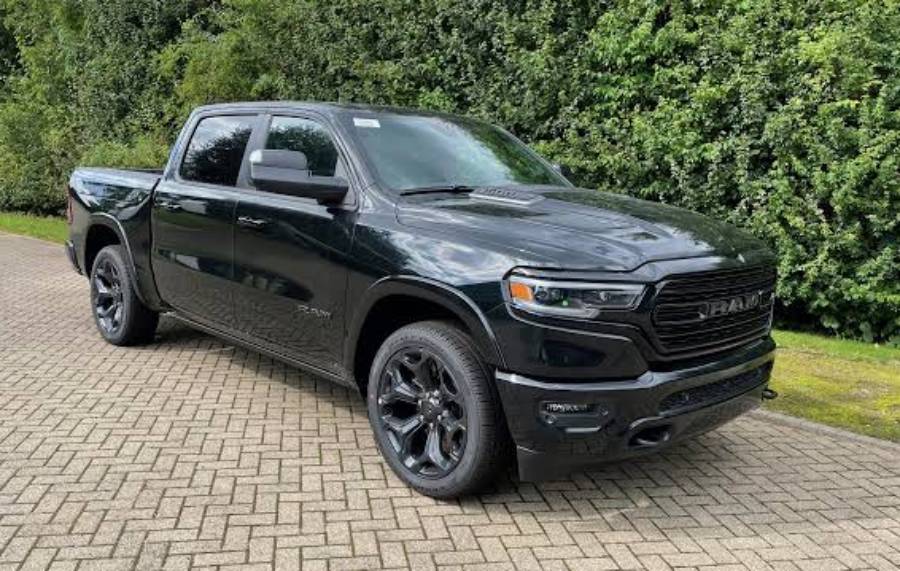
Where Is the Fuel Filter Located on a Dodge Ram 1500?
The fuel filter on many Dodge Ram 1500 models is located inside the fuel tank as part of the fuel pump module rather than mounted as a separate filter along the fuel line. This design places the filtration component near the fuel pump, where fuel is filtered before being delivered through the fuel lines toward the engine. However, the exact arrangement depends on the model year and fuel-system configuration, so owners should verify their specific truck before attempting service.
On Ram 1500 models that use an in-tank filter, looking underneath the truck for a conventional cylindrical fuel filter may not reveal a serviceable component. The filtration system is associated with the fuel pump assembly inside the tank. Access therefore involves the fuel tank and pump module rather than simply disconnecting an external filter from two sections of fuel line. This distinction is important because an in-tank filter may not have the same replacement procedure as a traditional inline fuel filter.
Older Dodge Ram 1500 configurations may use a different fuel-system layout. An external or inline filter, when fitted, is positioned in the fuel delivery path between the fuel tank and engine. Following the fuel line from the tank toward the front of the truck can help identify this type of filter, but the presence and exact mounting position should be confirmed for the specific model year before removing any fuel-system component.
The model year is therefore the first detail to check when determining the Dodge Ram 1500 fuel filter location. Two Ram 1500 trucks can have different filter arrangements even though they share the same model name. Identifying the year, engine, and fuel-system design prevents owners from searching for an external filter that their truck does not have or unnecessarily removing the fuel tank when the filter is accessible elsewhere.
Is the Fuel Filter Inside the Fuel Tank on a Dodge Ram 1500?
On many Dodge Ram 1500 models, the fuel filter is inside the fuel tank and integrated into or associated with the fuel pump module. Instead of using a separate inline filter that can be seen along the frame or fuel line, these fuel systems combine fuel pickup, pumping, and filtration functions within the in-tank assembly. The exact design depends on the model year and fuel-system configuration.
The in-tank location allows fuel to pass through the filtration component before the fuel pump sends it toward the engine. The pump then supplies fuel through the fuel lines to the fuel rail and injectors at the required pressure. Keeping the filter close to the pump also explains why searching along the underside of a Ram 1500 may not reveal the conventional metal or plastic inline filter found on some older fuel systems.
The fuel filter and fuel pump are separate functional components even when they are housed within the same module. The filter removes contaminants from the fuel supply, while the pump creates the pressure and flow required to deliver fuel to the engine. A problem with either component can restrict fuel delivery, but an integrated design does not necessarily allow the filter to be removed and replaced independently.
Access is another major difference between an external and an in-tank fuel filter. A conventional inline filter can be reached from outside the tank after the fuel system has been safely depressurized. An in-tank filtration component requires access to the fuel pump module, making the procedure more involved. Owners should therefore identify the exact fuel-system configuration before purchasing a standalone fuel filter or beginning disassembly.
Does the Dodge Ram 1500 Fuel Filter Location Change by Model Year?
Yes, the Dodge Ram 1500 fuel filter location and service configuration can change by model year and fuel-system design. Older trucks may use a fuel filtration arrangement that differs from the in-tank fuel pump module found on many later models. For this reason, the truck’s model year should be confirmed before searching for the filter, buying replacement parts, or removing fuel-system components.
Older Dodge Ram 1500 models are more likely to have fuel-system designs in which the filtration component is easier to identify separately from the pump assembly. Depending on the specific configuration, an external filter may be positioned in the fuel delivery path between the tank and engine. A visible fuel line underneath the truck does not automatically mean that a replaceable inline filter is installed, however. The exact arrangement still needs to be matched to the model year and engine.
Many newer Ram 1500 models use an in-tank fuel pump module that incorporates the filtration function into the assembly. With this configuration, owners may follow the fuel lines underneath the truck without finding a conventional standalone filter. The relevant filtration component is located at the fuel tank with the pump module rather than installed as an easily accessible maintenance item along the frame.
Model year is also important because the Ram 1500 has undergone multiple generations and fuel-system changes. Two trucks carrying the Ram 1500 name can therefore require different procedures for locating and servicing the filtration system. Engine and fuel-system configuration provide additional identifiers when a model year includes more than one powertrain option.
The most reliable identification process is to match the model year, engine, and fuel-system configuration before determining the filter location. This prevents three common mistakes: searching for an external filter that is not installed, purchasing a standalone filter for an integrated system, and removing the fuel tank before confirming that access to the pump module is required.
How Can You Find the Fuel Filter on Your Specific Ram 1500?
To find the fuel filter on your specific Ram 1500, identify the model year and engine first, then determine whether the truck uses an external filter or an in-tank filtration system. Checking these details before inspecting the truck prevents you from looking for a standalone fuel filter that may not exist on your particular configuration.
Start with the model year because the Ram 1500 has used different fuel-system designs across its production history. Confirm the engine and fuel type next, especially when the same model year was offered with multiple powertrain configurations. The VIN, vehicle information label, owner’s documentation, and model-specific service information can help confirm the exact configuration.
Next, determine whether the truck uses an external or in-tank filter. For a system equipped with an external filter, trace the fuel delivery path from the fuel tank toward the engine and inspect the fuel line for a separately mounted filtration component. Do not disconnect a fuel line simply because a component resembles a filter; confirm its identity and follow the correct fuel-pressure relief procedure before servicing a pressurized fuel system.
For an in-tank system, focus on the fuel pump module rather than searching underneath the truck for a conventional inline filter. The filtration component may be integrated into or associated with the module inside the fuel tank. In this configuration, locating the fuel filter does not mean it can be removed as a separate maintenance part.
Confirm the part and service procedure for the exact model year and engine before disassembly. This final verification establishes whether the filter is separately serviceable, part of the fuel pump module, or requires a different service procedure. Identifying the system first also reduces the risk of purchasing an incompatible fuel filter or removing the fuel tank unnecessarily.
Can You Replace the Fuel Filter Separately on a Dodge Ram 1500?
Whether you can replace the fuel filter separately on a Dodge Ram 1500 depends on the model year and fuel-system configuration. A truck equipped with a standalone external fuel filter allows the filter to be serviced as an individual component. On many models with an in-tank filtration system, however, the filter is integrated into or associated with the fuel pump module and may not be designed as a separate routine replacement item.
A separately serviceable filter is installed in the fuel delivery path and can be removed without replacing the complete fuel pump assembly. Service typically involves relieving fuel-system pressure, accessing the filter, disconnecting the fuel lines, and installing the correct replacement component. The exact procedure and filter specification must match the truck’s model year and engine because fuel-system layouts are not identical across all Ram 1500 models.
An integrated fuel filter changes the replacement process because the filtration component is located with the fuel pump module inside the tank. An integrated filter should not automatically be treated as a standalone replaceable part. Accessing it may require servicing the in-tank module, and the appropriate repair depends on how the filtration component is incorporated into the assembly.
Replacing the complete fuel pump solely because the truck has symptoms associated with a restricted filter is also not a reliable diagnostic approach. Hard starting, hesitation, loss of power, and stalling can result from several fuel-delivery or engine-management problems. Fuel pressure and fuel delivery should be tested before replacing an expensive pump assembly when the cause has not been confirmed.
Check the service information and replacement parts listed for the exact model year, engine, and fuel-system configuration before ordering a fuel filter or fuel pump module. This establishes whether the filter can be replaced independently and prevents a standalone filter from being purchased for a system that uses integrated filtration.
What Are the Signs of a Clogged Fuel Filter on a Dodge Ram 1500?
Common signs associated with a clogged fuel filter on a Dodge Ram 1500 include hard starting, engine hesitation, loss of power, poor acceleration, stalling, and inadequate fuel delivery under load. These symptoms develop when a restriction in the fuel system reduces the amount of fuel reaching the engine. However, the symptoms alone do not confirm that the fuel filter is clogged because a weak fuel pump, injector problem, electrical fault, or another fuel-delivery issue can produce similar behavior.
Hard starting can occur when the fuel system cannot establish the pressure and flow required for reliable combustion during startup. The engine may crank normally but take longer to start, particularly when the restriction becomes severe. A fuel-pressure test can help determine whether the problem involves insufficient fuel delivery rather than the starter, battery, or another unrelated system.
Engine hesitation and poor acceleration become more noticeable when fuel demand increases. A Ram 1500 may idle without an obvious problem but hesitate or lose power when accelerating, climbing a hill, towing, or operating under a heavier engine load. The engine requires a greater volume of fuel in these conditions, so a restriction that is less noticeable at idle can become more apparent as demand rises.
Stalling can occur when fuel delivery drops below the level required to keep the engine running. A severe restriction may also contribute to inconsistent engine operation if adequate fuel pressure cannot be maintained. These conditions should be diagnosed rather than used as automatic justification for replacing the filter, especially on a Ram 1500 with an integrated in-tank filtration system.
The correct next step is to evaluate the fuel-delivery system and confirm whether fuel pressure or flow is below specification. This distinction matters because replacing a fuel filter will not correct a failing fuel pump, electrical supply problem, restricted fuel line, or malfunctioning injector. Confirming the source of the fuel-delivery problem prevents unnecessary parts replacement and determines whether the filter, pump, or another component requires service.
How Can You Tell Whether the Fuel Filter or Fuel Pump Is the Problem?
You can distinguish a fuel filter problem from a fuel pump problem by testing fuel pressure and fuel delivery rather than relying on symptoms alone. A restricted fuel filter reduces fuel flow through the system, while a failing fuel pump may be unable to generate or maintain the pressure and volume required by the engine. Both faults can cause hard starting, hesitation, poor acceleration, loss of power, and stalling, so symptoms provide a reason to test the system rather than a final diagnosis.
Fuel pressure is one of the primary measurements used to evaluate the system. Pressure that falls outside the specification for the specific Ram 1500 indicates a fuel-delivery problem, but the reading must be interpreted together with other tests. Low pressure can result from a weak pump, restricted filtration, a fuel supply problem, or another fault in the system. The correct pressure specification also varies by model year and engine, so a universal pressure value should not be applied to every Ram 1500.
Fuel delivery under engine load provides additional diagnostic information. A restriction may become more apparent during acceleration or other high-demand conditions because the engine requires more fuel than it does at idle. A truck that starts and idles normally but loses power under load therefore requires testing of the complete fuel-delivery system rather than immediate replacement of the filter.
Fuel pump operation should also be checked when pressure or delivery is inadequate. The diagnostic process can include verifying electrical power and ground to the pump, checking pump operation, measuring fuel pressure, and inspecting the applicable filtration system. This separates a pump that cannot deliver sufficient fuel from other conditions that restrict fuel before it reaches the engine.
On Ram 1500 models where the filtration component is integrated with the in-tank fuel pump module, distinguishing between the filter and pump becomes especially important before replacing the assembly. Replacing the complete module without confirming the fault can add unnecessary repair cost. Testing the fuel system first establishes whether the problem is consistent with restricted filtration, inadequate pump output, or another fuel-delivery fault.
When Should You Replace the Fuel Filter on a Ram 1500?
You should replace the fuel filter on a Ram 1500 according to the service requirements for the specific model year and fuel-system configuration, or when diagnosis confirms that a serviceable filter is restricted. There is no single replacement interval that should be applied to every Ram 1500 because the filtration design and serviceability differ across model years.
A Ram 1500 equipped with a separately serviceable fuel filter may have a defined inspection or replacement procedure. In this configuration, the correct maintenance decision should be based on the applicable service information rather than an arbitrary mileage interval. The replacement filter must also match the engine and fuel-system specifications because using an incorrect component can affect fuel flow, fitment, or connection to the fuel lines.
Many Ram 1500 models use filtration associated with the in-tank fuel pump module instead of a conventional external maintenance filter. An integrated fuel filter should not be assumed to require periodic standalone replacement. If a fuel-delivery problem develops, the system should first be diagnosed to determine whether the restriction, fuel pump, electrical supply, or another component is responsible.
Symptoms such as hard starting, hesitation, poor acceleration, loss of power, and stalling provide reasons to inspect the fuel-delivery system, but they do not establish a fuel filter replacement interval. Testing fuel pressure and delivery provides stronger diagnostic evidence than replacing a filter based solely on engine behavior. This is particularly important when accessing the filtration system requires servicing the fuel tank or fuel pump module.
Before replacing the filter, confirm three details: the truck’s model year, its engine or fuel-system configuration, and whether the filter is independently serviceable. These details determine both the Dodge Ram 1500 fuel filter location and the correct maintenance procedure. Following the vehicle-specific service information prevents unnecessary filter or fuel pump replacement and ensures that the repair addresses the actual fuel-delivery problem.