The Dodge P0455 code means the engine control module (ECM) has detected a large leak in the Evaporative Emission Control (EVAP) system. This fault usually does not affect engine performance right away. However, you should not ignore it. The leak allows fuel vapors to escape and can cause your Dodge to fail an emissions inspection.
A loose gas cap often triggers the P0455 code. A cracked EVAP hose, a faulty purge valve, a damaged vent valve, or a leaking charcoal canister can also cause the problem. Because several components can trigger the same code, replacing parts without testing the system often wastes time and money.
The EVAP system captures fuel vapors inside the fuel tank. It then sends those vapors back to the engine for combustion instead of releasing them into the air. The ECM constantly monitors system pressure during self-tests. If it detects a large leak, it stores the P0455 code and turns on the Check Engine Light.
This guide explains what the Dodge P0455 code means and why it appears. You will also learn the most common causes, symptoms, diagnostic steps, repair methods, and estimated repair costs. By the end of this article, you will know how to identify the source of the leak and choose the right solution with confidence.
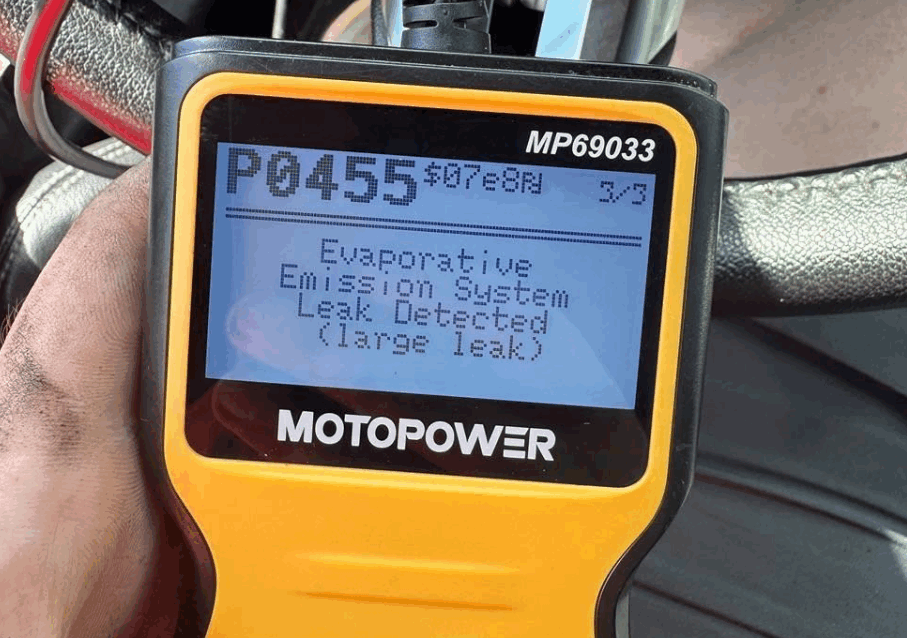
What Does the Dodge P0455 Code Mean?
The Dodge P0455 code means the engine control module (ECM) has detected a large leak in the Evaporative Emission Control (EVAP) system. This OBD-II trouble code appears when the EVAP system cannot maintain the pressure required during its self-test. As a result, the ECM stores the code and turns on the Check Engine Light. In most cases, the leak allows fuel vapors to escape instead of remaining sealed inside the system.
The EVAP system prevents gasoline vapors from entering the atmosphere. It stores those vapors in a charcoal canister and sends them to the engine when driving conditions are suitable. Several components work together to keep the system sealed, including the gas cap, EVAP hoses, purge valve, vent valve, fuel tank, and charcoal canister. If any of these parts develops a large leak, the ECM recognizes the pressure loss and sets the P0455 code.
A large EVAP leak does not always mean a physically large hole exists. The code simply indicates that the system has detected a leak beyond its acceptable threshold. For example, a loose gas cap can create enough pressure loss to trigger the same code as a cracked vapor hose or a damaged charcoal canister. This is why a complete diagnosis is essential before replacing any components.
Many Dodge owners notice only the Check Engine Light when the P0455 code appears. The vehicle usually continues to drive normally because the EVAP system controls fuel vapor emissions rather than engine combustion. However, ignoring the problem can increase hydrocarbon emissions and prevent the vehicle from passing an emissions inspection. Repairing the leak promptly also helps prevent additional EVAP components from developing related faults.
The Dodge P0455 code is often confused with other EVAP trouble codes, including P0442 and P0456. The main difference is the size of the detected leak. P0455 indicates a large leak, while P0442 and P0456 usually point to small or very small leaks. Understanding this distinction helps technicians choose the correct diagnostic approach and reduces unnecessary repairs.
What Causes a Dodge P0455 Code?
Several faults can trigger the Dodge P0455 code. However, a loose or damaged gas cap remains the most common cause. If the gas cap does not seal the fuel tank properly, the EVAP system cannot maintain pressure during its self-test. Even a worn rubber seal or an improperly tightened cap can allow fuel vapors to escape and trigger the code.
Damaged EVAP hoses also cause the P0455 code frequently. These hoses carry fuel vapors between the fuel tank, charcoal canister, and engine. Over time, heat, vibration, and road debris can crack the rubber or loosen hose connections. Once a leak develops, the system loses pressure and the ECM detects a large EVAP leak.
A faulty purge valve can also prevent the EVAP system from operating correctly. The purge valve controls the flow of fuel vapors from the charcoal canister to the engine. If the valve sticks open or fails to seal completely, air enters the system and disrupts the pressure test. A defective vent valve creates a similar problem because it cannot close the system when the ECM performs a leak check.
The charcoal canister may also contribute to the P0455 code. This component stores fuel vapors until the engine burns them during normal operation. Physical damage, cracked housing, or fuel saturation can prevent the canister from sealing correctly. In some Dodge models, the Leak Detection Pump (LDP) can also fail. Since the LDP monitors system pressure, a malfunction may cause the ECM to report a large leak even when other EVAP components appear normal.
Fuel tank damage and loose vapor line connections are less common but still possible. Corrosion, impact damage, or poor repair work can create openings that allow fuel vapors to escape. Because several components can produce the same trouble code, technicians usually begin with a visual inspection before performing a smoke test. This approach helps identify the exact source of the leak and avoids replacing parts that still function correctly.
What Symptoms Does a Dodge P0455 Code Cause?
The Check Engine Light is the most common symptom of the Dodge P0455 code. In many cases, it is the only sign drivers notice. The vehicle may continue to run normally because the EVAP system manages fuel vapor emissions instead of engine combustion. Even so, you should diagnose the problem as soon as possible to prevent additional EVAP faults.
A noticeable fuel smell often accompanies a large EVAP leak. Escaping gasoline vapors can create a strong odor around the fuel tank, under the vehicle, or near the engine bay. The smell may become more obvious after refueling or when the vehicle sits in a warm environment. If you detect a persistent gasoline odor, inspect the EVAP system immediately to reduce the risk of further vapor leaks.
Most Dodge vehicles with a P0455 code show little or no change in engine performance. Acceleration, fuel economy, and idle quality usually remain stable because the air-fuel mixture stays within normal operating limits. However, a faulty purge valve can occasionally affect engine operation. In that case, you may notice a rough idle, difficult starting after refueling, or minor hesitation during acceleration.
A failed emissions inspection is another common symptom. The EVAP system plays an important role in controlling hydrocarbon emissions. When the ECM detects a large leak, it stores the fault code and prevents the emissions readiness monitors from completing successfully. As a result, the vehicle may fail an inspection even if it drives without obvious problems.
Some drivers also experience recurring Check Engine Light warnings after clearing the code. This usually happens because the root cause remains unresolved. The ECM performs periodic EVAP self-tests during normal driving conditions. If the system still cannot maintain pressure, the P0455 code returns and the warning light comes back. Identifying the exact source of the leak is the only reliable way to eliminate the problem permanently.
How Do You Diagnose a Dodge P0455 Code?
Diagnosing the Dodge P0455 code starts with confirming the fault. Connect an OBD-II scanner and read all stored and pending trouble codes. You should also review the freeze frame data because it shows the engine conditions when the ECM detected the leak. This information helps narrow down the possible causes before you inspect the EVAP system.
Next, inspect the gas cap carefully. Make sure it is fully tightened and check the rubber seal for cracks, flattening, or other signs of wear. If the cap looks damaged, replace it with an OEM or equivalent part. Many Dodge vehicles trigger the P0455 code because of a faulty gas cap, so this simple inspection can save both time and repair costs.
Continue with a visual inspection of the EVAP system. Examine the vapor hoses, fuel tank connections, charcoal canister, purge valve, and vent valve. Look for cracked hoses, loose fittings, broken plastic lines, or damaged electrical connectors. Dirt and corrosion around these components may also indicate the location of a vapor leak.
If the visual inspection does not reveal the problem, perform a smoke test. This method introduces low-pressure smoke into the sealed EVAP system. The smoke escapes through any opening, making even hidden leaks easy to locate. Most professional repair shops use this procedure because it provides fast and accurate results without removing multiple components.
After finding and repairing the leak, clear the trouble code with the scan tool. Then drive the vehicle through a complete drive cycle so the ECM can test the EVAP system again. Scan the vehicle one more time to confirm that the P0455 code has not returned. Completing these steps ensures the repair solved the root cause instead of only clearing the warning light temporarily.
How Do You Fix a Dodge P0455 Code?
The correct repair for the Dodge P0455 code depends on the source of the leak. For that reason, you should always complete the diagnostic process before replacing any parts. Many owners solve the problem by tightening or replacing the gas cap. If the cap cannot create a proper seal, the EVAP system will continue to lose pressure and trigger the fault code.
Replace damaged EVAP hoses as soon as you find them. Rubber hoses can crack over time because of heat, vibration, and age. Plastic vapor lines may also split or become disconnected after years of use. Installing new hoses restores the system’s seal and prevents fuel vapors from escaping into the atmosphere.
A faulty purge valve or vent valve also requires replacement. The purge valve must open and close at the correct time to control vapor flow into the engine. The vent valve must seal the EVAP system during leak tests. If either valve sticks or fails electrically, the ECM may continue to detect a large leak even after you repair other components.
Replace the charcoal canister if it becomes cracked or saturated with fuel. A damaged canister cannot store fuel vapors effectively and may allow air to enter the system. Some Dodge models also develop problems with the Leak Detection Pump (LDP). If testing confirms that the pump has failed, install a new unit and verify that it operates correctly before clearing the trouble code.
After completing the repair, erase the stored code with an OBD-II scanner and perform a full drive cycle. The ECM needs time to run the EVAP self-test and confirm that the leak no longer exists. Scan the vehicle again after the drive cycle finishes. If no codes return and all EVAP readiness monitors complete successfully, the repair has resolved the problem. This final verification prevents unnecessary repeat repairs and confirms that every EVAP component works as intended.
How Much Does It Cost to Fix a Dodge P0455 Code?
The cost to fix a Dodge P0455 code depends on the component causing the leak. Some repairs cost less than $30, while others may exceed $500 if multiple EVAP parts require replacement. The final price also varies by vehicle model, labor rates, and whether you choose OEM or aftermarket parts.
A damaged gas cap is usually the least expensive repair. Most replacement gas caps cost between $15 and $40, and installation takes only a few minutes. Replacing cracked EVAP hoses is also relatively affordable. Depending on the hose location and length, the total repair typically ranges from $50 to $150, including labor.
Replacing a faulty purge valve or vent valve costs more because these components require additional diagnosis and installation time. Most Dodge owners can expect to pay between $100 and $300 for either repair. If the charcoal canister fails, the total cost often increases to between $250 and $600. The exact price depends on the vehicle model and the location of the canister.
Some Dodge vehicles use a Leak Detection Pump (LDP) to monitor EVAP system pressure. Replacing this component generally costs between $200 and $500. If technicians need to diagnose an intermittent leak with a smoke machine, they may also charge a diagnostic fee. Most repair shops charge between $80 and $150 for a complete EVAP leak diagnosis before starting any repairs.
You can reduce repair costs by identifying simple problems first. Start by checking the gas cap, visible EVAP hoses, and electrical connectors before replacing expensive components. If the source of the leak remains unclear, a professional smoke test usually provides the fastest and most accurate diagnosis. Finding the exact cause before buying replacement parts helps avoid unnecessary expenses and increases the chance of fixing the P0455 code on the first attempt.
Can You Drive With a Dodge P0455 Code?
Yes, you can usually drive with a Dodge P0455 code if the vehicle shows no other warning signs. This code indicates a large leak in the EVAP system rather than a problem with the engine or transmission. In most situations, the vehicle continues to start, idle, and accelerate normally. However, you should schedule a repair as soon as possible instead of ignoring the warning.
The biggest concern is increased fuel vapor emissions. A leaking EVAP system releases gasoline vapors into the atmosphere instead of storing them for combustion. Although this issue rarely causes immediate mechanical damage, it reduces the effectiveness of the emissions control system. As a result, the vehicle will likely fail an emissions inspection until you repair the leak and clear the trouble code.
Driving for an extended period with the P0455 code can also make future diagnosis more difficult. The Check Engine Light remains on while the fault is active. If another engine or emissions problem develops, the new warning may go unnoticed because the light is already illuminated. Repairing the original problem allows the ECM to detect and report any new faults more accurately.
In some cases, the P0455 code appears with additional EVAP or fuel system trouble codes. You may also notice a strong fuel smell, rough idle, or hard starting after refueling. These symptoms often indicate a larger problem than a loose gas cap. If they occur, inspect the vehicle immediately and avoid unnecessary driving until you identify the cause.
The safest approach is to diagnose the P0455 code as soon as it appears. Begin with the gas cap and perform a visual inspection of the EVAP system. If you cannot locate the leak, arrange a professional smoke test. Repairing the fault early helps prevent repeated warning lights, ensures the vehicle passes emissions testing, and keeps the EVAP system operating as designed.
How Can You Prevent a Dodge P0455 Code From Returning?
Regular maintenance is the best way to prevent the Dodge P0455 code from returning. The EVAP system relies on several sealed components to contain fuel vapors. Even a small amount of wear can reduce the system’s ability to hold pressure. Inspecting these components during routine maintenance helps detect minor issues before they develop into larger leaks.
Always tighten the gas cap until it clicks after refueling. This simple habit prevents one of the most common causes of the P0455 code. You should also inspect the gas cap seal regularly for cracks, hardening, or other signs of wear. Replace the cap immediately if it no longer creates a secure seal.
Check the EVAP hoses and vapor lines whenever you service the vehicle. Look for cracks, loose connections, or signs of abrasion. Rubber components naturally deteriorate over time because they are exposed to engine heat, moisture, and road debris. Replacing worn hoses early costs much less than repairing multiple damaged EVAP components later.
Keep the fuel system in good condition by following the manufacturer’s maintenance schedule. Replace defective purge valves, vent valves, and other EVAP components as soon as testing confirms a fault. Using high-quality replacement parts also improves long-term reliability and reduces the chance of recurring leaks.
Scan the vehicle periodically, even if the Check Engine Light is off. Many modern scan tools can detect pending trouble codes before they become active. Early detection allows you to address small EVAP problems before they trigger the P0455 code. Combining routine inspections with timely repairs is the most effective way to keep the EVAP system sealed and operating correctly.
Conclusion
The Dodge P0455 code indicates a large leak in the EVAP system that prevents the vehicle from containing fuel vapors properly. Although the code rarely affects everyday drivability, it should never be ignored. A simple problem, such as a loose gas cap, can trigger the same warning as a damaged EVAP hose, faulty purge valve, or leaking charcoal canister. For that reason, accurate diagnosis is always more effective than replacing parts based on guesswork.
Start with the easiest inspections, including the gas cap and visible EVAP hoses. If those components appear normal, continue with a complete EVAP inspection or a professional smoke test to locate the exact leak. Once you repair the faulty component, clear the code and complete a drive cycle to verify that the EVAP system passes its self-test.
Routine maintenance remains the best defense against future EVAP problems. Regularly inspecting the gas cap, vapor lines, and other EVAP components helps prevent unexpected warning lights and costly repairs. By fixing the root cause promptly, you can restore proper emissions control, improve long-term reliability, and keep your Dodge operating as designed.