A Dodge Dart coolant leak is a sign that the vehicle’s cooling system is losing its ability to maintain proper coolant circulation and engine temperature control. The cooling system depends on components such as the radiator, thermostat housing, water pump, hoses, and coolant reservoir to keep the engine operating within a safe temperature range. When one of these components fails, coolant can escape and increase the risk of engine overheating.
Dodge Dart coolant leaks can happen because of damaged cooling system parts, worn seals, cracked plastic components, or internal engine problems. Some leaks are easy to identify through visible coolant puddles or a sweet antifreeze smell, while others require pressure testing and professional inspection to locate. Ignoring a coolant leak can lead to overheating, cylinder head damage, or expensive engine repairs.
This guide explains the main causes of Dodge Dart coolant leaks, the symptoms that indicate coolant loss, the most common leak locations, diagnostic methods, repair costs, and prevention steps. Understanding how the Dodge Dart cooling system works helps owners identify problems earlier and protect their engine from long-term damage.
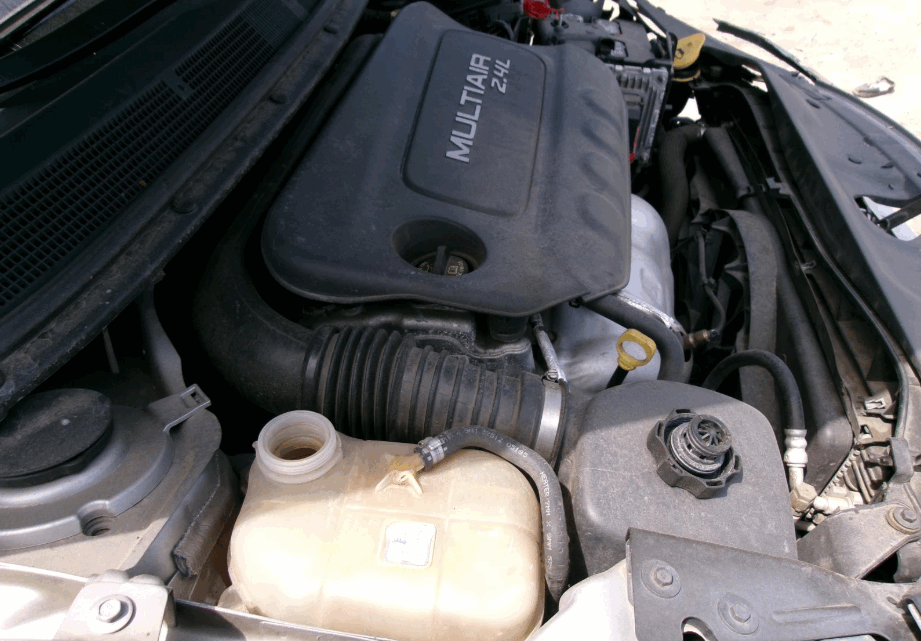
What Causes Dodge Dart Coolant Leaks?
A Dodge Dart coolant leak occurs when a cooling system component fails to keep coolant inside the system. The cooling system uses coolant to remove heat from the engine. It then transfers this heat through components such as the radiator, thermostat housing, water pump, and hoses.
When these components fail, coolant escapes and the engine loses its ability to control temperature. A low coolant level can reduce cooling performance. It can also increase the risk of engine overheating.
The 5 most common causes of Dodge Dart coolant leaks are damaged radiators, faulty thermostat housings, worn coolant hoses, failing water pumps, and head gasket problems. Each failure creates a different type of coolant loss. Some leaks appear outside the engine. Others happen internally and are harder to detect.
A damaged radiator is one of the common causes of coolant leaks in a Dodge Dart. The radiator constantly experiences heat changes and pressure cycles. Over time, cracks can develop in plastic tanks, seals, or connection points. A leaking radiator often leaves coolant stains or puddles under the vehicle.
A faulty thermostat housing can also cause coolant leaks. Many thermostat housings use plastic materials that become weaker after repeated exposure to engine heat. When the housing cracks or the gasket fails, coolant can leak around the engine compartment.
A failing water pump is another possible source of coolant loss. The water pump circulates coolant through the engine and cooling system. When its internal seal wears out, coolant may leak near the pump area. This problem can also reduce coolant circulation and contribute to overheating.
Damaged coolant hoses are another frequent cause of Dodge Dart coolant leaks. Hoses experience constant pressure and temperature changes during operation. Over time, they can develop cracks, swelling, or weak spots. Loose hose clamps can also create leaks around connection points.
A head gasket failure creates one of the most serious types of coolant leaks. The head gasket separates coolant passages from combustion chambers and engine oil channels. When it fails, coolant may enter the combustion chamber or mix with engine oil. Common signs include white exhaust smoke, overheating, and contaminated oil.
What Are the Signs of a Dodge Dart Coolant Leak?
A Dodge Dart coolant leak creates several warning signs before it causes major engine damage. The most common symptoms include a low coolant level, visible coolant loss, overheating, a sweet coolant smell, and warning lights on the dashboard. These signs appear because the cooling system can no longer maintain the correct amount of coolant needed to control engine temperature.
The first sign is often a constantly decreasing coolant level. A healthy cooling system keeps coolant inside a closed circuit. If the coolant reservoir becomes empty or requires frequent refilling, there is usually a leak somewhere in the system. Drivers should inspect the radiator, hoses, thermostat housing, and water pump area when coolant levels drop without a clear reason.
A visible coolant puddle under the Dodge Dart is another common symptom. Coolant usually appears as a colored fluid under the front or center area of the vehicle. The exact location depends on the failed component. For example, a radiator leak may leave fluid near the front of the vehicle, while a water pump leak may appear closer to the engine area.
A sweet smell from the engine compartment can also indicate a coolant leak. Engine coolant contains antifreeze compounds that produce a noticeable sweet odor when they escape from the system. This smell may become stronger after driving because engine heat increases coolant evaporation.
Engine overheating is one of the most serious signs of a Dodge Dart coolant leak. Coolant removes heat from the engine during operation. When coolant levels become too low, the engine temperature can rise quickly. Drivers may notice the temperature gauge moving higher than normal or the overheating warning light appearing.
Some coolant leaks happen inside the engine and are harder to identify. Internal coolant leaks may cause white smoke from the exhaust, milky engine oil, or repeated overheating. These symptoms can indicate a damaged head gasket or another internal engine problem.
Early detection is important because a small coolant leak can become a major cooling system failure. Identifying symptoms quickly helps prevent expensive repairs such as engine damage, cylinder head problems, or complete cooling system replacement.
Where Does a Dodge Dart Usually Leak Coolant From?
A Dodge Dart usually leaks coolant from specific cooling system components that experience constant pressure, heat, and mechanical stress. The most common leak locations include the thermostat housing, radiator, coolant hoses, water pump, and coolant reservoir. Identifying the leak location helps determine the failed component and prevents unnecessary part replacement.
The thermostat housing is one of the common coolant leak areas on a Dodge Dart. The thermostat housing controls coolant flow between the engine and radiator. Many Dodge Dart models use plastic housing components that can become brittle after repeated exposure to high temperatures. When cracks develop or the gasket loses its sealing ability, coolant can escape around the engine area.
The radiator is another frequent source of coolant leaks. The radiator removes heat from the coolant before it returns to the engine. Over time, radiator tanks, seams, and connection points can develop cracks. A radiator leak usually creates coolant residue, wet areas, or visible fluid near the front of the vehicle.
Coolant hoses are also common leak points because they handle constant temperature changes and system pressure. The upper radiator hose and lower radiator hose can become weak as the rubber material ages. Small cracks may start as slow leaks before developing into larger coolant losses. Loose or damaged hose clamps can also allow coolant to escape around connection points.
The water pump area can reveal another type of coolant leak. The water pump pushes coolant through the engine and cooling system. When the pump seal fails, coolant may leak from the pump housing or nearby areas. A failing water pump can become a serious issue because it affects both coolant circulation and engine temperature control.
The coolant reservoir is another possible leak location. The reservoir stores extra coolant and helps maintain proper system pressure. A cracked reservoir or damaged cap can allow coolant to escape. This type of leak may appear small, but continuous coolant loss can eventually lead to overheating.
Finding the exact leak location is an important step in Dodge Dart coolant leak diagnosis. A visual inspection can identify obvious problems, but hidden leaks may require a cooling system pressure test to confirm the failed component.
How Do You Diagnose a Dodge Dart Coolant Leak?
Diagnosing a Dodge Dart coolant leak requires finding the exact source of coolant loss before replacing any parts. A proper diagnosis starts with a visual inspection and continues with testing methods that identify both external and internal leaks. This process prevents incorrect repairs and helps confirm which cooling system component has failed.
The first step is checking the coolant level when the engine is completely cold. The coolant reservoir should be inspected to see whether the fluid level is below the recommended mark. A low coolant level indicates that coolant has escaped from the system or that the vehicle has not been maintained properly.
The next step is inspecting visible cooling system components. Technicians check areas around the radiator, hoses, thermostat housing, water pump, and coolant reservoir. Signs such as wet surfaces, dried coolant residue, or white deposits can reveal the location of a leak. Dried coolant often leaves a crust-like mark around the damaged area.
A cooling system pressure test is one of the most effective methods for finding Dodge Dart coolant leaks. This test uses a pressure tester to simulate normal operating pressure inside the cooling system. If the pressure drops during testing, coolant is escaping from a damaged component. Pressure testing can locate small leaks that are difficult to see during a basic inspection.
Some coolant leaks occur inside the engine and require additional testing. Internal leaks may happen because of a damaged head gasket or cracked engine component. Signs of an internal leak include white exhaust smoke, overheating, coolant mixed with engine oil, or continuous coolant loss without visible external leaks.
Professional diagnosis may also include a UV coolant dye test or combustion gas test. A UV dye helps technicians find hidden coolant trails under special lighting. A combustion gas test checks whether exhaust gases are entering the cooling system, which can indicate head gasket failure.
A complete diagnosis identifies the failed component instead of only adding more coolant. Finding the actual cause of a Dodge Dart coolant leak helps prevent repeated problems and protects the engine from overheating damage.
How Much Does It Cost to Repair a Dodge Dart Coolant Leak?
The cost to repair a Dodge Dart coolant leak depends on the failed component, labor requirements, and the severity of the damage. Small external leaks usually require simple repairs, while internal engine leaks can require expensive repairs. Identifying the source of the leak early helps reduce repair costs and prevents additional engine damage.
A coolant hose replacement is usually one of the most affordable repairs because the component is easy to access and replace. Hoses can develop cracks, soft spots, or connection failures after years of heat exposure. Replacing a damaged hose and securing the clamps can restore proper coolant flow and prevent further fluid loss.
A thermostat housing repair usually costs more than a hose replacement because the component is connected to the engine’s coolant control system. If the housing cracks or the gasket fails, technicians need to remove the damaged part and install a new sealing component. This repair is common when plastic thermostat housings become brittle over time.
Radiator replacement is a more expensive repair because the radiator is a larger cooling system component. The total cost depends on the radiator quality, labor time, and whether additional parts such as hoses or coolant need replacement. A damaged radiator should be repaired quickly because continuous coolant loss can cause engine overheating.
A water pump replacement often requires more labor because the pump is responsible for circulating coolant throughout the engine. A failing water pump can create both coolant leaks and overheating problems. Repair costs increase when access to the component requires removing additional engine parts.
A head gasket repair is usually the most expensive Dodge Dart coolant leak repair because it involves internal engine work. A failed head gasket can allow coolant to enter the combustion chamber or mix with engine oil. If ignored, this problem can lead to severe engine damage and significantly higher repair expenses.
The best way to control Dodge Dart coolant leak repair costs is to diagnose the problem early. Replacing a leaking hose or damaged seal is far less expensive than repairing an overheated engine. Regular inspections help identify small cooling system problems before they become major failures.
How Can You Prevent Dodge Dart Coolant Leaks?
Preventing Dodge Dart coolant leaks requires regular cooling system maintenance and early inspection of potential failure points. The cooling system operates under high temperatures and pressure, which means components can wear down over time. Regular checks help detect small problems before they develop into serious leaks or engine overheating.
Checking coolant levels regularly is one of the simplest ways to prevent cooling system problems. A healthy Dodge Dart cooling system should maintain a stable coolant level between inspections. If the coolant level drops repeatedly, it usually indicates a leak or another cooling system issue that requires attention.
Inspecting hoses and connections can also prevent unexpected coolant loss. Coolant hoses experience constant heat cycles and pressure changes during engine operation. Over time, they can become cracked, swollen, or weakened. Checking the upper radiator hose, lower radiator hose, and hose clamps helps identify early signs of failure.
Replacing coolant at the recommended service interval helps protect cooling system components. Old coolant can lose its protective properties and become less effective at preventing corrosion. Contaminated or degraded coolant can damage metal components, seals, and other parts inside the cooling system.
Monitoring engine temperature is another important prevention method. A rising temperature gauge or overheating warning light should never be ignored. These signs may indicate low coolant levels, poor coolant circulation, or a failing cooling system component.
Routine cooling system inspections during maintenance services can also reduce the risk of coolant leaks. Technicians can check the radiator, thermostat housing, water pump, and reservoir for early signs of damage. Finding a small leak before it spreads can prevent expensive repairs and protect the Dodge Dart engine.
Proper maintenance improves cooling system reliability and extends the life of engine components. Preventing coolant leaks is not only about avoiding fluid loss. It also protects the engine from overheating, internal damage, and unnecessary repair costs.
Dodge Dart Coolant Leaks: Causes, Diagnosis, and Prevention Summary
A Dodge Dart coolant leak usually indicates a problem within the vehicle’s cooling system. The most common causes include damaged radiators, cracked thermostat housings, worn hoses, failing water pumps, and head gasket issues. Each component affects coolant circulation differently, so identifying the exact source of the leak is the first step toward an effective repair.
Early warning signs such as low coolant levels, visible fluid leaks, sweet coolant smells, and engine overheating should not be ignored. These symptoms show that the cooling system may no longer be maintaining the correct engine temperature. A proper inspection, including visual checks and cooling system pressure testing, helps identify the failed component and prevents unnecessary repairs.
Regular maintenance is the most effective way to reduce the risk of Dodge Dart coolant leaks. Checking coolant levels, inspecting hoses, replacing coolant at the correct interval, and monitoring engine temperature can help prevent major cooling system failures.
Understanding how the Dodge Dart cooling system works allows owners to respond quickly when problems appear. Addressing coolant leaks early protects the engine, reduces repair costs, and helps maintain long-term vehicle reliability.