Choosing the best EcoDiesel Delete Kit requires careful evaluation. Buyers need to consider compatibility, component quality, software calibration, and long term reliability. Price alone does not determine the right option.
An EcoDiesel Delete Kit connects with specific diesel engine systems. The correct choice depends on the vehicle model, engine configuration, and performance goals. Ram and Jeep EcoDiesel owners often compare different options before selecting a solution.
Modern EcoDiesel engines use multiple systems that control emissions and engine operation. These systems include components such as the DPF, EGR, DEF system, and engine management software. Understanding their relationship helps owners make informed decisions.
This guide explains the main factors behind EcoDiesel Delete Kit selection. It covers kit components, vehicle compatibility, performance considerations, and reliability factors. Readers can use this information to compare options based on technical value.
The best EcoDiesel Delete Kit matches the vehicle requirements and the owner’s goals. A quality solution should provide suitable components, proper calibration, and reliable long term performance.
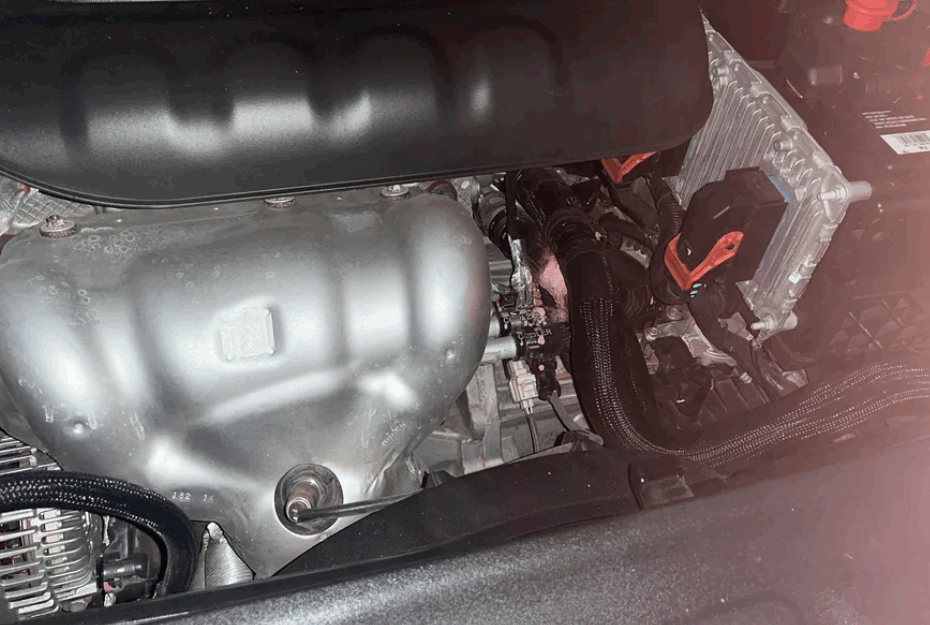
What Is an EcoDiesel Delete Kit and How Does It Work?
An EcoDiesel Delete Kit is a set of aftermarket components designed for diesel engine modification. The kit focuses on changing how certain emission related systems interact with the engine. It usually involves hardware components and software adjustments that work together with the vehicle’s engine management system.
EcoDiesel engines use emission control components to reduce pollutants during operation. These components include the Diesel Particulate Filter (DPF), Exhaust Gas Recirculation (EGR) system, Diesel Exhaust Fluid (DEF) system, and related sensors. Each system performs a specific function by controlling exhaust gases and supporting emission standards.
An EcoDiesel Delete Kit typically includes replacement hardware and engine calibration software. The hardware changes the physical exhaust or emission system components. The software adjusts engine parameters so the vehicle management system can operate with the modified setup.
The relationship between hardware and software plays an important role in diesel performance modifications. A component change without proper calibration can create operating issues because the engine control module still expects the original system configuration. A properly matched solution considers the engine design, vehicle model, and intended use.
EcoDiesel Delete Kits are commonly researched by owners of vehicles equipped with the 3.0L EcoDiesel engine. These vehicles include applications such as the Ram 1500 EcoDiesel and Jeep EcoDiesel models. Understanding the basic function of these kits helps owners evaluate compatibility, technical requirements, and performance expectations before making any decision.
What Factors Should You Consider When Choosing the Best EcoDiesel Delete Kit?
Choosing the best EcoDiesel Delete Kit requires evaluation of several technical factors. A suitable option depends on vehicle compatibility, component quality, software support, and long term reliability. Owners should compare these factors instead of focusing only on price.
Vehicle compatibility is the first factor to evaluate. EcoDiesel engines appear in different vehicles, including Ram 1500 EcoDiesel and Jeep EcoDiesel models. Each vehicle may use different engine generations, control systems, and hardware configurations. A kit that matches one vehicle may not provide the same results on another model.
Software calibration also plays an important role in EcoDiesel performance solutions. The engine control module manages fuel delivery, engine operation, and system communication. Any performance modification requires careful consideration of calibration quality because incorrect settings can affect vehicle operation and reliability.
Component quality influences the durability of any diesel performance upgrade. High quality materials, accurate manufacturing, and proper design help components withstand heat, vibration, and daily driving conditions. Buyers should examine product specifications, manufacturer reputation, and available technical support before selecting an option.
Installation requirements also affect the overall ownership experience. Some modifications require professional knowledge, specialized equipment, or additional vehicle preparation. Understanding these requirements helps owners estimate the time, cost, and technical support needed for their specific situation.
A reliable EcoDiesel Delete Kit evaluation should include five main areas: vehicle compatibility, software quality, hardware design, support availability, and long term durability. These factors provide a clearer framework for comparing different options and understanding their overall value.
What Performance Improvements Can You Expect From an EcoDiesel Delete Kit?
An EcoDiesel Delete Kit can influence several aspects of diesel engine operation, but the results depend on the vehicle condition, calibration quality, and driving conditions. Performance changes usually come from modifications to exhaust flow, engine management settings, and overall system efficiency.
Improved engine response is one factor that attracts diesel owners to performance upgrades. Changes in exhaust system operation can affect how quickly the engine responds under acceleration. A well matched setup can create a more consistent driving experience because the engine management system works with the updated configuration.
Fuel efficiency is another consideration when evaluating EcoDiesel performance solutions. Diesel engines already operate with high efficiency because of their compression ignition design. Changes in engine calibration and operating conditions can influence fuel consumption, but results vary between vehicles and driving habits. Factors such as load, terrain, maintenance condition, and driving style affect real world fuel economy.
Engine reliability depends on more than performance output. A suitable EcoDiesel Delete Kit should support stable engine operation through proper component selection and calibration. Poorly matched components or unsuitable settings can create unnecessary stress on engine systems and reduce long term reliability.
Many owners also consider exhaust temperature management and engine operation consistency when researching diesel upgrades. A complete evaluation should focus on how the components work together rather than expecting one modification to create automatic performance gains.
The expected benefits of an EcoDiesel Delete Kit depend on the quality of the solution and the condition of the vehicle. Owners should evaluate performance goals, technical compatibility, and maintenance requirements before choosing a specific setup.
Which EcoDiesel Vehicles Are Compatible With These Performance Kits?
EcoDiesel Delete Kit compatibility depends on the vehicle model, engine generation, and electronic control system. Different EcoDiesel vehicles use different configurations, so owners need to verify specific details before selecting a performance solution.
The Ram 1500 EcoDiesel is one of the most recognized applications for the 3.0L EcoDiesel engine. Different model years may include changes in engine management systems, emission components, and vehicle software. These differences affect how a performance kit interacts with the truck’s existing systems.
Jeep EcoDiesel models also use the 3.0L EcoDiesel platform in vehicles such as the Jeep Grand Cherokee EcoDiesel and Jeep Wrangler EcoDiesel. Although these vehicles share diesel technology, their chassis design, electronic systems, and factory configurations can differ. A suitable kit should match the specific vehicle platform rather than only the engine type.
Engine generation is another important compatibility factor. Manufacturers update diesel engines over time by changing sensors, control modules, and emission equipment designs. A kit developed for one generation may not work correctly with another generation without proper adjustments.
Owners should check several compatibility details before choosing an EcoDiesel Delete Kit. These include the vehicle year, engine version, transmission configuration, and available tuning support. Accurate compatibility research reduces installation problems and helps ensure that the selected components match the vehicle’s technical requirements.
Understanding vehicle compatibility creates a stronger foundation for evaluating performance solutions. The best EcoDiesel Delete Kit should fit the exact vehicle application instead of relying on general claims about diesel performance improvements.
How Do You Compare Different EcoDiesel Delete Kit Options?
Comparing different EcoDiesel Delete Kit options requires a structured evaluation process. The right choice depends on technical compatibility, component design, software quality, and overall support. A simple price comparison does not provide enough information because different solutions may offer different levels of quality and reliability.
Component quality is one of the first areas to examine. Durable materials, accurate manufacturing, and proper engineering standards influence how well performance components handle heat, vibration, and continuous operation. A reliable product should include clear specifications and demonstrate consistent quality.
Software support is another important comparison factor. EcoDiesel engines rely on electronic control systems that manage fuel delivery, engine operation, and communication between vehicle components. The quality of software calibration affects how smoothly the vehicle operates after modifications. Buyers should consider the reputation of the calibration provider and the availability of technical assistance.
Customer support also affects the ownership experience. A company that provides clear documentation, compatibility information, and responsive assistance helps owners understand their options better. Support becomes especially valuable when a vehicle has specific requirements based on its model year or configuration.
Installation requirements should also influence the decision process. Some solutions require more technical knowledge, preparation, or professional assistance than others. Understanding these requirements helps owners evaluate the total investment beyond the initial purchase price.
A strong comparison should focus on five main areas: compatibility, component quality, software support, installation requirements, and long term reliability. This approach helps buyers identify a solution that matches their vehicle needs and performance objectives.
What Should You Know About EcoDiesel Performance Kit Installation and Maintenance?
Installing an EcoDiesel performance kit requires proper preparation and technical understanding. The installation process depends on the vehicle model, engine configuration, and the specific components included in the kit. A careful approach helps protect the engine system and supports consistent vehicle operation.
Before installation, owners should evaluate the current condition of the vehicle. A diesel engine with existing problems may not respond well to performance modifications. Checking important systems such as engine condition, sensors, fuel delivery, and electronic controls helps identify potential issues before making changes.
The installation requirements vary between different EcoDiesel performance solutions. Some kits involve hardware changes, while others require software calibration adjustments. Each component must work correctly with the vehicle’s existing systems to maintain proper engine communication and operation.
Maintenance remains an important factor after installing any diesel performance component. Regular inspections help identify potential issues related to connections, sensors, exhaust components, and engine operation. Monitoring vehicle behavior can also help owners recognize changes in performance or reliability.
Long term reliability depends on proper installation, suitable components, and responsible maintenance practices. A well maintained EcoDiesel system can provide a more consistent ownership experience because problems are identified before they develop into larger mechanical concerns.
Owners should also follow manufacturer recommendations and seek professional assistance when technical requirements exceed their experience. Proper installation and maintenance create the foundation for reliable diesel performance and help protect the vehicle investment.
Are EcoDiesel Delete Kits Legal for Street Use?
The legality of EcoDiesel Delete Kits depends on regional emission regulations and vehicle usage requirements. Different locations have different rules regarding modifications to diesel emission systems. Owners should understand the applicable laws before making any changes to their vehicles.
Diesel emission systems exist to reduce pollutants produced during engine operation. Components such as the Diesel Particulate Filter (DPF), Exhaust Gas Recirculation (EGR) system, and Selective Catalytic Reduction (SCR) system help control emissions. Modifying these systems may affect compliance with local environmental standards.
Street legality varies between jurisdictions because governments establish different requirements for vehicle emissions. Some regions apply strict inspection programs, while others have different rules for off road or specialized vehicle applications. Owners should review local regulations and understand how modifications affect vehicle compliance.
Vehicle owners should also consider the long term impact of emission related modifications. Changes that affect factory emission systems may influence registration requirements, inspections, warranty considerations, and vehicle resale factors. Understanding these aspects helps owners make informed decisions.
Responsible research is an important step before choosing any diesel performance modification. A complete evaluation should include technical compatibility, performance goals, maintenance requirements, and legal considerations. The best approach depends on the vehicle application and the regulations that apply to the owner’s location.
Conclusion
Choosing the best EcoDiesel Delete Kit requires a complete understanding of vehicle compatibility, component quality, software calibration, and long term reliability. The right option depends on the specific EcoDiesel application, including the vehicle model, engine configuration, and performance goals.
A quality evaluation process focuses on more than immediate performance expectations. Owners should examine how each component works together, how the system matches the vehicle platform, and how maintenance requirements affect long term ownership. These factors provide a clearer way to compare different solutions.
EcoDiesel vehicles such as the Ram 1500 EcoDiesel, Jeep Grand Cherokee EcoDiesel, and Jeep Wrangler EcoDiesel have different configurations that require careful consideration. A suitable performance solution should match the vehicle’s technical requirements instead of relying on general claims.
Understanding the relationship between diesel engine systems, performance components, and vehicle operation helps owners make better decisions. Researching compatibility, technical support, installation requirements, and applicable regulations creates a stronger foundation before selecting any EcoDiesel performance upgrade.
The best EcoDiesel Delete Kit is the option that aligns with the vehicle, intended use, and ownership expectations. A detailed comparison helps owners choose based on technical value, reliability factors, and informed decision making.