A Dodge Caravan Gas Cap Light indicates that the vehicle has detected a problem affecting the Evaporative Emission Control (EVAP) system, not necessarily a faulty gas cap. While a loose or damaged fuel cap is the most common cause, the warning can also result from EVAP leaks, worn seals, damaged hoses, a faulty purge valve, a malfunctioning leak detection pump, or other components responsible for containing fuel vapors. Identifying the actual cause early helps prevent unnecessary parts replacement, repeated warning lights, and failed emissions inspections.
This guide explains what the Dodge Caravan Gas Cap Light means, why it appears, how the EVAP system detects leaks, and the diagnostic steps that help isolate the root cause. You’ll also learn which OBD-II trouble codes are commonly associated with the warning, how to determine whether replacing the gas cap is enough, and when additional repairs are required. In addition, the article covers reset procedures, repair costs, preventive maintenance practices, and answers to the most common questions owners have after the warning appears.
Whether you drive an older Dodge Caravan or a newer Dodge Grand Caravan, following a structured diagnostic process is far more effective than replacing parts based on guesswork. Understanding how the EVAP system works and how the vehicle monitors fuel vapor leaks allows you to resolve the warning efficiently while avoiding unnecessary repair expenses.
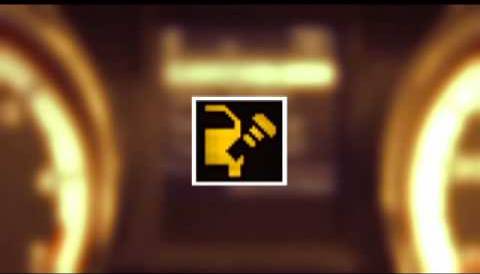
What Does the Gas Cap Light Mean on a Dodge Caravan?
The Dodge Caravan Gas Cap Light indicates that the Powertrain Control Module (PCM) has detected a problem within the Evaporative Emission Control (EVAP) system that prevents it from maintaining the required fuel vapor pressure. Although the warning specifically mentions the gas cap, it does not confirm that the cap itself is defective. Instead, it signals that fuel vapors may be escaping from the sealed fuel system because of a loose gas cap, a leaking EVAP component, or a pressure loss detected during the vehicle’s self-diagnostic test.
The EVAP system is designed to capture gasoline vapors from the fuel tank and store them inside a charcoal canister instead of allowing them to escape into the atmosphere. During specific driving conditions, the PCM commands the purge valve and vent valve to regulate vapor flow while monitoring system pressure through sensors and the Leak Detection Pump (LDP). If the system cannot maintain the expected pressure or vacuum level, the PCM records a diagnostic trouble code and illuminates the Gas Cap Light or Check Engine Light.
On many Dodge Caravan models, the Gas Cap Light serves as an early warning before the Check Engine Light appears. If the issue remains unresolved through several drive cycles, the PCM may store one or more EVAP-related diagnostic trouble codes such as P0442, P0455, or P0457, making further diagnosis necessary with an OBD-II scanner.
Vehicle owners should treat the warning as an indication to inspect the entire EVAP system rather than replacing the gas cap immediately. A systematic diagnosis helps identify the actual leak source and prevents unnecessary replacement of functional components.
What Causes the Dodge Caravan Gas Cap Light to Turn On?
A Dodge Caravan Gas Cap Light can illuminate because the EVAP system detects a vapor leak, pressure loss, or component malfunction. While a loose fuel cap is the most common cause, multiple components work together to seal and monitor the fuel system, meaning failures elsewhere can trigger the same warning.
Can a Loose Gas Cap Trigger the Warning?
Yes. A loose gas cap is the most common reason the Gas Cap Light turns on. If the cap is not tightened until it clicks several times, the fuel tank cannot maintain the sealed pressure required by the EVAP system. During its leak detection test, the PCM interprets the pressure loss as an EVAP leak and stores a fault code.
This issue often occurs immediately after refueling when the cap is left partially threaded or not fully seated against the filler neck. In many cases, tightening the cap correctly and completing several normal drive cycles allows the PCM to verify the repair and automatically turn the warning off if no additional leaks exist.
Can a Damaged Gas Cap Seal Cause an EVAP Leak?
Yes. A cracked, hardened, or flattened gas cap seal can allow fuel vapors to escape even when the cap is fully tightened. The rubber gasket forms the primary seal between the gas cap and the fuel filler neck. As the gasket ages, repeated exposure to fuel vapor, temperature changes, and dirt can reduce its sealing ability.
A visual inspection should check for cracks, missing rubber sections, deformation, or contamination on both the gasket and the sealing surface. Replacing a worn gas cap with an OEM-quality replacement is often the simplest and least expensive repair when the seal is compromised.
Can a Faulty Fuel Filler Neck Cause the Warning?
Yes. Damage to the fuel filler neck can prevent the gas cap from creating an airtight seal. Corrosion, dents, scratches, or accumulated debris around the filler neck may create small openings that allow fuel vapors to leak during the EVAP pressure test.
Vehicles driven in regions with heavy road salt or high humidity are more likely to develop corrosion around the filler neck. Cleaning the sealing surface and inspecting for structural damage should be part of every EVAP diagnosis before replacing additional components.
Can an EVAP System Leak Trigger the Gas Cap Light?
Yes. Any leak within the EVAP system can trigger the same warning because the PCM monitors the entire sealed fuel vapor system rather than only the gas cap. Common leak locations include cracked vapor hoses, loose hose connections, damaged charcoal canisters, leaking fittings, or deteriorated plastic lines.
Small leaks may produce intermittent warnings that appear and disappear depending on temperature and fuel level, while larger leaks often trigger the warning immediately and generate diagnostic trouble codes such as P0455 or P0456.
Can a Purge Valve or Vent Valve Cause the Warning?
Yes. A malfunctioning purge valve or vent valve can prevent the EVAP system from maintaining the correct pressure during leak testing. The purge valve regulates when stored fuel vapors enter the engine for combustion, while the vent valve controls airflow into and out of the charcoal canister.
If either valve sticks open or fails to seal completely, the EVAP monitor cannot establish the pressure required for leak detection. The PCM interprets this condition as an EVAP malfunction and stores an appropriate diagnostic code.
Can a Leak Detection Pump Fail?
Yes. A defective Leak Detection Pump (LDP) can trigger the Gas Cap Light even when no physical leak exists. The LDP is responsible for pressurizing or monitoring the EVAP system during self-tests. If the pump fails electrically or mechanically, the PCM cannot accurately evaluate system integrity and may illuminate the warning light.
Symptoms of an LDP failure often include recurring EVAP codes that return shortly after being cleared, despite replacing the gas cap or repairing visible leaks. In these situations, additional diagnosis using an OBD-II scanner and an EVAP smoke test is typically required to confirm the faulty component.
Which OBD-II Codes Are Associated with the Gas Cap Light?
Several OBD-II diagnostic trouble codes (DTCs) can trigger the Dodge Caravan Gas Cap Light because they indicate leaks or malfunctions within the EVAP system. Reading these codes with an OBD-II scanner is the fastest way to narrow down the source of the problem before replacing any components.
P0440 — EVAP System Malfunction
P0440 indicates that the PCM has detected a general malfunction within the EVAP system but cannot identify a specific component failure. This code typically appears when the system fails its self-test due to pressure loss or improper vapor flow.
Common causes include a loose gas cap, deteriorated EVAP hoses, a leaking charcoal canister, a faulty purge valve, or a malfunctioning Leak Detection Pump. Because the code is broad, a complete inspection of the EVAP system is usually required.
P0441 — Incorrect Purge Flow
P0441 indicates that the EVAP purge flow does not match the amount expected by the PCM. During normal operation, the purge valve opens to allow stored fuel vapors to enter the intake manifold. If vapor flow is lower or higher than expected, the PCM records this fault.
A sticking purge valve, clogged vapor lines, damaged vacuum hoses, or electrical problems affecting the purge solenoid are among the most common causes.
P0442 — Small EVAP Leak Detected
P0442 indicates that the EVAP system has detected a small vapor leak. This is one of the most common codes associated with the Gas Cap Light because even a minor pressure loss can trigger the EVAP monitor.
Typical causes include a loose gas cap, a worn rubber gasket, cracked vapor hoses, or minor leaks around the fuel filler neck. Since the leak is often too small to locate visually, an EVAP smoke test is frequently required for confirmation.
P0455 — Large EVAP Leak Detected
P0455 indicates that the PCM has detected a major leak or that the EVAP system cannot build pressure at all. This code usually points to a significant sealing problem rather than a minor vapor leak.
A missing gas cap, severely damaged gas cap seal, disconnected EVAP hose, broken charcoal canister fitting, or major crack in the vapor system can all generate this code. Because the leak is relatively large, it is often easier to identify through a visual inspection before performing additional diagnostic tests.
P0456 — Very Small EVAP Leak Detected
P0456 indicates that the EVAP system has detected an extremely small leak that may be difficult to locate without specialized equipment. Although the leak size is minimal, the PCM can identify pressure losses that occur over time during its automated leak detection process.
Common causes include microscopic cracks in EVAP hoses, aging rubber seals, loose hose clamps, or minor imperfections in the gas cap sealing surface. A professional smoke test is typically the most effective method for locating this type of leak.
P0457 — Loose or Disconnected Fuel Cap
P0457 specifically indicates that the PCM believes the fuel cap is loose, missing, or unable to seal properly. Among all EVAP-related codes, this is the one most directly associated with the Gas Cap Light.
In many cases, removing the cap, inspecting the sealing gasket, cleaning the filler neck, and reinstalling the cap until several clicks are heard will resolve the problem. If the code returns after several drive cycles, the gas cap should be inspected for seal damage or replaced with an OEM-quality component before investigating the rest of the EVAP system.
How Do You Diagnose the Dodge Caravan Gas Cap Light?
Diagnosing the Dodge Caravan Gas Cap Light requires following a systematic process that starts with the simplest inspections before moving to advanced EVAP testing. Replacing parts without confirming the source of the leak often increases repair costs while leaving the original problem unresolved.
Inspect the Gas Cap
Begin by inspecting the gas cap because it is the most common source of EVAP leaks. Verify that the cap is the correct part number for the vehicle and that it tightens securely until multiple clicks are heard. Examine the cap housing for cracks, broken locking tabs, or damaged threads that could prevent proper sealing.
If the cap appears questionable, replacing it with an OEM or high-quality aftermarket replacement is generally more cost-effective than attempting further repairs on a worn component.
Check the Rubber Seal
Inspect the rubber gasket on the gas cap for wear or deterioration. A seal that has become brittle, flattened, swollen, or cracked may no longer maintain an airtight connection with the fuel filler neck, allowing fuel vapors to escape during EVAP pressure testing.
Also inspect the sealing surface on the filler neck for dirt, rust, or fuel residue that could prevent the gasket from seating correctly. Cleaning the area before reinstalling the cap can eliminate minor sealing problems.
Inspect the Fuel Filler Neck
Examine the fuel filler neck for physical damage or corrosion that could interfere with the gas cap seal. Surface rust, dents, deep scratches, or bent sealing surfaces may create small vapor leaks even when the gas cap is fully tightened.
Pay close attention to the upper sealing lip where the rubber gasket contacts the filler neck. Any deformation in this area can prevent the EVAP system from maintaining the pressure required to pass its self-diagnostic test.
Scan for OBD-II Codes
Connect an OBD-II scanner to retrieve stored diagnostic trouble codes before replacing additional components. Freeze-frame data associated with each code provides valuable information about engine operating conditions when the fault occurred, helping narrow the diagnostic process.
If multiple EVAP-related codes are stored simultaneously, address the code most closely related to the primary leak before clearing the remaining codes and repeating the diagnostic procedure.
Perform an EVAP Smoke Test
An EVAP smoke test is the most reliable method for locating small vapor leaks that cannot be identified through visual inspection. During this procedure, low-pressure smoke is introduced into the sealed EVAP system. Smoke escaping from hoses, fittings, the charcoal canister, or the fuel filler neck reveals the exact location of the leak.
Because P0442 and P0456 often involve extremely small leaks, a smoke test can significantly reduce diagnostic time compared with manually inspecting every EVAP component.
Inspect EVAP Hoses
Inspect every accessible EVAP hose and vapor line for cracks, loose connections, abrasions, or heat damage. Rubber hoses naturally deteriorate over time, while plastic vapor lines can become brittle after years of exposure to engine heat and road debris.
Any damaged hose should be replaced rather than repaired temporarily, as even a small opening can prevent the EVAP monitor from completing successfully and cause the Gas Cap Light to return shortly after the repair.
How Do You Fix the Dodge Caravan Gas Cap Light?
Fixing the Dodge Caravan Gas Cap Light requires repairing the component responsible for the EVAP system leak or pressure loss rather than simply clearing the warning. After diagnosing the root cause, the appropriate repair should be completed before resetting the diagnostic trouble codes. This approach prevents the warning from returning during the next EVAP self-test.
Tighten the Gas Cap Correctly
Properly tightening the gas cap is the first and simplest repair for the Gas Cap Light. Remove the cap, inspect both the sealing gasket and the filler neck, then reinstall the cap until several audible clicks are heard. The clicking mechanism prevents overtightening while ensuring the cap forms an airtight seal.
After tightening the cap, drive the vehicle through several normal drive cycles. If the warning was caused solely by a loose gas cap, the PCM will verify that the EVAP system is sealed and automatically turn off the warning after completing its self-diagnostic tests.
Replace the Gas Cap
Replace the gas cap if the housing, threads, or rubber gasket show signs of wear or damage. Gas caps are considered maintenance components that gradually deteriorate because they are repeatedly exposed to fuel vapor, ultraviolet radiation, moisture, and temperature fluctuations.
An OEM replacement is generally recommended because it is designed to meet the factory sealing specifications required by the EVAP system. While many aftermarket gas caps perform well, low-quality replacements may not maintain the correct sealing pressure and can allow EVAP-related trouble codes to return.
Repair EVAP Leaks
Repair any identified EVAP leaks before clearing diagnostic codes. Once a smoke test identifies the leak location, damaged hoses, cracked plastic lines, leaking fittings, or deteriorated connectors should be replaced with compatible components rather than temporarily patched.
Small vapor leaks may not noticeably affect vehicle performance, but they prevent the EVAP monitor from passing its leak detection test. Repairing every identified leak restores the system’s ability to contain fuel vapors and prevents repeated warning lights.
Replace Damaged EVAP Components
Replace malfunctioning EVAP components if diagnostic testing confirms they have failed. Common replacement parts include the purge valve, vent valve, Leak Detection Pump (LDP), charcoal canister, or fuel tank pressure sensor.
Each component performs a specific function within the EVAP system. Replacing parts based on confirmed diagnostic results instead of trial and error minimizes repair costs and reduces the likelihood of recurring faults.
Clear Diagnostic Trouble Codes
Clear the stored diagnostic trouble codes only after completing all necessary repairs. An OBD-II scanner can erase both pending and stored codes, allowing the PCM to begin a new EVAP monitoring cycle.
If the underlying problem has been resolved, the EVAP monitor will complete successfully during normal driving without illuminating the Gas Cap Light again. If the warning returns, additional diagnosis is necessary because an unresolved leak or component failure still exists.
How Do You Reset the Dodge Caravan Gas Cap Light?
The Dodge Caravan Gas Cap Light resets automatically after the PCM verifies that the EVAP system passes its self-diagnostic tests, although it can also be cleared manually using an OBD-II scanner after repairs are complete. Resetting the warning without fixing the underlying fault only provides a temporary result because the PCM continuously monitors the EVAP system.
Tighten or Replace the Gas Cap First
Always repair the suspected cause before attempting to reset the warning. If the gas cap was loose, reinstall it correctly until it clicks several times. If the cap or gasket is damaged, replace it before clearing any stored codes. Resetting the system without correcting the leak causes the warning to return during the next monitoring cycle.
Complete Several Drive Cycles
Allow the vehicle to complete multiple normal drive cycles after repairing the fault. The PCM does not immediately switch off the Gas Cap Light after detecting a repair. Instead, it repeats the EVAP self-test under specific operating conditions that include engine temperature, vehicle speed, fuel level, and ambient conditions.
Depending on the model year and driving conditions, the warning may disappear after several trips once the EVAP monitor confirms that no leaks remain.
Reset the Light with an OBD-II Scanner
An OBD-II scanner provides the fastest method for resetting the Gas Cap Light after repairs are completed. After confirming that the leak has been repaired, connect the scanner, erase the stored diagnostic trouble codes, and restart the engine.
Clearing the codes removes the warning immediately, but the PCM will continue monitoring the EVAP system. If the original problem still exists, the corresponding trouble code and warning light will return once the monitor runs again.
Why Does the Gas Cap Light Come Back After Resetting?
A Gas Cap Light that returns after being reset indicates that the EVAP system still has an unresolved problem. In many cases, the original leak was not completely repaired, or another component within the system has failed.
Common reasons for a recurring warning include using an incorrect replacement gas cap, overlooking a cracked EVAP hose, failing to detect a small vapor leak, or replacing the wrong component without confirming the diagnostic trouble code. Performing a complete EVAP smoke test and reviewing freeze-frame data are often the most effective next steps when the warning repeatedly returns.
Is Disconnecting the Battery an Effective Reset Method?
Disconnecting the battery is not a recommended method for resetting the Dodge Caravan Gas Cap Light. Although disconnecting battery power may temporarily erase stored codes on some vehicles, it also resets adaptive engine parameters and does not repair the underlying EVAP fault.
Modern Dodge Caravan models will rerun their onboard diagnostics after the battery is reconnected. If the leak or malfunction remains, the PCM will store the same diagnostic trouble code again and illuminate the Gas Cap Light during a future drive cycle.
Is It Safe to Drive with the Dodge Caravan Gas Cap Light On?
Yes, it is generally safe to drive with the Dodge Caravan Gas Cap Light illuminated if the warning is caused by a minor EVAP leak and no other drivability issues are present. The EVAP system primarily controls fuel vapor emissions rather than engine performance, so a loose gas cap or small vapor leak usually does not affect acceleration, braking, or steering.
However, the warning should not be ignored for an extended period. An unresolved EVAP fault allows fuel vapors to escape into the atmosphere and may eventually trigger the Check Engine Light. If additional warning lights appear or the engine begins to idle roughly, stall, or hesitate during acceleration, further diagnosis should be performed immediately because another system may also be affected.
When Is It Safe to Continue Driving?
Driving is typically safe when the Gas Cap Light is the only warning displayed and the vehicle operates normally. The engine should start easily, idle smoothly, accelerate without hesitation, and show no signs of fuel odor around the vehicle.
After confirming that the gas cap is properly tightened, drivers can usually continue operating the vehicle while scheduling a diagnosis. Nevertheless, repairing the problem as soon as practical helps prevent additional EVAP-related faults and reduces the risk of failing an emissions inspection.
When Should You Stop Driving?
You should stop driving and inspect the vehicle if the Gas Cap Light is accompanied by the Check Engine Light, strong fuel odors, fuel leaks, or noticeable drivability problems. These symptoms may indicate a larger EVAP leak or another engine management issue requiring immediate attention.
Visible fuel leakage should always be treated as a safety concern because escaping fuel increases the risk of fire. Likewise, if the engine enters reduced-power mode or begins running poorly, professional diagnosis should not be delayed.
Can the Gas Cap Light Cause an Emissions Test Failure?
Yes. A persistent Gas Cap Light or EVAP-related diagnostic trouble code can cause the vehicle to fail an emissions inspection in regions where OBD-II readiness monitors are part of the testing procedure. Even if the vehicle drives normally, the EVAP monitor must complete successfully before the inspection system considers the emissions control system functional.
Simply clearing diagnostic codes immediately before an inspection is not an effective solution because resetting the PCM also resets the readiness monitors. Most inspection programs require the EVAP monitor to complete successfully before the vehicle can pass.
How Much Does It Cost to Fix a Dodge Caravan Gas Cap Light?
The cost to repair a Dodge Caravan Gas Cap Light depends on the failed component and the complexity of the diagnostic process. A loose gas cap may require no repair cost at all, while replacing major EVAP components or diagnosing difficult vapor leaks can significantly increase the total repair bill.
| Repair Item | Estimated Parts Cost | Estimated Total Repair Cost |
|---|---|---|
| OEM Gas Cap | $20–$45 | $20–$45 |
| Aftermarket Gas Cap | $10–$30 | $10–$30 |
| EVAP Smoke Test | — | $80–$180 |
| Purge Valve Replacement | $35–$120 | $120–$280 |
| Vent Valve Replacement | $40–$130 | $130–$300 |
| Leak Detection Pump (LDP) | $120–$280 | $250–$550 |
| Charcoal Canister | $180–$450 | $350–$750 |
| EVAP Hose Replacement | $15–$80 | $80–$220 |
Actual repair costs vary based on vehicle model year, engine configuration, labor rates, and whether OEM or aftermarket replacement parts are used. Completing an accurate diagnosis before replacing components often reduces the total repair expense by eliminating unnecessary parts replacement.
How Can You Prevent the Gas Cap Light from Coming Back?
Routine inspection and proper refueling habits significantly reduce the likelihood of the Gas Cap Light returning. Most recurring EVAP warnings develop gradually as seals age, hoses deteriorate, or maintenance is overlooked.
Tighten the Gas Cap Properly After Every Refueling
Always tighten the gas cap until several clicks are heard after refueling. The clicking mechanism confirms that the cap has reached the correct sealing position. Leaving the cap partially tightened is one of the most common causes of recurring EVAP leak warnings.
Replace Worn Gas Caps Before They Fail
Replace the gas cap if the rubber gasket becomes cracked, hardened, or permanently compressed. Because the gas cap is relatively inexpensive, replacing it at the first sign of deterioration is often more cost-effective than diagnosing repeated EVAP warning lights.
Avoid Overfilling the Fuel Tank
Stop refueling once the fuel pump automatically shuts off. Continuing to add fuel after the first automatic click can force liquid gasoline into the charcoal canister, reducing its ability to store fuel vapors and potentially damaging other EVAP components.
Inspect EVAP Components During Routine Maintenance
Inspect accessible EVAP hoses, connectors, and the fuel filler neck during regular vehicle maintenance. Identifying cracked hoses, loose fittings, or corrosion before they become significant leaks helps maintain proper EVAP system performance and reduces unexpected warning lights.
Address Warning Lights Promptly
Diagnose the Gas Cap Light as soon as it appears rather than waiting for additional symptoms. Early diagnosis often limits repairs to inexpensive components such as a gas cap or hose, while delaying repairs may allow minor leaks to develop into larger EVAP system problems.
Frequently Asked Questions About the Dodge Caravan Gas Cap Light
Why won’t the Gas Cap Light turn off after replacing the gas cap?
Replacing the gas cap does not guarantee that the warning will disappear because another EVAP component may be leaking or malfunctioning. The PCM must also complete one or more successful EVAP self-tests before automatically clearing the warning. If the light remains on after several drive cycles, retrieve the stored OBD-II codes and inspect the rest of the EVAP system.
Can a bad gas cap reduce fuel economy?
A faulty gas cap has little direct effect on fuel economy. Its primary function is sealing the EVAP system rather than regulating fuel delivery. However, if the warning is caused by another EVAP or engine management problem, overall engine efficiency may be affected.
Can cold weather trigger the Gas Cap Light?
Yes. Cold temperatures can contribute to EVAP-related warnings by causing rubber seals to contract and making existing leaks more noticeable. Older gas cap gaskets and aging plastic EVAP components are particularly susceptible to temperature-related sealing issues.
Does disconnecting the battery reset the Gas Cap Light?
Disconnecting the battery may temporarily clear stored diagnostic codes on some vehicles, but it does not repair the underlying problem. If the EVAP system still has a leak or malfunction, the PCM will detect it again during a future monitoring cycle and illuminate the warning light.
How many drive cycles are required for the Gas Cap Light to clear?
The number of required drive cycles varies depending on the model year, operating conditions, and the specific EVAP fault. In many cases, the PCM needs several complete drive cycles with no detected leaks before automatically turning off the warning and marking the EVAP monitor as complete.
Can I pass an emissions test with the Gas Cap Light on?
In most regions, a Dodge Caravan with an active EVAP warning or incomplete EVAP readiness monitor is unlikely to pass an OBD-II emissions inspection. Repairing the fault, clearing the diagnostic codes, and allowing the EVAP monitor to complete successfully before the inspection provides the best chance of passing the test.