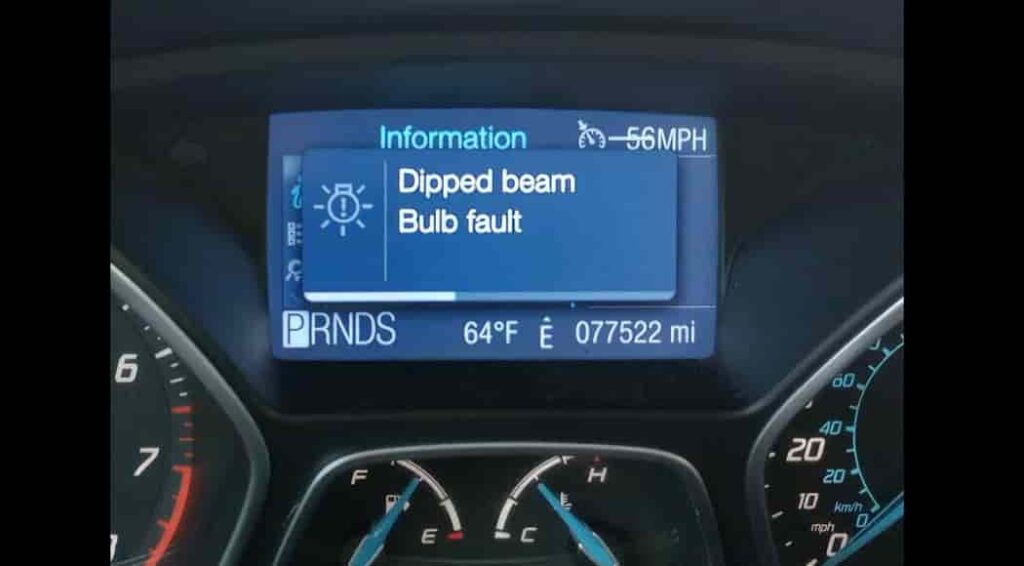
Have you ever seen the Dipped Beam Bulb Fault Message appear on your car dashboard while driving at night? It can be alarming and confusing, especially if you rely on your headlights for safety. This warning is important because it indicates that one of your main headlight bulbs may not be functioning properly. Ignoring it can reduce visibility and increase the risk of accidents.
Understanding why this message appears is essential for every driver. The Dipped Beam Bulb Fault Message can be triggered by several factors, from a burnt-out bulb to a loose connector or electrical issue. Knowing the causes helps you take quick action, whether by checking the bulb yourself or seeking professional help.
In this article, we will explore the common reasons behind the Dipped Beam Bulb Fault Message, provide practical fixes, and share DIY solutions that anyone can apply at home. By following these steps, you can ensure your headlights work correctly, maintain your vehicle efficiently, and drive safely at night. Learning how to address this issue early not only saves time and money but also gives you confidence and peace of mind on the road.
Contents
- Causes of Dipped Beam Bulb Fault Message
- How to Fix the Issue
- DIY Solutions and Preventive Tips
- Causes of Dipped Beam Bulb Fault Message
- How to Fix the Issue
- DIY Solutions and Preventive Tips
- Halogen vs LED: Reducing Dipped Beam Bulb Fault Message
- Example Cases and Real Scenarios
- FAQ: Dipped Beam Bulb Fault Message
- Conclusion
Causes of Dipped Beam Bulb Fault Message
One of the most common causes of the Dipped Beam Bulb Fault Message is a burnt-out bulb. Over time, headlight bulbs lose brightness and eventually stop working. If your bulb fails, the vehicle’s system detects it and triggers the warning on your dashboard. Regularly checking your bulbs can prevent this problem and ensure safe driving.
Another reason for this fault message is a loose or corroded connector. Connections can loosen due to vibrations while driving or exposure to moisture. Corrosion can also interrupt the electrical flow, causing the system to detect a fault. Inspecting the connectors and cleaning them carefully often resolves the issue without needing a new bulb.
Blown fuses can also trigger the Dipped Beam Bulb Fault Message. Fuses protect the electrical system, and if one blows, it can interrupt the power supply to the headlights. Checking and replacing blown fuses is usually a simple and quick solution.
Finally, wiring problems or a malfunctioning control module can cause this warning. Damaged wires or faulty electronics may prevent the headlights from receiving power. In such cases, professional inspection is recommended. Understanding these causes helps drivers act promptly, prevent further damage, and maintain vehicle safety while driving at night.
How to Fix the Issue
Fixing the Dipped Beam Bulb Fault Message is usually straightforward if you follow the right steps. The first step is to check the headlight bulb itself. Turn off your car, remove the bulb, and inspect it for any signs of damage or burnt filaments. Replacing a faulty bulb with a compatible one often resolves the warning immediately.
Next, inspect the connectors. Loose or corroded connections can prevent the bulb from functioning properly. Make sure all connectors are securely attached and clean any corrosion with a soft cloth or electrical contact cleaner. Properly secured connections can eliminate false warnings and ensure consistent headlight performance.
Another simple fix is to check the fuses. Locate the fuse box and find the fuse corresponding to the headlights. If the fuse is blown, replace it with one of the same rating. This step is quick and can restore power to your dipped beam lights without further complications.
In some cases, the problem may be related to wiring or the car’s control module. Damaged wires or malfunctioning electronics can cause the warning message to appear even if the bulb and connectors are fine. If you suspect a wiring or module issue, it is recommended to consult a professional mechanic. Following these steps helps you address the Dipped Beam Bulb Fault Message efficiently, keeps your headlights working properly, and maintains safety while driving at night.
DIY Solutions and Preventive Tips
Preventing the Dipped Beam Bulb Fault Message from appearing is often easier than fixing it. One simple solution is to perform regular checks of your headlights. Inspect the bulbs and connectors every few months to ensure they are working correctly. Cleaning the connectors and removing any corrosion can prevent false warnings and improve electrical contact.
Choosing high-quality replacement bulbs also helps reduce the risk of the fault message. LED and halogen bulbs from reputable brands are more durable and less likely to fail prematurely. Always replace bulbs in pairs to maintain balanced lighting and consistent brightness.
Another useful tip is to check the wiring periodically. Look for any signs of damage, fraying, or loose connections. Securing wires and protecting them from moisture and vibration can prevent electrical issues that trigger the warning message.
Finally, consider keeping a small toolkit in your car, including spare bulbs and fuses. Being prepared allows you to address the Dipped Beam Bulb Fault Message quickly without needing immediate professional assistance. Following these DIY solutions not only keeps your headlights functioning optimally but also enhances safety and confidence while driving at night. Preventive care can save money, reduce stress, and ensure you are always ready for unexpected issues.
Causes of Dipped Beam Bulb Fault Message
The Dipped Beam Bulb Fault Message is a common warning on many modern car dashboards, and understanding its causes is essential for safe driving. One of the primary reasons this warning appears is a burnt-out bulb. Headlight bulbs naturally degrade over time, and when they fail completely, the vehicle’s monitoring system detects the issue and triggers the message. Regularly inspecting bulbs helps prevent unexpected warnings and maintains visibility during night driving.
Another major cause involves loose or corroded connectors. Vibration from driving, exposure to moisture, or simply aging components can cause connectors to loosen or corrode. When the electrical contact is interrupted, the car detects a fault and displays the warning. Cleaning the connectors and ensuring they are properly secured can often resolve the problem without replacing the bulb.
Blown fuses are also a frequent source of this message. Fuses protect the vehicle’s electrical circuits, and when one blows, it can stop the dipped beam from functioning. Replacing the fuse with the correct rating usually restores normal operation.
Finally, wiring issues or a malfunctioning control module can trigger the Dipped Beam Bulb Fault Message even if the bulb and connectors appear fine. Damaged wiring or electronic faults prevent the system from detecting the proper current flow. In such cases, professional inspection is recommended to identify and fix the problem safely. Understanding these causes equips drivers to respond quickly, maintain their headlights properly, and avoid accidents caused by reduced visibility.
How to Fix the Issue
Fixing the Dipped Beam Bulb Fault Message can often be done quickly if you follow a systematic approach. The first step is to check the headlight bulb itself. Turn off the vehicle, remove the bulb, and inspect it for any signs of damage, such as burnt filaments or blackened glass. Replacing a faulty bulb with the correct type usually resolves the warning immediately and restores proper lighting.
Next, inspect the connectors attached to the bulb. Loose or corroded connections are common causes of this fault message. Make sure the connectors are securely attached and clean any corrosion using a soft cloth or an electrical contact cleaner. Properly maintained connectors improve electrical flow and prevent false warnings.
It is also important to check the fuses associated with the dipped beam. Locate the fuse box and identify the fuse responsible for the headlights. If a fuse has blown, replace it with one that matches the required rating. This simple step can restore power to the headlights and remove the warning message.
In some situations, the issue may involve wiring problems or a malfunctioning control module. Damaged wires or faulty electronics can trigger the Dipped Beam Bulb Fault Message even when bulbs and connectors are in good condition. If this is the case, consulting a professional mechanic is recommended. Following these steps ensures that your headlights function correctly, prevents recurring warnings, and maintains safety while driving at night.
DIY Solutions and Preventive Tips
Preventing the Dipped Beam Bulb Fault Message is often easier than fixing it after it appears. Regular inspections are key. Check your headlights every few months to ensure the bulbs are functioning correctly and the connectors are secure. Cleaning any corrosion from connectors and tightening loose connections can prevent false warnings and improve electrical contact.
Choosing high-quality replacement bulbs also helps reduce the likelihood of this warning. LED bulbs are generally more durable and energy-efficient than halogen bulbs, lasting longer and generating less heat. However, it is important to ensure compatibility with your vehicle’s electrical system. Some cars may require additional resistors or modules to avoid dashboard errors. Replacing bulbs in pairs helps maintain consistent lighting and prevents imbalance that could trigger the warning.
Another important preventive measure is inspecting the wiring. Look for any signs of wear, fraying, or loose connections. Protecting wires from moisture and vibration reduces the risk of intermittent faults that cause the Dipped Beam Bulb Fault Message.
Keeping a small toolkit in your car, including spare bulbs and fuses, is a simple way to prepare for emergencies. Being able to address minor issues immediately saves time and avoids stress while driving at night. Following these DIY solutions and preventive tips ensures your headlights remain reliable, enhances safety, and reduces the chances of unexpected dashboard warnings.
Halogen vs LED: Reducing Dipped Beam Bulb Fault Message
Choosing the right headlight bulb can play a major role in preventing the Dipped Beam Bulb Fault Message. Halogen bulbs are the most common option and are generally affordable and easy to replace. They provide adequate brightness for most driving conditions but have a shorter lifespan and are more prone to failure. Over time, this can lead to the warning message appearing more frequently.
LED bulbs, on the other hand, offer several advantages. They are more durable, energy-efficient, and generate less heat, which reduces the risk of electrical issues triggering the fault message. LEDs also last significantly longer than halogen bulbs, which means fewer replacements and reduced maintenance costs over time.
However, installing LED bulbs may require additional components in some vehicles. Certain cars need resistors or modules to ensure the system correctly detects the new bulb and avoids false warnings. It is important to confirm compatibility before upgrading to LED, as improper installation can actually increase dashboard alerts.
For drivers looking to maintain reliability and reduce the chances of the Dipped Beam Bulb Fault Message, high-quality bulbs from reputable brands are recommended. Regular inspections combined with the right choice of bulb can minimize warnings, keep headlights functioning optimally, and improve safety during night driving. Understanding the differences between halogen and LED options allows drivers to make informed decisions and prevent common headlight issues.
Example Cases and Real Scenarios
Many drivers encounter the Dipped Beam Bulb Fault Message unexpectedly, and real-life scenarios can help illustrate common causes and solutions. One frequent situation occurs after heavy rain or car washing. Moisture can seep into headlight connectors, causing temporary electrical faults. Cleaning and drying the connectors usually resolves the warning quickly without the need for a new bulb.
Another scenario involves replacing only one headlight bulb. Some vehicles are sensitive to electrical differences between bulbs, and installing a new bulb alongside an older one can trigger the dashboard warning. Replacing both bulbs in pairs ensures consistent brightness and can prevent the message from appearing.
In older vehicles, worn wiring or corroded connectors may lead to intermittent faults. For example, a driver might notice the Dipped Beam Bulb Fault Message appearing only on bumpy roads. Inspecting and securing the wiring often eliminates these intermittent warnings.
Finally, drivers who frequently upgrade bulbs without checking system compatibility may experience repeated warnings. LED upgrades, in particular, require proper resistors or modules in some cars. Understanding these real-life scenarios equips drivers to troubleshoot effectively, make informed decisions about replacements, and maintain their headlights reliably. Sharing experiences and solutions can help others recognize patterns, prevent future issues, and drive safely at night.
FAQ: Dipped Beam Bulb Fault Message
Q: Can I ignore the Dipped Beam Bulb Fault Message?
A: No, ignoring this warning can compromise your visibility while driving at night and increase the risk of accidents. It indicates that your dipped beam headlights may not be working correctly.
Q: How often should I check my headlights?
A: It is recommended to inspect your headlights every few months or before long trips. Regular checks help detect worn bulbs, loose connectors, or electrical issues early, preventing unexpected dashboard warnings.
Q: Can LED bulbs cause false warnings?
A: Yes, if the LED bulbs are not compatible with your vehicle’s electrical system, they can trigger false Dipped Beam Bulb Fault Messages. Installing resistors or modules as required by the manufacturer can prevent these errors.
Q: Are DIY fixes safe for this warning?
A: Most DIY solutions, like replacing bulbs, checking connectors, and replacing fuses, are safe when done carefully. However, if the issue involves wiring or the control module, it is best to consult a professional mechanic.
Q: What preventive measures can reduce this warning?
A: Regular maintenance, high-quality bulbs, cleaning connectors, checking wiring, and replacing bulbs in pairs are effective preventive measures. Being prepared with spare bulbs and fuses also allows you to address minor issues immediately.
By addressing these frequently asked questions, drivers gain practical guidance on maintaining their headlights, preventing the Dipped Beam Bulb Fault Message, and ensuring safer night driving.
Conclusion
The Dipped Beam Bulb Fault Message is a warning that should never be ignored. Understanding its causes, from burnt-out bulbs to loose connectors or electrical issues, is the first step toward keeping your headlights working properly. Following practical fixes and DIY solutions allows you to address the problem quickly, often without the need for professional assistance.
Regular maintenance, including inspecting bulbs, cleaning connectors, checking fuses, and monitoring wiring, can prevent this fault message from appearing in the first place. Choosing high-quality replacement bulbs and being prepared with spare parts ensures your headlights remain reliable and bright.
By taking these preventive steps, you protect your safety while driving at night and reduce the risk of unexpected breakdowns. The Dipped Beam Bulb Fault Message can be a minor issue if addressed promptly, and learning how to handle it empowers every driver to maintain their vehicle efficiently. Have you ever encountered this warning on your dashboard? Sharing your experience or tips in the comments can help other drivers stay safe and informed.