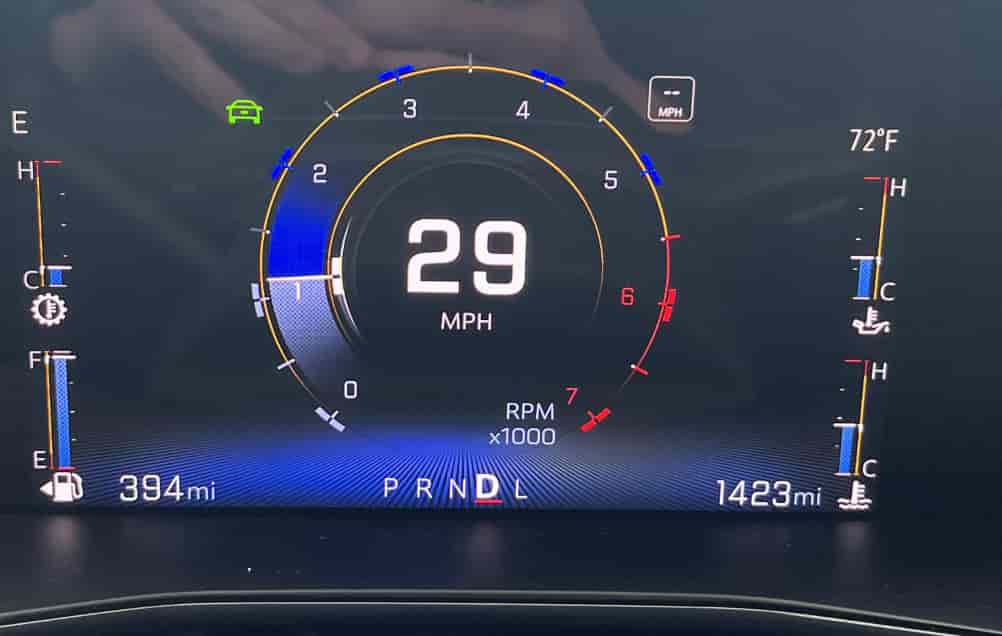
Have you ever driven your Chevy and noticed the speed limit display stopped working? This problem can frustrate any driver because the display helps you follow speed limits and stay safe. When it stops working, you might feel uncertain about your speed and worry about tickets or costly repairs.
The Chevy speed limit display can fail for several reasons. A software glitch, a blown fuse, or a loose connection can cause it to stop functioning. Sometimes a sensor malfunctions or the dashboard hardware has an issue. Many of these problems do not require a trip to the dealership. Understanding the cause helps you fix it quickly and save time and money.
In this guide, we will show you the most common reasons your Chevy speed limit display stops working and explain simple solutions. You will learn step-by-step fixes that any driver can follow. By applying these solutions, you can restore your display, drive confidently, and ensure your vehicle shows accurate speed information. Each tip focuses on practical steps so you can handle the problem efficiently at home.
Contents
Blown Fuse or Electrical Issue
One of the most common reasons your Chevy speed limit display is not working is a blown fuse or an electrical problem. Fuses protect your car’s electrical system, and when one fails, it can cut power to the dashboard display. Loose or damaged wires can also disrupt the connection and stop the display from working properly.
To check this issue, locate the fuse box in your Chevy and refer to the owner’s manual to find the specific fuse controlling the speed limit display. Inspect the fuse carefully. If it looks burned or broken, replace it with one that has the same amperage. Always turn off the car before handling any electrical components to stay safe.
Sometimes the problem goes beyond a simple fuse replacement. If you see frayed wires or loose connections behind the dashboard, a professional technician may need to fix it. Solving these problems quickly ensures your speed limit display works reliably and prevents further damage to the car’s electrical system. Many Chevy owners fix this issue at home, saving time and avoiding unnecessary trips to the dealership.
Software Glitch or Dashboard Error
Sometimes your Chevy speed limit display stops working because of a software glitch or a dashboard error. Modern Chevy vehicles rely on software to run the digital display, and bugs can prevent it from showing the speed limit correctly. These glitches often appear after updates, battery disconnections, or temporary system errors.
You can fix many software problems at home. Start by restarting your car completely. Turn off the ignition, wait a few minutes, and then turn it back on. This simple step can reset the dashboard system and restore the display. If your Chevy has a digital menu, check for a system reset option in the settings. Follow the instructions carefully to avoid affecting other features.
Updating your vehicle’s software can also solve persistent glitches. Visit the official Chevy website or use an authorized app to download the latest updates. Make sure the car is in park and connected to a stable power source before starting the update. If these steps do not work, a certified technician can run a diagnostic check to identify deeper software issues. Fixing software glitches promptly keeps your display reliable and ensures accurate speed information while driving.
Sensor Malfunction or Speed Sensor Issue
Another common reason your Chevy speed limit display is not working is a malfunctioning speed sensor. The speed sensor sends data to the dashboard to show your current speed and speed limits. If the sensor fails, the display can show incorrect information or stop working entirely.
To check for this issue, observe your dashboard for warning lights or unusual speed readings. A sudden jump in the speedometer or inconsistent numbers may indicate a faulty sensor. Some Chevy models allow you to run a self-diagnostic test through the digital menu or OBD-II port to confirm sensor problems.
Fixing a speed sensor usually involves cleaning or replacing it. Dirt, debris, or worn components can prevent the sensor from sending accurate data. If cleaning does not solve the issue, a replacement sensor is necessary. Always follow the manufacturer’s instructions to ensure proper installation. Addressing sensor malfunctions promptly keeps your speed limit display accurate and ensures other systems, like cruise control, work correctly.
Many Chevy owners can handle minor sensor issues at home, but persistent problems may require professional assistance. Timely repairs help maintain the vehicle’s overall performance and safety.
Settings Reset or User Error
Sometimes your Chevy speed limit display is not working due to simple settings changes or user errors. Drivers may accidentally turn off the display or reset dashboard settings, causing the speed limit feature to disappear. Checking your dashboard settings can quickly solve this issue.
To fix this, access the digital menu on your Chevy’s dashboard. Look for the speed limit display or speedometer settings. Make sure the display option is turned on. If your vehicle has multiple profiles or user settings, confirm that the active profile has the feature enabled.
Resetting the dashboard settings can also help. Follow the instructions in your owner’s manual to perform a system reset. This process often restores the display without affecting other features. Always take note of your preferences before resetting to avoid losing personalized settings.
By carefully reviewing settings and correcting any user errors, many Chevy owners restore the speed limit display quickly. This solution is simple, safe, and does not require technical skills or professional help. Regularly checking dashboard settings can prevent future issues and keep your display functioning properly.
Hardware Failure or Dashboard Replacement Needed
In some cases, your Chevy speed limit display is not working because of hardware failure. The dashboard module or display unit can wear out over time. When this happens, the screen may stop showing speed limits or behave inconsistently.
Fixing hardware problems often requires professional help. A certified technician can diagnose the issue and determine if the dashboard module needs replacement. Attempting to repair hardware yourself can damage sensitive components and void your warranty.
Replacement dashboards ensure your speed limit display works correctly and restores all digital functions. Authorized Chevy dealerships provide genuine parts and professional installation. Although this solution can be more expensive than other fixes, it guarantees long-term reliability and safety.
Many owners notice hardware issues only after trying simpler fixes, such as checking fuses or resetting software. Acting promptly prevents further damage and keeps other systems, like cruise control and warning lights, operating properly. Addressing dashboard hardware failures ensures your Chevy provides accurate speed information every time you drive.
Conclusion
Dealing with a Chevy speed limit display not working can feel frustrating, but most problems have clear solutions. Common causes include blown fuses, software glitches, sensor malfunctions, settings errors, or hardware failures. Understanding the root cause helps you choose the right fix and restore your display quickly.
Many issues, such as fuse problems, software glitches, or simple settings errors, can be resolved at home. These fixes save time, reduce stress, and avoid unnecessary trips to a dealership. For hardware failures or persistent problems, professional assistance ensures proper repair and long-term reliability. Acting promptly prevents further damage and keeps your vehicle safe and fully functional.
By following these practical steps, you can restore your Chevy speed limit display and drive with confidence. Regular maintenance, checking settings, and addressing minor glitches early will help your dashboard remain accurate and reliable. Have you experienced issues with your Chevy speed limit display before? Share your story or tips in the comments below and help other owners solve this common problem.