Finding the catalytic converter on your Chevy Silverado can be confusing for many owners, especially those new to truck maintenance. The catalytic converter plays a key role in the exhaust system. It reduces harmful emissions and keeps the engine running efficiently. Knowing its exact location can save you time, prevent costly repairs, and ensure your Silverado meets emissions standards. This guide helps owners of all model years, from older trucks to the latest releases, understand where the catalytic converter sits and why it matters.
In this complete guide, we explain the Chevy Silverado catalytic converter location for every model year. You will also learn practical tips for inspecting and maintaining it. Many drivers struggle to locate this component, which can lead to unnecessary repairs or missed maintenance. By following these steps, you can confidently identify the catalytic converter, check its condition, and take action if it needs service or replacement. Understanding the Chevy Silverado catalytic converter location improves your truck’s performance, extends the exhaust system’s lifespan, and prevents issues with emissions compliance. This guide provides clear, practical advice for every Silverado owner.
Contents
Understanding the Catalytic Converter in Your Chevy Silverado
The catalytic converter in your Chevy Silverado reduces harmful exhaust emissions. It converts gases like carbon monoxide and nitrogen oxides into less dangerous substances before they exit the tailpipe. A failing catalytic converter can lower engine efficiency and cause your truck to fail emissions tests. Knowing how this component works helps you maintain your vehicle and avoid costly repairs.
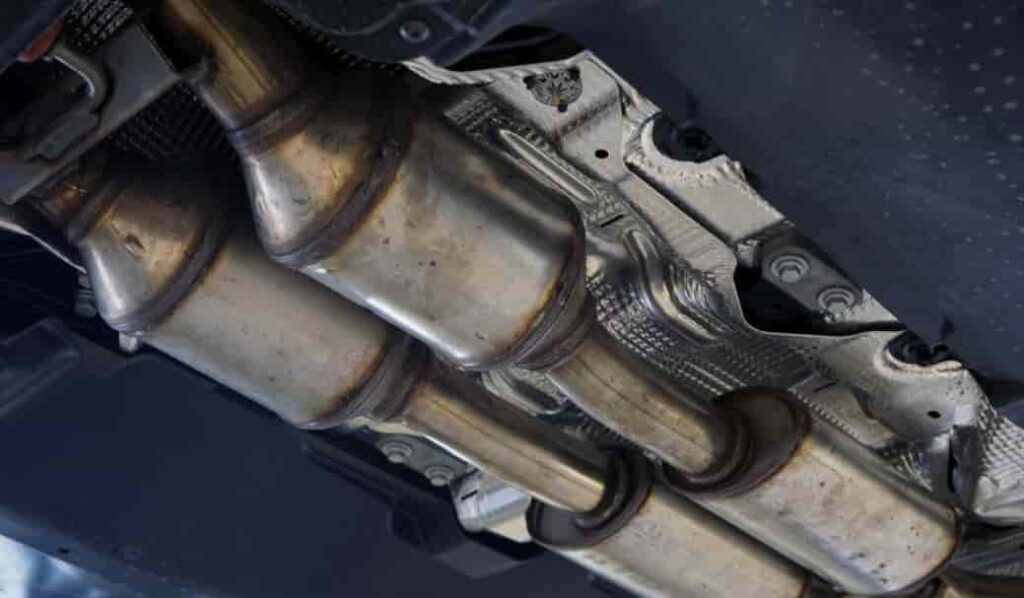
Finding the Chevy Silverado catalytic converter location is the first step in proper maintenance. Most converters sit between the engine and the muffler in the exhaust system. Their exact position depends on the model year and engine type. Older Silverado models often have the converter mounted directly after the exhaust manifold. Newer models may include multiple converters in different sections of the exhaust system to meet stricter emissions standards.
Regular inspections keep the catalytic converter in good condition. Listen for rattling noises, watch for reduced engine performance, and check for a lit check engine light. These signs usually indicate a clogged or damaged converter. Knowing its location allows quick access for visual checks or professional service. Understanding the Chevy Silverado catalytic converter location also helps plan upgrades or replacements safely, reducing labor costs and preventing mistakes. By learning its function and location, you can keep your Silverado efficient and compliant with environmental regulations.
Chevy Silverado Catalytic Converter Location by Model Year
The location of the catalytic converter in a Chevy Silverado varies depending on the model year and engine type. Knowing its exact placement makes inspections and maintenance much easier. Older Silverado models, such as those from 1999 to 2006, usually have a single catalytic converter mounted directly after the exhaust manifold. This placement allows quick access for visual checks and basic maintenance.
For Silverado models from 2007 to 2013, manufacturers often included two catalytic converters to meet stricter emissions standards. One converter sits close to the engine, while the second resides further down the exhaust system near the muffler. Understanding the Chevy Silverado catalytic converter location on these models helps you identify which converter may require service if you notice performance issues.
Newer models, from 2014 onward, may feature multiple converters integrated with advanced exhaust components. Some models include a pre-catalytic converter near the engine to reduce emissions immediately and a main converter closer to the rear of the truck. By knowing the Chevy Silverado catalytic converter location on your specific model, you can plan inspections, replacements, or upgrades efficiently. Always consult your owner’s manual or a trusted repair guide for diagrams to ensure you access the correct component safely. Understanding these differences by year ensures you maintain optimal performance and comply with emissions regulations throughout your truck’s lifespan.
How to Inspect Your Catalytic Converter
Inspecting the catalytic converter on your Chevy Silverado helps prevent costly repairs and maintain engine performance. Start by locating the component using the Chevy Silverado catalytic converter location for your specific model year. This step ensures you access the correct converter and avoid unnecessary disassembly.
Begin with a visual check. Look for physical damage such as dents, cracks, or rust on the converter body. Also, inspect the surrounding exhaust pipes for leaks or corrosion. Listen carefully while the engine runs. A rattling noise inside the catalytic converter often indicates loose or broken internal components. Reduced engine performance, poor fuel efficiency, or a glowing check engine light may also signal issues with the converter.
You can perform a basic temperature test to check functionality. After the engine has warmed up, carefully touch the inlet and outlet of the converter. The outlet should be hotter than the inlet, indicating that the converter is processing exhaust gases effectively. If the temperature difference is minimal, the converter may be clogged or failing.
Understanding the Chevy Silverado catalytic converter location allows you to perform these inspections safely and efficiently. If you detect any problems, consult a professional mechanic for repairs or replacement. Regular inspections based on the correct converter location help extend the life of your exhaust system, maintain vehicle performance, and ensure your Silverado meets emissions standards.
Step-by-Step Guide to Access or Remove the Converter
Accessing or removing the catalytic converter on your Chevy Silverado requires caution and proper preparation. Start by locating the converter using the Chevy Silverado catalytic converter location for your model year. Knowing the exact position ensures you avoid unnecessary disassembly and focus on the correct component.
Before starting, make sure the engine is completely cool. Gather necessary tools, including a socket set, wrench, and safety gloves. Lift the truck securely using jack stands if needed. Always prioritize safety to prevent injury while working under the vehicle.
Begin by inspecting the bolts and connections holding the converter in place. Some models may use rusted or tight bolts that require penetrating oil or a breaker bar to loosen. Carefully disconnect the converter from the exhaust pipes while supporting its weight. Avoid dropping or damaging the unit, especially if you plan to reinstall or sell it.
After removal, inspect the converter for physical damage, debris, or clogging. You can also compare it with a replacement part to ensure compatibility. Reinstallation follows the reverse order, tightening bolts securely while avoiding over-torquing. Understanding the Chevy Silverado catalytic converter location helps you complete this process efficiently, whether performing routine maintenance or replacing a failing converter. Proper handling preserves your truck’s exhaust system, maintains performance, and ensures compliance with emissions regulations.
Maintenance Tips and Common Issues
Maintaining the catalytic converter on your Chevy Silverado helps extend its lifespan and keeps your truck running efficiently. Regular checks using the Chevy Silverado catalytic converter location make inspections faster and more accurate. Start by examining the converter and surrounding exhaust pipes for rust, cracks, or damage. Catching small issues early prevents costly repairs later.
Watch for common signs of converter problems. Rattling noises, decreased engine performance, poor fuel efficiency, and a lit check engine light often indicate a failing or clogged converter. Addressing these issues promptly protects the engine and the exhaust system.
Keep your Silverado running smoothly by avoiding practices that can damage the converter. Do not use low-quality fuel, and avoid frequent short trips that prevent the engine from reaching optimal temperature. Cleaning the exhaust system and replacing worn-out sensors also helps maintain converter efficiency.
Understanding the Chevy Silverado catalytic converter location ensures that maintenance and inspections target the correct component. If you notice severe damage or persistent performance issues, consult a professional mechanic. Proper care and timely attention prevent emissions problems, maintain engine efficiency, and reduce the risk of expensive replacements. Following these tips helps every Silverado owner keep their truck compliant with environmental regulations and performing at its best.
Conclusion
Knowing the Chevy Silverado catalytic converter location is essential for every truck owner. Understanding its position helps you perform inspections, maintenance, and replacements efficiently. By identifying the converter correctly, you save time, reduce labor costs, and prevent mistakes that could damage the exhaust system or engine.
Regular maintenance keeps your Silverado running smoothly. Watch for rattling noises, reduced performance, or a check engine light, which often signal converter issues. Following proper inspection routines and using quality fuel can extend the life of the converter and maintain engine efficiency. Understanding the Chevy Silverado catalytic converter location also ensures your truck meets emissions regulations, avoiding potential fines and environmental impact.
By applying these tips and guidelines, you can protect your vehicle, improve performance, and avoid costly repairs. This complete guide provides a clear path for every Silverado owner, from locating the catalytic converter to performing inspections and maintenance. Take the time to check your truck today, and ensure your catalytic converter remains in optimal condition. Knowing its location empowers you to keep your Chevy Silverado efficient, safe, and compliant with environmental standards.