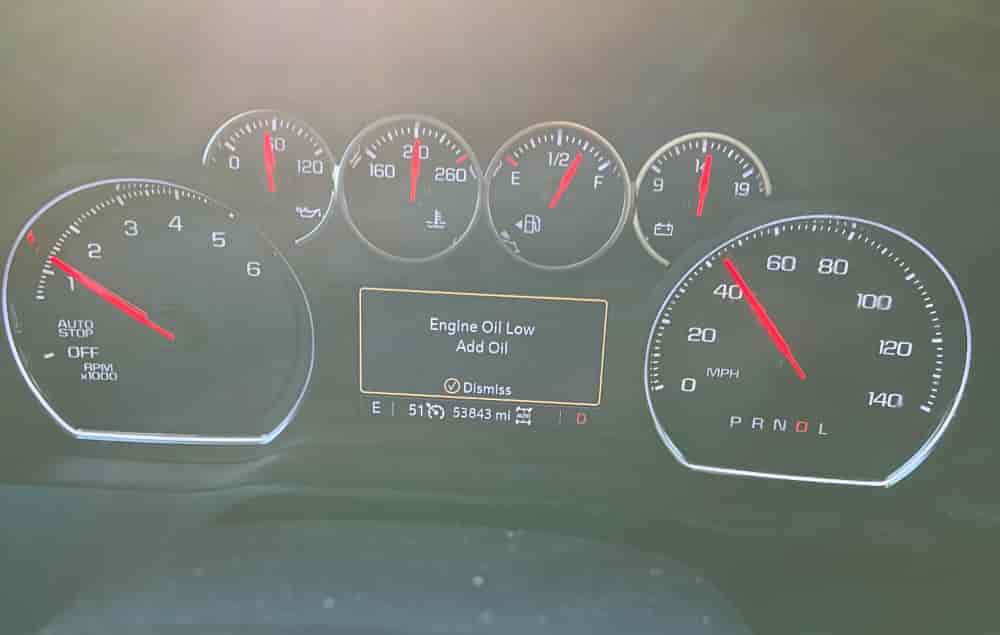
Have you ever noticed the “Engine Oil Low” warning on your Chevy dashboard and felt unsure what steps to take next? This warning is not something to ignore because low engine oil can cause serious damage to your engine and lead to costly repairs. Maintaining the correct oil level is essential for keeping your Chevy running smoothly and ensuring its longevity. Many drivers underestimate how important it is to respond quickly when the dashboard signals that oil needs to be added. Knowing how to properly check and refill engine oil can save you time, money, and potential stress on your vehicle.
This guide will walk you through everything you need to know about the “Chevy engine oil low add oil” warning. You will learn how to accurately check your oil level, the tools you need, and the safest methods to top up without overfilling or using the wrong type of oil. By following these step-by-step instructions, even beginners can handle engine maintenance confidently. Acting promptly when your Chevy signals low oil helps protect your engine, improves performance, and gives you peace of mind every time you drive. This guide makes it simple, effective, and practical for all Chevy owners.
Contents
Understanding the “Engine Oil Low” Warning
When your Chevy dashboard displays the “Engine Oil Low” warning, it is alerting you that your engine’s oil level has dropped below the recommended range. This warning should never be ignored because engine oil is essential for lubricating moving parts, reducing friction, and preventing overheating. Running your vehicle with insufficient oil can quickly cause serious engine damage, which may lead to costly repairs or even complete engine failure. Understanding this warning and taking prompt action is crucial for protecting your Chevy and ensuring it continues to perform reliably.
There are several common reasons why your Chevy may trigger the “Chevy engine oil low add oil” message. One possibility is natural oil consumption over time, especially in high-mileage vehicles or cars frequently used for long trips. Another cause could be minor leaks from gaskets, seals, or the oil pan. Occasionally, a faulty oil sensor may trigger a false alert, so it is always important to manually check the oil level before proceeding. Being aware of these causes helps you determine whether the warning requires immediate action or professional inspection. Regularly monitoring your oil and responding quickly to alerts ensures your engine stays properly lubricated and reduces the risk of unexpected breakdowns.
Tools You Need to Add Oil Safely
Before you start topping up your engine oil, it is important to have the right tools on hand. Using the correct equipment ensures that you can refill your Chevy safely without making a mess or causing damage. The most basic tool you will need is a dipstick, which allows you to accurately measure the oil level in your engine. A clean, lint-free cloth is also essential for wiping the dipstick before taking a reading. Additionally, a funnel helps guide the oil into the engine smoothly and prevents spills that could harm other components or create a fire hazard.
Choosing the correct type of engine oil for your specific Chevy model is equally important. Using the wrong oil can affect engine performance and, over time, lead to increased wear or damage. Refer to your owner’s manual to determine the recommended viscosity and oil grade. Many drivers prefer high-quality synthetic oils for their superior lubrication and longer intervals between changes, but conventional oils can also be suitable depending on your vehicle’s age and usage. Having these tools and the correct oil on hand before you begin ensures a smooth and safe top-up process. By preparing properly, you reduce the risk of overfilling, using the wrong oil type, or making other common mistakes that can compromise engine health.
Step-by-Step Guide to Check Oil Level
Checking your Chevy’s engine oil level is a simple but essential process that ensures your vehicle runs smoothly and avoids damage. Start by parking your car on a level surface and turning off the engine. It is important to wait for at least five to ten minutes after turning off the engine to allow the oil to settle. This ensures that your reading will be accurate and reflects the true oil level.
Next, locate the dipstick, which is usually marked with a bright handle for easy identification. Pull the dipstick out and wipe it clean with a lint-free cloth. Reinsert the dipstick fully into its tube and then remove it again to check the oil level. The dipstick will have markings indicating the minimum and maximum levels. If the oil falls below the recommended range, it is time to add oil immediately. Pay attention not only to the level but also to the oil’s color and consistency. Dark, gritty oil may indicate that a full change is needed rather than just a top-up. Following this step-by-step approach ensures that you respond appropriately to the “Chevy engine oil low add oil” warning and keep your engine properly lubricated for optimal performance.
How to Add Oil Without Overfilling
Adding oil to your Chevy requires precision to avoid overfilling, which can cause engine damage or reduce performance. Start by selecting the correct type and grade of oil recommended for your specific Chevy model. Using a funnel can help direct the oil smoothly into the engine and prevent spills that might harm surrounding components or create hazards. Pour the oil slowly and in small increments rather than all at once. This allows you to monitor the level accurately and make adjustments as needed.
After adding a small amount, wait a few minutes and then recheck the oil level using the dipstick. Compare the reading with the minimum and maximum marks to ensure it falls within the recommended range. Repeat this process as necessary until the proper level is reached. Avoid guessing or assuming the oil is enough, as overfilling can create excessive pressure in the engine, lead to leaks, or cause foaming of the oil. By carefully adding oil step by step and verifying the level frequently, you can safely respond to the “Chevy engine oil low add oil” warning and keep your engine running smoothly without any risk of damage.
Emergency Tips When Driving with Low Oil
If the “Chevy engine oil low add oil” warning appears while you are driving, it is crucial to act quickly to prevent serious engine damage. First, reduce your speed and avoid hard acceleration or high engine RPMs. Continuing to drive aggressively with low oil can lead to overheating and significant internal damage. Look for a safe place to pull over, such as a parking lot or rest area, where you can check the oil level and assess the situation.
Once parked safely, turn off the engine and allow it to cool for a few minutes before opening the hood. Use a dipstick to verify the oil level and add oil if available. If you do not have the proper oil on hand or the level is critically low, contact roadside assistance or a professional mechanic rather than continuing to drive. Acting quickly and calmly in this situation can prevent catastrophic engine failure and save you from expensive repairs. Following these emergency steps ensures that your Chevy stays protected even when faced with unexpected low oil warnings on the road.
Common Mistakes to Avoid
Even experienced Chevy owners can make mistakes when topping up engine oil, and these errors can have serious consequences. One of the most common mistakes is adding the wrong type or grade of oil. Using an incorrect oil can affect engine performance, increase wear, and even void your warranty. Always check your owner’s manual to ensure you are using the recommended oil for your specific Chevy model.
Another frequent error is overfilling the engine. Pouring too much oil can create excessive pressure, lead to leaks, and cause foaming that reduces lubrication efficiency. Failing to recheck the oil level after topping up is also a major mistake. Taking the time to verify the level ensures that your engine is properly lubricated without risking damage. By avoiding these common mistakes, you can respond effectively to the “Chevy engine oil low add oil” warning and keep your vehicle running smoothly. Following these best practices protects your engine, enhances performance, and gives you confidence every time you drive.
Conclusion
Maintaining the correct engine oil level is one of the simplest yet most important ways to protect your Chevy. Responding promptly to the “Chevy engine oil low add oil” warning can prevent serious engine damage, reduce repair costs, and ensure your vehicle continues to perform at its best. By understanding what the warning means, using the right tools, checking your oil accurately, and adding it carefully without overfilling, you can keep your engine properly lubricated and reliable.
Avoiding common mistakes such as using the wrong type of oil, overfilling, or failing to recheck the level further ensures that your Chevy remains safe on the road. Regular maintenance and awareness of your engine’s needs give you peace of mind and extend the life of your vehicle. Have you ever faced the “Chevy engine oil low add oil” warning? Taking the right steps in response can make all the difference, and sharing your experience may help other Chevy owners handle this common situation safely and effectively.