For anyone considering a Chevy truck or SUV, one of the most common questions is how long the 5.3 V8 engine can reliably run. Understanding the Chevy 5.3 engine life expectancy is essential for both new buyers and owners of used vehicles. Knowing what to expect can save thousands of dollars in maintenance and prevent unexpected breakdowns.
Many drivers worry about high-mileage engines and whether they can handle heavy towing, daily commuting, or long road trips without major issues. Real-world experiences show that with proper care, a Chevy 5.3 engine can often surpass 200,000 miles and sometimes even reach 300,000 miles. However, the lifespan depends on factors such as maintenance habits, driving style, and environmental conditions.
This article will explore the average mileage you can expect from a 5.3 V8 engine, the common problems that may reduce its life, and the maintenance strategies that help extend performance. By understanding these elements, owners can make informed decisions, protect their investment, and enjoy the reliability that has made Chevy engines a popular choice for decades. Learning how to care for a 5.3 V8 effectively is the key to maximizing its life expectancy and maintaining consistent performance on the road.
Contents
Average Mileage and Expected Lifespan of the Chevy 5.3 Engine
The Chevy 5.3 engine has earned a reputation for being one of the more reliable V8 engines in the General Motors lineup. Many owners report that with proper maintenance, this engine can easily reach 200,000 miles without major issues. Some well-maintained examples have even surpassed 300,000 miles, proving that the Chevy 5.3 engine life expectancy is impressive when cared for correctly. Understanding the typical mileage range helps potential buyers and current owners set realistic expectations and plan maintenance schedules.
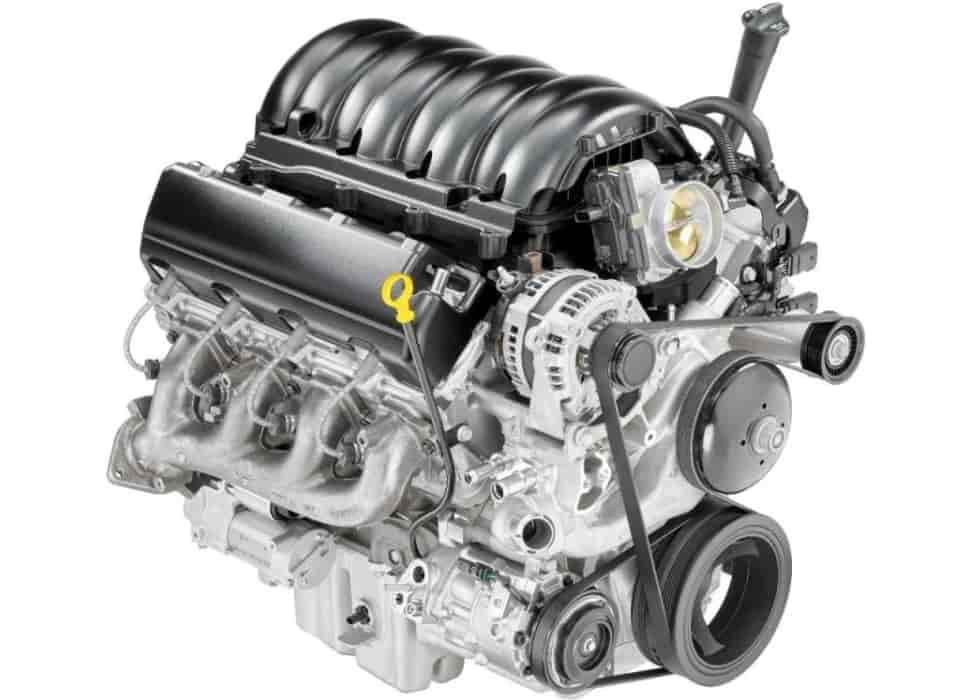
Different versions of the 5.3 engine, such as the Vortec and EcoTec3, offer slight variations in longevity. The Vortec 5.3, used in older models, is known for its durability under moderate use, while the newer EcoTec3 engines include advanced technology aimed at improving efficiency without compromising reliability. Despite these differences, the core engineering ensures that both versions provide long-lasting performance when owners follow proper service intervals.
Several factors influence the actual lifespan of a Chevy 5.3 engine. Regular oil changes using high-quality synthetic oil, avoiding extended high-RPM driving, and limiting heavy towing beyond recommended capacities can significantly extend the engine’s life. Environmental conditions also play a role, with extreme heat or cold potentially increasing wear if proper precautions are not taken. By understanding these variables and maintaining consistent care, owners can maximize the Chevy 5.3 engine life expectancy and enjoy decades of dependable performance.
Common Issues That Affect the Longevity of the Chevy 5.3 Engine
The Chevy 5.3 engine is reliable, but some issues can shorten its lifespan if drivers ignore them. One common problem is lifter tick, a noise that occurs when the hydraulic lifters do not get enough lubrication. Irregular oil changes or using low-quality oil often cause this issue. Ignoring lifter tick can lead to serious engine damage over time.
Timing chain and cam phasers also affect engine longevity. Worn or failing components disrupt engine timing and reduce performance. High-mileage engines face this problem more frequently, so owners should inspect them regularly. Spark plug wear and occasional head gasket leaks can also reduce engine life if not addressed quickly.
Heavy towing and aggressive driving can put extra stress on the 5.3 V8. Exceeding the manufacturer’s recommended towing limits or running the engine at high RPMs speeds up wear on critical parts. Harsh environmental conditions, like extreme heat or dust, can worsen the situation if drivers do not take precautions.
Owners who recognize these issues early can take action to protect their engine. Regular inspections, using quality oil, and listening for warning signs help extend the Chevy 5.3 engine life expectancy. Staying proactive allows drivers to enjoy dependable performance for hundreds of thousands of miles.
Maintenance Tips to Extend the Life of the Chevy 5.3 Engine
Proper maintenance plays a key role in maximizing the Chevy 5.3 engine life expectancy. Regular oil changes using high-quality synthetic oil keep the engine lubricated and prevent premature wear. Drivers should follow the manufacturer’s recommended service intervals and avoid extending periods between oil changes.
Monitoring fluid levels also protects the engine. Checking coolant, transmission fluid, and brake fluid regularly prevents overheating and mechanical strain. Replacing worn-out filters, such as oil and air filters, helps the engine run efficiently and avoids unnecessary stress on internal components.
Towing and driving habits significantly affect engine longevity. Drivers should avoid exceeding the recommended towing capacity and limit high-RPM driving. Gentle acceleration and smooth braking reduce stress on the engine and improve overall durability.
Using the correct fuel type contributes to a longer engine life. Filling the tank with recommended octane fuel and avoiding low-quality or contaminated gasoline prevents knocking and keeps the combustion process clean. Additionally, periodic inspections by a qualified mechanic can catch minor issues before they become major problems.
By combining these practices, owners can extend the life of their Chevy 5.3 engine and maintain consistent performance. Attention to detail in daily use and scheduled maintenance allows drivers to enjoy hundreds of thousands of miles of reliable driving. Understanding and applying these tips helps protect the engine and ensures that it continues to perform at its best for many years.
Signs Your Chevy 5.3 Might Be Failing
Even reliable engines like the Chevy 5.3 can show signs of wear as mileage increases. Recognizing these warning signs early helps owners take action before damage becomes severe. One common sign is unusual engine noises, such as ticking or knocking, which can indicate lifter or cam issues. Paying attention to these sounds can prevent expensive repairs.
Excessive oil consumption or frequent need to top off oil also signals potential problems. Drivers should monitor oil levels regularly and watch for leaks or burning oil. Overheating is another critical warning. If the engine temperature rises beyond normal limits, it can stress components and reduce overall engine life.
Rough idle and decreased performance may indicate internal wear or failing spark plugs. Hesitation, misfires, or reduced fuel efficiency can alert owners to underlying issues. Some engines may develop small coolant leaks or gasket problems, which require prompt attention to prevent more serious failures.
High-mileage 5.3 engines may eventually need a rebuild or replacement if signs persist despite proper maintenance. Owners should consider professional inspections when multiple warning signs appear. Catching issues early allows drivers to maintain the Chevy 5.3 engine life expectancy and avoid costly downtime. Regularly listening to the engine, monitoring fluids, and scheduling inspections keeps the engine running reliably for hundreds of thousands of miles.
Conclusion
The Chevy 5.3 engine has proven itself as a reliable and durable choice for trucks and SUVs when owners pay attention to maintenance and driving habits. Understanding the Chevy 5.3 engine life expectancy helps drivers make informed decisions about purchases, repairs, and care routines. Engines that receive regular oil changes, proper fluid checks, and timely inspections can often exceed 200,000 miles, and some even reach 300,000 miles or more.
Awareness of common issues, such as lifter tick, timing chain wear, and spark plug problems, allows owners to address them before they escalate. Following recommended towing limits, avoiding high-RPM abuse, and using quality fuel contribute significantly to engine longevity. Observing early warning signs like unusual noises, rough idling, or overheating ensures timely action and protects the engine from severe damage.
By combining preventive maintenance, careful driving, and attention to warning signs, drivers can maximize the life of their Chevy 5.3 engine. Taking these steps not only preserves performance but also safeguards the investment in the vehicle. Owners who actively care for their engine enjoy long-lasting reliability, peace of mind, and consistent performance. Understanding and applying these practices is key to achieving the full potential of the Chevy 5.3 engine life expectancy.