Oil leaks often frustrate Chevy 5.3 owners, especially those who rely on their trucks every day. A small oil spot under your vehicle may not seem serious at first. However, it can quickly turn into a bigger issue if you ignore it. Over time, leaks can reduce engine performance and lead to expensive repairs.
Many drivers do not notice early signs of engine oil leaks. Others choose to delay fixing them to save money. Unfortunately, this decision often creates more damage in the long run. The Chevy 5.3 engine is reliable, but its gaskets and seals wear out as mileage increases.
Understanding Chevy 5.3 common oil leaks helps you take control of the problem early. You can identify warning signs, locate the source, and apply the right fix before the damage spreads. In this complete guide, you will learn the causes, symptoms, and proven fixes for Chevy 5.3 common oil leaks. This knowledge will help you protect your engine and avoid unnecessary repair costs.
Contents
What Are the Most Common Oil Leaks in the Chevy 5.3 Engine?
The Chevy 5.3 engine is known for its durability and long lifespan. However, like any engine, it develops oil leaks over time. Most leaks come from worn gaskets, failing seals, or pressure related issues. Identifying the exact source is the first step toward fixing the problem.
Below are the most common Chevy 5.3 common oil leaks that owners encounter.
Valve Cover Gasket Leak
The valve cover gasket is one of the most frequent sources of oil leaks. It sits on top of the engine and seals the valve cover to prevent oil from escaping. Over time, heat causes the gasket to harden and crack.
When this happens, oil begins to seep out and collect around the engine. You may notice a burning oil smell or oil residue near the top of the engine. In some cases, oil can drip onto hot components, which increases the risk of smoke.
This issue is common in high mileage Chevy 5.3 engines. Fortunately, it is also one of the easiest and most affordable fixes.
Oil Pan Gasket Leak
The oil pan gasket seals the bottom of the engine where the oil pan stores engine oil. As the engine ages, this gasket can wear out due to constant heat cycles and vibration.
A failing oil pan gasket often causes oil to drip directly onto the ground. You will usually see oil spots under your vehicle after parking. This type of leak can worsen quickly if left untreated.
Repairing an oil pan gasket leak is more complex than a valve cover gasket. It often requires lifting the vehicle and removing several components. This increases labor time and cost.
Rear Main Seal Leak
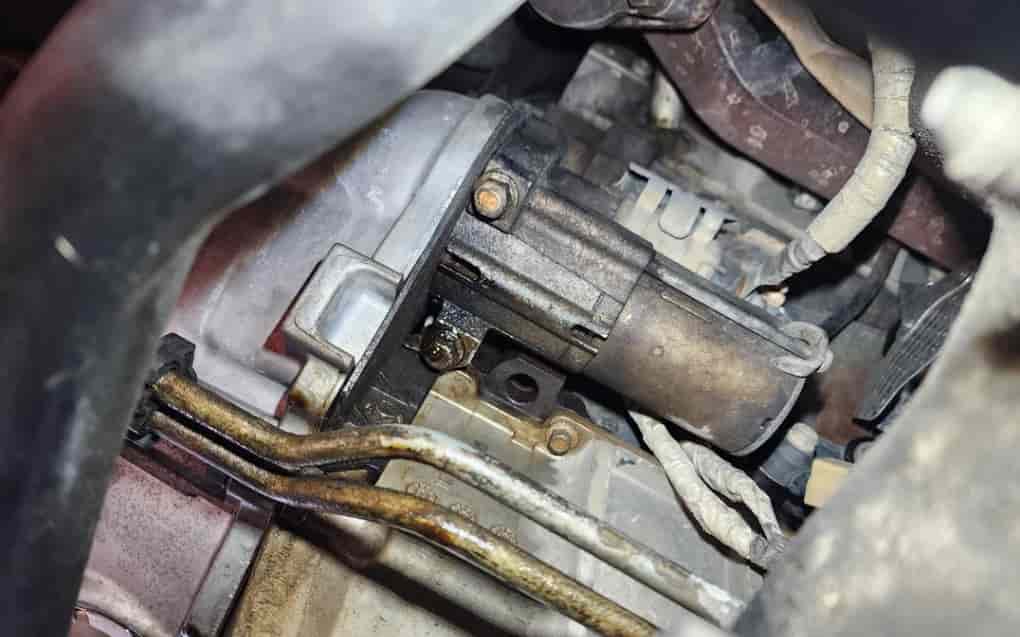
The rear main seal plays a critical role in keeping oil inside the engine. It sits between the engine and transmission. When this seal fails, oil leaks from the back of the engine.
This is one of the most serious Chevy 5.3 common oil leaks. It is difficult to access and expensive to repair. In many cases, mechanics need to remove the transmission to replace the seal.
Drivers often notice oil dripping from the rear of the engine or between the engine and transmission. Ignoring this issue can lead to significant oil loss and engine damage.
Oil Pressure Sensor Leak
The oil pressure sensor monitors engine oil pressure and sends data to the dashboard. In the Chevy 5.3 engine, this sensor can also become a leak point.
Over time, the sensor may crack or its seal may fail. When this happens, oil leaks around the sensor housing. This leak often appears near the top rear of the engine.
Many drivers confuse this issue with a rear main seal leak. Proper inspection helps you avoid unnecessary repair costs.
Symptoms of Chevy 5.3 Common Oil Leaks
Chevy 5.3 common oil leaks usually develop over time rather than appearing suddenly. The main cause often comes from gasket wear due to constant exposure to high engine temperatures. As the engine runs, heat cycles cause gaskets and seals to harden and lose flexibility. Once this happens, small cracks form and allow oil to escape. High mileage also plays a major role in this process. As the engine ages, internal components experience more stress, and seals begin to shrink, creating gaps where oil can leak. Poor maintenance further accelerates the problem. When drivers delay oil changes or use low quality oil, contaminants build up and increase engine wear. This leads to faster deterioration of critical sealing components. In some cases, excess crankcase pressure can push oil past seals if the ventilation system does not function properly.
These underlying causes often lead to noticeable symptoms that drivers should not ignore. One of the earliest signs is oil spots under the vehicle after parking. A burning oil smell may also appear when leaking oil touches hot engine parts. Drivers may also notice a drop in oil levels, which requires frequent refilling. In many cases, visible oil residue forms around the valve cover, oil pan, or rear engine area. Identifying these symptoms early helps prevent further damage and reduces repair costs.
How to Diagnose and Fix Chevy 5.3 Common Oil Leaks
Diagnosing Chevy 5.3 common oil leaks requires a clear and methodical approach. Start with a visual inspection of the engine. Look for wet or greasy areas around common leak points such as the valve cover, oil pan, and rear engine section. Dirt often sticks to leaking oil, which makes the affected area easier to identify. Cleaning the engine before inspection can improve accuracy and help you locate fresh leaks faster. In more difficult cases, using a UV dye kit allows you to trace the exact source of the leak with precision. This method is especially useful when multiple leaks are present.
Once you identify the source, applying the correct fix becomes much easier. Replacing a valve cover gasket is usually a simple and affordable repair that most DIY users can handle. Oil pan gasket repairs require more effort, as you may need to lift the vehicle and remove surrounding components. Rear main seal leaks are more complex and often require professional service due to the need to access the transmission area. If the issue comes from an oil pressure sensor, replacing the sensor typically resolves the leak quickly. Addressing the problem early not only prevents further oil loss but also protects the engine from long term damage and costly repairs.
Repair Costs and Prevention Tips for Chevy 5.3 Oil Leaks
The cost of fixing Chevy 5.3 common oil leaks depends on the source of the problem and the level of damage. Simple repairs such as replacing a valve cover gasket are relatively affordable and often cost between 50 to 150 dollars if you do it yourself. However, more complex issues like oil pan gasket leaks can increase costs due to additional labor. In professional repair shops, this job may range from 300 to 800 dollars depending on the vehicle setup. Rear main seal repairs are the most expensive because they require removing major components such as the transmission. This type of repair can easily exceed 1000 dollars. Understanding these cost differences helps you decide whether to fix the issue early or risk more expensive damage later.
Preventing oil leaks is always more cost effective than repairing them. Regular oil changes using high quality engine oil help maintain proper lubrication and reduce wear on seals. Routine inspection of engine components allows you to catch small leaks before they become serious. Maintaining a healthy crankcase ventilation system also prevents pressure buildup that can force oil out of weak points. By following these simple practices, you can extend the lifespan of your Chevy 5.3 engine and reduce the risk of recurring oil leaks.
Conclusion
Chevy 5.3 common oil leaks may seem like a minor issue at first, but they often signal deeper problems inside the engine. Ignoring these leaks can lead to reduced performance, higher fuel consumption, and costly repairs over time. By understanding the common causes, recognizing early symptoms, and applying the right fixes, you can prevent small issues from turning into major engine damage.
A proactive approach always delivers better results. Regular maintenance, timely inspections, and the use of quality engine oil help extend the life of critical components such as gaskets and seals. When you address Chevy 5.3 common oil leaks early, you not only save money but also ensure your vehicle runs smoothly and reliably.
If you notice any signs of oil leaks, take action as soon as possible. Inspect your engine, identify the source, and choose the appropriate repair method. Whether you handle the repair yourself or visit a professional, early intervention is the key to protecting your investment. Stay consistent with maintenance, and your Chevy 5.3 engine will continue to perform at its best for years to come.