Is a turbocharged four cylinder truck engine reliable enough to replace a traditional V8? This question is becoming more common as more drivers consider modern engine options. In fact, Chevrolet made a bold move by introducing the 2.7L Turbo into its full size trucks. As a result, many buyers are now curious about its long term durability.
At first glance, the performance looks impressive. The engine delivers strong torque and better fuel efficiency than larger V8 options. However, reliability is what truly matters in real world use. Most truck owners want an engine they can depend on every day. They also want to avoid unexpected repair costs and long term issues.
On the other hand, turbocharged engines often raise concerns. For example, higher pressure and heat can lead to faster wear if not maintained properly. In addition, some drivers worry about carbon buildup and turbo failure over time. Because of this, many people still hesitate to trust a smaller engine in a full size truck.
In this guide, we will explore Chevy 2.7 Turbo reliability in detail. Specifically, we will break down common problems, expected lifespan, and long term performance. So, if you are thinking about buying this engine, this article will help you make a confident decision.
Contents
- What Is the Chevy 2.7L Turbo Engine?
- Chevy 2.7 Turbo Reliability Overview
- Common Problems with Chevy 2.7 Turbo
- How Long Does the Chevy 2.7 Turbo Engine Last?
- Long Term Performance and Durability
- Maintenance Costs and Ownership Experience
- Chevy 2.7 Turbo vs V8 Reliability
- Is the Chevy 2.7 Turbo Reliable Enough to Buy
- Conclusion
What Is the Chevy 2.7L Turbo Engine?
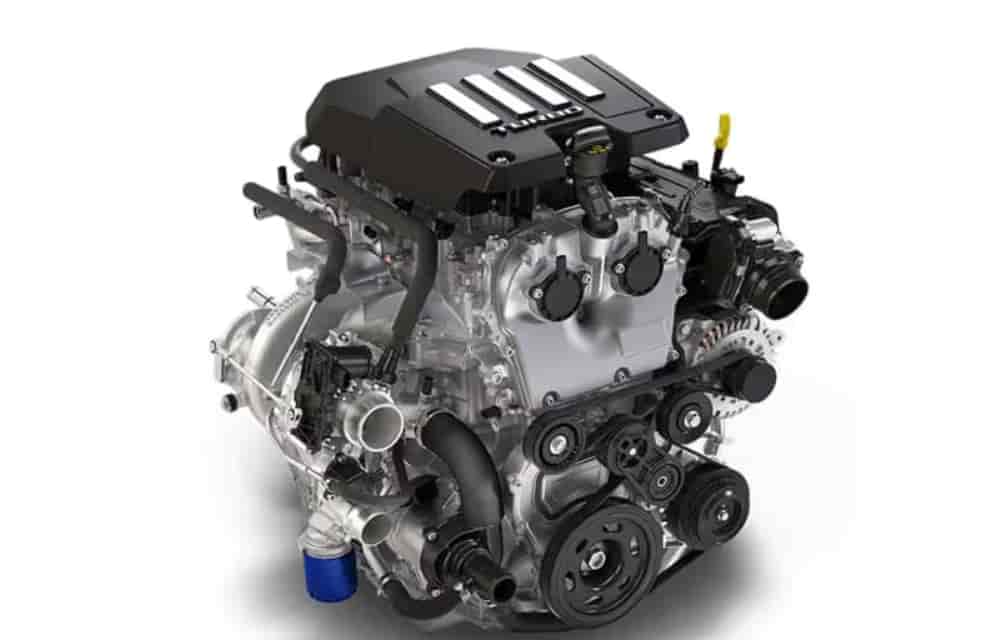
The Chevy 2.7L Turbo engine is a modern inline four cylinder engine designed for full size trucks. It was first introduced as part of Chevrolet’s effort to improve fuel efficiency without sacrificing performance. Unlike traditional V8 engines, this engine uses a turbocharger to deliver strong power from a smaller displacement.
In terms of design, the 2.7L Turbo focuses on high output and efficiency. It produces impressive horsepower and torque for its size. More importantly, it delivers peak torque at low RPM. As a result, drivers can experience strong acceleration and smooth driving, especially in city conditions or light towing situations.
Another key feature is its advanced engineering. The engine includes direct fuel injection, variable valve timing, and an active thermal management system. These technologies help optimize combustion and reduce energy loss. In addition, they contribute to better fuel economy compared to larger engines.
However, the biggest reason Chevrolet developed this engine is the shift in market demand. Today, buyers expect trucks to be both powerful and efficient. Therefore, automakers are moving toward smaller turbocharged engines that can meet stricter emission standards while still delivering solid performance.
Even so, this design comes with trade offs. A turbocharged engine operates under higher pressure and heat. Because of that, it requires proper maintenance to ensure long term reliability. This is exactly why many buyers are questioning Chevy 2.7 Turbo reliability before making a purchase decision.
Chevy 2.7 Turbo Reliability Overview
When evaluating Chevy 2.7 Turbo reliability, it is important to look at both performance and long term durability. At first glance, this engine delivers strong results. It offers excellent low end torque, smooth acceleration, and better fuel efficiency than many V8 alternatives. Because of this, it performs well in daily driving and light duty tasks.
However, reliability is not only about how an engine performs when it is new. It also depends on how well it holds up over time. In this case, the 2.7L Turbo is still considered relatively new compared to traditional V8 engines. Therefore, long term data is more limited. Even so, early reports from owners and mechanics suggest that the engine is generally reliable when properly maintained.
One clear advantage is its modern engineering. Advanced systems help reduce internal stress and improve efficiency. As a result, the engine can operate smoothly under normal conditions. In addition, the strong torque output at low RPM means the engine does not need to work as hard in everyday driving.
On the other hand, turbocharged engines are naturally more complex. They include additional components such as the turbocharger, intercooler, and high pressure fuel systems. Because of this, there are more potential points of failure compared to naturally aspirated engines. If maintenance is neglected, issues can develop faster.
Overall, Chevy 2.7 Turbo reliability can be described as solid but maintenance dependent. It may not yet match the proven durability of older V8 engines. However, it offers a strong balance between performance, efficiency, and reliability for modern drivers.
Common Problems with Chevy 2.7 Turbo
Even though the engine performs well overall, understanding common issues is essential when evaluating Chevy 2.7 Turbo reliability. Like any modern turbocharged engine, it has a few weak points that owners should be aware of. Most of these problems are not widespread failures. However, they can become serious if maintenance is ignored.
One of the most discussed concerns is turbo related wear. The turbocharger operates under high heat and pressure. Over time, this can lead to reduced efficiency or premature wear. For example, poor oil quality or delayed oil changes can damage the turbo components. As a result, drivers may notice reduced power or unusual noises.
In addition, carbon buildup is another common issue. Because the engine uses direct injection, fuel does not wash over the intake valves. Therefore, carbon deposits can accumulate over time. This may lead to rough idling or reduced performance if not cleaned periodically.
Fuel system issues have also been reported in some cases. High pressure fuel injectors can wear out or become clogged. When this happens, the engine may experience misfires or reduced efficiency. Although this is not extremely common, it is still something owners should monitor.
Another point to consider is the transmission pairing. Some drivers have noted rough shifting or hesitation, especially in earlier models. While this is not directly an engine problem, it can affect the overall driving experience and perceived reliability.
Overall, these issues do not necessarily mean the engine is unreliable. Instead, they highlight the importance of proper maintenance and driving habits. If the engine is well maintained, most of these problems can be minimized or avoided entirely.
How Long Does the Chevy 2.7 Turbo Engine Last?
One of the most important questions for buyers is how long this engine can actually last. When discussing Chevy 2.7 Turbo reliability, lifespan plays a key role in the final decision. While the engine is still relatively new, early data and engineering expectations provide a clear picture.
In general, the Chevy 2.7L Turbo engine is expected to last between 150000 and 200000 miles with proper maintenance. This range is similar to many modern turbocharged engines. However, actual lifespan depends heavily on how the vehicle is used and maintained over time.
Driving habits make a big difference. For example, aggressive acceleration and frequent heavy towing can increase engine stress. As a result, components such as the turbocharger may wear out faster. On the other hand, smooth driving and proper warm up routines can help extend engine life significantly.
Maintenance is even more critical. Regular oil changes using high quality oil are essential for protecting the turbo system. In addition, keeping up with service intervals helps prevent carbon buildup and fuel system issues. Because of this, owners who follow maintenance schedules closely often report better long term reliability.
When compared to traditional V8 engines, the lifespan may be slightly lower in extreme conditions. However, the difference is not as large as many people expect. In fact, with proper care, the 2.7 Turbo can deliver consistent performance well beyond 100000 miles.
Overall, Chevy 2.7 Turbo reliability in terms of lifespan is solid for a modern engine. It may not be the most durable option ever built. However, it is more than capable of meeting the needs of most drivers when treated correctly.
Long Term Performance and Durability
Long term performance is a critical factor when evaluating Chevy 2.7 Turbo reliability. An engine may feel strong when new. However, the real test comes after years of driving under different conditions. In this case, the 2.7L Turbo shows promising results, especially when it is properly maintained.
Over time, most drivers report stable performance. The engine continues to deliver strong low end torque, which is useful for daily driving and light towing. In addition, acceleration remains smooth even after higher mileage. This consistency is one of the key strengths of the engine.
However, turbocharged systems face more stress than naturally aspirated engines. Heat and pressure build up inside the turbo unit during operation. As a result, components such as seals and bearings may wear out faster if the engine is pushed too hard. Therefore, cooling habits and oil quality play an important role in long term durability.
Another factor to consider is performance under load. The 2.7 Turbo can handle moderate towing without major issues. On the other hand, continuous heavy duty towing may reduce its lifespan over time. Because of this, the engine is better suited for light to medium workloads rather than extreme use.
In real world conditions, the engine does not show significant power loss when maintained correctly. Many owners report that it performs reliably even after extended use. Still, neglecting maintenance can lead to gradual performance decline.
Overall, Chevy 2.7 Turbo reliability in long term performance is solid but conditional. The engine can remain strong and efficient for years. However, its durability depends heavily on how it is used and maintained.
Maintenance Costs and Ownership Experience
Maintenance cost is one of the biggest concerns when discussing Chevy 2.7 Turbo reliability. Many buyers are attracted by the fuel efficiency. However, they also worry about long term expenses, especially when it comes to turbocharged components.
In general, routine maintenance for the 2.7L Turbo is quite reasonable. Regular oil changes, air filter replacements, and basic servicing are similar in cost to other modern engines. In fact, because the engine uses less fuel than a V8, owners can save money over time during daily driving.
However, things can become more expensive when major components are involved. The turbocharger is the most important part to watch. If it fails, replacement costs can be significantly higher than traditional engine repairs. In addition, high pressure fuel system components may also require more expensive servicing.
Another factor is maintenance frequency. Turbo engines often require stricter oil change intervals. This is because clean oil is essential for protecting the turbo system. Therefore, skipping maintenance can quickly lead to higher repair costs in the future.
From an ownership perspective, many drivers report a positive experience. They enjoy the balance between power and efficiency. At the same time, some owners remain cautious about long term reliability due to the complexity of the engine.
Overall, Chevy 2.7 Turbo reliability in terms of ownership cost is balanced. You may save money on fuel. However, you need to stay consistent with maintenance to avoid expensive repairs later.
Chevy 2.7 Turbo vs V8 Reliability
Comparing the Chevy 2.7 Turbo to a traditional V8 engine helps put reliability into perspective. V8 engines are known for their proven durability. They have fewer components under high stress and a long history of dependable performance. Many drivers trust V8s for heavy towing and extended use because they can handle higher loads without excessive wear.
On the other hand, the 2.7L Turbo is more modern and efficient. It delivers strong torque at low RPM and better fuel economy. However, it is naturally more complex due to the turbo system, high pressure fuel system, and advanced electronics. These additional components introduce more potential points of failure. Proper maintenance is essential to prevent issues and preserve long term performance.
Despite these differences, the 2.7 Turbo holds its own under normal conditions. For daily driving, moderate towing, and light duty tasks, it provides reliable performance comparable to a V8. Many owners report that the engine remains smooth and responsive even after high mileage. It is also easier on fuel, which can offset some maintenance concerns over time.
Ultimately, the choice comes down to priorities. If maximum durability and heavy duty use are the main goals, a V8 may be preferable. If efficiency, modern performance, and balanced reliability are more important, the 2.7 Turbo offers a strong alternative. Understanding these trade offs helps buyers make informed decisions about which engine best fits their needs.
Is the Chevy 2.7 Turbo Reliable Enough to Buy
When considering a purchase, many drivers ask whether the Chevy 2.7 Turbo is reliable enough for daily use. The answer depends on how the vehicle will be used and how well it is maintained. For most drivers, this engine provides a strong balance of performance, efficiency, and durability.
For daily commuting and moderate towing, the 2.7 Turbo performs exceptionally well. It delivers smooth acceleration, responsive torque, and consistent fuel efficiency. Owners who follow the recommended maintenance schedule generally report few issues and a dependable driving experience over time.
However, drivers who plan to use their trucks for heavy duty towing or extreme workloads should exercise caution. The turbo system operates under higher stress than a naturally aspirated V8, and prolonged heavy use can accelerate wear. In these situations, a V8 engine may still offer a more durable solution.
It is also important to consider ownership habits. Regular oil changes, using high quality oil, and following service intervals are essential for maintaining reliability. Neglecting these aspects can lead to turbo wear, carbon buildup, or fuel system problems, which may become costly to repair.
Overall, Chevy 2.7 Turbo reliability is solid for most buyers. It may not have the decades of proven history of a V8, but with proper care, it can serve as a dependable and efficient engine for years. Understanding your usage patterns and committing to maintenance ensures the best long term experience.
Conclusion
Chevy 2.7 Turbo reliability can be described as solid, modern, and maintenance dependent. The engine offers impressive low end torque, smooth performance, and better fuel efficiency compared to traditional V8 options. For daily driving, light towing, and moderate workloads, it provides a dependable experience that satisfies most truck owners.
However, this engine is more complex than naturally aspirated V8s. The turbocharger, high pressure fuel system, and advanced electronics require proper care to maintain long term performance. Skipping maintenance or pushing the engine beyond recommended limits can accelerate wear and lead to costly repairs. Therefore, understanding and following service schedules is essential for preserving reliability.
When comparing to V8 engines, the 2.7 Turbo offers a modern alternative that balances efficiency and performance. While it may not have decades of proven durability, it is fully capable of delivering consistent results when treated properly. For drivers who prioritize fuel economy without sacrificing power, it is a practical and reliable choice.
In summary, Chevy 2.7 Turbo reliability is sufficient for most buyers. With proper maintenance, attention to driving habits, and awareness of its turbocharged nature, this engine can provide years of dependable performance. If you are considering a Silverado with the 2.7 Turbo, understanding these factors will help you make an informed and confident decision.