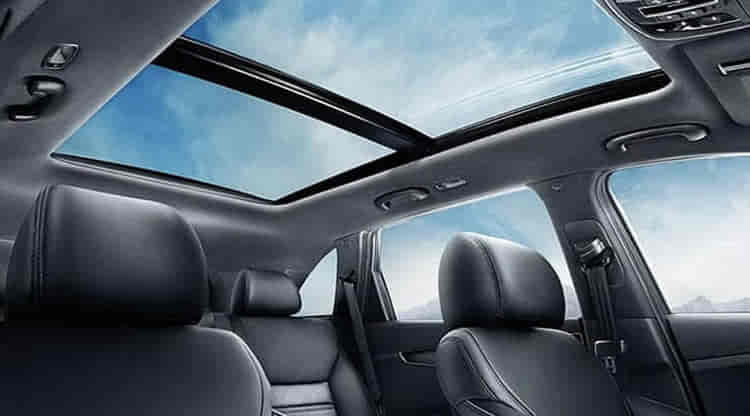
BMW sunroof repair involves diagnosing and fixing mechanical, electrical, or sealing problems that prevent the sunroof system from opening, closing, tilting, or protecting the cabin from water intrusion. The BMW sunroof system combines multiple components, including the glass panel, motor, sliding tracks, control module, seals, and drainage channels, which must work together for proper operation.
Unlike a simple manually operated roof panel, modern BMW sunroofs use electric motors, position sensors, and control systems to provide automatic opening and closing functions. This technology improves convenience but also creates more potential failure points when components wear out or electrical problems occur.
Common BMW sunroof problems include a roof panel that becomes stuck, a motor that stops responding, unusual operating noises, water leaks, and misalignment of the glass panel. These issues can appear across different BMW models, including sedans such as the 3 Series and 5 Series, as well as SUVs equipped with panoramic sunroof systems.
A malfunctioning sunroof is not only a comfort issue. Water leaks caused by blocked drains or damaged seals can lead to interior damage, electrical problems, and mold growth if they are ignored for an extended period.
Understanding how the BMW sunroof system works helps identify whether the problem comes from the motor, mechanical components, drainage system, or electrical controls. Proper diagnosis is important because replacing parts without finding the actual cause can increase repair costs unnecessarily.
This guide explains the most common BMW sunroof problems, their causes, repair methods, costs, and maintenance practices that help prevent future failures.
What Are the Most Common BMW Sunroof Problems?
The most common BMW sunroof problems are related to motor failure, mechanical track issues, drainage problems, electrical faults, and sealing failures. Because the BMW sunroof system combines moving mechanical components with electronic controls, a failure in one part can affect the entire operation of the roof panel.
One common issue is a sunroof that does not open or close correctly. This problem often occurs when the sunroof motor cannot generate enough force to move the glass panel, when the control module does not receive the correct signal, or when the mechanical tracks become restricted. In some cases, the motor may still produce sound, but the glass does not move because the internal cable or guide mechanism has failed.
A stuck sunroof is another frequent problem among BMW owners. The glass panel may stop halfway during operation because of damaged sliding rails, worn guides, debris inside the track, or a loss of calibration. Since BMW sunroof systems require precise movement between multiple components, even small mechanical resistance can prevent normal operation.
Unusual noises during sunroof operation can indicate early mechanical problems. Grinding, clicking, or popping sounds often suggest that the moving components are experiencing excessive friction or that the motor is working against increased resistance. Addressing these sounds early can prevent more expensive damage to the motor or track assembly.
Water leaks are also a major concern with BMW sunroof systems. Many owners assume that a leaking sunroof means the glass seal has failed, but the actual cause is often a blocked drainage system. Sunroofs are designed to allow small amounts of water into drainage channels, which then direct water away from the cabin. When these drains become clogged, water can overflow into the interior.
Electrical problems can also prevent proper operation. The sunroof depends on switches, sensors, wiring, and control modules to receive and process commands. A faulty switch or communication issue can make the system appear completely inactive even when the mechanical components are still functional.
For example, a BMW sunroof that makes a clicking sound but does not move may have a mechanical track or cable issue, while a sunroof with no response at all may require inspection of the electrical system or control module.
How Does the BMW Sunroof System Work?
The BMW sunroof system works through the interaction of an electric motor, mechanical guides, sensors, control modules, and drainage components that control glass movement and protect the vehicle interior. Each component has a specific role in ensuring smooth operation and preventing water intrusion.
The sunroof motor provides the force required to move the glass panel along the sliding tracks. When the driver presses the sunroof switch, the control system sends a signal to the motor, which rotates and activates the mechanical mechanism connected to the roof panel.
The sliding rails and cable system guide the movement of the glass. These components must remain properly aligned and lubricated because they control the precise position of the sunroof during opening, closing, and tilting. Dirt, lack of lubrication, or damaged guides can increase resistance and cause the motor to work harder.
Modern BMW sunroofs also use position sensors and control modules to manage movement accuracy and safety features. The anti-pinch system monitors resistance during closing and can stop or reverse movement if an obstruction is detected.
The drainage system is another important part of BMW sunroof operation. Small channels around the sunroof opening collect water and direct it through drain tubes toward the outside of the vehicle. This design prevents normal rainwater exposure from entering the cabin.
Weather seals around the glass panel provide additional protection against water and noise. These seals are not designed to block every drop of water by themselves; instead, they work together with the drainage system to maintain cabin protection.
Understanding these components is important when diagnosing BMW sunroof problems because the same symptom can come from different sources. A sunroof that leaks may require drain cleaning rather than glass replacement, while a sunroof that will not move may involve electrical or mechanical components.
For example, a BMW panoramic sunroof with slow movement may only need track cleaning and lubrication, while a completely inactive system may require motor or control module testing.
REad more: How to Open BMW Trunk With Battery Disconnected
Why Is My BMW Sunroof Not Working?
A BMW sunroof may stop working because of motor failure, electrical problems, damaged mechanical components, incorrect calibration, or restrictions within the sliding system. Since the sunroof depends on both electronic commands and precise mechanical movement, identifying the failed component is necessary before performing repairs.
The sunroof motor is one of the most common causes of failure. This motor provides the force required to move the glass panel, and continuous operation under resistance can cause internal wear. When the motor becomes weak or fails completely, the sunroof may move slowly, stop during operation, or become completely unresponsive.
Electrical problems can also prevent the sunroof from working. The system relies on the sunroof switch, wiring connections, sensors, and control module to process commands. A damaged switch may prevent the driver’s input from reaching the control system, while wiring problems or communication faults can interrupt power delivery to the motor.
Mechanical issues inside the sunroof assembly can create similar symptoms. The sliding tracks, guide rails, and cables must maintain proper alignment for smooth movement. If these components become damaged, dirty, or excessively worn, the motor may struggle to move the glass panel or may stop because the system detects abnormal resistance.
Calibration problems can also affect BMW sunroof operation. The control module uses stored position data to determine when the sunroof is fully open or closed. After battery disconnection, electrical interruption, or component replacement, the system may require recalibration to restore correct movement.
The best repair approach starts with identifying the exact failure point. Replacing the motor when the actual problem is a damaged track or electrical connection can result in unnecessary costs.
For example, a BMW sunroof that moves unevenly before stopping may have a mechanical track problem, while a sunroof that does not respond to the switch at all may require electrical diagnosis.
Why Is My BMW Sunroof Leaking Water?
A BMW sunroof usually leaks water because of blocked drain tubes, damaged seals, incorrect glass alignment, or problems within the drainage system rather than the glass panel itself. The sunroof design allows controlled water entry into drainage channels, which means proper water management depends on the entire drainage system working correctly.
Blocked drain tubes are one of the most common causes of BMW sunroof leaks. Dirt, leaves, dust, and other debris can accumulate inside the drainage channels and prevent water from flowing away from the roof area. When the drains become restricted, water can overflow into the cabin through areas around the sunroof opening.
Damaged or aging weather seals can also contribute to water leaks. The rubber seals around the glass panel are exposed to sunlight, temperature changes, and environmental conditions. Over time, they may become harder, shrink, or lose flexibility, reducing their ability to protect against water intrusion.
Incorrect glass alignment is another possible cause. The sunroof glass must sit at the correct height and angle to work together with the drainage system. If the panel becomes misaligned due to mechanical wear or track damage, water may enter areas that the drainage system cannot properly handle.
Water leaks should be addressed quickly because moisture inside a BMW can damage more than just the interior trim. Water can affect carpets, headliners, electronic components, and control modules located throughout the cabin.
A proper repair requires finding the source of the leak rather than simply replacing seals. Technicians often inspect drainage channels, test water flow, check seal condition, and verify glass alignment.
For example, a BMW with water dripping from the roof area after rain may only need drain cleaning, while continuous water entry after seal inspection may indicate a larger alignment or sealing problem.
How Do You Diagnose BMW Sunroof Problems?
Diagnosing BMW sunroof problems requires checking electrical operation, mechanical movement, drainage performance, and component condition to identify the actual cause of failure. Because multiple components can create similar symptoms, a systematic inspection prevents incorrect repairs.
The first step is observing how the sunroof behaves. A sunroof that makes noise but does not move provides different information from a system that has no response at all. Movement speed, sound, and stopping points can help identify whether the issue is mechanical or electrical.
The electrical system should then be inspected. Technicians check the sunroof switch, power supply, wiring connections, and control module communication. Diagnostic tools can help identify stored faults related to sensors or control systems.
Mechanical inspection focuses on the moving components. The tracks, guides, cables, and lubrication condition are examined for damage or excessive resistance. Dirt buildup or worn components can increase friction and prevent normal operation.
For leaking sunroofs, the drainage system requires inspection. Water testing and drain flow checks help determine whether water is being properly redirected away from the cabin.
Calibration status may also be evaluated, especially after battery replacement or electrical service. A sunroof that has lost its position memory may operate incorrectly even when the hardware remains functional.
Accurate diagnosis is important because BMW sunroof repairs can involve expensive components. Identifying the real cause ensures that repairs address the failure instead of only replacing parts based on symptoms.
For example, a technician who finds a blocked drain tube can solve a water leak without replacing the entire sunroof assembly, while a failed motor requires a completely different repair approach.
How Do You Repair a BMW Sunroof?
BMW sunroof repair depends on the specific failed component, including the motor, mechanical tracks, cables, drainage system, seals, or electrical controls. The correct repair method requires identifying the source of the problem because different failures require completely different solutions.
A failed sunroof motor may require replacement when the system no longer responds or the motor cannot generate enough force to move the glass panel. Since the motor is connected to the sunroof control system, installation usually requires testing and calibration to ensure the new component operates correctly.
Mechanical track and cable problems require attention because these components control the physical movement of the glass. Damaged guide rails, worn cables, or excessive friction can cause the sunroof to move unevenly or become stuck. Repair may involve cleaning, lubrication, adjustment, or replacement of damaged parts.
Drainage problems are repaired differently from mechanical failures. A clogged BMW sunroof drain usually requires cleaning the drainage channels and removing debris that prevents water from flowing away from the roof. Replacing the entire sunroof assembly is unnecessary when the actual problem is simply restricted water drainage.
Seal replacement may be required when weather seals become damaged or lose their ability to protect the cabin. However, technicians must confirm that the leak is caused by the seal itself because many BMW sunroof leaks originate from blocked drains or incorrect glass alignment.
After repairs involving electrical components, battery disconnection, or mechanical adjustments, sunroof calibration may be necessary. The control module needs accurate position information to correctly manage opening, closing, and anti-pinch functions.
For example, a BMW with a leaking sunroof may only require drain cleaning, while a sunroof that stops halfway during operation may need mechanical repair or motor replacement.
How Much Does BMW Sunroof Repair Cost?
BMW sunroof repair costs vary depending on the failed component, vehicle model, labor requirements, and the complexity of the repair process. Simple maintenance procedures are usually less expensive, while repairs involving motors, tracks, or electronic components require more labor and specialized diagnosis.
A basic sunroof inspection and diagnosis is often the first step because BMW sunroof systems contain multiple interconnected components. Identifying whether the problem comes from the motor, drainage system, electrical controls, or mechanical assembly prevents unnecessary part replacement.
Drain cleaning is typically one of the simpler repairs because it involves restoring proper water flow rather than replacing major components. This type of service is often needed when owners notice water leaks but the sunroof mechanism still operates normally.
Motor replacement generally costs more because the component is electrically integrated and may require significant access work. The repair process can involve removing interior trim, testing electrical connections, and calibrating the system after installation.
Mechanical repairs involving sliding tracks, cables, or guide components can also become expensive because the sunroof assembly contains multiple precision parts. The final cost depends on whether individual components can be repaired or whether a larger assembly requires replacement.
The BMW model also influences repair costs. A standard sunroof on a BMW sedan may require a different repair process compared with a panoramic sunroof system found on larger BMW SUVs.
For example, fixing a clogged drain on a BMW X3 may be a relatively straightforward service, while repairing a damaged panoramic roof mechanism on a BMW X5 may require significantly more labor and specialized components.
How Can You Prevent BMW Sunroof Problems?
Preventing BMW sunroof problems requires regular cleaning, proper lubrication, drainage maintenance, and early attention to unusual operating behavior. Because the sunroof system contains moving mechanical parts and water management components, preventive maintenance plays an important role in long-term reliability.
Keeping the sunroof tracks clean helps reduce friction during operation. Dirt and debris can accumulate in the sliding mechanism and increase resistance, forcing the motor and moving components to work harder than designed.
Maintaining the drainage system is also essential for preventing water leaks. The drain channels should remain clear so that rainwater can move away from the roof area instead of entering the cabin. Regular inspection is especially important for vehicles that are parked outdoors or exposed to leaves and environmental debris.
Lubrication of moving components helps maintain smooth operation. The sliding tracks and guide mechanisms require proper lubrication to reduce wear and prevent excessive stress on the motor.
Operating the sunroof periodically can also help identify early problems. A system that begins moving slowly, making unusual sounds, or stopping unexpectedly should be inspected before the failure becomes more serious.
Battery and electrical system maintenance also supports sunroof reliability because the system depends on stable electrical power and control module communication. Voltage problems can affect electronic components and create operating issues.
For example, a BMW owner who regularly cleans the sunroof drains and addresses unusual motor sounds early can prevent minor problems from developing into expensive repairs.