A 3.6 Pentastar lifter replacement becomes necessary when faulty hydraulic roller lifters affect valve movement, create engine noise, or damage other valve train components. The Chrysler 3.6L Pentastar V6 engine uses lifters, rocker arms, and camshafts to control cylinder airflow. When a lifter fails, the engine can develop ticking sounds, misfires, power loss, and internal wear.
The 3.6L Pentastar engine powers many Chrysler, Dodge, Jeep, and Ram vehicles. Common applications include the Jeep Grand Cherokee, Jeep Wrangler, Dodge Charger, and Ram 1500. Lifter failure usually happens because of roller wear, poor lubrication, low oil pressure, or excessive friction between the lifter and camshaft.
Early diagnosis helps prevent larger engine repairs. A damaged lifter can wear the camshaft and increase replacement costs. Vehicle owners need to understand the symptoms, repair options, and replacement expenses before approving major engine work.
This guide explains the main signs of a bad 3.6 Pentastar lifter, the causes of lifter failure, the replacement cost, and the repair process. It also explains when a lifter replacement requires additional repairs, such as camshaft replacement or valve train inspection.
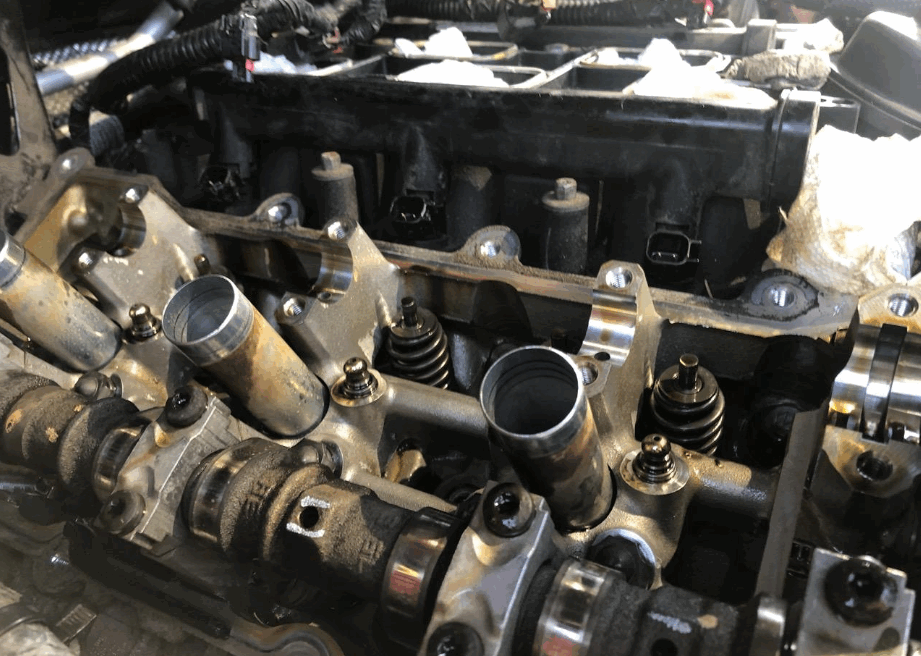
What Are the Symptoms of a Bad 3.6 Pentastar Lifter?
A bad 3.6 Pentastar lifter creates several symptoms that affect engine performance and valve train operation. The most common signs include ticking noise, misfires, rough running, and reduced power. These problems appear because the lifter cannot maintain proper contact between the camshaft and rocker arm.
A failing lifter usually produces a ticking or tapping sound from the cylinder head area. The noise often follows engine speed because the lifter moves with the camshaft rotation. When the hydraulic mechanism or roller bearing wears out, the lifter creates excessive movement inside the valve train. This movement produces the mechanical ticking sound that many Pentastar owners notice.
A damaged lifter can also cause misfires and trigger the check engine light. The engine depends on accurate valve timing to control air intake and exhaust flow. When a lifter fails, the affected valve may not open or close correctly. This reduces combustion efficiency and causes uneven engine operation.
Other symptoms include rough idle, hesitation during acceleration, and decreased engine performance. A failed lifter can also damage the camshaft if the vehicle continues operating for an extended period. Early diagnosis helps prevent additional repairs and reduces the risk of replacing more valve train components.
Why Does the 3.6 Pentastar Engine Have Lifter Problems?
The 3.6 Pentastar engine develops lifter problems mainly because of roller lifter wear, lubrication issues, and damage inside the valve train system. The lifter works with the camshaft and rocker arm to control valve movement. When the lifter loses its ability to move smoothly, it creates noise, poor engine performance, and potential internal damage.
One major cause of lifter failure involves wear between the roller lifter and camshaft lobe. The roller inside the lifter should rotate smoothly as it follows the camshaft profile. When the roller bearing wears out, the lifter creates extra friction against the camshaft surface. This friction can damage the camshaft lobe and reduce proper valve operation.
Engine oil condition also affects lifter performance. Hydraulic lifters rely on clean oil and stable oil pressure to maintain correct movement inside the valve train. Old oil, incorrect oil specifications, or poor lubrication can reduce lifter efficiency. Over time, restricted oil flow can prevent the lifter from maintaining proper clearance between engine components.
Another factor involves delayed diagnosis. A small ticking noise may indicate early lifter wear, but continued driving can allow the problem to spread. A damaged lifter can affect the camshaft, rocker arm, and other valve train components. Regular oil maintenance and early inspection help reduce the risk of major engine repairs.
Understanding these causes helps vehicle owners identify why a 3.6 Pentastar lifter replacement becomes necessary and why repairing the problem early can prevent higher costs.
How Much Does a 3.6 Pentastar Lifter Replacement Cost?
A 3.6 Pentastar lifter replacement usually costs between $1,500 and $4,000, depending on the vehicle model, labor rate, replacement parts, and additional engine damage. The repair cost varies because technicians must access the internal valve train components, inspect related parts, and replace damaged components when necessary.
The largest part of the expense comes from labor. A lifter replacement requires significant engine disassembly because technicians need to access the cylinder head, rocker arms, and valve train components. The repair process can take several hours because the technician must remove parts carefully, inspect the camshaft, install new lifters, and verify proper engine operation after reassembly.
Replacement parts also affect the final cost. OEM lifters usually cost more than aftermarket options because they follow the original equipment specifications. A complete lifter replacement may include additional components such as rocker arms, gaskets, bolts, and seals. Replacing related parts during the repair can improve reliability and prevent repeated labor costs.
The most expensive repairs happen when a failed lifter damages the camshaft. A worn camshaft lobe cannot maintain correct contact with a new lifter, which can cause the replacement lifter to fail again. In these cases, the repair may require camshaft replacement and additional valve train repairs.
A proper diagnosis helps determine the actual repair scope. Replacing lifters before severe camshaft damage develops can reduce overall costs and protect the long term reliability of the 3.6 Pentastar engine.
How Is a 3.6 Pentastar Lifter Replacement Performed?
A 3.6 Pentastar lifter replacement requires a detailed repair process because the lifters sit inside the engine valve train system. Technicians must access the cylinder head area, remove related components, inspect internal damage, and install new lifters correctly. The process focuses on restoring proper contact between the lifter, rocker arm, and camshaft.
The first step involves diagnosing the source of the engine problem. Technicians check the ticking noise, engine performance, and diagnostic trouble codes to confirm lifter failure. They also inspect the valve train components because similar symptoms can come from damaged rocker arms, worn camshaft lobes, or other mechanical issues.
After confirming the failure, technicians remove the components that block access to the lifters. This process usually requires removing the valve covers, intake components, and other engine parts depending on the vehicle design. Once the lifters become accessible, technicians inspect the camshaft surface and surrounding valve train components for signs of wear.
The next step involves installing the replacement lifters and replacing damaged related parts when necessary. Technicians must follow proper installation procedures to ensure correct oil flow, component alignment, and valve operation. A damaged camshaft or worn rocker arm may require replacement during this stage to prevent repeated failure.
After completing the repair, technicians reassemble the engine and test its operation. They check for abnormal noise, proper engine performance, and correct valve train function. A complete inspection after installation helps confirm that the new lifters operate correctly and that the repair solved the original problem.
Should You Replace the Camshaft When Replacing 3.6 Pentastar Lifters?
A camshaft replacement may become necessary during a 3.6 Pentastar lifter replacement when the failed lifter has damaged the camshaft lobe. The lifter and camshaft work together as a single valve train system, so damage to one component can affect the performance and durability of the other component.
A worn lifter roller can create excessive friction against the camshaft surface. Over time, this friction can wear down the camshaft lobe and change its original shape. A damaged camshaft cannot maintain proper contact with a new lifter, which can cause premature lifter failure after the repair. Technicians usually inspect the camshaft surface for scoring, abnormal wear patterns, or reduced lobe height before installing replacement lifters.
You may only need new lifters when the camshaft remains in good condition. A proper inspection can confirm whether the camshaft still maintains the correct profile and provides reliable valve movement. Replacing undamaged parts adds unnecessary cost and does not improve repair quality.
A camshaft replacement becomes necessary when the failure creates visible wear, metal damage, or incorrect valve operation. This repair increases the total cost because technicians must spend additional time removing and installing internal engine components. However, replacing a damaged camshaft during the initial repair prevents repeated failures and protects the new lifters.
A complete valve train inspection helps determine the correct repair approach. Replacing only the failed lifters without checking the camshaft can lead to additional engine problems and higher repair expenses in the future.
Can You Drive With a Bad 3.6 Pentastar Lifter?
Driving with a bad 3.6 Pentastar lifter is possible for a short period, but it increases the risk of serious engine damage. A failing lifter affects the valve train system and can gradually damage related components such as the camshaft and rocker arm. Continuing to drive without diagnosis can turn a smaller repair into a more expensive engine repair.
A damaged lifter usually creates a ticking or tapping noise before major problems appear. This noise indicates that the lifter no longer maintains proper contact with the camshaft. As the wear increases, the camshaft lobe can lose its correct shape and reduce valve movement. This condition can affect engine performance and create additional mechanical problems.
A bad lifter can also cause misfires, rough idle, and reduced power. When the valve does not operate correctly, the cylinder cannot complete the combustion process efficiently. The engine control module may detect this issue and activate the check engine light. In severe cases, continued driving can increase internal wear and create metal debris inside the engine.
Vehicle owners should inspect the engine when they notice abnormal ticking sounds or performance changes. Early repair can prevent damage to expensive components such as the camshaft and cylinder head. A professional diagnosis helps determine whether the vehicle needs only lifter replacement or a more extensive valve train repair.
Replacing a damaged lifter at the right time protects engine reliability and reduces the chance of higher repair costs in the future.
Which Vehicles Use the 3.6 Pentastar Engine and May Need Lifter Replacement?
The 3.6 Pentastar V6 engine powers many Chrysler, Dodge, Jeep, and Ram vehicles. These vehicles use similar engine architecture, including hydraulic lifters, rocker arms, and camshafts. Because they share the same engine family, they can experience similar valve train problems when lifter components wear or fail.
Jeep models that use the 3.6 Pentastar engine include the Jeep Grand Cherokee, Jeep Wrangler, and Jeep Gladiator. These vehicles often operate in demanding conditions, including off road driving and heavy use, which can increase the importance of regular engine maintenance. A ticking noise from the cylinder head area or reduced engine performance may indicate a valve train inspection is needed.
Dodge vehicles such as the Dodge Charger, Dodge Challenger, and Dodge Durango also use the 3.6 Pentastar V6 engine. These applications rely on precise valve timing to maintain smooth performance and fuel efficiency. A failing lifter can affect engine operation by reducing valve movement and causing misfire symptoms.
Chrysler and Ram vehicles also use the 3.6 Pentastar platform. Examples include the Chrysler 300, Chrysler Pacifica, and Ram 1500. These vehicles can develop lifter-related issues when internal components experience wear, lubrication problems, or long term maintenance neglect.
Although different vehicle models use the same engine family, the repair process and replacement cost can vary because of vehicle design and engine access. Identifying the exact vehicle model helps technicians determine the correct replacement parts, labor requirements, and repair procedure.
How Can You Prevent 3.6 Pentastar Lifter Problems?
Preventing 3.6 Pentastar lifter problems requires proper engine maintenance, regular inspections, and early attention to unusual engine symptoms. The lifter depends on clean engine oil, stable oil pressure, and correct lubrication to maintain smooth operation inside the valve train system. Good maintenance reduces friction between the lifter, rocker arm, and camshaft.
Regular oil changes are one of the most important steps to protect Pentastar lifters. Engine oil carries heat and removes contaminants that can affect internal components. Old or contaminated oil can reduce lubrication quality and increase wear on hydraulic lifters. Using the correct oil specification recommended for the 3.6 Pentastar engine helps maintain proper hydraulic operation and oil flow.
Drivers should also inspect unusual engine sounds as early warning signs. A consistent ticking noise from the cylinder head area can indicate developing lifter or valve train problems. Addressing the issue early allows technicians to identify worn components before the failure damages the camshaft or other expensive engine parts.
Maintaining proper driving habits can also support long term engine reliability. Avoiding extended operation with low oil levels, following scheduled maintenance intervals, and repairing performance issues quickly can reduce unnecessary stress on engine components.
Preventive maintenance cannot eliminate every lifter failure, but it can reduce common causes related to poor lubrication and delayed repairs. Regular inspection and timely service help protect the 3.6 Pentastar engine from major valve train damage and expensive replacement procedures.
What Should You Know Before Replacing 3.6 Pentastar Lifters?
A 3.6 Pentastar lifter replacement requires accurate diagnosis because lifter failure can affect several engine components. A ticking noise, misfire, or reduced engine performance does not always mean the lifter is the only damaged part. Technicians need to inspect the complete valve train system, including the camshaft and rocker arms, before starting the repair.
The most important factor in this repair is identifying the damage level. A lifter replacement can solve the problem when the camshaft and other valve train components remain in good condition. However, a worn camshaft requires additional repairs because a damaged camshaft can quickly damage new lifters after installation.
The replacement cost depends on several factors, including parts selection, labor time, vehicle design, and related component damage. Early diagnosis can reduce repair expenses by preventing additional wear inside the engine. Delaying the repair may increase costs because the failure can spread to more expensive components.
Proper maintenance also plays an important role in long term reliability. Regular oil changes, correct oil specifications, and early inspection of unusual engine noises help protect the hydraulic lifters and valve train system.
Understanding the symptoms, causes, costs, and repair process helps vehicle owners make better decisions before approving a 3.6 Pentastar lifter replacement. A complete inspection provides the information needed to choose the correct repair method and restore reliable engine operation.