When shopping for a compact SUV, reliability is often the deciding factor. A stylish exterior, modern technology, and a comfortable cabin may grab your attention, but none of those features matter if your vehicle spends more time in the repair shop than on the road. That’s exactly why so many prospective buyers ask the same question: Are GMC Terrains reliable?
The GMC Terrain has become one of General Motors’ most popular compact SUVs, offering an upscale design, advanced safety technology, and a smooth driving experience. Since its debut in 2010, the Terrain has appealed to families, commuters, and adventure seekers looking for a practical crossover with premium styling. However, its reputation for reliability has been mixed. While some model years have proven dependable and capable of exceeding 200,000 miles with proper maintenance, others have developed well-documented issues involving excessive oil consumption, timing chain failures, transmission problems, and electrical malfunctions.
Understanding these differences is crucial before making a purchase. Buying the right model year can save you thousands of dollars in unexpected repair costs, while choosing the wrong one could lead to recurring mechanical issues and expensive maintenance bills. Whether you’re considering a brand-new GMC Terrain or searching for a reliable used SUV, knowing which years to buy and which to avoid can make all the difference.
In this comprehensive 2026 reliability guide, we’ll examine the GMC Terrain from every angle. You’ll learn how it performs in industry reliability ratings, discover the most common problems reported by owners, compare the best and worst model years, explore long-term maintenance costs, and see how it stacks up against competitors like the Honda CR-V, Toyota RAV4, Mazda CX-5, and Chevrolet Equinox. By the end of this guide, you’ll have a clear understanding of whether the GMC Terrain is the right SUV for your needs and budget.
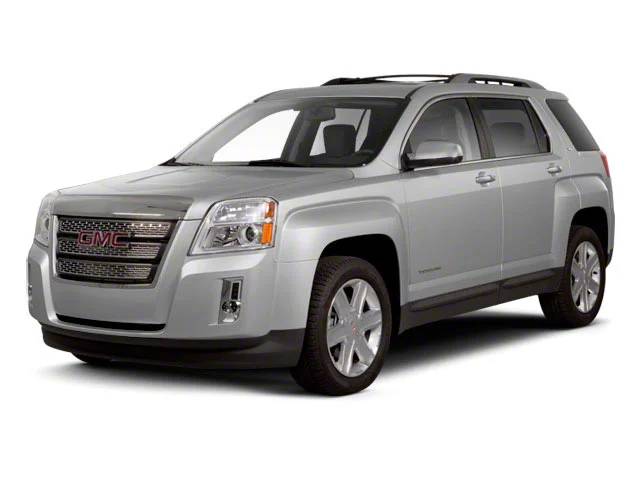
Quick Answer: Are GMC Terrains Reliable?
Yes, GMC Terrains can be reliable, but their dependability varies considerably by model year, engine, maintenance history, and previous ownership. Recent models generally have a stronger reliability record than many early first generation Terrains, which were associated with costly engine and oil consumption concerns.
For most buyers, the GMC Terrain should be viewed as a reasonably dependable compact SUV rather than the most reliable vehicle in its class. It offers a comfortable cabin, a smooth ride, useful technology, and an upscale appearance, but competitors such as the Toyota RAV4 and Honda CR V have traditionally earned stronger long term reputations for durability.
The encouraging news is that newer Terrains have performed well in owner based assessments. J.D. Power gave the 2024 GMC Terrain a Quality and Reliability score of 85 out of 100, while the 2023 model received 88 out of 100. Both scores fall within J.D. Power’s “Great” range. These results suggest that late second generation models may be much safer choices than some older versions.
The redesigned 2025 Terrain introduced an updated interior, expanded standard safety technology, and a more modern infotainment experience. However, because it was the first model year of a major redesign, it did not yet have the same amount of long term ownership data available as established model years when initially evaluated. J.D. Power noted that previous year data was used for parts of its early 2025 consumer rating.
A well maintained GMC Terrain from a dependable model year can provide many years of practical service. A poorly maintained example from a problem prone production year, however, can expose its owner to oil loss, engine damage, transmission concerns, electrical faults, and expensive repairs.
Overall GMC Terrain Rating
| Category | Rating | What Buyers Should Know |
|---|---|---|
| Overall reliability | 7.5 out of 10 | Generally dependable when the model year and service history are carefully selected |
| Maintenance costs | 7 out of 10 | Routine service is manageable, but major engine or transmission work can be expensive |
| Ride comfort | 8.5 out of 10 | Comfortable and quiet enough for commuting and family use |
| Fuel economy | 7.5 out of 10 | Competitive for a gasoline powered compact SUV, though not class leading |
| Safety technology | 8.5 out of 10 | Newer models include a broad selection of standard driver assistance features |
| Resale value | 7 out of 10 | Usually weaker than top Japanese competitors |
| Used vehicle value | 8 out of 10 | Attractive pricing can make a carefully inspected used Terrain a strong value |
The GMC Terrain is best suited to drivers who want a comfortable compact SUV with premium styling and are willing to research the model year before buying. It may be particularly appealing to shoppers who find comparable Honda or Toyota models too expensive on the used market.
Buyers who prioritize the strongest possible resale value, minimal long term repair risk, or proven high mileage durability may feel more confident with alternatives such as the Toyota RAV4, Honda CR V, or Mazda CX 5.
GMC Terrain Reliability Ratings
Reliability ratings can provide a useful starting point, but no single score tells the complete story. Some ratings focus on problems reported during the first few years of ownership, while others consider crash safety, recalls, maintenance expenses, or predicted performance.
A vehicle can earn a strong quality score and still develop problems later in its life. Similarly, an older vehicle with a lower predicted rating may remain dependable when it has been maintained carefully. Buyers should therefore combine professional ratings with service records, recall checks, inspection results, and model year research.
J.D. Power Quality and Reliability Ratings
J.D. Power measures the number of defects, malfunctions, and design related problems reported by verified vehicle owners. Its Quality and Reliability score covers the full vehicle, including the engine, transmission, climate controls, technology, and infotainment system.
The 2024 GMC Terrain received a Quality and Reliability score of 85 out of 100, earning a “Great” classification. The 2023 model scored even higher at 88 out of 100. For comparison, the 2017 Terrain also received a strong score of 87 out of 100, showing that reliability depends more on the individual production year and powertrain than on the Terrain name alone.
These ratings are encouraging, especially for buyers considering a recent used Terrain. However, J.D. Power scores tend to reflect relatively early ownership experiences. They may not fully capture the failures that appear after 100,000 miles, particularly on older vehicles with incomplete maintenance histories.
The 2025 Terrain had an overall consumer score of 82 out of 100 in J.D. Power’s early listing, but the site stated that previous year ratings and review data were used. Buyers should therefore avoid interpreting that number as a complete long term verdict on the redesigned model.
Consumer Reports Reliability
Consumer Reports evaluates vehicles using subscriber surveys, road tests, predicted reliability information, and reported trouble areas. Its conclusions can differ from J.D. Power because the organizations use different data sources and scoring methods.
The GMC Terrain’s results have not been consistent across every generation. Older models have attracted criticism for engine related failures and oil consumption, while newer versions benefit from updated powertrains, improved technology, and fewer reports involving some of the most serious early generation defects.
Predicted reliability should be treated as one part of the buying decision rather than a guarantee. This is especially important for the redesigned 2025 and expanded 2026 lineup because long term data requires several years of real ownership to become meaningful.
NHTSA Safety Ratings, Complaints, and Recalls
The National Highway Traffic Safety Administration provides crash test results, safety complaints, investigations, and recall information. This data is essential when evaluating a used GMC Terrain because two vehicles from the same model year may have different recall completion histories.
The 2024 GMC Terrain earned a five star overall safety rating from NHTSA. At the time of J.D. Power’s 2025 review, the redesigned 2025 model had not yet received its own complete NHTSA or IIHS crashworthiness rating, although it shared structural similarities with the previous version.
NHTSA recommends checking a vehicle by its 17 character Vehicle Identification Number because a general model search cannot confirm whether a specific vehicle still has an unrepaired recall. Recall repairs are normally completed without charge by an authorized dealership.
A recall does not automatically mean a vehicle is unreliable. Manufacturers issue recalls to correct safety related defects, and popular vehicles can accumulate more complaints simply because more units are on the road. The greater concern is whether the specific vehicle has unresolved recalls, repeated owner complaints, or a history of symptoms that were never properly repaired.
Buyers should complete three checks before purchasing a used Terrain:
- Enter the VIN into the official NHTSA recall database.
- Ask a GMC dealer whether all manufacturer campaigns have been completed.
- Compare the service history with known issues for that engine and model year.
Newer GMC vehicles also include warranty protection that may reduce the financial risk of early defects. GMC states that its standard bumper to bumper limited warranty covers qualifying defects for three years or 36,000 miles. GMC also states that 2016 and newer vehicles include a transferable five year or 60,000 mile limited powertrain warranty, subject to the official terms and exclusions.
Common GMC Terrain Problems
The most important fact to understand about GMC Terrain problems is that they are not distributed equally across every model year. Early first generation vehicles have a different risk profile from later second generation Terrains, and naturally aspirated engines do not experience exactly the same issues as newer turbocharged engines.
Some problems are relatively minor, such as an infotainment screen that freezes or a sensor that triggers a warning light. Others can lead to severe engine damage and repair bills worth several thousand dollars.
Excessive Engine Oil Consumption
Excessive oil consumption is one of the most widely discussed concerns involving older GMC Terrains, particularly certain first generation models equipped with four cylinder engines.
An affected engine may burn oil between scheduled changes without producing an obvious puddle underneath the vehicle. The owner may not notice the problem until the oil level becomes dangerously low. Driving repeatedly with insufficient oil can damage internal engine components, accelerate timing chain wear, reduce lubrication, and eventually cause complete engine failure.
Common warning signs include:
- A low oil warning before the next scheduled service.
- Blue or gray smoke from the exhaust.
- Engine knocking or ticking noises.
- Reduced acceleration.
- A burning oil smell.
- The need to add oil frequently.
- Engine damage without an obvious external leak.
This problem becomes especially dangerous when owners assume that the dashboard oil life monitor also measures the actual oil level. In many vehicles, the monitor estimates when the oil should be changed but does not guarantee that the engine still contains the correct amount.
Anyone considering an older Terrain should ask how often oil was added between services. A pre purchase inspection should also look for spark plug fouling, exhaust smoke, low compression, abnormal engine noise, and evidence of neglected oil changes.
A minor external leak might cost a few hundred dollars to repair. Internal oil consumption can become far more expensive if it requires piston work, internal engine repairs, or engine replacement.
Timing Chain Wear and Failure
Timing chain trouble is another serious concern associated with some older Terrain engines. The timing chain keeps critical engine components synchronized. When the chain stretches, its guides wear out, or its tensioner loses effectiveness, the engine may run poorly or fail to start.
Low oil levels and delayed oil changes can accelerate timing chain wear because the system depends on proper lubrication and oil pressure.
Possible symptoms include:
- A rattling sound during startup.
- A check engine light.
- Rough idling.
- Engine misfires.
- Reduced power.
- Difficulty starting.
- Metal particles in the engine oil.
Ignoring these symptoms can turn a repairable timing system problem into major internal engine damage. In severe cases, incorrect timing can allow valves and pistons to make contact.
Timing chain replacement is labor intensive because technicians must remove multiple engine components to access the chain, guides, and tensioners. Costs vary by location and engine configuration, but owners should expect a repair of this type to be substantially more expensive than routine maintenance.
Transmission Shifting Problems
Some GMC Terrain owners have reported hesitation, delayed engagement, rough shifting, shuddering, or unexpected changes in engine speed. These symptoms do not always indicate complete transmission failure. They may be caused by old fluid, programming issues, worn mounts, valve body trouble, sensors, or internal transmission damage.
Warning signs include:
- A delay when shifting into Drive or Reverse.
- Harsh gear changes.
- Shuddering during acceleration.
- Slipping under load.
- Fluid leaks.
- A transmission warning message.
- A burning smell.
- Unusual whining or clunking noises.
Transmission behavior should always be evaluated during a cold start and an extended road test. Some problems become less noticeable after the fluid warms up, while others appear only at highway speed or during low speed acceleration.
A fluid service or software update may be relatively affordable. Internal transmission repairs or replacement can cost several thousand dollars, which is why a professional inspection is essential before purchasing a high mileage Terrain.
Turbocharger and Intake System Issues
Newer Terrains use small turbocharged engines to balance fuel economy with usable low speed power. Turbocharging can deliver efficient performance, but it also adds heat, pressure, hoses, sensors, and moving components that may require attention as the vehicle ages.
Potential symptoms include:
- Loss of acceleration.
- Whistling or siren like noises.
- Check engine warnings.
- Excessive exhaust smoke.
- Oil leaks near turbocharger components.
- Reduced fuel economy.
- The vehicle entering reduced power mode.
Not every loss of power means the turbocharger itself has failed. A loose intake hose, boost leak, wastegate issue, dirty sensor, or ignition problem can create similar symptoms.
Regular oil changes are particularly important for turbocharged engines because the turbocharger relies on clean engine oil for lubrication and temperature control. Using an incorrect oil specification or extending oil change intervals can shorten component life.
Electrical and Infotainment Problems
Electrical complaints are usually less catastrophic than engine damage, but they can still frustrate owners and create diagnostic expenses.
Reported symptoms across different Terrain model years may include:
- A frozen or blank infotainment screen.
- Bluetooth disconnections.
- Camera failures.
- Warning lights caused by faulty sensors.
- Battery drain.
- Keyless entry problems.
- Power liftgate malfunctions.
- Intermittent driver assistance warnings.
Modern vehicles depend on interconnected computers, cameras, radar sensors, and software. A weak battery or poor electrical connection can sometimes trigger several warning messages at once, even when the individual systems are not defective.
The redesigned 2025 Terrain introduced a more advanced software and infotainment experience along with a broad standard safety package. These features improve convenience, but they also make software updates and correct battery voltage increasingly important. J.D. Power listed automatic emergency braking, adaptive cruise control, blind spot warning, lane assistance, and rear cross traffic warning among the 2025 model’s standard safety technologies.
Brake System Concerns
Brake complaints can involve squeaking, premature pad wear, vibration, warning lights, reduced assist, or sensor related problems. Wear items such as pads and rotors are normal ownership expenses, but repeated warning messages or a change in pedal feel should never be ignored.
A vehicle that pulls to one side, vibrates heavily, requires unusual pedal pressure, or produces grinding noises should be inspected immediately.
Before buying a used Terrain, ask the technician to examine:
- Brake pad thickness.
- Rotor condition.
- Fluid condition.
- Caliper movement.
- Brake hoses and lines.
- Electronic parking brake operation.
- Stored diagnostic codes.
How Serious Are These Problems?
| Problem | Typical Severity | Likely Financial Risk |
|---|---|---|
| Excessive oil consumption | High | High if internal engine repair is required |
| Timing chain wear | High | High because labor and engine damage can be costly |
| Transmission hesitation | Moderate to high | Low for software or fluid service, high for internal failure |
| Turbocharger trouble | Moderate to high | Moderate or high depending on the failed component |
| Infotainment malfunction | Low to moderate | Usually lower than mechanical repairs |
| Sensor and battery issues | Low to moderate | Often manageable after proper diagnosis |
| Brake wear | Moderate | Normally predictable maintenance unless another defect is present |
These problems do not mean that every GMC Terrain will become unreliable. They show why model year selection, maintenance records, diagnostic checks, and a professional inspection matter so much.
A newer Terrain with complete records and no unresolved recalls can be a dependable daily driver. An older model with low oil, warning lights, unclear service history, or suspicious transmission behavior can become an expensive mistake, even when its purchase price appears attractive.
Best GMC Terrain Model Years
Not every GMC Terrain delivers the same ownership experience. Improvements in engine design, transmission calibration, safety technology, and manufacturing quality have made some model years significantly more dependable than others. If reliability is your top priority, focusing on the right production years can dramatically reduce the risk of expensive repairs.
The second generation Terrain, introduced for the 2018 model year, represented a major step forward. It featured a lighter platform, more efficient turbocharged engines, improved safety systems, and updated technology. As General Motors continued refining the vehicle over the following years, owner satisfaction and reliability generally improved.
2019 GMC Terrain
The 2019 GMC Terrain is widely regarded as one of the better choices in the lineup. By this point, General Motors had addressed several issues that affected earlier models, resulting in fewer reported engine and transmission complaints.
The standard 1.5 liter turbocharged engine delivers a balanced combination of fuel economy and everyday performance. While it is not the quickest compact SUV in its segment, it provides sufficient power for commuting, highway driving, and small family trips.
Owners appreciate the comfortable ride quality, quiet cabin, intuitive infotainment system, and advanced driver assistance features that became increasingly available across different trim levels.
2020 GMC Terrain
The 2020 model year continued to build on the strengths of its predecessor. Reliability ratings remained solid, while standard safety equipment expanded across the lineup.
Many buyers consider the 2020 Terrain an excellent used vehicle because depreciation has made it more affordable while still offering modern technology, Apple CarPlay, Android Auto, automatic emergency braking, and lane keeping assistance on many trims.
Routine maintenance is relatively straightforward, and reports of severe mechanical failures are noticeably less common than those associated with the earliest first generation models.
2021 GMC Terrain
Although production schedules were affected by the global semiconductor shortage, the 2021 Terrain maintained a respectable reliability reputation.
The SUV continued to offer a comfortable interior, good visibility, and user friendly technology. Owners generally reported satisfaction with daily driving comfort, fuel economy, and overall refinement.
When purchasing a used 2021 Terrain, buyers should verify that all software updates and recall work have been completed, particularly if the vehicle remained on dealership lots for an extended period.
2022 GMC Terrain
The 2022 Terrain received a refreshed exterior design and an updated interior that enhanced its premium appearance. Additional standard safety features made it an attractive option for families seeking a modern compact SUV.
The updated styling was accompanied by improved infotainment functionality and a simplified engine lineup centered around the 1.5 liter turbocharged engine.
Most owner complaints during this period involved relatively minor electronic or infotainment issues rather than catastrophic engine failures.
2023 GMC Terrain
The 2023 Terrain represents one of the strongest choices for buyers looking at nearly new used vehicles.
It combines mature engineering, modern safety technology, refined driving dynamics, and encouraging reliability ratings. The vehicle benefits from several years of incremental improvements following the second generation redesign.
For many shoppers, this model year offers one of the best balances between purchase price, technology, warranty coverage, and long term ownership confidence.
2024 GMC Terrain
The 2024 Terrain continues the trend of improved reliability while offering one of the highest quality and reliability scores in recent years.
Its combination of comfortable seating, comprehensive driver assistance technology, and predictable maintenance requirements makes it an appealing option for commuters and small families alike.
Buyers searching for maximum reliability without paying new vehicle prices should strongly consider low mileage 2023 and 2024 examples.
Best GMC Terrain Years at a Glance
| Model Year | Recommendation | Why It Stands Out |
|---|---|---|
| 2019 | Highly Recommended | Fewer major engine issues and improved overall quality |
| 2020 | Highly Recommended | Strong balance of technology, reliability, and value |
| 2021 | Recommended | Comfortable daily driver with dependable mechanical performance |
| 2022 | Recommended | Updated styling, improved safety, and fewer serious complaints |
| 2023 | Excellent Choice | Mature platform with excellent owner satisfaction |
| 2024 | Excellent Choice | Strong reliability ratings and comprehensive safety features |
These model years are not completely free of problems, but they generally demonstrate fewer serious mechanical concerns than earlier versions. A complete maintenance history and professional pre purchase inspection remain essential regardless of the production year.
Worst GMC Terrain Years to Avoid
While every vehicle has the potential to experience mechanical issues, several early GMC Terrain model years have earned a reputation for higher than average repair costs and recurring engine related problems.
Buying one of these vehicles is not automatically a mistake, but it requires significantly more caution, especially if maintenance records are incomplete.
2010 GMC Terrain
As the first production year, the 2010 Terrain experienced several issues that are common with newly introduced vehicles.
Owners reported excessive oil consumption, timing chain wear, transmission concerns, and various electrical problems. Some repairs became extremely expensive once the vehicle accumulated higher mileage.
A low purchase price may appear attractive, but unexpected repair costs can quickly eliminate any initial savings.
2011 GMC Terrain
The 2011 model continued to receive complaints involving excessive oil consumption and timing chain failures.
Many owners reported needing to add engine oil between scheduled maintenance intervals, while others experienced engine damage after oil levels dropped unexpectedly.
If considering a 2011 Terrain, buyers should insist on documented maintenance records and a thorough mechanical inspection before making a purchase.
2012 GMC Terrain
Although some improvements were introduced, the 2012 Terrain still generated numerous owner complaints regarding engine reliability.
Oil consumption remained one of the most discussed concerns, and neglected maintenance often accelerated engine wear.
Vehicles with incomplete service histories present the greatest financial risk because engine repairs can easily exceed the vehicle’s market value.
2013 GMC Terrain
The 2013 model continued to show improvement, but reports involving engine oil usage, timing chain problems, and electrical faults did not disappear completely.
Well maintained examples can still provide reliable transportation, but buyers should approach them carefully and avoid vehicles with unknown ownership histories.
Should You Completely Avoid These Years?
Not necessarily.
A properly maintained early Terrain with documented repairs, regular oil changes, and a clean inspection report may still provide dependable service. However, the margin for error is considerably smaller than with later model years.
If your budget allows, choosing a 2019 or newer Terrain generally provides a safer long term investment and reduces the likelihood of major mechanical repairs.
How Long Do GMC Terrains Last?
One of the most common questions from prospective buyers is whether a GMC Terrain can provide reliable transportation for well over a decade.
The answer depends less on the badge attached to the vehicle and far more on how it has been maintained throughout its life.
With consistent maintenance, many GMC Terrains are capable of reaching between 180,000 and 220,000 miles before requiring major engine or transmission work. Some carefully maintained examples have exceeded 250,000 miles, although such longevity requires diligent servicing and responsible driving habits.
Several factors influence a Terrain’s lifespan.
Regular oil changes using the correct oil specification help protect internal engine components and turbochargers.
Transmission fluid should be serviced according to the manufacturer’s maintenance schedule rather than waiting until shifting problems develop.
Cooling system maintenance prevents overheating, one of the leading causes of premature engine wear.
Replacing worn suspension components, brake parts, and tires also reduces stress on the rest of the vehicle.
Driving style plays an equally important role. Frequent hard acceleration, aggressive braking, towing beyond recommended limits, and ignoring warning lights can significantly shorten vehicle life.
Climate also matters. Vehicles operated in regions with heavy road salt may experience accelerated corrosion, while extremely hot environments place additional stress on cooling systems, batteries, and rubber components.
Expected GMC Terrain Lifespan
| Vehicle Condition | Expected Mileage |
|---|---|
| Poor maintenance | Less than 120,000 miles |
| Average maintenance | 150,000 to 180,000 miles |
| Well maintained | 180,000 to 220,000 miles |
| Exceptional maintenance | More than 250,000 miles |
Mileage alone should never determine whether a used GMC Terrain is worth buying. A 140,000 mile Terrain with complete maintenance records may be a better purchase than an 80,000 mile vehicle that has missed routine servicing and shows signs of neglect.
When evaluating a used Terrain, buyers should review maintenance records, inspect fluid condition, verify recall completion, perform a thorough road test, and arrange for an independent mechanical inspection. These steps provide a much clearer picture of future reliability than the odometer alone.
GMC Terrain Maintenance Costs
One of the biggest concerns for SUV shoppers is not just whether a vehicle is reliable, but how much it costs to keep it running over the years. Fortunately, the GMC Terrain is generally considered affordable to maintain compared to many luxury compact SUVs. However, ownership costs can vary significantly depending on the model year, mileage, driving habits, and whether preventative maintenance has been performed consistently.
Routine maintenance is relatively inexpensive when compared to major repairs. Regular oil changes, tire rotations, brake inspections, and fluid replacements help prevent more costly mechanical failures later in the vehicle’s life. Owners who skip scheduled maintenance often face much higher expenses, especially on older models with higher mileage.
The turbocharged 1.5 liter engine found in newer Terrains requires high quality synthetic oil and timely service intervals. Although synthetic oil changes cost slightly more than conventional oil, they provide better protection for turbocharged components and help extend engine life.
Another important consideration is transmission maintenance. While many drivers overlook transmission fluid service, replacing the fluid at appropriate intervals can help reduce wear and improve long term reliability.
Estimated Maintenance Costs
| Service | Estimated Cost |
|---|---|
| Synthetic oil change | $70 to $120 |
| Tire rotation | $30 to $80 |
| Engine air filter replacement | $30 to $70 |
| Cabin air filter replacement | $40 to $90 |
| Brake pad replacement | $250 to $500 |
| Brake rotor replacement | $350 to $700 |
| Battery replacement | $180 to $350 |
| Spark plug replacement | $200 to $450 |
| Transmission fluid service | $180 to $350 |
| Coolant replacement | $120 to $250 |
| Four wheel alignment | $100 to $200 |
| New set of tires | $700 to $1,200 |
These figures represent average repair shop pricing across the United States and may vary depending on labor rates, geographic location, dealership pricing, and the specific Terrain model.
Major Repairs That Can Be Expensive
Although routine ownership costs remain reasonable, several major repairs can become expensive if maintenance has been neglected.
Engine replacement may cost anywhere from $5,000 to more than $9,000 depending on the engine and labor requirements.
A complete transmission replacement can range from $4,000 to $7,000.
Turbocharger replacement generally falls between $1,500 and $3,000.
Timing chain repairs can cost between $1,200 and $2,500 depending on engine configuration.
These potential expenses highlight why preventative maintenance is significantly less expensive than waiting for major failures to occur.
How to Reduce Ownership Costs
Owners who want to maximize reliability while minimizing expenses should follow several simple habits.
Check the engine oil level every few weeks instead of relying solely on the oil life monitor.
Replace fluids according to the maintenance schedule rather than waiting for symptoms to appear.
Address warning lights immediately before minor issues develop into major repairs.
Keep tires properly inflated to reduce uneven wear and improve fuel economy.
Wash the underbody during winter months if you live in areas where road salt is commonly used.
Maintain detailed service records, as documented maintenance improves resale value and helps technicians diagnose future problems more efficiently.
Following these practices can save thousands of dollars over the lifetime of the vehicle.
GMC Terrain vs Competitors
The compact SUV segment is one of the most competitive automotive categories in North America. Buyers considering a GMC Terrain often compare it with the Honda CR V, Toyota RAV4, Mazda CX 5, and Chevrolet Equinox.
Each vehicle has its own strengths, making the best choice dependent on individual priorities.
The Toyota RAV4 has built one of the strongest reputations for long term reliability. Many examples exceed 250,000 miles with routine maintenance, making it a favorite among buyers who plan to keep their vehicles for many years.
The Honda CR V is similarly respected for durability, excellent resale value, and low long term ownership costs. It consistently ranks among the best compact SUVs for dependability.
The Mazda CX 5 appeals to drivers who value premium interior quality and engaging driving dynamics. It combines above average reliability with a more refined driving experience than many competitors.
The Chevrolet Equinox shares its platform and many mechanical components with the GMC Terrain. Because of these similarities, both vehicles exhibit comparable reliability, although equipment levels and styling differ considerably.
The GMC Terrain distinguishes itself through upscale exterior styling, a comfortable ride, intuitive technology, and an attractive cabin. While it may not consistently match the long term reliability records of the Toyota RAV4 or Honda CR V, newer model years provide a solid balance of comfort, value, and dependability.
Compact SUV Comparison
| SUV | Reliability | Maintenance Costs | Comfort | Resale Value |
|---|---|---|---|---|
| Toyota RAV4 | Excellent | Low | Excellent | Excellent |
| Honda CR V | Excellent | Low | Excellent | Excellent |
| Mazda CX 5 | Very Good | Moderate | Excellent | Very Good |
| GMC Terrain | Good | Moderate | Very Good | Good |
| Chevrolet Equinox | Good | Moderate | Good | Good |
Buyers who prioritize maximum reliability and resale value may lean toward Toyota or Honda.
Drivers seeking premium styling, comfortable daily driving, and competitive pricing may find the GMC Terrain to be an appealing alternative, particularly when purchasing a well maintained 2019 or newer model.
Is a Used GMC Terrain Worth Buying?
A used GMC Terrain can represent outstanding value when purchased carefully. Because depreciation affects GMC vehicles more significantly than some Japanese competitors, buyers can often purchase a newer Terrain with lower mileage and more premium features for the same budget.
The key is selecting the right vehicle rather than simply choosing the lowest price.
Before purchasing any used Terrain, request complete maintenance records. Consistent oil changes, transmission servicing, and documented repairs indicate responsible ownership.
A vehicle history report should also be reviewed for accidents, flood damage, title issues, and previous ownership history.
Mileage should never be the only deciding factor. A higher mileage Terrain with excellent maintenance records is frequently a safer purchase than a lower mileage example that has been neglected.
A professional pre purchase inspection remains one of the smartest investments any buyer can make. An experienced technician can identify hidden problems involving the engine, transmission, suspension, brakes, cooling system, and electronics before money changes hands.
Used GMC Terrain Inspection Checklist
Before buying, inspect or verify the following:
Check for oil leaks around the engine.
Inspect the turbocharger for abnormal noises or oil residue.
Test the transmission during both city and highway driving.
Confirm that all dashboard warning lights function correctly and turn off after startup.
Operate every electronic feature, including the infotainment system, backup camera, climate controls, and power accessories.
Inspect the tires for uneven wear that could indicate suspension or alignment issues.
Review service records for regular oil changes and transmission maintenance.
Verify that all recalls have been completed.
Look underneath the vehicle for signs of rust or structural damage.
Have an independent mechanic perform a comprehensive inspection.
Certified Pre Owned vs Private Seller
A Certified Pre Owned GMC Terrain generally provides greater peace of mind because it undergoes manufacturer approved inspections and often includes extended warranty coverage.
Vehicles purchased from private sellers may cost less, but buyers assume greater responsibility for identifying hidden defects.
For shoppers with limited automotive knowledge, paying slightly more for a Certified Pre Owned vehicle can reduce long term financial risk and provide additional confidence.
Ultimately, a used GMC Terrain is worth buying when it has been properly maintained, thoroughly inspected, and comes from one of the more reliable model years. Spending extra time researching the vehicle before purchase can prevent costly surprises and help ensure years of dependable ownership.
Tips to Make Your GMC Terrain Last Longer
A GMC Terrain can provide reliable transportation for many years if it receives proper care. While some aspects of a vehicle’s lifespan depend on manufacturing quality, the owner’s maintenance habits often determine whether the SUV reaches 100,000 miles or continues performing well beyond 200,000 miles.
The difference between a dependable high mileage Terrain and one that develops costly mechanical failures usually comes down to preventative maintenance rather than luck. Small investments made throughout the vehicle’s life can significantly reduce the likelihood of expensive repairs.
Change Engine Oil on Time
Engine oil is the single most important fluid in your GMC Terrain. It lubricates moving components, reduces friction, helps regulate temperature, and protects the turbocharger in newer models.
Never allow the engine to operate with a low oil level. Even if the oil change interval has not yet been reached, checking the dipstick regularly can prevent severe engine damage caused by oil consumption or small leaks.
Using the manufacturer recommended oil specification and replacing the oil filter during every service also helps maximize engine life.
Monitor the Transmission
The transmission is one of the most expensive components to repair or replace.
Avoid aggressive acceleration when the engine is cold, and do not ignore delayed shifting, slipping, or unusual noises. Addressing small transmission concerns early often prevents much larger repair bills later.
Regular transmission fluid service also helps maintain smooth shifting and reduces wear on internal components.
Keep the Cooling System Healthy
Overheating is a major cause of premature engine failure.
Inspect coolant levels regularly, replace coolant according to the maintenance schedule, and immediately investigate rising engine temperatures or coolant leaks.
A properly functioning cooling system protects the engine, turbocharger, water pump, radiator, and heater core.
Rotate Tires Regularly
Rotating the tires every 5,000 to 7,500 miles promotes even tread wear, improves handling, extends tire life, and reduces stress on suspension components.
Proper tire pressure should also be checked at least once each month, especially during seasonal temperature changes.
Replace Worn Brake Components Promptly
Ignoring worn brake pads can damage the brake rotors and increase repair costs.
Regular brake inspections improve safety while preventing unnecessary wear throughout the braking system.
Keep the Battery and Charging System in Good Condition
Modern GMC Terrains rely heavily on electronic systems.
A weak battery may cause unexpected warning lights, infotainment glitches, sensor errors, and starting problems.
Testing the battery annually becomes increasingly important after three years of service.
Stay Current with Software Updates
Many modern vehicle problems are resolved through updated software rather than mechanical repairs.
Dealerships periodically release updates that improve transmission behavior, infotainment performance, engine management, fuel economy, and safety systems.
Checking for available updates during routine maintenance can improve overall ownership satisfaction.
Follow the Factory Maintenance Schedule
The owner’s manual provides service intervals specifically designed for the Terrain’s engine, transmission, brakes, cooling system, and drivetrain.
Following these recommendations helps maximize reliability while protecting warranty coverage on newer vehicles.
Drive Smoothly
Driving habits have a significant influence on vehicle longevity.
Rapid acceleration, hard braking, excessive idling, and aggressive cornering increase wear on the engine, transmission, suspension, and tires.
Gentle acceleration and smooth braking not only reduce mechanical stress but also improve fuel economy.
Wash the Vehicle Regularly
Road salt, dirt, and moisture contribute to corrosion, particularly in northern climates.
Cleaning the undercarriage during winter months helps protect brake lines, suspension components, and the vehicle’s frame from premature rust.
Maintenance Checklist
Owners who consistently complete the following tasks have the best chance of achieving long vehicle life.
Check engine oil every month.
Inspect tire pressure monthly.
Rotate tires every 5,000 to 7,500 miles.
Replace air filters as recommended.
Inspect brakes during every tire rotation.
Replace transmission fluid according to the maintenance schedule.
Flush coolant at recommended intervals.
Repair warning lights immediately.
Keep detailed maintenance records.
Wash the underbody regularly in snowy climates.
Following these simple habits can dramatically improve long term reliability while reducing overall ownership costs.
Frequently Asked Questions
Are GMC Terrains Reliable?
Yes, newer GMC Terrains are generally considered reliable compact SUVs, particularly models produced from 2019 onward. While earlier model years experienced more engine related issues, later versions have shown improved reliability, better build quality, and stronger owner satisfaction.
Which GMC Terrain Model Year Is the Most Reliable?
Among used models, the 2019, 2020, 2023, and 2024 GMC Terrain are widely considered the strongest choices. These vehicles benefit from improved engineering and fewer reports of serious mechanical problems compared with early first generation models.
Which GMC Terrain Years Should I Avoid?
Many buyers approach the 2010 through 2013 model years with greater caution due to reported concerns involving excessive oil consumption, timing chain wear, and certain engine related issues. A well maintained vehicle from these years can still be a reasonable purchase, but it requires careful inspection and documented maintenance history.
Can a GMC Terrain Last 200,000 Miles?
Yes. With consistent maintenance, quality replacement parts, and responsible driving habits, many GMC Terrains are capable of reaching or exceeding 200,000 miles.
Routine oil changes, transmission servicing, cooling system maintenance, and prompt repairs play an important role in achieving this level of longevity.
Are GMC Terrains Expensive to Repair?
Routine maintenance costs are generally competitive within the compact SUV segment.
Major repairs involving the engine, turbocharger, or transmission can become expensive, especially if maintenance has been neglected. Preventative maintenance remains the most effective way to reduce long term ownership expenses.
Is the GMC Terrain Better Than the Chevrolet Equinox?
Both SUVs share many mechanical components and provide similar reliability.
The GMC Terrain typically offers more upscale styling, a quieter cabin, and premium interior finishes, while the Chevrolet Equinox often carries a slightly lower purchase price.
Choosing between them usually depends on personal preferences regarding appearance, features, and available pricing.
Is the GMC Terrain Better Than the Toyota RAV4?
The Toyota RAV4 generally has a stronger long term reputation for reliability and resale value.
However, the GMC Terrain often provides a more premium appearance, comfortable ride quality, and attractive pricing in the used vehicle market.
Buyers focused primarily on long term durability may prefer the RAV4, while those seeking greater value for their budget may find the Terrain more appealing.
Should I Buy a Used GMC Terrain?
A used GMC Terrain can be an excellent purchase if you select a reliable model year, verify its maintenance history, complete a professional inspection, and confirm that all recalls have been addressed.
Models from 2019 and newer generally provide the best balance of reliability, technology, safety, and value.
Final Verdict: Are GMC Terrains Reliable?
So, are GMC Terrains reliable?
The answer is yes, but with an important qualification. Reliability depends heavily on choosing the right model year and maintaining the vehicle properly throughout its life.
Early first generation Terrains earned a mixed reputation because of issues such as excessive oil consumption, timing chain wear, and certain transmission concerns. These problems understandably affected public perception of the model and made many buyers cautious when considering older used examples.
Fortunately, the GMC Terrain has evolved considerably over the past decade. Second generation models introduced substantial improvements in engineering, safety technology, fuel efficiency, and overall refinement. By the time the 2019 through 2024 model years arrived, the Terrain had become a much more dependable compact SUV capable of serving families and commuters with confidence.
For shoppers considering a used GMC Terrain, the smartest strategy is to focus on well maintained vehicles with documented service histories, clean inspection reports, and completed recall work. Paying slightly more for a carefully maintained example often proves far less expensive than purchasing a neglected vehicle at a bargain price.
If long term reliability is your highest priority, the Toyota RAV4 and Honda CR V continue to set the benchmark within the compact SUV segment. However, buyers seeking premium styling, comfortable road manners, advanced safety technology, and excellent value should not overlook the GMC Terrain. When properly maintained and purchased from one of the stronger model years, it can provide many years of dependable ownership.
Ultimately, the GMC Terrain is neither the most reliable compact SUV on the market nor an unreliable one. It occupies a solid middle ground, offering a combination of comfort, practicality, and value that makes it an attractive choice for many drivers. By selecting the right model year and following a disciplined maintenance schedule, owners can enjoy a dependable SUV that continues to perform well for well over 200,000 miles.
If you are considering buying a GMC Terrain, take the time to research the specific model year, review maintenance records, and arrange for a professional inspection. Doing so will greatly improve your chances of purchasing a reliable vehicle that delivers excellent value for years to come.