Shopping for a midsize SUV can be overwhelming, especially when long-term reliability is one of your top priorities. While the GMC Acadia has earned a reputation for offering a comfortable ride, spacious seating, and premium features, many buyers still ask the same question: Are GMC Acadias reliable? The answer isn’t as straightforward as a simple yes or no. Reliability varies significantly depending on the model year, maintenance history, and how the vehicle has been driven.
For families, commuters, and adventure seekers alike, choosing a reliable SUV means more than avoiding unexpected breakdowns. It also means reducing repair costs, maximizing resale value, and enjoying peace of mind every time you get behind the wheel. Unfortunately, some GMC Acadia model years have been plagued by issues such as transmission failures, timing chain wear, and electrical problems, while newer generations have shown noticeable improvements in both performance and dependability.
This comprehensive 2026 owner’s guide examines everything you need to know before purchasing a new or used GMC Acadia. We’ll analyze reliability ratings from trusted automotive organizations, highlight the best and worst model years, explore the most common mechanical issues, estimate ownership and maintenance costs, and provide practical tips to help your Acadia last well beyond 200,000 miles. Whether you’re considering a used Acadia or researching the latest generation, this guide will help you make a confident and informed buying decision.
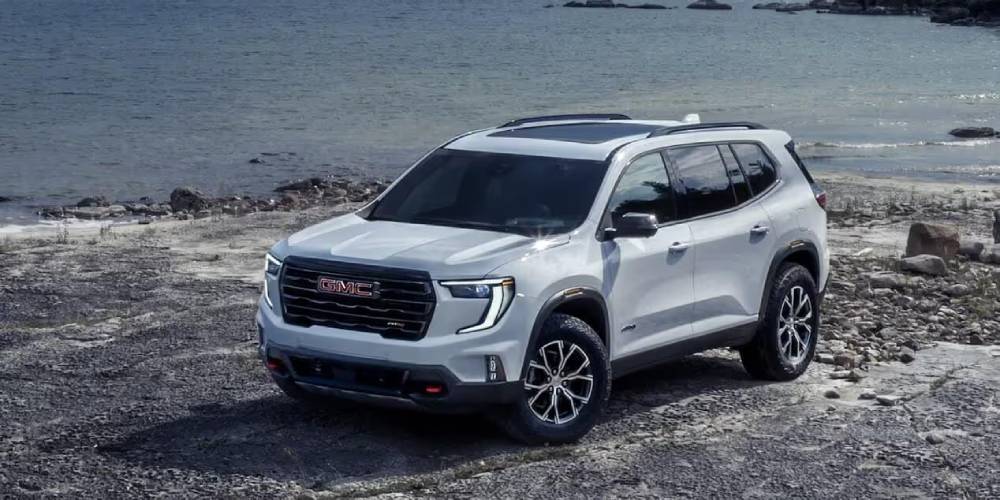
Are GMC Acadias Reliable Overall?
So, are GMC Acadias reliable? The most accurate answer is that they offer average reliability overall, but the ownership experience can vary considerably depending on the model year, engine, maintenance history, and previous use.
The GMC Acadia has never been the clear reliability leader in the midsize SUV segment. Models such as the Toyota Highlander and Honda Pilot have generally developed stronger reputations for long term durability. However, that does not mean every Acadia is unreliable. Many owners enjoy years of comfortable and trouble free driving, particularly with carefully maintained examples from the second generation.
The biggest concern is inconsistency. Earlier Acadias were affected by expensive problems involving timing chains, transmissions, steering systems, air conditioning components, and engine oil consumption. These failures could turn an attractively priced used SUV into a serious financial burden. A buyer might save several thousand dollars at the dealership, only to face a major repair shortly afterward.
Later models improved in several important areas. The second generation became lighter, more efficient, and generally less troublesome than the original Acadia. The redesigned third generation offers more interior space, updated technology, and a turbocharged engine, but it has not yet accumulated enough long term ownership data to establish a definitive durability record.
Current ratings also support a balanced verdict rather than an enthusiastic endorsement. J.D. Power gives the 2026 GMC Acadia a Quality and Reliability score of 76 out of 100, placing it in the average category. RepairPal rates the model at 3.0 out of 5.0 and ranks it 23rd among 26 midsize SUVs. Its estimated average annual repair cost is $734.
These numbers suggest that the Acadia is not necessarily a vehicle buyers should avoid, but it does require more careful selection than some competitors. Choosing the right model year is essential. A complete maintenance history, a clean diagnostic scan, and a professional inspection can be more important than the mileage shown on the odometer.
The Acadia makes the most sense for drivers who value cabin comfort, attractive styling, usable passenger space, modern features, and strong towing capability. It may also appeal to used SUV shoppers because depreciation can make it significantly more affordable than some Japanese alternatives.
However, buyers who place maximum priority on predictable repair costs and proven long term durability may feel more comfortable with a Highlander or another highly rated competitor. The Acadia can still be a dependable family SUV, but it should be purchased based on its individual condition rather than its appearance, trim level, or low asking price alone.
The overall verdict is simple. GMC Acadias can be reliable when buyers select a strong model year and maintain the vehicle correctly. Poorly maintained examples from problem prone years are much riskier and can become expensive very quickly.
GMC Acadia Reliability Ratings From Trusted Sources
Reliability ratings can help buyers compare vehicles, but no single score tells the complete story. Each organization uses a different methodology, and some ratings combine owner feedback, repair frequency, repair severity, defects, and short term quality.
J.D. Power currently gives the 2026 GMC Acadia an overall consumer score of 79 out of 100. Its Quality and Reliability score is 76 out of 100, which J.D. Power classifies as average. The score considers defects, malfunctions, and design related problems reported by verified owners, including concerns involving the powertrain, controls, interior features, and infotainment system.
A rating of 76 does not indicate that the Acadia is likely to fail. It suggests that its reported quality is competitive enough for everyday use but not exceptional within the market. Buyers should also remember that ratings for a newly released model primarily reflect early ownership. They cannot fully predict how the engine, transmission, electronics, and suspension will perform after ten years or 150,000 miles.
RepairPal provides a broader view based on repair cost, visit frequency, and problem severity. It gives the GMC Acadia a reliability rating of 3.0 out of 5.0. The model ranks 23rd out of 26 midsize SUVs, with an estimated annual repair cost of $734. Repair frequency is described as average, but RepairPal reports that problems are more likely to be severe when they occur.
That distinction matters. A vehicle may not visit the repair shop frequently, but a single transmission, timing chain, or internal engine repair can have a major effect on ownership costs. This is one reason buyers should not evaluate the Acadia by repair frequency alone.
Safety ratings should not be confused with reliability scores, but they remain important for family SUV buyers. The Insurance Institute for Highway Safety named the 2025 and 2026 GMC Acadia a Top Safety Pick. The 2025 model earned a Good overall evaluation in the updated moderate overlap front crash test, although some individual structural and injury measurements received Acceptable ratings. The award applies to qualifying vehicles that meet the institute’s test and equipment requirements.
The National Highway Traffic Safety Administration also maintains model year specific records for recalls, complaints, investigations, and crash test results. Buyers should search using the exact vehicle identification number rather than assuming every Acadia from a particular year is affected by the same recall. Recall eligibility can depend on production date, drivetrain, equipment, and manufacturing plant.
| Source | Current Assessment | What It Means for Buyers |
| J.D. Power | 76 out of 100 for Quality and Reliability | Average early ownership quality for the 2026 model |
| RepairPal | 3.0 out of 5.0 | Average ownership costs, but a higher risk of severe repairs |
| IIHS | Top Safety Pick for qualifying 2025 and 2026 models | Strong crash protection and safety equipment performance |
| NHTSA | Results vary by model year and configuration | Check recalls and complaints using the exact vehicle identification number |
The ratings reinforce an important conclusion. The GMC Acadia is neither one of the most dependable SUVs in its class nor an automatically unreliable choice. Its reliability is highly dependent on the year and condition of the individual vehicle.
GMC Acadia Reliability by Generation
First Generation: 2007 to 2016
The first generation GMC Acadia offered three row seating, a spacious cabin, and more carlike handling than many traditional sport utility vehicles of its era. Unfortunately, this generation is also responsible for much of the Acadia’s negative reliability reputation.
One of the most frequently discussed concerns involves premature timing chain wear in vehicles equipped with the 3.6 liter V6. A stretched timing chain can trigger a check engine light, cause rough running, reduce performance, and eventually lead to serious engine damage. Irregular oil changes and low oil levels can accelerate the problem.
Transmission complaints are another major concern, especially among earlier model years. Owners have reported delayed engagement, slipping, harsh shifts, loss of certain gears, and complete transmission failure. Because transmission replacement can be extremely expensive, even a low purchase price may not make an older Acadia a good value.
Other commonly reported trouble areas include power steering components, water pumps, air conditioning systems, wheel bearings, electrical accessories, and excessive engine oil consumption. Not every first generation Acadia experiences these failures, but the number and potential severity of the problems make a detailed inspection essential.
Shoppers considering a first generation model should prioritize complete service records. Evidence of frequent oil changes, transmission servicing, recall completion, and previous major repairs can significantly reduce uncertainty. Buyers should also listen for engine rattling during a cold start, test every transmission gear, inspect for fluid leaks, and verify that the air conditioning works correctly.
This generation may suit a buyer who finds a well documented example at a very low price. However, it is generally the riskiest generation for shoppers who want predictable ownership costs.
Second Generation: 2017 to 2023
The second generation represented a major change. GMC reduced the Acadia’s exterior dimensions and vehicle weight, improving maneuverability and fuel efficiency. The cabin remained practical, although some buyers found the third row and cargo area less spacious than those of the original model.
Reliability also became more consistent. The second generation avoided some of the most notorious issues associated with early Acadias, making later model years more attractive to used SUV shoppers. Models produced after the first few years of the redesign are often considered the strongest candidates in the Acadia lineup.
That does not mean the generation is problem free. Some owners have reported electronic shift control warnings, transmission hesitation, infotainment malfunctions, camera problems, sensor failures, battery drain, and air conditioning concerns. Certain vehicles may display a message stating that the transmission is not in Park, even after the driver has selected Park. This can prevent the vehicle from shutting down normally and may require replacement of a switch or related shifter component.
Turbocharged four cylinder engines offered in some versions can deliver better fuel economy, but they also add complexity. Buyers should confirm that the correct oil was used and that oil changes were completed on schedule. The naturally aspirated V6 may appeal to drivers who prioritize towing and smoother power delivery, although it can consume more fuel.
In general, the 2019 through 2023 model years deserve consideration when supported by good service records. A professional inspection remains necessary because reliability can vary based on drivetrain, engine choice, driving environment, and maintenance quality.
Third Generation: 2024 to 2026
The third generation Acadia returns to a larger format, giving families more passenger and cargo space. It uses a 2.5 liter turbocharged four cylinder engine paired with an eight speed automatic transmission. The redesigned model also includes a much larger infotainment display, advanced driver assistance technology, and an expanded range of connected features.
This generation looks promising, but it is still too new for a complete long term reliability verdict. J.D. Power’s current score of 76 out of 100 for Quality and Reliability indicates average early performance rather than class leading dependability.
The turbocharged engine produces strong power for daily driving and towing, but its long term durability will become clearer only after more vehicles accumulate high mileage. The same caution applies to the transmission, large digital displays, camera systems, software, and driver assistance features.
More technology can improve convenience and safety, but it also creates additional potential failure points. A mechanical engine issue may be easy for an experienced technician to diagnose, while an intermittent software, sensor, camera, or communication fault can be more difficult and expensive to isolate.
Early buyers should follow the factory maintenance schedule closely, install software updates, respond quickly to warning messages, and keep documentation for every service visit. Owners should also check for recalls periodically because new campaigns may be announced after a vehicle has already been sold.
The latest Acadia has shown encouraging safety performance. The IIHS lists qualifying 2025 and 2026 models as Top Safety Pick recipients, strengthening its appeal as a family vehicle. However, excellent crash protection should be viewed separately from mechanical reliability.
For buyers planning to keep their SUV for many years, the third generation involves more uncertainty than a proven late second generation model. Those purchasing new will benefit from factory warranty coverage, while used buyers may prefer to wait until more long term repair data becomes available.
Overall, the second generation currently offers the best balance between modern features, affordability, and established reliability. The first generation carries the greatest mechanical risk, while the third generation appears promising but remains relatively unproven.
Common GMC Acadia Problems
Although many GMC Acadias provide years of dependable service, several recurring mechanical and electrical issues have affected different model years. Understanding these common problems can help buyers avoid costly repairs and allow current owners to identify warning signs before a minor issue becomes a major expense.
Transmission Problems
Transmission failure is one of the most widely reported concerns, particularly in first-generation Acadias built between 2007 and 2013. Owners have reported delayed gear engagement, rough shifting, slipping between gears, hesitation during acceleration, sudden loss of power, and complete transmission failure.
Early symptoms often include hard shifts when accelerating, shuddering at highway speeds, delayed movement after shifting into Drive or Reverse, transmission warning lights, or unusual whining noises. Ignoring these symptoms can result in severe internal damage that requires a complete transmission rebuild or replacement.
Repair costs vary depending on the extent of the damage. A simple transmission fluid service may cost between $200 and $400, while replacing a torque converter typically ranges from $1,000 to $2,000. A complete transmission replacement can easily exceed $4,500, making it one of the most expensive repairs Acadia owners may face.
Prospective buyers should always test drive the vehicle for at least twenty minutes, ensuring the transmission shifts smoothly under light and heavy acceleration. Any hesitation or harsh shifting deserves further inspection before purchasing.
Timing Chain Wear
Another well-known issue affects the 3.6-liter V6 engine used in many first-generation models. Premature timing chain wear became a common complaint, particularly when oil changes were neglected or performed at extended intervals.
A worn timing chain may trigger the Check Engine light, produce rattling noises during cold starts, reduce engine performance, or cause rough idling. In severe cases, incorrect valve timing can lead to catastrophic engine damage if left unrepaired.
Replacing the timing chain is a labor-intensive repair because much of the front of the engine must be disassembled. Depending on labor rates and replacement parts, repair costs often range between $1,500 and $3,500.
Regular oil changes using the correct engine oil remain the most effective way to extend timing chain life. Buyers should review maintenance records carefully and avoid vehicles with inconsistent service histories.
Engine Oil Consumption
Some GMC Acadia models are known to consume more engine oil than expected, especially those equipped with earlier versions of the 3.6-liter V6. Excessive oil consumption may not immediately cause noticeable performance issues, but allowing oil levels to become too low increases engine wear and can eventually lead to internal damage.
Drivers should check the oil level regularly between scheduled oil changes, particularly if purchasing a higher-mileage vehicle. Blue exhaust smoke, low oil warning lights, or frequent top-offs may indicate excessive oil consumption that requires further diagnosis.
Maintaining proper oil levels and following recommended service intervals significantly reduces the likelihood of long-term engine damage.
Electrical Problems
As newer Acadias added more technology, electronic issues became increasingly common. Owners have reported infotainment system freezes, Bluetooth connectivity failures, malfunctioning backup cameras, battery drain, faulty parking sensors, power liftgate problems, and intermittent dashboard warning messages.
Many electrical issues are software related and can often be resolved through dealer updates or module reprogramming. Others may involve defective sensors, wiring harnesses, or control modules that require replacement.
When inspecting a used Acadia, buyers should test every electronic feature, including climate controls, touchscreen functions, navigation, cameras, USB ports, wireless connectivity, seat controls, and driver assistance systems.
Air Conditioning Issues
Air conditioning failures have appeared across several model years. Common causes include leaking refrigerant lines, failed compressors, damaged condensers, clogged expansion valves, or worn blower motors.
Symptoms include weak airflow, inconsistent cooling, unusual noises when the air conditioning is activated, or warm air despite the system being set to maximum cooling.
Repair costs vary widely depending on the failed component. Replacing a compressor is typically the most expensive repair and may cost more than $1,200, while smaller repairs such as replacing pressure switches or recharging refrigerant are considerably less expensive.
Suspension and Steering Wear
As mileage increases, suspension components naturally wear out. On older GMC Acadias, owners commonly report worn control arm bushings, ball joints, wheel bearings, sway bar links, and shock absorbers.
Steering problems may present as excessive vibration, clunking noises over bumps, uneven tire wear, or loose steering feel. Replacing worn suspension components improves ride quality, braking performance, and overall vehicle safety.
Routine inspections during tire rotations can identify worn parts before they create more expensive repairs.
Best GMC Acadia Model Years
Not every GMC Acadia deserves the same reputation. While several early model years developed significant reliability concerns, later versions benefited from engineering improvements, updated transmissions, improved electronics, and better manufacturing quality. Buyers searching for a dependable used Acadia should focus on model years with stronger reliability records and fewer widespread complaints.
2019 GMC Acadia
The 2019 model is widely considered one of the strongest choices in the second generation. By this point, GMC had addressed many of the issues that affected earlier redesign years. Buyers can choose between the efficient four-cylinder engine and the more powerful 3.6-liter V6, depending on their driving needs.
Owners generally praise its comfortable ride, quiet cabin, modern safety features, and relatively low maintenance requirements compared with older Acadias. As with any used vehicle, verifying maintenance history remains essential.
2020 GMC Acadia
The 2020 Acadia received a significant refresh that introduced updated styling, improved infotainment technology, and the new turbocharged 2.0-liter engine. Driver assistance features became more widely available, and interior materials received noticeable upgrades.
Reliability improved compared with many earlier models, while fuel economy also benefited from the newer engine options. This model year represents an excellent balance between affordability and modern technology.
2022 GMC Acadia
The 2022 model continued refining the second-generation platform. By this stage, many early production issues had already been resolved, resulting in fewer widespread owner complaints.
The SUV offers a comfortable interior, comprehensive safety technology, and a refined driving experience. Owners generally report dependable daily performance when routine maintenance is performed according to factory recommendations.
2023 GMC Acadia
As the final model year before the complete redesign, the 2023 Acadia represents one of the most mature versions of the second generation. Manufacturing improvements and years of engineering updates helped reduce many of the issues seen in earlier models.
For buyers seeking a late-model used SUV with proven reliability, the 2023 Acadia deserves serious consideration.
2025 GMC Acadia
Although still relatively new, the redesigned 2025 Acadia shows encouraging early signs. The larger platform, upgraded interior, improved technology, and turbocharged 2.5-liter engine provide a significantly different ownership experience than previous generations.
Because long-term durability data is still limited, buyers should view early reliability reports cautiously. Those purchasing new benefit from factory warranty coverage, reducing the financial risk associated with first-year ownership.
Overall, the 2019, 2020, 2022, and 2023 model years currently represent the safest choices for buyers looking for a reliable used GMC Acadia.
Worst GMC Acadia Years to Avoid
While every vehicle can experience occasional mechanical issues, several GMC Acadia model years have developed reputations for expensive and recurring problems. Buyers considering these vehicles should proceed carefully and verify that major repairs have already been completed.
2007 GMC Acadia
The first production year experienced numerous reliability concerns, including transmission failures, steering issues, water pump failures, timing chain problems, and electrical malfunctions. Many of these repairs are expensive enough to exceed the value of high-mileage vehicles.
2008 GMC Acadia
The 2008 model continued many of the mechanical issues found in the previous year. Transmission reliability remained inconsistent, while air conditioning failures and power steering problems generated frequent owner complaints.
2011 GMC Acadia
The 2011 model became known for premature timing chain wear, engine oil consumption, transmission problems, and electronic faults. Buyers should ensure that timing chain repairs have already been completed before considering this model year.
2012 GMC Acadia
Although GMC introduced several improvements, the 2012 model still experienced recurring issues involving the engine, transmission, steering, and electrical systems. Maintenance history becomes particularly important when evaluating vehicles from this year.
2014 GMC Acadia
The 2014 Acadia generally performed better than earlier models but continued to receive reports involving transmission hesitation, air conditioning failures, electrical glitches, and steering concerns. While not necessarily a vehicle to avoid completely, buyers should conduct a thorough inspection before making a purchase.
If considering any of these model years, buyers should request complete service documentation, verify recall completion, inspect the vehicle with an independent mechanic, and budget for potential repairs. In many cases, spending slightly more on a newer Acadia can significantly reduce long-term ownership costs and provide greater peace of mind.
How Long Do GMC Acadias Last?
One of the most common questions among prospective buyers is how many miles a GMC Acadia can realistically last. The answer depends on several factors, including the model year, engine, maintenance history, driving habits, and whether major repairs are addressed promptly.
A well-maintained GMC Acadia can typically last between 180,000 and 250,000 miles. Some owners have reported surpassing 250,000 miles with their original engine and transmission, while others have experienced major mechanical failures before reaching 100,000 miles. The difference almost always comes down to maintenance and the specific model year.
Later second-generation models generally have the best reputation for longevity. Vehicles produced from 2019 through 2023 have benefited from years of engineering improvements, making them better candidates for long-term ownership than many earlier models.
Highway driving also plays a role in extending vehicle life. Engines and transmissions operating at consistent highway speeds usually experience less stress than those used primarily in stop-and-go city traffic. Frequent short trips can accelerate wear because the engine often fails to reach optimal operating temperature, allowing moisture and contaminants to accumulate in the oil.
Routine maintenance is the single most important factor influencing longevity. Regular oil changes, transmission fluid services, coolant replacements, brake inspections, and suspension maintenance all contribute to extending the vehicle’s lifespan. Ignoring minor issues can quickly lead to more expensive repairs. A small coolant leak, for example, can eventually result in overheating and severe engine damage if left unresolved.
Owners who follow the manufacturer’s maintenance schedule, respond quickly to warning lights, and replace worn components before failure often enjoy significantly longer vehicle life. Preventive maintenance almost always costs less than emergency repairs.
Another important factor is purchasing history. A used Acadia with complete maintenance records, consistent servicing, and no accident history is usually a safer investment than a lower-priced vehicle with missing documentation. A thorough pre-purchase inspection by a qualified mechanic can reveal hidden problems that are not immediately visible during a short test drive.
For buyers planning to keep the vehicle well beyond 200,000 miles, choosing one of the strongest model years and maintaining it proactively offers the best chance of long-term reliability.
Maintenance and Repair Costs
Ownership costs are an important part of evaluating any vehicle’s reliability. Even a dependable SUV requires routine maintenance, and understanding expected expenses helps buyers budget more accurately over the life of the vehicle.
Compared with many midsize SUVs, the GMC Acadia falls into the average range for annual maintenance costs. Routine services are generally affordable, but certain major repairs can become expensive, especially if problems involving the transmission, timing chain, or electronic systems occur outside of warranty coverage.
The following estimates represent typical repair and maintenance costs in the United States. Actual prices vary depending on labor rates, geographic location, dealership pricing, and the use of original equipment or aftermarket replacement parts.
| Service | Estimated Cost (USD) |
|---|---|
| Engine oil and filter change | $70 to $120 |
| Tire rotation | $30 to $70 |
| Engine air filter replacement | $40 to $90 |
| Cabin air filter replacement | $40 to $100 |
| Brake pad replacement (front) | $250 to $450 |
| Brake pad and rotor replacement | $450 to $900 |
| Spark plug replacement | $250 to $600 |
| Coolant flush | $150 to $300 |
| Transmission fluid service | $200 to $450 |
| Battery replacement | $180 to $350 |
| Wheel bearing replacement | $350 to $700 |
| Water pump replacement | $700 to $1,400 |
| Air conditioning compressor replacement | $900 to $1,500 |
| Timing chain replacement | $1,500 to $3,500 |
| Complete transmission replacement | $4,000 to $6,000+ |
Preventive maintenance remains the most effective way to reduce long-term ownership costs. Replacing fluids at recommended intervals can significantly extend the life of the engine, transmission, cooling system, and differential.
Owners should also avoid postponing diagnostic work when warning lights appear. Modern vehicles rely on dozens of sensors and electronic control modules. A relatively inexpensive sensor replacement today may prevent a much larger repair later.
For used vehicle shoppers, maintenance records are often more valuable than low mileage. An Acadia that has received consistent servicing throughout its life is usually a safer purchase than one with fewer miles but an unknown maintenance history.
Purchasing an extended warranty may also be worth considering for buyers selecting higher-mileage vehicles or models known to experience transmission or engine-related repairs. While not necessary for every owner, extended coverage can help offset the financial impact of major mechanical failures.
Overall, the GMC Acadia is not unusually expensive to maintain on a day-to-day basis. However, neglecting routine service can quickly lead to repairs that cost several thousand dollars.
Pros and Cons of Owning a GMC Acadia
Like every midsize SUV, the GMC Acadia offers a combination of strengths and weaknesses. Understanding both sides helps buyers determine whether it matches their priorities and driving needs.
Pros
One of the Acadia’s biggest advantages is its comfortable ride quality. The suspension absorbs most road imperfections effectively, making long highway trips more enjoyable for both drivers and passengers.
The cabin is spacious and thoughtfully designed, particularly in newer generations. Families appreciate the flexible seating arrangements, generous cargo space, and numerous storage compartments that make everyday errands and road trips more convenient.
Technology is another strong point. Recent Acadias include large infotainment displays, wireless Apple CarPlay and Android Auto, advanced driver assistance systems, multiple USB ports, digital instrument clusters, and available premium audio systems. These features help the vehicle compete with many newer rivals.
Safety has also improved substantially in recent years. Modern Acadias offer adaptive cruise control, automatic emergency braking, blind spot monitoring, lane keeping assistance, rear cross traffic alert, and other technologies designed to reduce accident risk and improve driver confidence.
When properly equipped, the Acadia also provides respectable towing capability, making it suitable for hauling small campers, boats, utility trailers, or recreational equipment. This versatility makes it attractive to families with active lifestyles.
Depreciation can also work in the buyer’s favor. Used Acadias often sell for significantly less than similarly equipped competitors, allowing shoppers to purchase a well-equipped SUV with premium features at a competitive price.
Cons
The Acadia’s greatest weakness is inconsistent reliability across different model years. While some years have proven dependable, others have experienced expensive problems involving transmissions, timing chains, engine oil consumption, steering systems, and electronics.
Repair costs for major components can be substantial. A transmission replacement or timing chain repair can easily cost several thousand dollars, making careful model year selection extremely important.
Resale value generally trails industry leaders such as the Toyota Highlander and Honda Pilot. Buyers planning to sell or trade in the vehicle after only a few years may experience greater depreciation than with some competing models.
Electronic systems have become increasingly complex in recent generations. Although advanced technology improves convenience and safety, it also introduces additional components that may require software updates or repairs over time.
Fuel economy is competitive but not class-leading. Drivers focused primarily on minimizing fuel costs may find hybrid alternatives from competing manufacturers more attractive.
Some owners also note that third-row seating can feel tight for adults on longer journeys, particularly in second-generation models where overall vehicle dimensions were reduced.
Is the GMC Acadia Worth Buying?
For many families, the answer is yes, provided the right model year is selected.
Buyers who choose a well-maintained 2019, 2020, 2022, or 2023 Acadia are likely to enjoy a comfortable, practical, and well-equipped midsize SUV that offers good overall value for the money.
However, shoppers considering earlier first-generation models should proceed carefully. Lower purchase prices may appear attractive, but the potential for expensive mechanical repairs can quickly eliminate those initial savings.
Ultimately, the GMC Acadia is best suited for buyers who prioritize comfort, technology, interior space, and overall value while taking the time to research model years, inspect maintenance records, and complete a professional pre-purchase inspection before making a final decision.
How to Make a GMC Acadia Last Longer
Owning a GMC Acadia does not automatically mean you’ll face expensive repairs. In fact, many long-term owners have exceeded 200,000 miles by following a consistent maintenance routine and addressing small issues before they become major mechanical failures. Whether you own an older first-generation model or the latest redesign, proactive care can significantly improve reliability and reduce overall ownership costs.
Follow the Factory Maintenance Schedule
The easiest way to extend the life of your GMC Acadia is to follow the maintenance schedule outlined in the owner’s manual. Regular oil changes, fluid inspections, brake servicing, and filter replacements help keep every major system operating efficiently.
Skipping routine maintenance may save money in the short term, but it often leads to much more expensive repairs later. Engine oil, transmission fluid, coolant, and brake fluid all deteriorate over time and lose their protective properties.
Change Transmission Fluid Regularly
Although some manufacturers describe modern transmission fluid as “lifetime” fluid, many automotive experts recommend replacing it every 45,000 to 60,000 miles under normal driving conditions. Vehicles that frequently tow trailers or operate in heavy traffic may benefit from even shorter service intervals.
Fresh transmission fluid helps reduce internal wear, improves shift quality, and lowers operating temperatures. Considering the high cost of transmission replacement, routine fluid service is a relatively inexpensive investment.
Monitor Engine Oil Levels
Several GMC Acadia model years are known for higher-than-average oil consumption. Rather than waiting for the next scheduled oil change, owners should check the oil level every few weeks, especially on higher-mileage vehicles.
Driving with insufficient oil can accelerate engine wear, damage timing chain components, and eventually lead to catastrophic engine failure.
Address Warning Lights Immediately
Modern vehicles continuously monitor engine performance, emissions systems, transmissions, brakes, and electronic components. A Check Engine light does not always indicate a serious problem, but ignoring it allows small issues to develop into costly repairs.
Prompt diagnosis can often prevent additional damage while reducing repair expenses.
Keep Software Updated
Newer GMC Acadias rely heavily on electronic control modules and software. Dealerships occasionally release software updates that improve transmission behavior, infotainment performance, fuel economy, or driver assistance systems.
Installing these updates during routine service visits helps ensure the vehicle operates as designed.
Inspect Suspension and Steering Components
Worn suspension parts not only reduce ride comfort but also affect tire wear, steering precision, and braking performance. During routine maintenance, technicians should inspect control arms, bushings, ball joints, sway bar links, shocks, and wheel bearings for excessive wear.
Replacing inexpensive suspension components before they fail can prevent more extensive damage to surrounding parts.
Use Quality Replacement Parts
When repairs become necessary, using high-quality OEM or premium aftermarket components generally provides better durability than inexpensive alternatives. While cheaper parts may reduce repair costs initially, they often wear out faster and may compromise overall reliability.
Keep Complete Maintenance Records
Maintaining detailed service records benefits both current owners and future buyers. Documentation demonstrates that the vehicle has been properly maintained and often increases resale value. It also helps mechanics diagnose recurring issues more efficiently.
By following these preventive maintenance practices, many GMC Acadia owners can enjoy dependable performance for well over 200,000 miles while minimizing unexpected repair bills.
Frequently Asked Questions
Are GMC Acadias reliable vehicles?
Overall, GMC Acadias offer average reliability compared with other midsize SUVs. Reliability varies significantly by model year, with later second-generation models generally performing much better than many early first-generation vehicles. Choosing a well-maintained example with documented service history greatly improves the ownership experience.
Which GMC Acadia model years are the most reliable?
Many automotive experts and owners consider the 2019, 2020, 2022, and 2023 model years among the best choices. These vehicles benefited from engineering improvements that addressed many of the issues found in earlier models.
Which GMC Acadia years should buyers avoid?
The 2007, 2008, 2011, 2012, and, to a lesser extent, the 2014 model years are often associated with higher numbers of owner complaints involving transmissions, timing chains, steering systems, and electrical components.
Can a GMC Acadia last over 200,000 miles?
Yes. Many well-maintained GMC Acadias exceed 200,000 miles with their original powertrain. Regular oil changes, timely fluid replacements, careful driving habits, and prompt repairs are the biggest factors influencing long-term durability.
Are GMC Acadias expensive to repair?
Routine maintenance costs are generally average for the midsize SUV segment. However, major repairs involving transmissions, timing chains, engines, or electronic systems can become expensive if problems are ignored or develop outside warranty coverage.
Is the GMC Acadia a good family SUV?
Yes. The Acadia offers comfortable seating, a quiet cabin, modern safety technology, flexible cargo space, and user-friendly infotainment features. These characteristics make it a practical choice for families, commuters, and road-trip enthusiasts.
Should I buy a used GMC Acadia?
A used GMC Acadia can provide excellent value if you choose the right model year and verify its maintenance history. Always request service records, perform a comprehensive test drive, check for outstanding recalls, and have the vehicle inspected by an independent mechanic before completing the purchase.
Conclusion
So, are GMC Acadias reliable? The answer depends largely on the model year you choose and how well the vehicle has been maintained. While early first-generation models developed a reputation for transmission failures, timing chain problems, and other costly mechanical issues, later second-generation Acadias have proven to be considerably more dependable. The newest generation also appears promising, although additional years of real-world ownership data will be needed before its long-term reliability can be fully evaluated.
For buyers searching for the best balance of reliability, comfort, technology, and value, the 2019, 2020, 2022, and 2023 GMC Acadia models stand out as the strongest options. These vehicles combine modern features with improved engineering and generally lower ownership risks than many earlier versions.
Regardless of the model year, a thorough pre-purchase inspection and complete maintenance history are far more important than mileage alone. A well-maintained Acadia with higher mileage is often a better investment than a neglected vehicle with fewer miles.
If you are considering a used GMC Acadia, take the time to research the specific model year, review service records, verify recall completion, and inspect the vehicle carefully. Doing so can help you avoid expensive surprises and enjoy many years of dependable ownership.
Ultimately, the GMC Acadia remains a comfortable, capable, and family-friendly midsize SUV. While it may not rank among the industry’s most reliable vehicles, choosing the right model year and following a proactive maintenance schedule can make it a practical and rewarding vehicle for daily driving, long road trips, and family adventures.